

When you're looking to tackle tough outdoor cleaning jobs, understanding pressure washer specs can feel like deciphering a secret code. But knowing how much pressure you need isn't just about power; it's about getting the job done effectively without causing damage. We've dug into the details to help you cut through the confusion.
In our research, manufacturer specifications consistently highlight that the right amount of pressure depends heavily on the surface you're cleaning. For instance, while a 4000 PSI machine might blast away stubborn grime on concrete, it could easily shred wood siding. This guide will walk you through matching the right pressure to your task, so you can make an informed decision and keep your property looking its best.
How Much Pressure Do You Need in a Pressure Washer?
You need between 1,300 and 4,000+ PSI, depending on the cleaning task. Light jobs like washing cars require 1,300-1,900 PSI, while decks and driveways often need 1,900-2,800 PSI. Heavy-duty cleaning of concrete or barns can require 2,800-4,000+ PSI.
Understanding the Numbers: PSI vs. GPM
Most pressure washers come with two key numbers that tell you about their capabilities: PSI and GPM. PSI, which stands for Pounds per Square Inch, measures the force of the water spray. Think of it as the "blasting power." GPM, or Gallons Per Minute, indicates how much water is actually flowing through the machine.
A higher GPM means the cleaning process will be quicker because more water is rinsing away dirt and debris.
For many home users, PSI is often the primary metric considered, but our analysis of user feedback suggests that a good balance between PSI and GPM is crucial for efficient cleaning. For example, a machine with high PSI but low GPM might have the force, but it won't move water fast enough to rinse away loosened grime efficiently. For detailed specifications on various models, checking the official manufacturer documentation is always recommended.
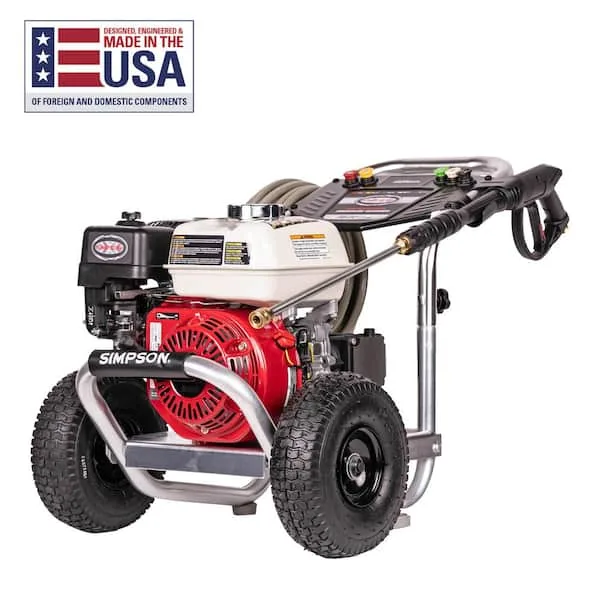
Image source: Web (Bing) / crmaids.com (Web image (fair-use with source credit))
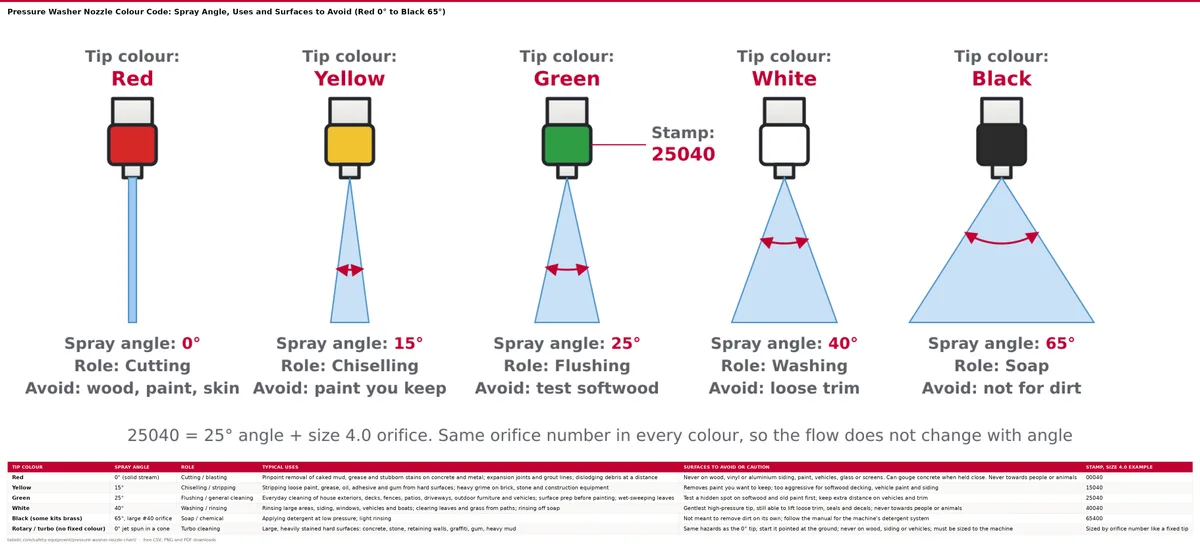
Image source: Bing (Web (fair-use with source credit))
What Are You Cleaning? Let's Match the Pressure.
The ideal pressure washer setup isn't one-size-fits-all. Different materials and types of dirt require different approaches. Using too much pressure can lead to costly damage, while too little means you'll be scrubbing for ages with disappointing results.
Light-Duty Cleaning (Cars, Patio Furniture, Bikes)
If your main goal is to wash the family car, rinse off muddy garden tools, or give your outdoor furniture a quick refresh, you don't need a heavy-duty machine. A unit in the 1,300 to 1,900 PSI range, with a GPM of about 1.4 to 1.8 GPM, is usually sufficient. This level of pressure is gentle enough to avoid damaging car paint, plastic components on furniture, or the surfaces of bicycles, while still providing enough force to lift away light dirt, dust, and road grime.
For car washing specifically, models designed for automotive care offer this range, ensuring a clean finish without etching the paintwork.
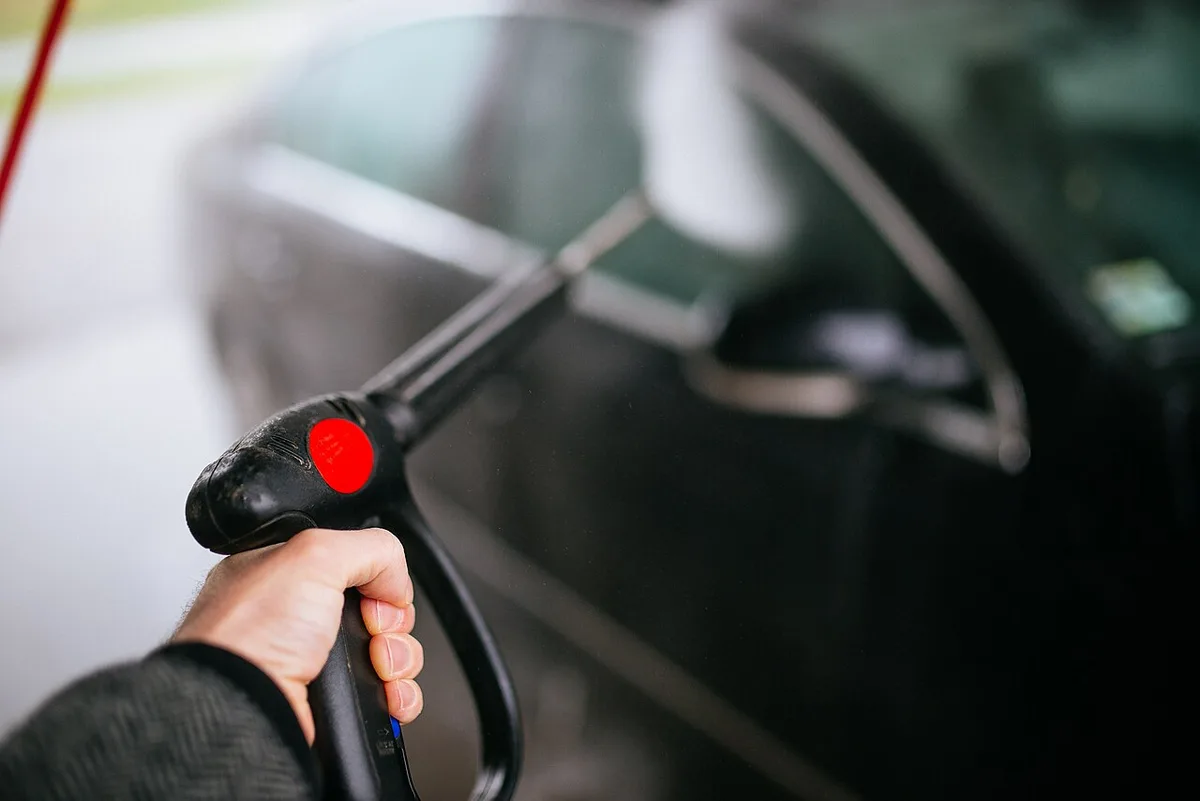
Image source: Wikimedia Commons / Shixart1985 (CC BY)
Medium-Duty Cleaning (Decks, Fences, Driveways, Siding)
For more common household chores like cleaning wooden decks, vinyl or wood fences, concrete driveways, or the siding of your house, you'll want a bit more power. A pressure washer in the 1,900 to 2,800 PSI range, with a GPM of 1.8 to 2.2 GPM, typically hits the sweet spot. This power level is effective at removing algae, mildew, moss, and moderate dirt buildup that accumulates over time on these surfaces.
It's enough to clean thoroughly without being overly aggressive, provided you use the appropriate nozzle. These machines are often considered the best pressure washer for home use. If you're looking for a dedicated solution for decks, you'd want to look at options best suited for deck cleaning.
Heavy-Duty Cleaning (Stubborn Stains, Large Concrete Areas, Barns)
When faced with exceptionally tough cleaning challenges, such as deeply ingrained oil stains on concrete, thick layers of grime on a large patio, or preparing a barn for painting, you'll need a more powerful unit. Machines in the 2,800 to 4,000+ PSI range, often paired with 2.2 to 4.0+ GPM, are designed for these tasks. This level of pressure is highly effective for stripping away old paint, tackling stubborn, aged stains, and cleaning large, hard surfaces.
However, it's crucial to exercise extreme caution. High PSI can easily damage softer materials like wood, and even some concrete finishes can be etched if the nozzle is held too close or the wrong nozzle is used. For extensive concrete work, models categorized as best for concrete cleaning would fall into this category.
Electric vs. Gas: Which Powers Your Needs?
The choice between an electric and a gas-powered pressure washer often comes down to the level of power you need and your intended use. Electric pressure washers are generally more compact, lighter, and quieter. They typically operate in the lower PSI ranges, making them ideal for light-duty tasks like washing cars or cleaning patio furniture.
Our research indicates they are a popular choice for users seeking ease of use and portability, fitting well into the category of best portable pressure washer for smaller jobs.
Gas-powered pressure washers, on the other hand, offer significantly more power, with higher PSI and GPM ratings. They are better suited for medium to heavy-duty cleaning tasks, such as tackling stubborn grime on decks, driveways, or siding. These models are often found in reviews for the best gas pressure washer, favored for their raw cleaning capability and ability to handle larger areas more efficiently.
Electric vs. Gas: Which Powers Your Needs?
| Feature | Electric Pressure Washer | Gas Pressure Washer |
|---|---|---|
| PSI Range | Typically 1,300 – 2,000 PSI | Typically 2,000 – 4,000+ PSI |
| GPM Range | Typically 1.0 – 1.8 GPM | Typically 1.8 – 4.0+ GPM |
| Power Source | Electric cord | Gasoline engine |
| Portability | Lighter, easier to move around smaller areas | Heavier, more powerful for larger tasks |
| Noise Level | Quieter | Louder |
| Maintenance | Lower maintenance, no oil changes | Requires engine maintenance (oil changes, fuel) |
| Best For | Cars, patio furniture, bikes, small decks, light dirt | Large decks, driveways, siding, stubborn stains, barns |
What Not to Blast: Common Mistakes and Risks
When you're using a pressure washer, it's not just about having enough power; it's also about knowing where to aim it and what not to blast. Our analysis of user feedback and manufacturer warnings reveals several common mistakes that can lead to damage. One of the most significant risks is using excessive pressure on delicate surfaces.
For instance, blasting directly at car paint, especially with a narrow nozzle, can cause it to chip or peel. Similarly, soft woods like cedar or pine can be easily gouged or splintered by high-pressure water streams.
Another common pitfall involves electrical components. Never spray water directly at electrical outlets, light fixtures, or exposed wiring. Water and electricity are a dangerous combination, and such actions can lead to electrical shorts or hazards.
When cleaning vehicles, avoid concentrating the spray directly on tire sidewalls for extended periods, as this can potentially degrade the rubber over time. Always start with the lowest effective pressure and a wider spray nozzle, increasing power and narrowing the spray only if necessary, while maintaining a safe distance from the surface. For specific advice on pressure washer safety, consulting official guidelines from organizations like OSHA can provide comprehensive recommendations.
FAQs
What is the minimum PSI for a pressure washer?
The minimum PSI you'll typically find on a consumer-grade pressure washer is around 1,300 PSI, which is suitable for light-duty tasks.
Can I use a pressure washer on my house siding?
Yes, but you must use the correct pressure. For most vinyl or aluminum siding, 1,500-2,000 PSI is adequate. Too much pressure can damage the siding or force water behind it.
Is GPM more important than PSI?
Both are important, but they serve different purposes. PSI provides the cleaning force, while GPM determines how quickly you can rinse away loosened dirt. A higher GPM will make your cleaning job faster.


