

Figuring out what type of oil does a pressure washer use can seem tricky, but it's actually straightforward once you know where to look. The answer isn't a single oil for everything; it depends on whether you're topping up the pump or the engine. Using the wrong fluid can quickly lead to costly damage, so getting this right is key to keeping your machine running smoothly.
Manufacturer specifications are your best friend here. For instance, many pressure washer pumps call for specific synthetic pump oils with a viscosity rating like SAE 20W-50, while small engines often use a standard SAE 30 or 10W-30 conventional engine oil. Understanding these differences ensures you’re giving each component the lubrication it needs.
Quick Answer: It Depends on the Part!
The type of oil a pressure washer uses depends entirely on the component. Pumps need specialized hydraulic pump oil, often synthetic and a specific viscosity like SAE 20W-50. Engines typically take standard small engine oil, like SAE 30 or 10W-30.
Always check your manual first.
Pump Oil vs. Engine Oil: Understanding the Difference
Your pressure washer isn't a single unit; it’s two main systems working together: the pump and the engine. These two parts have completely different jobs and, therefore, completely different lubrication needs. Think of it like your car: the engine oil keeps the motor running, and the transmission fluid keeps the gearbox smooth.
They are not interchangeable.
Pressure Washer Pump Oil Explained
The pump is the heart of your pressure washer, creating that powerful stream of water. It operates under immense pressure and requires specialized pump oil. This oil's main job is to lubricate the internal components like pistons, seals, and crankshafts, preventing friction and heat buildup.
Manufacturer specifications often call for synthetic pump oils for better thermal stability and longevity, frequently with a viscosity of SAE 20W-50. Using engine oil in the pump can lead to premature wear and seal failure because it lacks the necessary additives for high-pressure hydraulic systems.
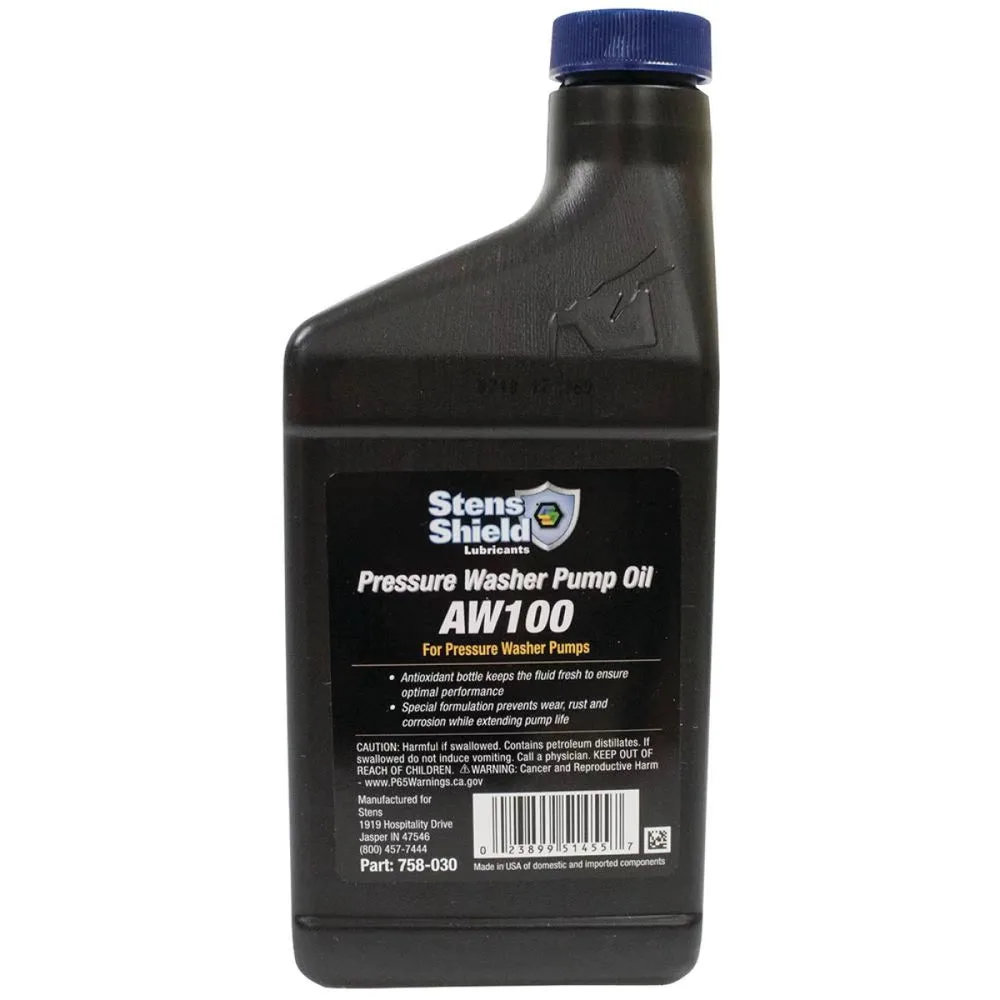
Image source: Web (Bing) / cleanfreak.com (Web image (fair-use with source credit))
Pressure Washer Engine Oil Explained
Most gas-powered pressure washers have a small, four-stroke engine that drives the pump. These engines require lubrication similar to other small engines, like those found on lawnmowers or generators. Standard small engine oils, usually SAE 30 in warmer climates or 10W-30 for broader temperature ranges, are generally recommended.
This oil reduces friction between moving engine parts, dissipates heat, and prevents corrosion. It's crucial to use an oil specifically designed for air-cooled engines, as these have different additive packages than automotive oils.
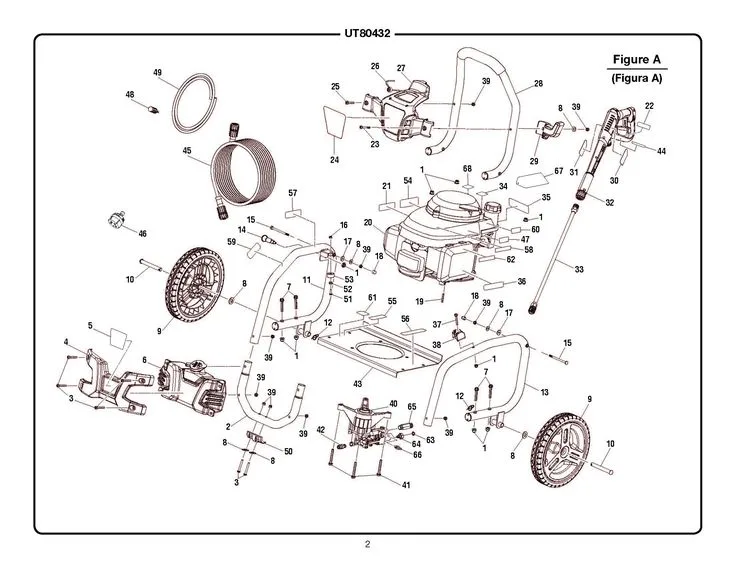
Image source: Web (Bing) / in.pinterest.com (Web image (fair-use with source credit))
Why the Right Oil is a Big Deal (And What Happens If You're Wrong)
Putting the wrong oil in either your pressure washer's pump or engine is a fast track to mechanical failure. It’s not just about performance; it’s about preventing serious damage that can be expensive to repair, or even impossible. The correct oil ensures all the moving parts are properly lubricated, keeping them cool and protected from wear and tear.
If you use automotive oil in a pump, for example, you might find it breaks down under pressure and heat, leading to increased friction. This can quickly damage seals, pistons, and the crankshaft. For the engine, using an oil with the wrong viscosity or additives could cause it to overheat, seize, or suffer from accelerated wear on critical components like bearings and cylinder walls.
As of 2026, manufacturer warranties almost universally require adherence to recommended lubricant types.
How to Find the Exact Oil Your Pressure Washer Needs
The absolute best way to know precisely what oil your machine needs is to consult your owner's manual. This document is tailored specifically to your model and will list the correct type and viscosity for both the pump and the engine. It's the most reliable source of information you have.
Decoding Your Owner's Manual
Your owner's manual will typically have a dedicated section on maintenance or specifications. Look for headings like "Lubrication," "Fluids," or "Maintenance Schedule." It will clearly state the recommended oil for the pump (often a specific pressure washer pump oil or a SAE 20W-50 hydraulic oil) and the engine (usually SAE 30 or 10W-30 small engine oil). Pay close attention to any specific brand recommendations or certifications mentioned.
If you’ve lost your manual, most manufacturers offer digital copies on their websites, which you can usually find by searching for your pressure washer’s model number.
Checking the Manufacturer's Website
If the manual is missing or unclear, the manufacturer's official website is your next best bet. Navigate to their support or product section and find your specific model. Most manufacturers provide downloadable manuals, FAQs, and even direct links to recommended accessories, including the correct types of oil.
Some sites might even have a "parts finder" or a maintenance guide that specifies the exact fluids required. This is a crucial step before any maintenance or refill. For example, Briggs & Stratton engine specifications are often readily available and highly specific regarding oil types.
Common Oil Types and What They Mean (Viscosity, Specs)
Understanding oil specifications helps you make the right choice. The most common terms you'll see are viscosity and oil type. Viscosity refers to how thick or thin the oil is at a given temperature, while oil type denotes its formulation and intended use.
Pressure Washer Pump Oil Specs
For the pump, you'll usually see recommendations like SAE 20W-50. The "SAE" stands for the Society of Automotive Engineers, which sets standards for viscosity. The first number (20W) indicates its performance in cold temperatures, with the "W" meaning "winter." A lower number here means it flows better when cold.
The second number (50) indicates its viscosity at operating temperature. Higher numbers mean a thicker oil, which is often needed for the high-pressure environment inside a pump to maintain a protective film. Always use oil labeled specifically for pressure washer pumps; automotive oils are not formulated for the same high-pressure, high-temperature, and shear forces found in a pump.
Small Engine Oil Specs
Engine oil is a bit more varied. For a gas-powered pressure washer engine, you'll commonly find recommendations for SAE 30 or 10W-30. SAE 30 is a single-grade oil, good for warmer temperatures (above 32°F or 0°C). 10W-30 is a multi-grade oil, meaning it performs like a 10-weight oil when cold and a 30-weight oil when hot.
This makes it more versatile for use in varying conditions. It's important to use an oil specifically designed for air-cooled, four-stroke engines, which often includes detergents to keep the engine clean and additives to protect against wear and overheating. Check the engine manufacturer's guidelines, such as those from Honda Power Equipment, for precise recommendations based on your engine model and climate.
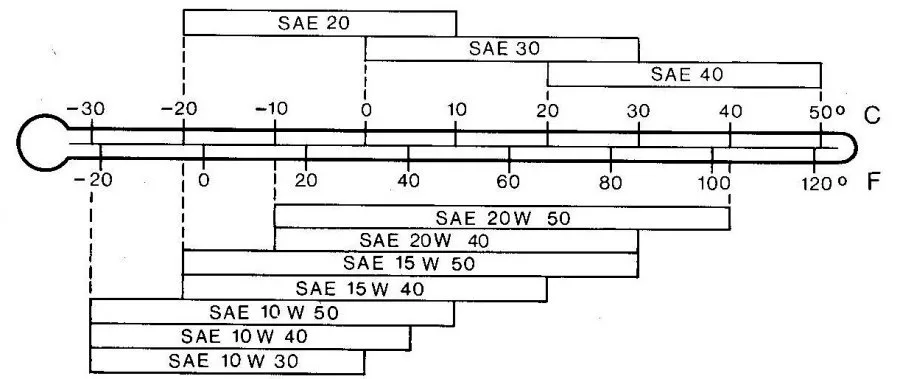
Image source: Bing (Web (fair-use with source credit))
Mistakes That Can Wreck Your Pressure Washer
Using the wrong oil is a classic blunder, but there are other common mistakes that can shorten your pressure washer's life. Overfilling the pump or engine with oil is one of them. Too much oil can cause pressure buildup, foaming, and overheating, potentially damaging seals and gaskets.
Conversely, underfilling leaves critical parts with insufficient lubrication, leading to rapid wear and friction.
Another pitfall is neglecting to change the oil at the recommended intervals. Oil degrades over time, losing its lubricating properties and accumulating contaminants. This is why most manuals specify oil changes based on operating hours, often around 50 to 100 hours for the pump and engine, depending on the model and usage.
Failure to change it can lead to sludge buildup, reduced efficiency, and internal component damage.
Maintaining Your Pressure Washer for Peak Performance
Regular maintenance is the best way to ensure your pressure washer performs reliably for years. Beyond oil changes, there are a few other key areas to focus on. Keeping the intake filter clean is vital; a clogged filter restricts water flow, straining the pump.
Also, ensure the fuel cap is vented if your engine requires it and that you’re using fresh, clean fuel. Stale fuel can cause starting issues and affect engine performance. After each use, especially if you've been cleaning with detergents, it’s a good idea to flush the pump with clean water.
This helps remove any residual chemicals or debris that could corrode or clog internal components. Proper storage, like draining the water from the pump and engine if you live in a freezing climate, is also essential. For those in colder regions, consider using pressure washer antifreeze to prevent water expansion damage during winter.
Why Winterization is Crucial
If you live anywhere with freezing temperatures, properly winterizing your pressure washer is non-negotiable. Water left in the pump can freeze and expand, causing cracks and rendering the pump useless. Most manufacturers provide specific winterization steps in their manuals, which usually involve draining the pump and running a pump protector solution through it.
This solution, often a glycol-based fluid, displaces any remaining water and prevents ice damage. Neglecting this step is a leading cause of pump failure in colder climates.
Frequently Asked Questions About Pressure Washer Oil
What happens if I put engine oil in my pressure washer pump?
If you put standard engine oil into your pressure washer pump, you’re likely to cause damage. Engine oils have different additive packages than specialized pump oils. They may not withstand the high pressures and temperatures within the pump, leading to reduced lubrication, increased wear on seals and pistons, and eventually, pump failure.
Always use the specific pump oil recommended by the manufacturer.
Can I use any brand of oil?
While you can often use oil from different reputable brands, it's critical that the oil meets the specifications recommended in your owner's manual. Look for the exact viscosity (e.g., SAE 20W-50 for pumps, SAE 30 for engines) and type (e.g., synthetic pump oil, small engine oil). Sometimes, specific certifications or formulations are called for, so checking the manual is always the first step.
How often should I change the oil?
Oil change intervals vary by manufacturer and model, but generally, pumps need attention every 50 to 100 hours of operation. Engines typically follow similar schedules, or they might specify changes based on seasonal use. Consulting your owner's manual is the only way to know the precise interval for your unit.
Ignoring these intervals can lead to a buildup of contaminants and a loss of lubricating effectiveness.
Is there a difference between electric and gas pressure washer oil needs?
Yes, there's a significant difference. Electric pressure washers typically don't have a separate engine that requires oil. They use an electric motor, which is usually sealed and doesn't need oil changes.
The pump, however, still requires specialized pump oil, similar to a gas-powered unit, to keep its internal components lubricated and cool.
What if my manual doesn't specify a brand?
If your manual doesn't specify a brand, focus on the type and viscosity ratings. For example, if it calls for "SAE 20W-50 synthetic pressure washer pump oil," look for any major brand that clearly labels itself as such. High-quality brands that produce lubricants for industrial or automotive use often have dedicated lines for pressure washer pumps and small engines that will meet these specifications.
Your Decision Guide: Choosing the Correct Oil
Selecting the right oil boils down to two primary components: the pump and the engine. If your pressure washer is electric, you'll only need to worry about the pump oil. For gas-powered units, you'll address both.
- Identify Your Machine Type: Is it electric or gas-powered?
- Consult Your Owner's Manual: This is the most critical step. It will detail the exact oil type and viscosity for both the pump and the engine.
- Pump Oil:
- If Manual Says Specific Pump Oil: Purchase oil explicitly labeled "Pressure Washer Pump Oil" and ensure it matches the recommended viscosity (e.g., SAE 20W-50). Synthetic versions generally offer superior performance and longevity.
- If Manual Says General Hydraulic Oil: Use a high-quality hydraulic oil with the specified viscosity.
- NEVER Use Engine Oil: Unless explicitly stated by the manufacturer (highly unlikely), do not use automotive engine oil in the pump.
- Engine Oil (for Gas Models):
- If Manual Says SAE 30: Use a standard SAE 30 oil designed for air-cooled, four-stroke engines.
- If Manual Says 10W-30: Use a 10W-30 oil formulated for similar engines.
- Consider Climate: For engines, 10W-30 is often more versatile across temperature ranges than straight SAE 30.
- Purchase and Fill: Once you have the correct oil, carefully fill the designated reservoirs, being mindful not to overfill. Always use a clean funnel to avoid contamination. If you're looking for a robust unit for demanding tasks, consider exploring 7 Best Commercial Pressure Washer options, which often have more specific maintenance needs.


