

An upright vacuum usually loses suction because of clogs, dirty filters, full bags, blocked brush rolls, or worn seals.
If you have ever pushed your vacuum across the floor and felt it suddenly stop picking up like it should, you are not alone. I have seen this problem many times, and the cause is often simpler than people expect. In most cases, an upright vacuum losing suction comes down to airflow problems, and once you know where to look, the fix is often quick and affordable.
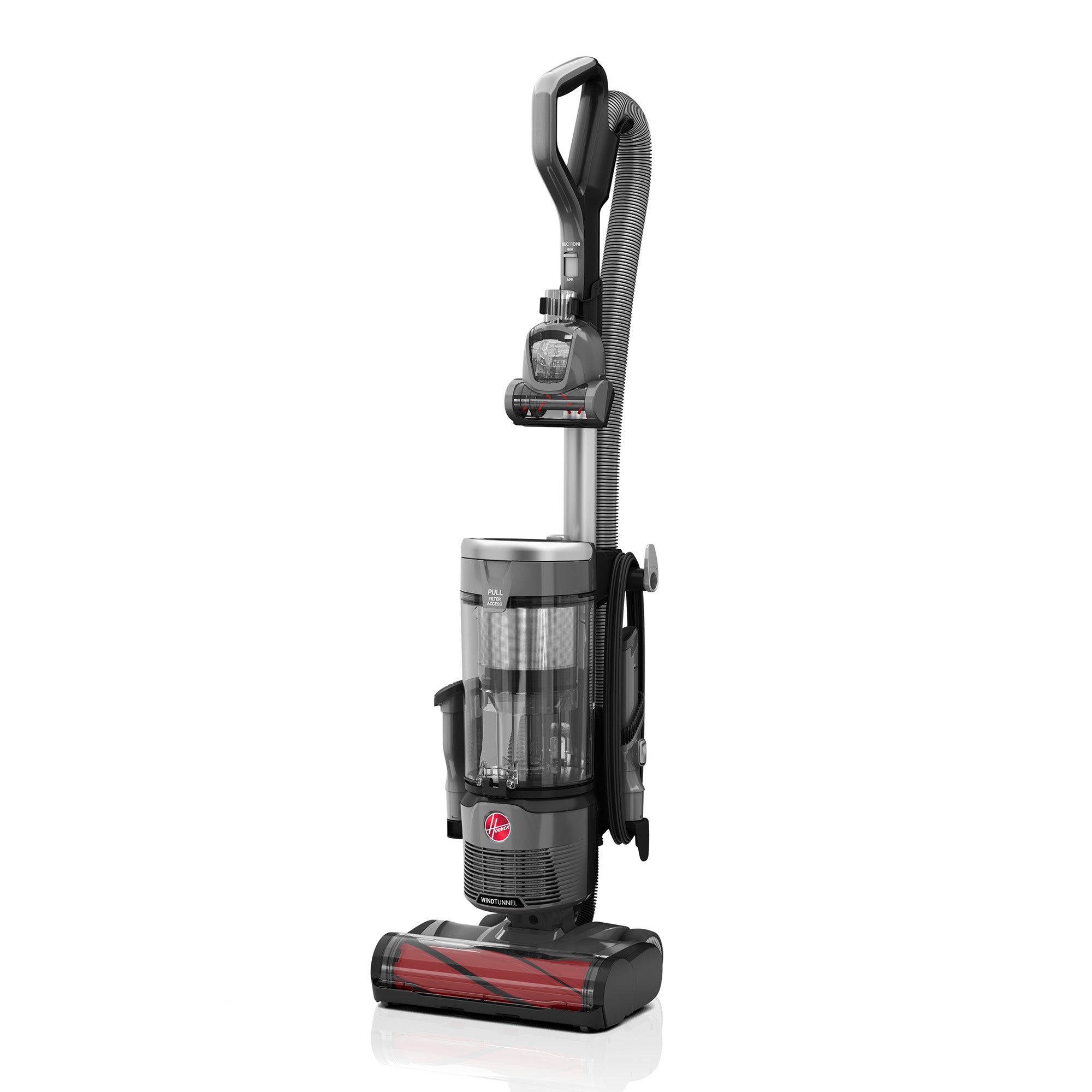
Why an upright vacuum loses suction
An upright vacuum depends on steady airflow. Air pulls dirt, dust, and pet hair through the nozzle, hose, brush area, and filter system, then into the dust bin or bag. When that airflow gets blocked anywhere along the path, suction drops fast.
The good news is that the issue is usually not the motor itself. More often, it is a clog, a dirty filter, a loose seal, or a full collection system. I have learned over time that the best way to troubleshoot an upright vacuum losing suction is to follow the airflow path from the floor head all the way to the exhaust.
Common reasons your upright vacuum is losing suction
1. The dust cup or bag is full
A full dust cup or vacuum bag is one of the most common reasons for weak suction. When debris fills the chamber, air cannot move freely, and the vacuum starts to feel tired.
For bagless models, the bin may look only partly full but still block airflow if fine dust coats the inside. For bagged models, a bag does not need to look packed to reduce performance. If the vacuum is losing suction, empty or replace the collection system first.
2. The filters are dirty or clogged
Filters trap dust before it reaches the motor or exits the vacuum. That protects the machine, but it also means the filters need regular cleaning or replacement.
A clogged foam, felt, or HEPA filter can choke airflow. In my experience, this is one of the most overlooked causes of an upright vacuum losing suction. Many people clean the bin but forget the filters entirely.
3. There is a clog in the hose, wand, or brush channel
A clog can form anywhere in the air path. Common trouble spots include:
- The hose
- The wand
- The brush head
- The intake port
- The bend near the floor nozzle
Small things like paper scraps, pet hair, sock fibers, and even toy parts can block the airway. If suction drops suddenly, I always check for a clog before assuming the vacuum is broken.
4. The brush roll is tangled
A brush roll does not create suction, but it helps lift dirt from carpet so airflow can pull it in. If hair, string, or carpet fibers wrap around the brush, cleaning power falls sharply.
This is especially common in homes with pets or long hair. I have seen vacuums that seemed to have weak suction, but the real problem was a brush roll locked up with hair like a rope around an axle.
5. The belt is worn or broken
Many upright vacuums use a belt to spin the brush roll. If the belt is stretched, cracked, or snapped, the brush roll may stop turning properly.
That can make the vacuum seem like it has poor suction, even if the motor still runs. A slipping belt also reduces agitation on carpet, so dirt stays deeper in the fibers.
6. The seals are leaking air
Upright vacuums need tight seals to keep suction focused where it matters. If the dust bin, hose connection, filter door, or base plate is not seated properly, air may leak out.
Even a small gap can reduce performance a lot. I have found that a loose latch or missing gasket can cause a vacuum to act weak for no obvious reason.
7. The height setting is wrong
If the vacuum is set too high for the floor type, the nozzle may sit too far from the surface. That makes it harder to lift dirt from carpet or hard floors.
If the setting is too low, the vacuum can seal too tightly and restrict airflow on some surfaces. A proper height setting gives the brush roll and airflow the best chance to work together.
8. The motor or fan is failing
Sometimes the problem is internal. If the vacuum has been overheated, heavily clogged, or used with dirty filters for too long, the motor or fan may be damaged.
This is less common than a clog or filter problem, but it does happen. If you have checked everything else and suction is still poor, the motor may need service or replacement.

How to diagnose suction loss step by step
Start with the easiest fixes first. That saves time and helps you avoid opening parts you do not need to touch.
Step 1: Empty the bin or replace the bag
Do this first, even if the vacuum does not look packed. A half-full bin can still block air if fine dust is layered inside.
Step 2: Clean or replace the filters
Remove every washable filter and let it dry fully if the model allows washing. If the filter is not washable or looks worn, replace it.
Step 3: Check the hose and wand for clogs
Detach the hose and look through it if possible. Use a flashlight to check for blockages, and gently remove trapped debris with a flexible tool or by hand.
Step 4: Inspect the brush roll
Turn the vacuum off and unplug it first. Then cut away hair and thread wrapped around the brush roll and check that it spins freely.
Step 5: Look at the belt
If the brush roll barely moves or does not move at all, inspect the belt for wear. Replace it if it looks loose, shiny, cracked, or stretched.
Step 6: Check seals and latches
Make sure the dust bin, filter covers, hose ends, and access panels are fully locked in place. A vacuum can lose suction from something as simple as a misaligned latch.
Step 7: Test suction at different points
Put your hand near the hose, wand, and floor nozzle. If suction is strong in one area but weak in another, the problem is likely local, such as a clog or broken part in that section.
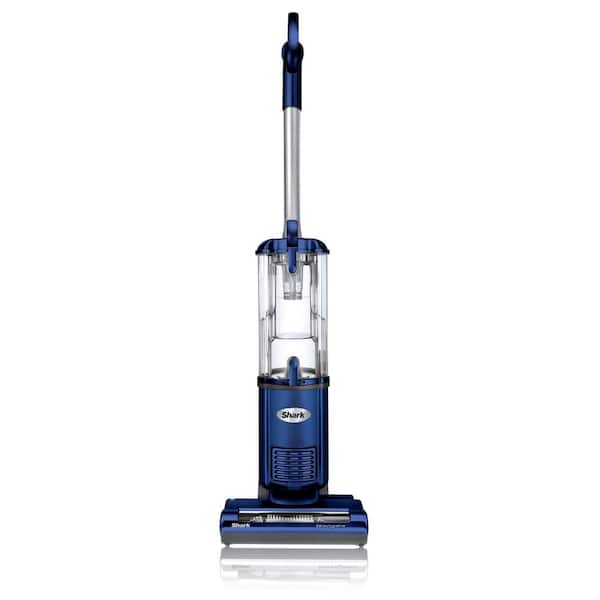
How to fix an upright vacuum losing suction
The right fix depends on the cause, but most repairs are simple.
- Empty the bin or change the bag regularly
- Wash filters according to the manufacturer’s instructions
- Replace filters that are torn, clogged, or past their life span
- Clear the hose and nozzle of blockages
- Remove hair from the brush roll
- Replace worn belts
- Reseat all covers and seals
- Adjust the height setting for the floor type
If your vacuum still loses suction after these steps, check whether the machine has a cracked hose, broken gasket, or damaged fan. At that point, repair or replacement may be more practical.
How to prevent suction loss in the future
A little maintenance goes a long way. The best vacuums are the ones that stay clean inside.
Here are habits that help keep your upright vacuum working well:
- Empty the dust bin before it gets packed down
- Replace bags before they are overfilled
- Clean filters on the schedule in the manual
- Check for hair and string on the brush roll weekly
- Inspect the hose for blockages after vacuuming larger debris
- Store the vacuum in a dry place
- Replace worn belts and filters on time
I have found that most suction problems never get dramatic if you stay ahead of them. It is a lot like keeping a sink drain clear: small bits add up, and regular care keeps the flow moving.
When the suction problem may be a bigger issue
Sometimes an upright vacuum losing suction is a sign of deeper wear. If your machine has been used for years without filter changes or clog checks, the motor may have worked harder than it should.
Signs of a bigger issue include:
- Burning smell
- Loud whining or grinding
- Weak suction even after cleaning
- Brush roll not spinning after a belt change
- Vacuum overheating quickly
If you notice these signs, compare the repair cost with the price of a new vacuum. Consumer guidance and appliance maintenance standards generally support replacing small home appliances when repair parts and labor approach the cost of a newer, more efficient model.
Frequently Asked Questions of Why is my upright vacuum losing suction?
Why does my upright vacuum lose suction suddenly?
A sudden drop usually means a clog, a full bin, or a brush roll jam. Check the hose, nozzle, and filters first because those are the fastest fixes.
Can dirty filters make a vacuum sound normal but clean poorly?
Yes. The motor may still run, but airflow drops when filters are clogged. That makes the vacuum feel weak even though it sounds fine.
Why is my upright vacuum losing suction on carpet but not on hard floors?
Carpet needs more airflow and stronger brush action to lift dirt from fibers. If the height setting, belt, or brush roll is off, the vacuum may struggle on carpet first.
How often should I clean vacuum filters?
It depends on the model and how often you vacuum, but many filters need cleaning every 1 to 3 months. Homes with pets or heavy dust may need more frequent care.
Can a vacuum belt cause suction problems?
Yes, indirectly. A worn or broken belt can stop the brush roll from turning, which lowers cleaning performance and makes the vacuum seem weak.
When should I replace my upright vacuum instead of fixing it?
Replace it if the motor is failing, major parts are damaged, or repairs cost close to a new machine. If the vacuum is older and still losing suction after full maintenance, replacement may be the smarter choice.
Conclusion
If you have been asking why your upright vacuum is losing suction, the answer is usually somewhere in the airflow path. A full bin, dirty filter, clog, tangled brush roll, worn belt, or loose seal can all choke performance.
The best approach is simple: start at the dirt end, move through the hose and filters, and work toward the motor. That method saves time, prevents guesswork, and often gets your vacuum back to strong cleaning fast.
If this guide helped, put the steps to use today, share it with someone who is fighting the same problem, or leave a comment with the vacuum issue you are trying to solve.


2 Comments
Pingback: Why Is My Upright Vacuum Overheating: Easy Fixes - Vacuum Cleaner Tips
Pingback: Why Is My Upright Vacuum Not Picking Up Dirt: Fixes - Vacuum Cleaner Tips