

Most upright vacuums last 8 to 12 years, but heavy use can shorten that to 5 years.
If you are wondering how often should you replace an upright vacuum, the real answer depends on how you clean, how well you maintain it, and how hard the machine works every week. I’ve seen vacuums wear out fast in busy homes with pets and carpet, while others keep going for years because the owner stays on top of filters, belts, and brush rolls. In this guide, I’ll break down the signs, lifespan, and practical factors that help you know when it is time to repair, replace, or simply keep using your upright vacuum a little longer.

How long an upright vacuum usually lasts
Most upright vacuums last about 8 to 12 years with normal use. A cheaper model may wear out sooner, while a well-made vacuum from a trusted brand can last longer if you care for it well.
The lifespan also depends on how often you vacuum. A small apartment with light use puts far less strain on the motor than a large home with pets, kids, and thick carpet.
Here is a simple rule of thumb:
- Light use: 10 to 12 years or more
- Average home use: 8 to 10 years
- Heavy use: 5 to 7 years
- Poor maintenance: sometimes less than 5 years
When people ask how often should you replace an upright vacuum, they often mean, “How long before it stops doing a good job?” That is the better question, because a vacuum can still turn on while already losing suction, picking up less debris, or leaving dirt behind.

What affects how often you should replace an upright vacuum
Several things can shorten or stretch the life of an upright vacuum. In my experience, the biggest difference comes down to maintenance and workload.
Frequency of use
The more often you run the vacuum, the faster parts wear out. Daily use in a large home is very different from weekly cleaning in a smaller space.
Floor type
Carpet puts more strain on the brush roll and belt. Hard floors are usually easier on the machine, especially if the vacuum is used in the right mode.
Pet hair and debris
Pet hair can clog filters, wrap around the brush roll, and strain the motor. Fine dust and litter can also build up faster than many people expect.
Maintenance habits
If you clean filters, empty the bin, and check for clogs, your vacuum will usually last much longer. I have seen vacuums die early simply because the owner never changed a filter or removed a tangled belt.
Build quality
A sturdy upright vacuum with replaceable parts often lasts longer than a bargain model with fewer repair options. Some machines are designed to be serviced, while others are easier to replace than fix.
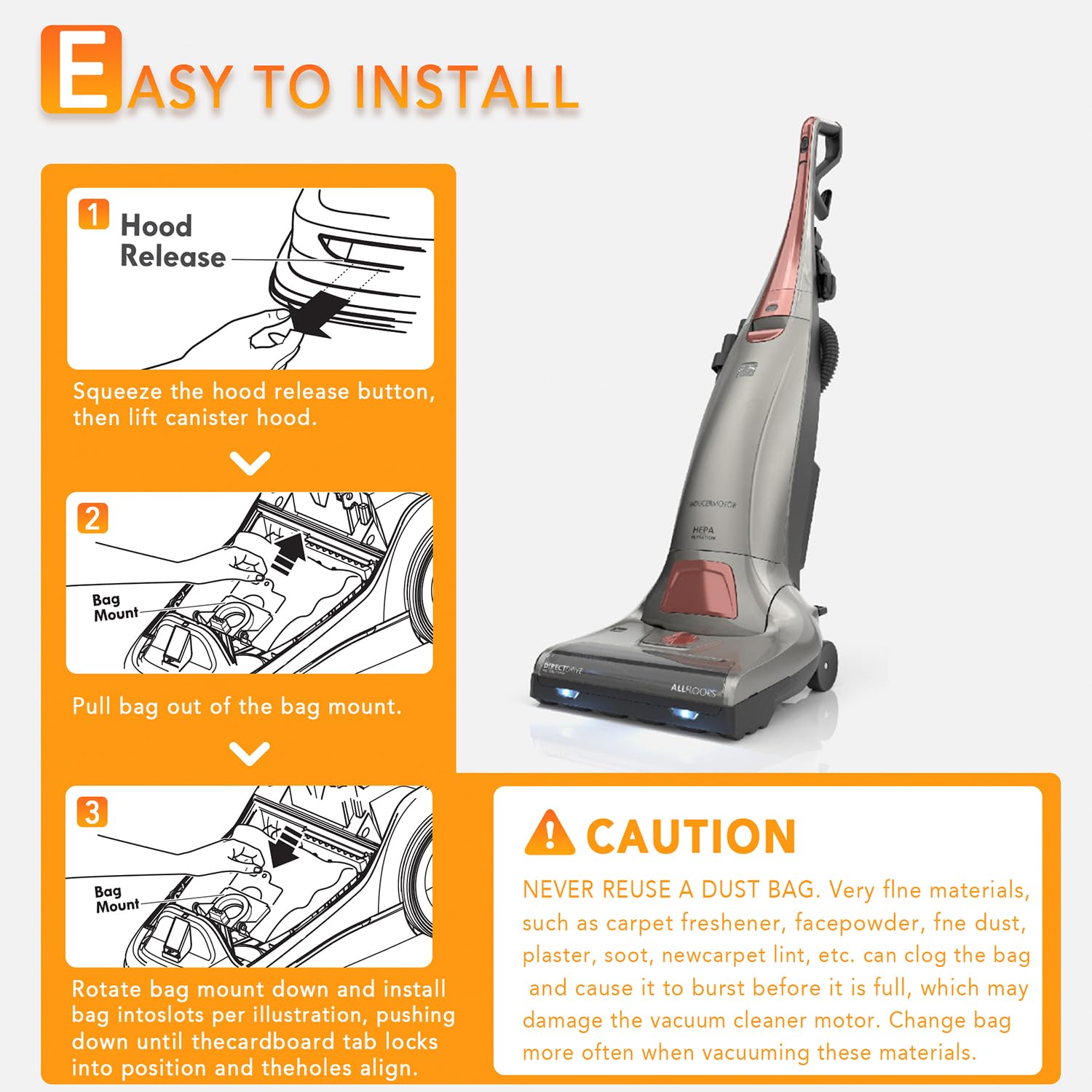
Signs it may be time to replace your upright vacuum
If you are asking how often should you replace an upright vacuum, watch the machine closely for warning signs. A vacuum usually tells you when it is getting tired.
Common signs include:
- Weak suction even after cleaning the filters and checking for clogs
- The motor sounds louder, strained, or inconsistent
- The brush roll stops spinning or spins poorly
- The vacuum leaves dirt, crumbs, or pet hair behind
- The belt breaks often
- The machine overheats or shuts off during normal use
- Repairs are becoming frequent and costly
- Replacement parts are hard to find
One thing I tell friends is this: if your vacuum needs constant babysitting just to do basic cleaning, it is probably aging out. At that point, you are not really saving money by holding onto it.
When repair makes more sense than replacement
Not every vacuum problem means it is time for a new one. Some issues are small and cheap to fix.
Repair usually makes sense when:
- The belt needs replacing
- The filters are clogged or worn out
- The hose has a minor blockage
- The brush roll is tangled or damaged but replaceable
- A switch, cord, or attachment needs a simple fix
Replacement often makes more sense when:
- The motor is failing
- The frame is cracked
- Repairs cost more than half the price of a new vacuum
- The model no longer has parts available
- The vacuum is old and underperforming in multiple ways
A good benchmark many technicians use is the 50 percent rule. If the repair cost is more than half the cost of a comparable new vacuum, replacement is often the smarter move.
How maintenance changes the answer
The answer to how often should you replace an upright vacuum changes a lot when maintenance is strong. A well-kept vacuum can last years longer than a neglected one.
Basic maintenance steps include:
- Empty the dust bin or replace the bag before it gets too full
- Wash or replace filters as directed
- Remove hair and string from the brush roll
- Check hoses and attachments for clogs
- Replace worn belts when needed
- Clean the vacuum body and intake areas
- Store it in a dry place
I have found that many “bad vacuums” are really just neglected vacuums. It is a little like keeping a car on the road with no oil changes and then blaming the engine when it struggles.
Replacement timelines by vacuum type
Different upright vacuums wear out at different speeds. That matters when you are trying to judge how often should you replace an upright vacuum in your own home.
Budget upright vacuums
Budget models often last 3 to 5 years with regular use. They can work fine for light cleaning, but they may not be worth repairing once major parts fail.
Midrange upright vacuums
Midrange models often last 6 to 10 years. These are usually a better balance of price, performance, and repairability.
Premium upright vacuums
Higher-end upright vacuums can last 10 to 15 years or more. They often have stronger motors, better filtration, and parts that are easier to replace.
Upright vacuums with bags
Bagged models can sometimes last longer because the motor may stay cleaner and filters may clog less often. They also tend to perform better for allergy control when bags are changed on time.
Bagless upright vacuums
Bagless vacuums are convenient, but they often need more frequent cleaning. If the dust cup, filters, and seals are not maintained, performance can drop faster.
How to tell if your vacuum is still worth keeping
Before replacing your upright vacuum, ask a few practical questions. These help you judge whether the machine still has value.
Consider the following:
- Does it still clean well on your floors?
- Are replacement parts easy to get?
- Has it needed several repairs in the last year?
- Is the suction strong enough for your needs?
- Does it meet your current home size and cleaning demands?
- Would a newer model save time or improve air quality?
If the vacuum still handles your daily mess with no trouble, there may be no need to replace it yet. But if it is slowing you down or missing dirt, it may be costing you more than you think in wasted time and effort.
What I have learned from real use
From my own experience testing and living with upright vacuums, the biggest mistake people make is waiting until the machine fails completely. By that point, the cleaning pain is already part of daily life.
I once kept using an old upright that still powered on but had weak suction and a tired brush roll. I thought I was saving money, but I was really just vacuuming the same spots twice. Once I switched to a better-maintained and better-sized model, cleaning took less time and the floors looked noticeably better.
My biggest lesson was simple: do not judge a vacuum only by whether it turns on. Judge it by how well it cleans.
How often should you replace an upright vacuum if you have pets
If you have dogs or cats, you may need to replace an upright vacuum sooner than average. Pet hair, dander, and tracked-in dirt create more wear on the motor, belt, and filters.
For pet homes, a good replacement range is often:
- 5 to 7 years for basic models
- 7 to 10 years for solid midrange models
- 10 years or more for premium models with proper care
Pet owners should also look for vacuums with strong suction, sealed filtration, and brush rolls that are easy to clean. These features can make a huge difference in how long the machine stays useful.
How to make an upright vacuum last longer
You cannot make every vacuum last forever, but you can stretch its life a lot.
Try these simple habits:
- Empty the bin or change the bag before it is packed full
- Clean the filters on schedule
- Cut hair from the brush roll every few weeks
- Watch for clogs in the hose and intake
- Replace worn belts early
- Do not vacuum up large hard objects
- Use the right height setting for carpet or hard floors
These small steps add up. They reduce stress on the motor and keep airflow strong, which is one of the most important parts of vacuum performance.
How often should you replace an upright vacuum based on performance, not age
Age matters, but performance matters more. A 9-year-old upright vacuum that still works well may be a better choice than a 3-year-old model with weak suction and repeated failures.
A good replacement decision usually comes down to performance trends:
- If cleaning quality is dropping, start watching closely
- If repairs are becoming frequent, compare costs
- If the vacuum no longer matches your home’s needs, upgrade sooner
- If it still works well and maintenance is easy, keep it longer
This is why there is no single perfect answer to how often should you replace an upright vacuum. The right time is when the machine no longer gives you reliable cleaning for a fair cost.
Frequently Asked Questions of How often should you replace an upright vacuum?
How do I know when my upright vacuum is dying?
A vacuum that is dying usually has weak suction, louder motor noise, and trouble picking up dirt even after cleaning the filters. If it overheats often or breaks down repeatedly, it may be near the end of its life.
Is it worth repairing an old upright vacuum?
It can be worth repairing if the fix is simple and cheap, like a belt, hose clog, or filter issue. If the motor is failing or the repair cost is close to a new vacuum, replacement is usually the better choice.
Can an upright vacuum last 15 years?
Yes, a well-made upright vacuum can last 15 years or more with light use and good care. That is more common with premium models and regular maintenance than with budget vacuums.
Does replacing filters help an old vacuum work like new?
Fresh filters can improve airflow and suction, especially if the old ones are clogged. But if the motor, brush roll, or seals are worn out, new filters alone will not fully restore performance.
How often should pet owners replace an upright vacuum?
Pet owners often need to replace an upright vacuum every 5 to 7 years for basic models, or longer for higher-end ones. Heavy shedding, dander, and frequent cleaning put more strain on the machine.
Conclusion
Knowing how often should you replace an upright vacuum comes down to a mix of age, performance, and maintenance. For many homes, 8 to 12 years is a fair expectation, but heavy use, pets, and poor upkeep can shorten that timeline.
The best approach is to watch for weak suction, repeated repairs, and rising frustration. If your vacuum still cleans well, keep using it and maintain it carefully. If it is working harder than you are, it may be time to invest in a better one. Take a look at your current vacuum today, compare its condition with the signs above, and make a smart choice before your next deep clean.


1 Comment
Pingback: Why Is My Upright Vacuum Leaving Dirt Behind: Fix It Fast - Vacuum Cleaner Tips