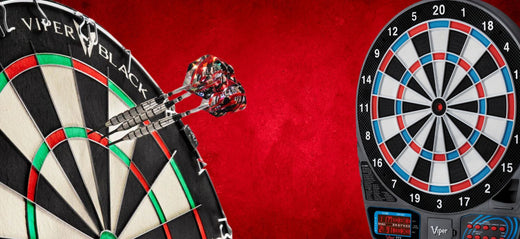
Playing darts is more than just a fun game—it’s a tradition in bars, homes, and tournaments all over the world. But when you start shopping for your own dart board, you face a big choice: electronic dart boards or bristle dart boards. Both types have strong fans, and each brings unique features to the table. If you’re unsure which suits your needs, this guide covers every key difference, with practical advice and examples to help you decide.
How Electronic And Bristle Dart Boards Work
Understanding the basics helps make sense of the differences. Bristle dart boards are made from tightly-packed sisal fibers, usually from the agave plant. The darts are steel-tipped and stick into the board by piercing these fibers. When you remove the dart, the hole closes up because the fibers are self-healing.
Electronic dart boards use plastic segments with tiny holes. Players throw soft-tipped darts, which land in the holes. The board senses where the dart hits, automatically scores the throw, and often shows results on a digital display.
Materials And Build Quality
The most obvious difference is the material. Bristle boards use natural sisal fibers, giving them a classic look and feel. The fibers let the board “heal” after each dart, extending its life.
Electronic boards are made with tough plastics and micro-electronics. The surface is covered in hundreds (sometimes thousands) of small holes. Inside, sensors detect when and where a dart lands.
Here’s a quick side-by-side look:
| Feature | Bristle Dart Board | Electronic Dart Board |
|---|---|---|
| Main Material | Sisal fibers | Plastic, electronics |
| Dart Type | Steel tip | Soft tip |
| Self-Healing | Yes | No |
| Durability | High | Moderate |
Scoring And Game Variety
One of the most appealing features of electronic boards is automatic scoring. The board senses where the dart landed, adds up points, and displays results. This reduces human error and makes games run smoothly. Many electronic boards offer dozens of built-in games, including cricket, 501, and even custom variations.
Bristle boards require manual scoring, often with chalk or marker on a scoreboard. This feels traditional and is preferred in pro tournaments. You can play any dart game, but you must track scores yourself.
Examples Of Game Modes
Electronic boards come with up to 40+ games, some with over 200 variations. For example:
- “301/501/701”: Standard scoring games
- “Cricket”: Includes scoring for numbers 15-20 and bullseye
- “Count Up”: Simple points game
- “Shanghai”: Each round uses a different number
Bristle boards support the same games, but require manual tracking. This means players must know the rules and stay focused on scoring.
Dart Types And Safety
Bristle boards use steel-tipped darts, which are sharp and heavy. They offer high accuracy and give a satisfying “thunk” as they hit the board. These darts are standard in most tournaments.
Electronic boards require soft-tipped darts, made from plastic. These are lighter and safer for homes with children or pets. They’re less likely to damage walls or furniture.
A common beginner mistake is using steel tips on an electronic board. This damages the surface and sensors. Always use the correct dart type for your board.

Durability And Maintenance
Durability is a top concern, especially if you play often. Bristle boards last longer due to their self-healing fibers. With regular care, a quality bristle board can survive years of heavy use.
Electronic boards wear out faster. The holes can crack or become misshapen, especially if players use the wrong darts. The electronics may fail after repeated impacts or years of use.
Maintenance tips:
- Bristle boards: Rotate the board every few weeks to avoid uneven wear. Keep it dry and away from direct sunlight.
- Electronic boards: Clean holes gently with a soft brush. Check connections and batteries regularly.
Here’s a comparison of expected lifespans:
| Board Type | Average Lifespan | Maintenance Needs |
|---|---|---|
| Bristle | 3–8 years | Low |
| Electronic | 2–5 years | Medium |
Price And Value
Cost is a big factor for most buyers. Bristle boards usually start around $30 for basic models, with tournament-grade boards priced $60–$120. Electronic boards range from $40 to $300, depending on features like multiplayer modes, displays, and game variety.
While electronic boards seem pricier, they include features that bristle boards lack, such as automatic scoring and sound effects. However, bristle boards offer longer life and professional play.
A common mistake: buying a cheap electronic board and expecting tournament quality. Lower-priced models often have fewer sensors and may misread throws.
Professional And Recreational Use
Bristle boards are the official choice in most competitions worldwide. The World Darts Federation and Professional Darts Corporation require sisal bristle boards for their events. This is because bristle boards allow for precise scoring and are more consistent.
Electronic boards are best for home use, casual play, and family gatherings. They’re ideal when you want quick games, easy scoring, and safety for children.
Here’s a look at where each type shines:
| Usage | Bristle Board | Electronic Board |
|---|---|---|
| Professional tournaments | Yes | No |
| Home/family use | Yes | Yes |
| Automatic scoring | No | Yes |
| Child safety | No | Yes |
Noise And Environment
Bristle boards are nearly silent, apart from the sound of darts hitting the fibers. Electronic boards are noisier, especially when darts hit plastic segments or if the board has sound effects. If you play late at night or in apartments, noise may matter.
Electronic boards also need power—either batteries or a plug. Bristle boards are fully manual.
Setup And Installation
Bristle boards are heavier and require strong mounting. You need a solid wall and a bracket that keeps the board stable. Players must stand at a standard distance (7 feet 9. 25 inches for steel tip play).
Electronic boards are lighter and often come with mounting kits. Some can hang on a door or wall easily. They usually include adjustable settings for different games, and some even have multiplayer modes for up to 16 players.
Real-life Example: Family Vs Tournament Play
Let’s say you’re buying a dart board for family fun. Young kids are excited, and safety is a concern. An electronic dart board with soft-tipped darts is best. It offers many games, automatic scoring, and less risk of injury.
If you’re training for competitions, a bristle dart board is essential. It matches the boards used in tournaments, helps you practice with steel-tipped darts, and builds skills for pro play.
Not-so-obvious Insights
Many beginners think electronic boards are only for casual players. But some advanced models offer training features, like tracking averages, missed doubles, or even online play. Another insight: bristle boards can lose their self-healing ability if exposed to humidity, so keeping them in a dry room is important.
Another mistake: ignoring dart quality. Cheap soft-tipped darts bend easily, making electronic boards less accurate. Investing in decent darts improves both fun and performance.
Choosing The Right Dart Board: Key Factors
If you’re still undecided, focus on these factors:
- Purpose: For tournaments or serious practice, choose bristle. For family fun or safety, go electronic.
- Budget: Both types offer entry-level and premium options, but bristle boards last longer.
- Game Variety: Electronic boards have many built-in games and variations.
- Scoring Preference: If you dislike manual math, electronic boards are easier.
- Space and Noise: Bristle boards are quieter, but need a solid wall. Electronic boards need less space and are portable.
Comparing Popular Models
Here’s a brief look at two well-known models:
| Model | Type | Features | Price |
|---|---|---|---|
| Winmau Blade 5 | Bristle | Professional grade, thin wiring, high durability | $70–$90 |
| Viper 777 | Electronic | 43 games, digital scoring, multiplayer | $50–$70 |
Environmental Impact
Bristle boards are made from sisal, a renewable plant fiber. Electronic boards use plastics and electronics, which are harder to recycle. If environmental impact matters, bristle boards are the greener option.
Summary Of Main Differences
To recap, here are the main points that separate the two:
- Bristle dart boards: Classic feel, steel-tip darts, self-healing, durable, manual scoring, tournament use
- Electronic dart boards: Modern design, soft-tip darts, automatic scoring, many games, safer for kids, more noise, shorter lifespan
Both are great options, but your choice should depend on your goals, environment, and who will play.
Frequently Asked Questions
What’s The Best Dart Board For Beginners?
If you are new to darts, an electronic dart board is ideal. It’s safer, offers automatic scoring, and includes many game modes. This helps beginners learn without worrying about rules or math.
Can I Use Steel-tipped Darts On Electronic Boards?
No, you should not use steel-tipped darts on electronic boards. They damage the plastic holes and sensors, and can ruin the board quickly. Always use soft-tipped darts with electronic boards.
Are Bristle Dart Boards Used In Professional Tournaments?
Yes, nearly all professional tournaments use bristle dart boards. They are the standard for accuracy and durability. If you plan to compete, practicing on a bristle board is best.
How Do I Maintain My Dart Board?
For bristle boards, rotate the board regularly and keep it dry. For electronic boards, clean holes with a soft brush and check electronics often. Good maintenance extends the life of your board.
Where Can I Find More Information About Dart Board Standards?
The official rules and standards can be found on the Wikipedia Dartboard page. This covers measurements, materials, and tournament guidelines.
Choosing between electronic and bristle dart boards is about matching your needs and preferences. Both offer hours of fun, but knowing their differences helps you make the right choice for your home, club, or competitive play.