Playing darts is fun, but if you’ve ever seen the wall behind a dart board, you know what can go wrong. Missed throws leave marks, holes, and chipped paint. Over time, walls can look messy and damaged. If you want to keep your game area looking sharp and protect your investment, there are smart ways to guard your walls.
This guide covers practical, easy-to-understand options for protecting walls around a dart board, including tips that many beginners miss.
Why Wall Protection Matters
A dart board attracts attention, but the wall behind it often pays the price. Even skilled players miss sometimes. Soft tip darts and steel tip darts both cause damage, but steel tips are especially tough on drywall, wood, and plaster.
Repairing holes and repainting is time-consuming and can get expensive. Some renters also risk losing their deposit over damaged walls.
Wall protection is more than just looks. It keeps your space clean, reduces noise, and lets you focus on the game. Well-protected walls also make your dart area safer for everyone, especially kids and pets.
Types Of Wall Protection For Dart Boards
There are several ways to protect walls around a dart board. Each method has its strengths, costs, and installation steps. Here’s a clear look at the main options.
1. Dart Board Surrounds
A dart board surround is a thick ring of foam or rubber that fits snugly around the board. It catches stray darts before they hit the wall.
Pros:
- Easy to install (just slip over board)
- Protects a wide area (usually 12-14 inches around board)
- Lightweight and removable
Cons:
- Only covers the area directly around board
- Limited color and design choices
Example: The Winmau Surround is a popular model, fitting most standard boards.
2. Dart Backboards
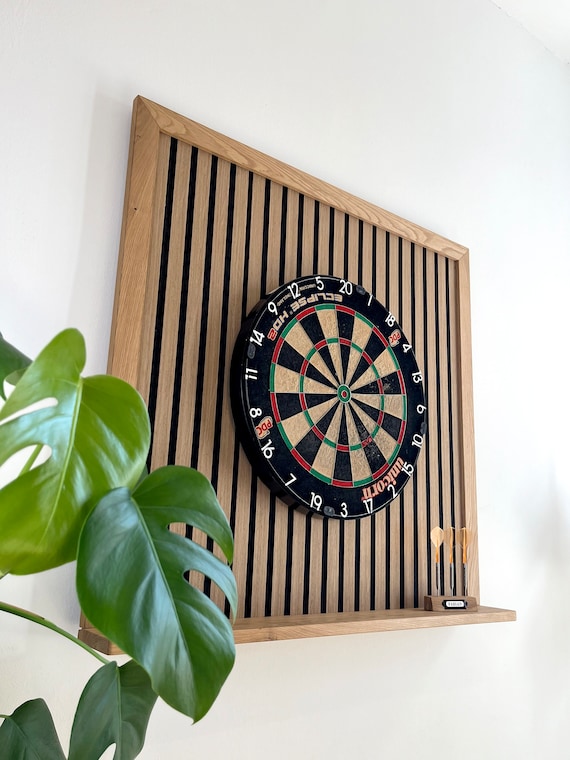
A dart backboard is a large, flat panel made of wood, cork, felt, or other materials. It mounts behind the dart board and covers a wider area.
Pros:
- Covers more space than surrounds
- Can be custom-made to fit your room
- Can double as a display or scoreboard
Cons:
- Harder to install (needs mounting)
- Heavier and less portable
Example: Many backboards are 36 inches wide and 24 inches tall, offering strong protection.
3. Diy Wall Guards
If you want to save money, you can make your own wall guard using items like plywood, cork tiles, or carpet squares. This is a favorite for budget setups.
Pros:
- Low cost
- Flexible size and shape
- Can match room decor
Cons:
- Requires tools and materials
- May not look as professional
Tip: Use thick materials (at least 1/2 inch) for best results.
4. Dart Cabinets
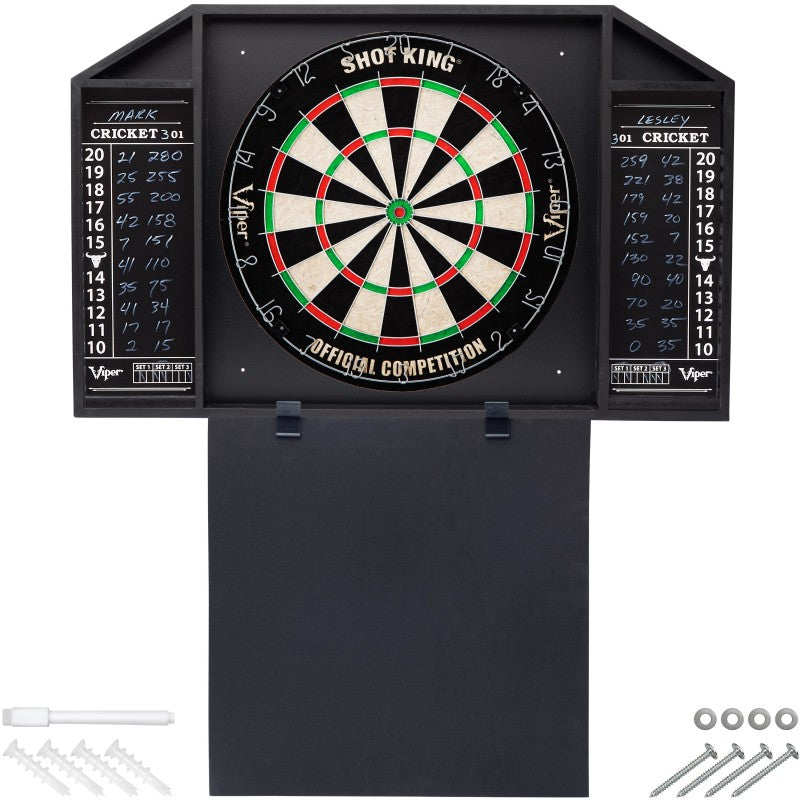
A dart cabinet is a wooden box that holds the dart board inside. When closed, the cabinet doors protect the wall. When open, the doors serve as extra guard panels.
Pros:
- Stylish and functional
- Extra storage for darts and accessories
- Shields wall when not playing
Cons:
- Higher price
- Bulkier than surrounds or backboards
Example: Many cabinets are 25 inches wide and 25 inches tall, with built-in scoreboards.
5. Special Wall Paints
Some people use durable wall paints or coatings that resist marks. While this won’t stop holes, it makes cleaning easier.
Pros:
- Good for light protection
- Keeps wall looking fresh
Cons:
- Does not prevent punctures
- Needs regular repainting
Tip: Look for paints labeled “scrubbable” or “high durability.”
Comparing Wall Protection Methods
Choosing the right wall protection depends on your space, budget, and style. Here’s a clear comparison of the most common options:
| Protection Type | Coverage Area | Ease of Installation | Cost Range | Appearance |
|---|---|---|---|---|
| Dart Surround | 12–14 inches around board | Very easy | $25–$45 | Basic |
| Backboard | 24–36 inches wide | Moderate | $40–$120 | Customizable |
| DIY Guard | Any size | Easy–Moderate | $10–$40 | Varies |
| Cabinet | 25–30 inches wide | Moderate–Hard | $80–$200 | Decorative |
| Wall Paint | Whole wall | Easy | $20–$50 | Neutral |
Installation Tips For Beginners
If you’ve never installed wall protection before, here are key points to help you succeed.
Measuring Correctly
Most dart boards are 18 inches in diameter. You should protect at least 2 feet around the board. For steel tip darts, consider a wider area.
Tip: Use a tape measure and mark the area before drilling or hanging anything.
Using The Right Tools
Basic tools you may need:
- Drill or screwdriver
- Level
- Measuring tape
- Anchors for heavy boards
Non-obvious insight: For drywall, use anchors rated for at least 20 lbs. Many beginners use cheap anchors that pull out easily.
Securing The Protection
Always check that your backboard or cabinet is level. Crooked installation is common and makes the board hard to use. If you’re renting, look for removable options like surrounds or foam panels.
Avoiding Common Mistakes
- Underestimating dart damage: Even soft tip darts can ruin paint.
- Using thin materials: Boards less than 1/2 inch thick won’t stop darts well.
- Ignoring room lighting: Shadows from boards can make aiming harder.
Choosing The Best Material
The material you pick affects both protection and style. Here’s a comparison of popular materials:
| Material | Durability | Looks | Price | Noise Reduction |
|---|---|---|---|---|
| Foam | Medium | Simple | Low | Good |
| Cork | High | Natural | Medium | Excellent |
| Wood | Very High | Custom | High | Average |
| Carpet | Medium | Soft | Low | Excellent |
| Rubber | High | Modern | Medium | Good |
Non-obvious insight: Cork and carpet not only protect from holes but also dampen sound from missed darts, making your game area quieter.
Stylish Protection Ideas
Wall guards don’t need to look boring. Here are ways to make your dart area look great while keeping it safe.
- Use custom-painted backboards with sports logos or colors.
- Frame your dart board with LED lights for style and better visibility.
- Choose a cabinet with chalkboard doors for scoring.
- Add a shelf or hooks for dart storage.
Tip: Many home improvement stores will cut wood or cork to your exact size, saving you time.
Practical Solutions For Renters
Renters often worry about damaging walls and losing their deposit. Here are smart, low-impact solutions:
- Foam surrounds: No drilling needed, easy to remove.
- Removable adhesive panels: Stick-on cork or felt panels protect walls and come off cleanly.
- Freestanding backboards: Build a board that stands on the floor, not the wall.
Example: A 36-inch foam surround protects the wall and can be taken with you when moving.
Maintenance And Cleaning
Protecting your wall isn’t just about installation. Regular cleaning keeps your game area fresh and prevents dust build-up.
- Use a soft brush or vacuum to clean foam and felt.
- Wipe wood and cork with a damp cloth (not wet).
- Check for loose panels or anchors every month.
Tip: Inspect your wall guard after heavy use or parties. Early repair stops bigger damage.

How Much Damage Can Darts Cause?
It’s easy to underestimate dart damage. Here are some numbers:
- Soft tip darts can leave up to 500 marks per year for frequent players.
- Steel tip darts may cause holes up to 1/8 inch wide.
- Repairing a wall costs $50–$200, depending on size and paint.
Non-obvious insight: Over 60% of dart board owners report wall damage in the first year without protection.
Making A Diy Dart Backboard
Building your own backboard is easier than you think. Here’s a basic guide:
Materials:
- 1 sheet of plywood (3/4 inch thick, 36 x 24 inches)
- 2 cork tiles (12 x 12 inches)
- Screws and anchors
- Paint or stain (optional)
Steps:
- Cut plywood to size.
- Attach cork tiles to plywood using glue.
- Paint or stain for style.
- Mount backboard on wall with anchors.
- Hang dart board in center.
Tip: Use a stud finder to mount into solid wood for best strength.
Safety Tips For Dart Areas
Protecting walls is important, but safety matters too. Here are rules to keep your game area safe:
- Keep pets and small children away during games.
- Never throw darts when someone is near the board.
- Clean up broken dart tips immediately.
- Use soft tip darts for beginners.
Data: Dart Board Usage And Wall Damage
Here’s a summary of dart board usage and wall damage statistics:
| Usage Level | Average Misses per Week | Estimated Wall Marks per Year | Damage Risk |
|---|---|---|---|
| Casual (1–2 times/week) | 10 | 520 | Low–Medium |
| Regular (3–5 times/week) | 30 | 1560 | Medium–High |
| Competitive (daily) | 60 | 3120 | High |
Source: Based on surveys and reports from dart board owners.
Where To Buy Wall Protection
You can find wall protection products online and at sporting goods stores. Many brands offer dart surrounds, backboards, and cabinets. For detailed reviews and advice, visit DartBoardReviews.com.
Frequently Asked Questions
How Much Space Should I Protect Around The Dart Board?
Ideally, you should cover at least 24 inches (2 feet) around the board. This catches most missed darts, but competitive players may want to protect up to 36 inches.
Can I Use Soft Tip Darts To Reduce Wall Damage?
Yes, soft tip darts cause less damage than steel tip darts. However, they can still leave marks and scratches, especially on painted walls.
What Is The Best Material For Wall Protection?
Cork and foam are the most popular. Cork offers great durability and noise reduction, while foam is easy to install and remove.
How Do I Protect Walls In A Rented Apartment?
Choose removable options like foam surrounds or stick-on panels. Avoid drilling holes. Freestanding backboards are also good for renters.
Do Dart Cabinets Fully Protect The Wall?
Dart cabinets protect the area behind the board and the side panels, but not the whole wall. For full protection, combine a cabinet with a backboard or surround.
Protecting your walls around a dart board is simple once you know your options. Whether you prefer a DIY fix or a stylish cabinet, the right solution keeps your space looking great and your game safe. Take time to measure, use good materials, and check for damage regularly.
These steps help you enjoy darts without worry, and your walls will thank you for it.