

A turf vacuum removes debris, infill, and organic matter to keep artificial turf clean and functional.
I’ve spent years working with professionals who install and maintain synthetic fields, and a turf vacuum is a simple tool that makes a big difference. In this article I’ll explain what a turf vacuum is used for, how it works, when to use one, and how to pick the right model for your turf. Expect clear, practical advice, real-life tips, and easy steps you can use whether you manage a small backyard turf or a large sports field.
How a turf vacuum works and what it removes
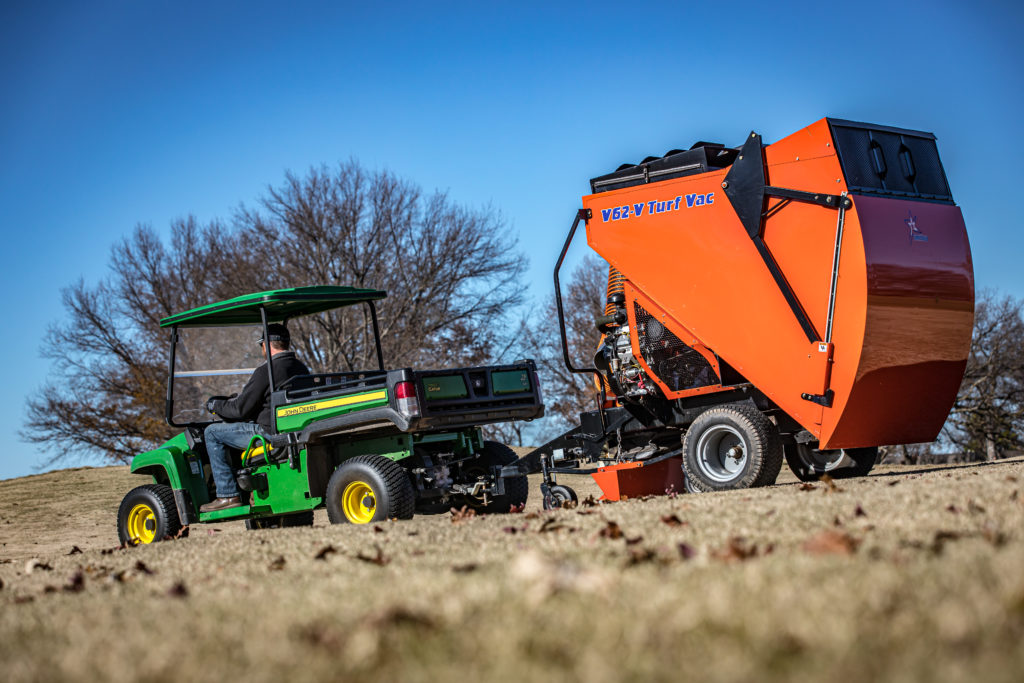
A turf vacuum is a machine that suctions loose material from artificial grass. It can be walk-behind, trailer-mounted, or truck-mounted. The machine pulls up surface debris and, depending on the model, can loosen and remove infill like rubber crumb or sand.
What it removes
- Leaves, twigs, and litter that sit on top of turf.
- Organic matter such as pet hair, pollen, and decomposing plant bits.
- Infill migration and compacted crumb rubber or sand when used with agitation tools.
- Mold spores and biofilm when combined with light washing or disinfecting.
How it cleans without damaging turf
- Most turf vacuums use adjustable suction and brush settings.
- Brushes loosen debris while the vacuum picks it up.
- Proper settings prevent tearing or pulling of turf fibers.
I’ve used medium-power turf vacuums on soccer fields and small units on practice areas. The difference in surface drainage and appearance is immediate after a pass.
Common uses and benefits of a turf vacuum
A turf vacuum serves many roles across landscaping, sports, and municipal care. It is useful year-round but especially after storms and during leaf fall.
Key benefits
- Improves drainage by removing clogging debris and compacted infill.
- Extends turf life by reducing abrasive particles and organic buildup.
- Enhances playability and safety by keeping surfaces even and debris-free.
- Cuts maintenance time compared with hand raking or manual sweeping.
Use cases
- Sports fields that need consistent surface performance.
- Playground and park turf to remove litter and organic matter.
- Residential lawns to tidy pet areas and high-traffic spots.
- Renovation jobs where old infill or debris needs removal before top-up.
PAA-style question 1: How does a turf vacuum improve drainage?
It clears debris and compacted infill that block water flow. After vacuuming, water percolates through the turf more easily, reducing puddles.
PAA-style question 2: Can a turf vacuum remove mold?
A turf vacuum removes the organic material mold feeds on. For mold itself, combine vacuuming with light cleaning and drying to reduce spores.

Types of turf vacuums and which to choose
There are different turf vacuum types to match scale and budget. Choose based on the size of the turf, the debris type, and how deep you need to clean.
Types at a glance
- Handheld or backpack units for tiny areas and spot cleanup.
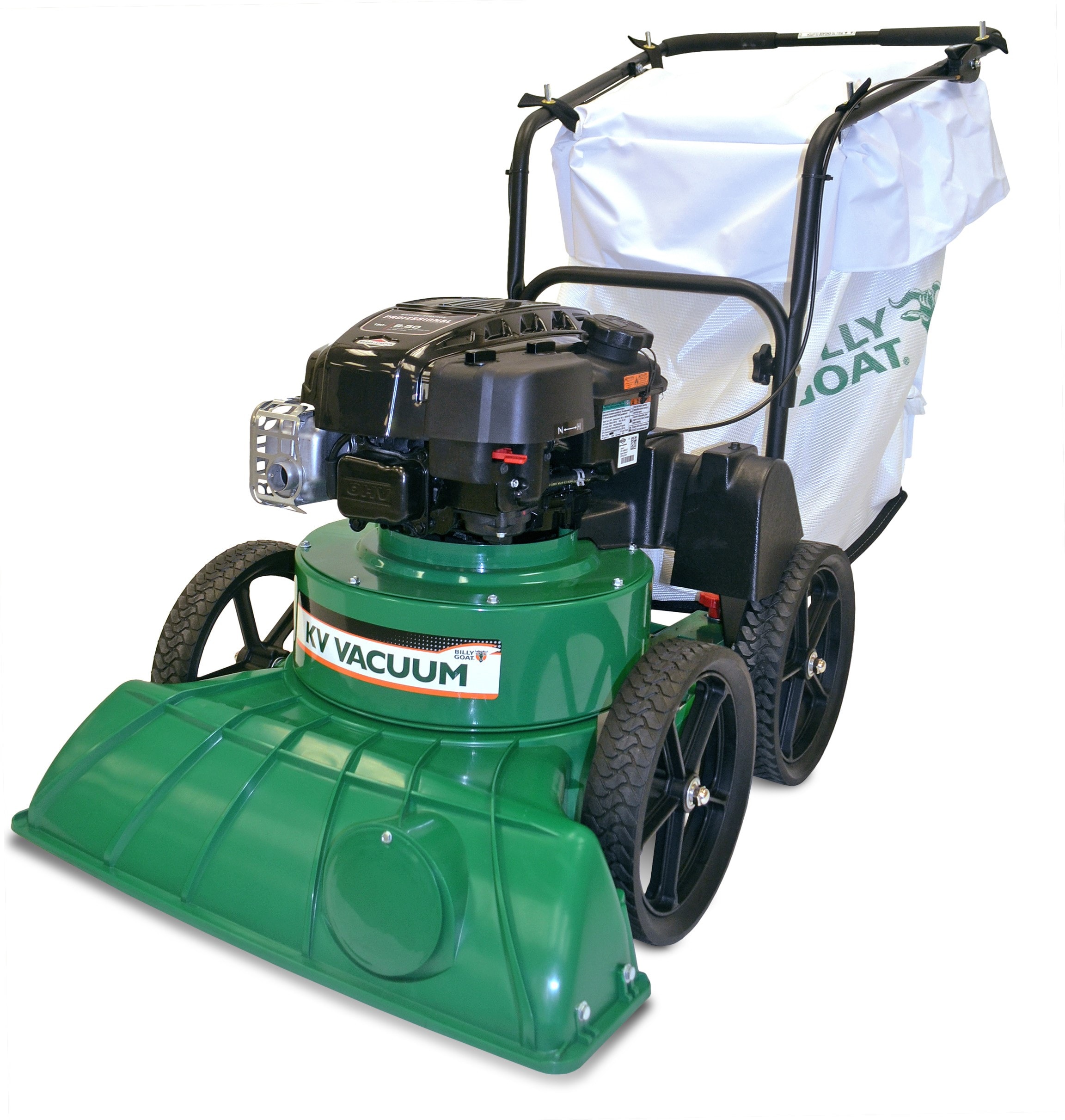
- Walk-behind vacuums for small-to-medium lawns and playgrounds.
- Tow-behind or trailer-mounted models for larger turf areas and fields.
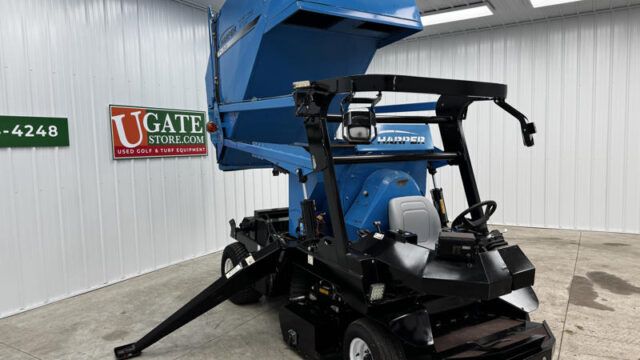
- Truck-mounted industrial vacuums for stadiums and wide commercial sites.
Choosing tips
- For home turf, a walk-behind model is cost-effective and easy to store.
- For fields, choose a tow-behind or truck-mounted unit with adjustable suction and brushes.
- Look for models with replaceable filters and variable brush speeds.
I recommended a tow-behind for a local club I worked with. It balanced power with fuel economy and made weekend cleanups fast. The club’s staff cut maintenance time by more than half after switching from manual tools.
When and how often to use a turf vacuum
Frequency depends on use, location, and climate. High-traffic sports fields need more frequent attention.
General schedule
- High-use sports fields: weekly to monthly.
- Public parks and playgrounds: monthly to quarterly.
- Residential turf: seasonally and after heavy leaf fall or storms.
Signs you need to vacuum sooner
- Visible buildup of leaves, dust, or crumb rubber on the surface.
- Poor drainage or standing water after rain.
- Increased odor from trapped organic matter.
Quick routine for best results
- Remove large litter by hand.
- Adjust the turf vacuum for brush speed and suction.
- Run the vacuum in overlapping passes.
- Inspect infill depth and redistribute if needed.

How to choose the right turf vacuum for your needs
Selecting the right unit is practical. Focus on power, brush configuration, filters, and ease of maintenance.
What to look for
- Adjustable suction and brush speed for delicate turf.
- HEPA or fine filters to capture dust and allergens.
- Easy-to-empty collection bins or sacks.
- Durability and availability of replacement parts.
- Noise level if you work in residential areas.
Budget and ROI
- Small units cost less and suit homeowners.
- Commercial models cost more but save time and prolong turf life.
- Calculate ROI by comparing maintenance hours saved and turf replacement delays.
From my experience, investing in a reliable mid-range model pays off within two seasons for busy fields. Cheaper models often need more repairs and give inconsistent results.
Maintenance and safety tips for turf vacuum operation
Regular maintenance keeps a turf vacuum working well and prevents damage to turf or machine.
Daily and weekly care
- Empty and clean collection bags after each use.
- Check brushes and belts for wear.
- Clean or replace filters regularly to maintain suction.
Safe operating practices
- Test suction on a small patch before wide use.
- Avoid hard-surface scraping to prevent fiber damage.
- Wear hearing protection and eye protection when in loud or dusty environments.
Common mistakes to avoid
- Running too much suction on fragile turf.
- Ignoring filter clogs that reduce effectiveness.
- Using the wrong brush type for your turf pile height.

Environmental and health considerations
Using a turf vacuum has environmental benefits and some caveats. Proper use reduces pollutants and improves safety.
Environmental benefits
- Removes microplastics and loose crumb rubber that can migrate off-site.
- Reduces organic buildup that can produce odors and pests.
Potential concerns
- Vacuuming can mobilize fine dust if filters are poor. Use fine or HEPA filters to protect air quality.
- Disposal of collected infill may need local guidance to avoid landfill issues.
Practical tip: Keep collected infill separate for reuse when possible. This cuts waste and reduces cost.
Personal experience, lessons learned, and practical tips
I’ve cleaned many fields and small lawns with turf vacuums. Here are tested tips you can use right away.
Real-world tips
- Run the machine in the same direction as blade fiber to keep turf upright.
- Use a light rake pass before vacuuming when leaves are wet and clumped.
- Track passes and mark sections to ensure even cleaning and avoid over-working one area.
Lessons learned
- Underpowered units struggle with heavy wet debris. Choose power for your most common conditions.
- Regular, light maintenance beats infrequent deep cleans. It keeps infill even and lowers long-term costs.
- Train staff on settings and maintenance—operator skill matters more than model brand.
Costs, replacement parts, and budget planning
Costs vary widely. Plan for the machine, attachments, and upkeep.
Typical costs
- Handheld and small walk-behind units: low initial cost; simple parts.
- Tow-behind and truck units: moderate to high initial cost; higher repair costs.
- Filters, brushes, and belts: budget 10–20% of the machine cost per year for busy use.
Budgeting tips
- Compare warranties and local service options.
- Factor in fuel or power costs and downtime for repairs.
- Consider rental for occasional jobs instead of buying.
Frequently Asked Questions of What is a turf vacuum used for?
What is the main purpose of a turf vacuum?
A turf vacuum removes loose debris and infill from artificial turf. It helps restore drainage and surface playability.
Can a turf vacuum remove pet hair and waste?
Yes, a turf vacuum is effective at pulling pet hair and small waste particles from the surface. Solid waste still needs to be removed by hand first.
Will vacuuming damage my artificial grass?
If set correctly, a turf vacuum will not damage turf. Use the right brush settings and moderate suction to protect fibers.
How long does a turf vacuuming session take?
Small yards can take 15–45 minutes, while large fields may take hours depending on equipment and crew size. Efficiency improves with routine use.
Do I need special filters for allergen control?
Fine or HEPA filters help trap dust and allergens. They reduce airborne particles during vacuuming and improve air quality.
Conclusion
A turf vacuum is a practical tool for anyone who maintains artificial grass. It removes debris, supports drainage, extends turf life, and saves time. Start by choosing a unit that matches your turf size and debris type, and follow simple maintenance routines to get the best results. Try vacuuming more often in busy seasons, and track performance to see real savings and better playability.
Take action this week: inspect your turf, book a rental or demo of a turf vacuum if you’re unsure, or schedule a cleaning pass to see immediate improvements. Share your experience or questions below — I’ll help you pick the right setup.

