

Yes — standing desks can reduce sitting time, but they work best as part of a clear plan.
I’ve studied workplace health and used a standing desk for years, so I’ll walk you through the evidence, practical tips, and limits of standing desks. This guide explains how standing desks reduce sitting time, how much change you can expect, and how to use them without trading one problem for another. Read on for clear steps, real-life lessons, and actionable routines that help you sit less and move more.

Why reduce sitting time matters
Sitting for long periods links to higher risks of heart disease, diabetes, and low mood. Even people who exercise can face these risks if they sit most of the day. Reducing sitting time is about adding movement and breaking long, static stretches of inactivity.
Key reasons to reduce sitting time:
- Lower risk of metabolic problems and poor circulation.
- Reduced stiffness and less lower-back pain for many people.
- Improved alertness and mood through more frequent movement.
Can standing desks help reduce sitting time? They can be a tool to cut long sitting blocks and make movement easier. They are not a cure-all, but they often change daily habits in helpful ways.

Source: greensoul.online
What are standing desks?
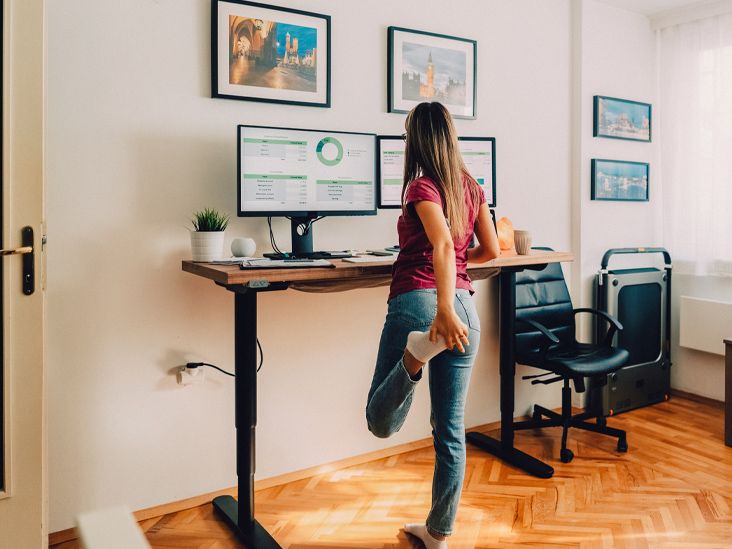
Standing desks let you work while standing or alternate between sitting and standing. They come in several styles and price points.
Common types:
- Manual height-adjustable desks with a hand crank.
- Electric desks that raise and lower at the push of a button.
- Converter platforms that sit on top of a regular desk and can be raised.
- Treadmill desks that combine light walking and work.
Features to consider:
- Smooth height range that fits your body.
- Stable surface to avoid wobble while typing.
- Memory presets for quick adjustments.
- Surface area for monitor(s) and ergonomic setup.
Can standing desks help reduce sitting time? Choosing the right type makes switching easier and more likely to stick.
Source: healthline.com
Can standing desks help reduce sitting time?
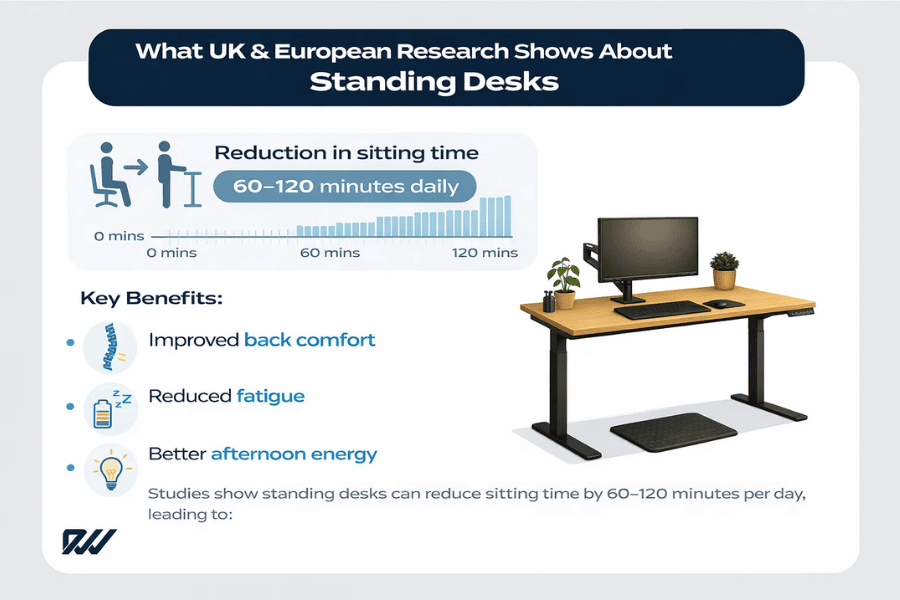
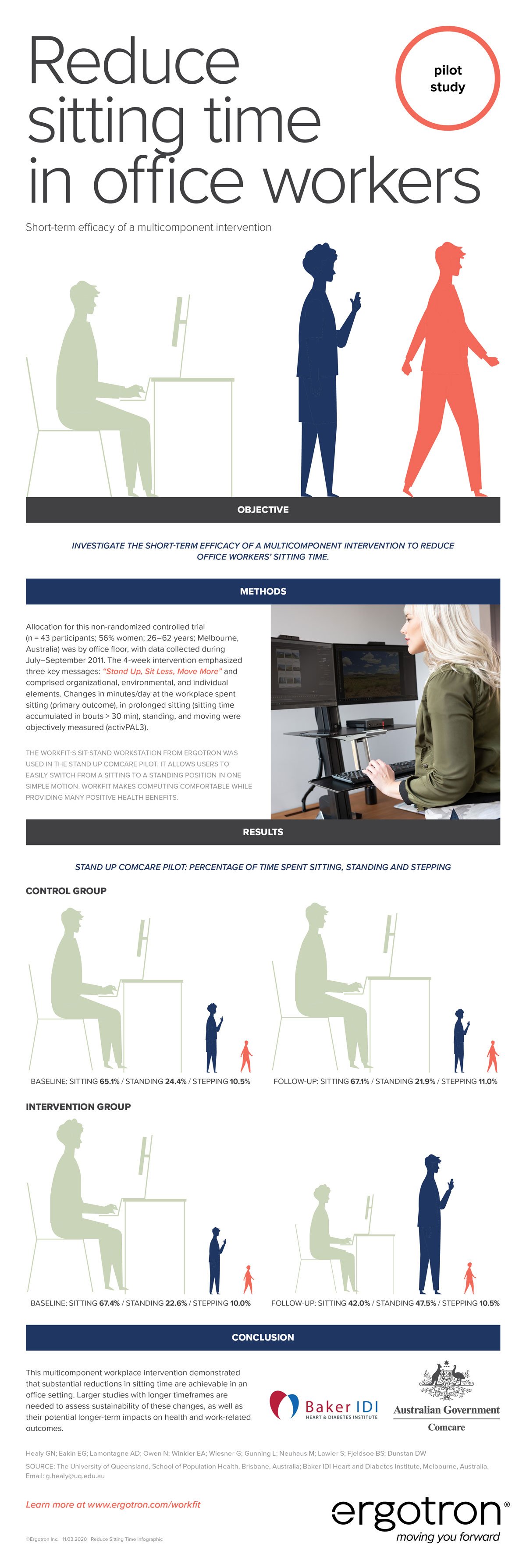
Short answer: yes, standing desks can reduce sitting time when used intentionally. Studies and workplace programs show that adjustable desks typically cut sitting time by 60 to 120 minutes per day for many users. The effect varies by worker, job type, and how the desk is used.
How they help:
- They remove the “all-or-nothing” barrier to standing. If standing is easy, people try it.
- They create natural prompts to change posture and break long sitting sessions.
- They pair well with reminders, sit-stand schedules, and team policies.
Factors that affect results:
- Job demands and meeting culture. If meetings are always seated, gains are smaller.
- Personal habits and comfort. Some people need training and reminders.
- Workplace support. Manager buy-in and clear encouragement improve outcomes.
PAA-style question 1: Will a standing desk alone fix health risks from sitting?
- A standing desk helps, but it’s one part of a broader plan that should include movement, breaks, and exercise.
PAA-style question 2: How much sitting time can I realistically cut with a standing desk?
- Many people reduce sitting by one to two hours per day when they use a sit-stand desk and follow a routine.
Can standing desks help reduce sitting time? Yes—especially when combined with behavior changes, prompts, and good ergonomics.

Source: co.uk
How to use a standing desk effectively
A standing desk must be used right to help reduce sitting time and avoid new problems. Keep routines simple and short.
Start-up steps:
- Set up screen at eye level and keyboard at elbow height.
- Wear supportive shoes or use a soft mat if needed.
- Alternate between sitting and standing in small blocks.
Simple sit-stand routine:
- Work sitting for 25–30 minutes, then stand for 5–10 minutes.
- Gradually increase standing to 15–30 minutes every hour as comfort grows.
- Use timers or apps to remind you to change positions.
Practical tips:
- Move every 30 minutes: stand, walk to water, or do light stretches.
- Combine standing with walking breaks for more activity.
- Adjust desk height before a focused task to avoid fidgeting.
Can standing desks help reduce sitting time? Using a clear plan and gentle progression makes reductions stick.
Source: remtekworkplace.com
Benefits beyond reduced sitting time
Standing desks can provide benefits that go beyond less sitting.
Common benefits:
- Slight improvements in energy and focus for many users.
- Reduced lower-back discomfort for people who alternate positions.
- Promotion of better posture when set up correctly.
Other positive outcomes:
- More incidental movement during calls or light tasks.
- Team culture shifts toward more active breaks and standing meetings.
- Small metabolic boosts from standing versus prolonged sitting.
Can standing desks help reduce sitting time? Yes, and they often unlock these related gains when used properly.
Source: ergotron.com
Limitations and risks
Standing all day is not the goal. Standing desks have limits and can cause harm if used incorrectly.
Main limitations:
- Standing too long can strain feet, legs, and lower back.
- Poor ergonomics while standing can worsen posture and discomfort.
- Behavioral drift: some people return to old sitting habits without reminders.
Risks to watch:
- Varicose veins and joint stress if standing without breaks.
- Fatigue and decreased concentration if standing is excessive.
- False confidence that a desk alone solves sedentary health risks.
How to avoid problems:
- Alternate positions, use a mat, and wear shoes with support.
- Prioritize movement and cardio outside of work hours.
- Track sitting time to ensure real reductions.
Can standing desks help reduce sitting time? Yes, but you must manage these risks.

Source: co.uk
Personal experience and lessons learned
I switched to a sit-stand desk three years ago. My sitting time dropped by about 90 minutes per day after I used timers and a 30/10 routine. At first I stood too long and got tired feet. I fixed that by using a soft mat and building gradual increases.
Lessons I learned:
- Start slow and be consistent. Small wins add up.
- Use a timer and log daily standing minutes for accountability.
- Pair a desk with short walks and stretches to maximize benefit.
Mistakes to avoid:
- Standing for hours without moving.
- Ignoring ergonomics when raising the desk.
- Thinking the desk alone will solve all health concerns.
Can standing desks help reduce sitting time? From my experience, they can—if you use them with a plan.
Frequently Asked Questions of Can standing desks help reduce sitting time?
What is the best sit-stand schedule to reduce sitting time?
Try a 30 minutes sitting and 10 minutes standing pattern, or use 25/5 Pomodoro cycles and stand during one or two breaks each hour. Adjust based on comfort and workflow.
Do standing desks burn a lot more calories than sitting?
Standing burns a few more calories than sitting but not a large amount. The real benefit comes from adding walking and regular movement.
Can standing desks reduce back pain?
Many people report less lower-back pain when they alternate positions and use correct ergonomics. Results vary, and physical therapy may still be needed.
Will standing desks improve productivity?
Some users feel more alert and focused when standing for short periods; others do better seated. Experiment to see what suits your tasks and peak focus times.
Are standing desks worth the investment?
For many workers, adjustable desks are worth it because they reduce sitting time and encourage movement. Value depends on usage and setup quality.
How quickly will I see health benefits from reduced sitting time?
You may notice more energy and less stiffness within days. Long-term metabolic and cardiovascular benefits require consistent behavior changes over months.
Conclusion
Standing desks can reduce sitting time when used intentionally, set up correctly, and paired with movement habits. They are a practical tool, not a quick fix. Start with short standing intervals, use timers, and add simple walks and stretches. Track your progress and adjust as needed.
Take action today: try a 7-day sit-stand experiment, note how much sitting time you lose, and share what works for you. If this guide helped, leave a comment or subscribe for more tips on healthier work habits.

