

A lawn sweeper removes grass clippings, leaves, seeds, and light debris to keep lawns tidy.
I have worked with lawn tools for years and tested many machines. I will explain clearly what a lawn sweeper is for, how it works, and when to use one. This guide covers uses, types, real-life tips, and mistakes to avoid so you can choose and use a lawn sweeper with confidence.
How a lawn sweeper works
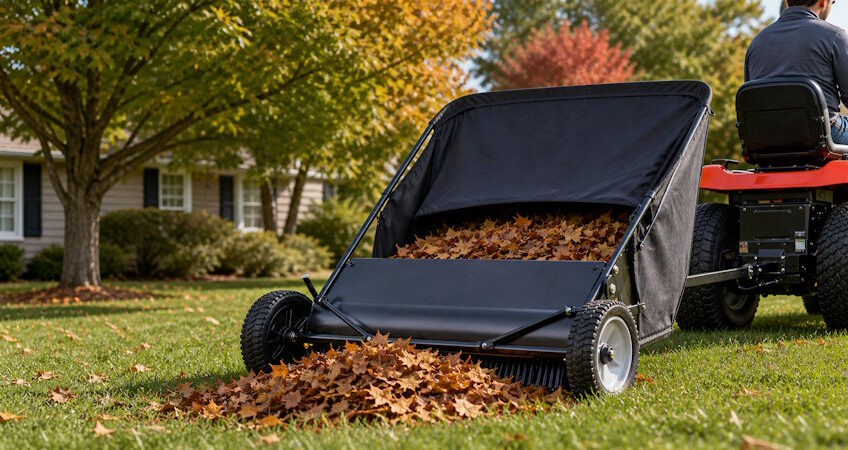
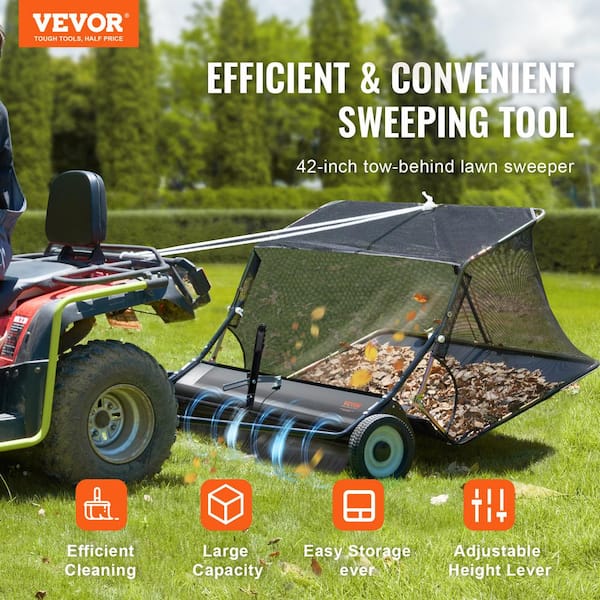
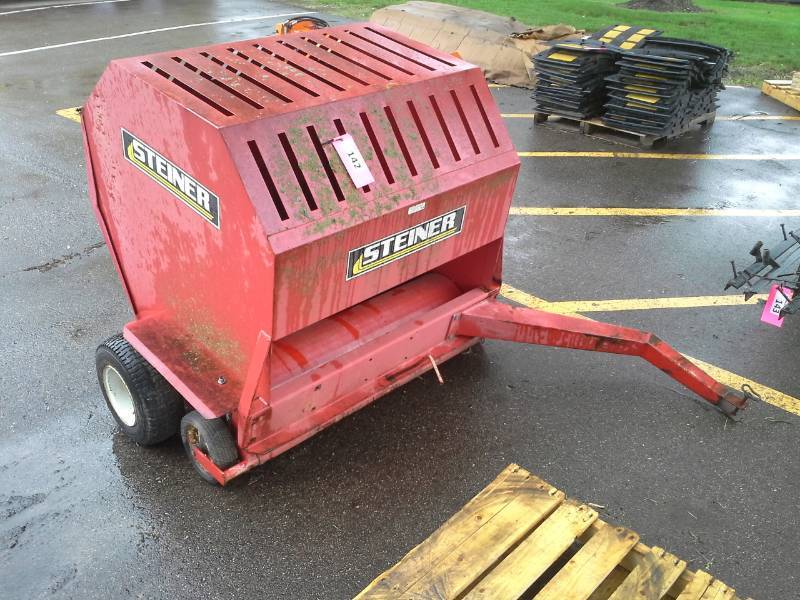
A lawn sweeper is a simple mechanical tool. It uses rotating brushes to lift debris from grass and deposit it into a hopper. Some models are push-behind; others are tow-behind for a lawn tractor. Power sweepers use a small engine or electric motor to spin brushes faster for bigger jobs.
Key parts of a lawn sweeper:
- Hopper where debris collects
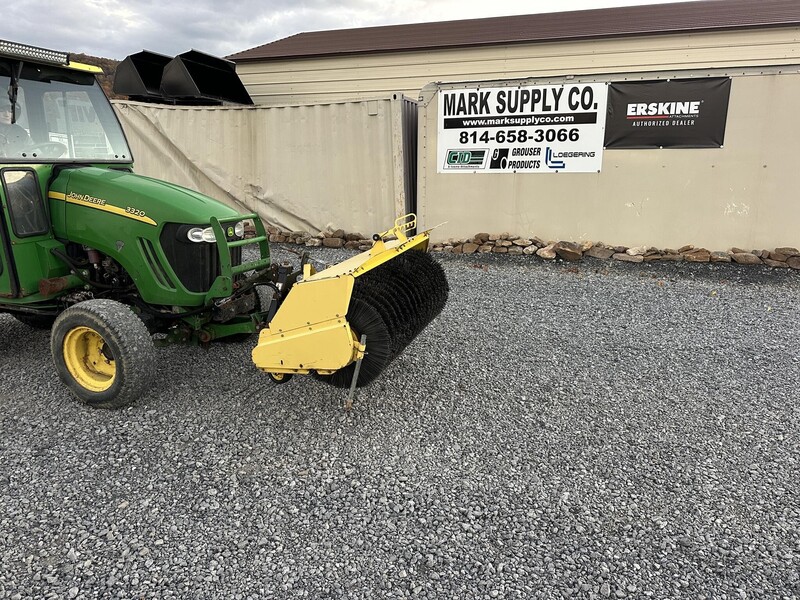
- Rotary brushes that sweep material up
- Height adjustment to match grass length
- Drive or PTO link for tow models
The brushes touch the turf lightly. They avoid scalping when adjusted right. Many homeowners find a lawn sweeper faster than raking for large yards. What is a lawn sweeper used for? It clears leaves, thatch fragments, grass clippings, pine needles, and small twigs quickly.
Main uses and benefits
A lawn sweeper is used for several yard tasks. It saves time and reduces back strain compared to raking. It helps lawns look neat after mowing and prepares yards for overseeding or fertilizing.
Primary benefits:
- Removes leaves without piling them manually
- Collects grass clippings left after mowing
- Clears seed heads and small debris before mulching
- Helps reduce thatch buildup by picking up loose material
- Speeds cleanup after storms or fall leaf drop
Using a lawn sweeper regularly also improves lawn health. Removing debris lets sunlight and water reach soil better. That reduces disease risk in dense leaf cover. In my own yard, weekly sweeping in fall cut cleanup time by two-thirds. What is a lawn sweeper used for? Mainly for fast, efficient debris removal and better lawn care outcomes.

Types of lawn sweepers and how to choose
There are several types to match yard size and needs. Choose by yard area, debris type, and budget.
Common types:
- Push lawn sweepers for small yards and light debris
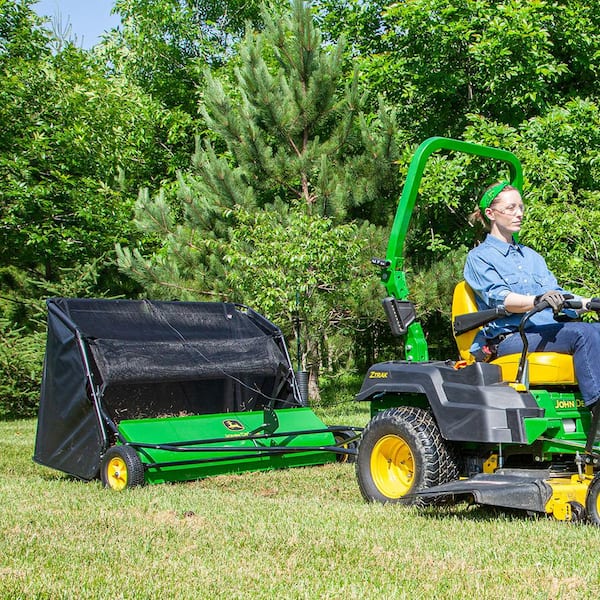
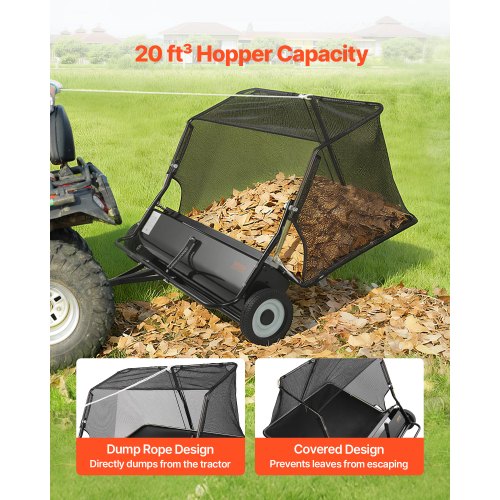
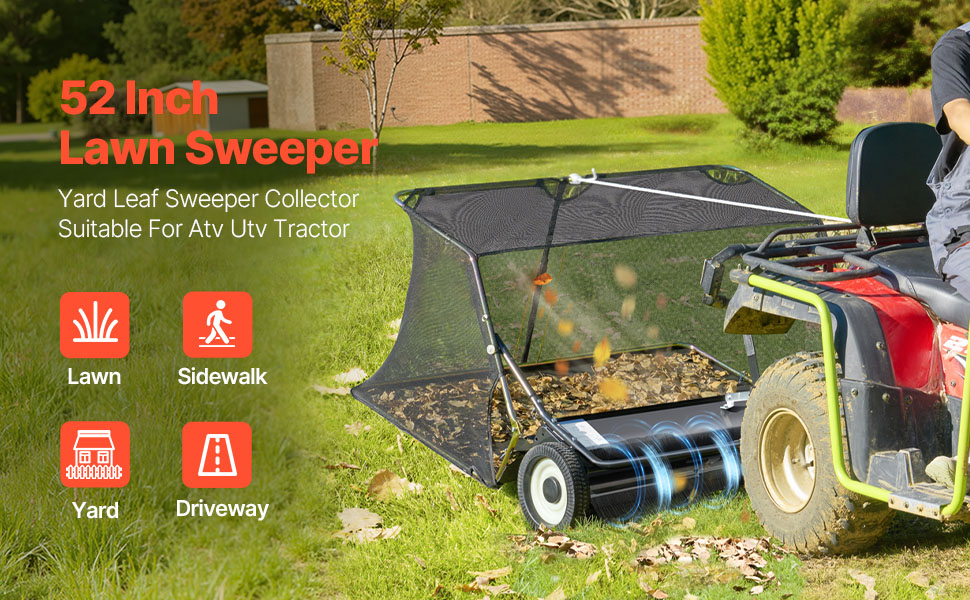
- Tow-behind lawn sweepers that attach to mowers or tractors for medium to large yards
- Power or electric lawn sweepers with motors for heavy leaves and wet material
- Handheld or battery models for spot cleanup around landscaping
How to choose:
- Pick a push sweeper for a small lawn under 1/4 acre
- Choose a tow-behind for 1/4 acre or larger
- Select a power sweeper if you have heavy, wet leaves or frequent storms
- Look at hopper capacity and brush width to save passes
I once used a tow-behind model on a 1-acre yard. The hopper size cut trips to the compost pile by half. Pay attention to build quality and replaceable brushes. What is a lawn sweeper used for? Selecting the right type makes the job efficient and prevents frustration.
When to use a lawn sweeper (timing and seasonal tips)
Timing affects results. For best performance, sweep at the right times.
Best times to use:
- After mowing to collect leftover clippings
- In fall when leaves start to accumulate
- In spring to remove winter debris and seed heads
- After storms to clear scattered twigs and leaves
Avoid using when material is soaking wet. Wet leaves clump and clog the hopper. Lightly damp conditions can still work if brushes are strong. I learned this after trying to sweep wet maple leaves; the hopper filled quickly and the brushes clogged. What is a lawn sweeper used for? It works best on dry to slightly damp debris for consistent pickup.
Maintenance, setup, and practical tips
Taking care of your sweeper keeps it working well. Simple maintenance extends life and improves pickup.
Routine care:
- Empty the hopper promptly to avoid rotting debris
- Inspect and replace brushes when worn
- Lubricate wheel bearings and pivot points yearly
- Store in a dry place to prevent rust and mold
Setup tips:
- Adjust brush height so bristles touch but don’t dig into soil
- Slow down your mowing or towing speed for better pickup
- Make overlapping passes for full coverage
- Test on a small area to dial in settings before sweeping the whole yard
Practical tip from my experience: mark brush height settings with a small tape or notch after you find the sweet spot. It saves time next season. What is a lawn sweeper used for? Regular maintenance and correct setup make it highly reliable and efficient.
Common problems and limitations
A lawn sweeper is not perfect for every situation. Knowing limits prevents wasted effort.
Limitations to expect:
- Poor performance on wet, heavy leaf piles
- Difficulty picking up large sticks or thick branches
- Not a replacement for dethatching machines when thatch is compacted
- May miss debris close to fences or garden beds, requiring a trimmer or rake
- Slow the tow speed to improve pickup
- Empty hopper more often on heavy loads
- Replace brushes with stiffer bristles for pine needles or wet material
What is a lawn sweeper used for? It excels at light-to-moderate debris removal but struggles with heavy or wet piles. Be realistic about tasks and pair it with other tools when needed.
Quick PAA-style questions
Q: How often should I use a lawn sweeper?
A: Use it weekly during heavy leaf fall and after mowing seasons. For minimal leaves, once every two weeks or monthly works.
Q: Can a lawn sweeper pick up wet leaves?
A: Wet leaves are harder to pick up and can clog the hopper. Wait for drier conditions for best results.
Q: Is a lawn sweeper better than raking?
A: A lawn sweeper is faster and less strenuous for larger lawns. Raking can still be useful along edges and tight spots.
Frequently Asked Questions of What is a lawn sweeper used for?
What is a lawn sweeper used for in simple terms?
A lawn sweeper is used to collect leaves, grass clippings, seeds, and light debris from lawns. It speeds cleanup and reduces manual raking.
Can a lawn sweeper replace a leaf blower?
A lawn sweeper complements a leaf blower but does not fully replace it. Use a blower for tight spaces and the sweeper for collecting and hauling debris.
How do I know what size lawn sweeper I need?
Choose size by yard area and debris volume: push models for small yards, tow-behind for larger properties. Check brush width and hopper capacity for efficiency.
Will a lawn sweeper damage my grass?
Properly adjusted brushes should not damage grass. Set brush height so bristles touch lightly and avoid operating on very brittle or wet turf.
Is a lawn sweeper worth the cost?
For medium to large lawns, it saves time and effort, making it worth the cost for many homeowners. Small yard owners might prefer manual rakes or leaf blowers.
Can I use a lawn sweeper for garden beds?
A lawn sweeper is not ideal for garden beds because it can pull mulch and disturb plants. Use it on lawn surfaces and a hand tool for beds.
Conclusion
A lawn sweeper is a practical, time-saving tool for removing leaves, clippings, and light debris. It improves lawn health and reduces manual labor when matched to your yard size and conditions. Test settings, do basic maintenance, and pair the sweeper with a blower or rake for best results. Try sweeping next season and notice how much faster cleanup goes; subscribe or comment with your experience and questions.

