

A canister vacuum cleaner is a two-part vacuum with strong suction and flexible reach for floors, stairs, and tight spaces.
A canister vacuum cleaner is one of those tools that seems simple until you actually use one in a busy home. Once you understand how a canister vacuum cleaner works, you can see why many people choose it for deep cleaning, mixed floor types, and hard-to-reach spots. In this guide, I’ll break down what a canister vacuum cleaner is, how it compares with other vacuums, where it shines, where it falls short, and how to pick the right one for your home.

What is a canister vacuum cleaner?
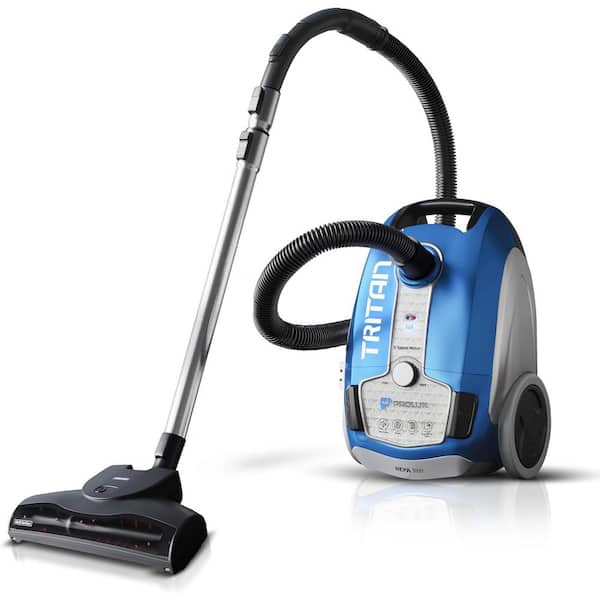
A canister vacuum cleaner is a vacuum with two main parts: a wheeled body that holds the motor and dust bin or bag, and a long hose with a cleaning wand and floor head. The body stays on the floor while you move the hose and attachments around the room. That design gives a canister vacuum cleaner more flexibility than many upright models.
In simple terms, think of it like a small cleaning cart with a powerful engine. The canister vacuum cleaner pulls in dust, dirt, pet hair, and debris through the hose, then traps it in a bag or bin. Many models also come with special tools for upholstery, drapes, stairs, corners, and delicate surfaces.
From my own experience testing vacuums in homes with both carpet and hard floors, the canister vacuum cleaner often feels easier to handle in tight spaces. It can be less tiring on the wrists and arms, especially when you need to clean under furniture or move from room to room.
How a canister vacuum cleaner works
A canister vacuum cleaner uses suction from a motor inside the canister body. Air and debris travel through the hose, pass through filters, and end up in a dust bag or dust bin. Cleaned air then exits through the exhaust system.
Most canister vacuum cleaner models include these parts:
- Motor unit: Creates suction
- Hose: Carries dirt and dust to the canister
- Wand: Extends reach
- Floor nozzle: Cleans carpets, rugs, or hard floors
- Attachments: Help with stairs, furniture, and corners
- Filters: Trap fine dust and allergens
- Bag or bin: Holds collected debris
The cleaning head may be powered by suction only or by a motorized brush roll. A motorized brush is useful on carpet because it loosens dirt embedded in fibers. On hard floors, a softer brush or bare-floor head is often the better choice.
Canister vacuum cleaner vs upright vacuum
A canister vacuum cleaner and an upright vacuum both clean well, but they are built for different jobs. The best choice depends on your flooring, layout, and comfort preferences.
Here’s the basic difference:
- Canister vacuum cleaner: Better flexibility, easier reach, often better for stairs and mixed surfaces
- Upright vacuum: Faster for large carpeted areas, simpler to store, often more intuitive for quick cleaning
A canister vacuum cleaner is usually easier to steer around furniture because the hose and wand do the work. An upright vacuum keeps everything in one unit, which can feel more convenient on big open carpeted spaces. If you live in a home with stairs, area rugs, hardwood, and tight corners, a canister vacuum cleaner may be the smarter fit.
Main types of canister vacuum cleaner models
Not all canister vacuum cleaner models are the same. The design can vary based on suction style, filtration, and floor tool.
Bagged canister vacuum cleaner
A bagged canister vacuum cleaner collects dirt in a sealed bag. This helps reduce dust exposure when you throw the bag away, which is great for allergy-sensitive homes.
Pros include:
- Cleaner disposal
- Often better odor control
- Good for people with allergies
Cons include:
- You need replacement bags
- Ongoing cost
Bagless canister vacuum cleaner
A bagless canister vacuum cleaner stores dirt in a reusable dust bin. You empty the bin when it fills up.
Pros include:
- No bags to buy
- Easy to see when it is full
- Convenient for frequent use
Cons include:
- More dust may escape when emptying
- Filters may need more frequent cleaning
Corded canister vacuum cleaner
A corded canister vacuum cleaner offers steady suction and longer cleaning sessions. It is a strong choice if you want reliable power without worrying about battery life.
Cordless canister vacuum cleaner
A cordless canister vacuum cleaner exists in some modern designs, though it is less common. It is handy for light cleaning, but runtime may be limited compared with corded versions.
What a canister vacuum cleaner is best for
A canister vacuum cleaner is especially useful in homes with mixed surfaces and lots of obstacles. It handles many cleaning tasks well because the hose and wand give you more control.
It is often best for:
- Hardwood floors
- Tile and laminate
- Area rugs
- Stairs
- Under beds and sofas
- Curtains and upholstery
- Pet hair on furniture
- Tight corners and baseboards
I’ve found that a canister vacuum cleaner can feel like using a painter’s brush instead of a roller. The roller is great for big walls, but the brush gives you control where detail matters. That same idea applies here.
Benefits of a canister vacuum cleaner
A canister vacuum cleaner offers several real-world advantages, especially in homes that need flexibility.
Better maneuverability
Because the motor sits in a separate body, the cleaning head can feel lighter and easier to move. This makes a canister vacuum cleaner a strong option for people who dislike pushing a heavy upright.
Strong cleaning reach
A canister vacuum cleaner is great for places that are hard to clean with a bulky machine. Long hoses and extension wands help you clean stairs, shelves, vents, and furniture.
Good for multiple floor types
Many canister vacuum cleaner models are designed to switch between carpet and hard floors. That makes them practical for modern homes where flooring changes from room to room.
Often quieter than uprights
Some canister vacuum cleaner models run at a lower noise level than many upright vacuums. That can matter if you clean while kids nap or if you share walls with neighbors.
Better for detailed cleaning
If you care about baseboards, vents, corners, and upholstery, a canister vacuum cleaner usually gives you more control. It is the kind of tool that helps with the “stuff around the room,” not just the center of the floor.
Limitations of a canister vacuum cleaner
A canister vacuum cleaner is not perfect for every household. Knowing the trade-offs helps you avoid buying the wrong tool.
Common limitations include:
- More parts to carry and store
- Hose can feel awkward at first
- Some models take up more storage space
- Higher-quality models can cost more
- Bagged versions need ongoing bag purchases
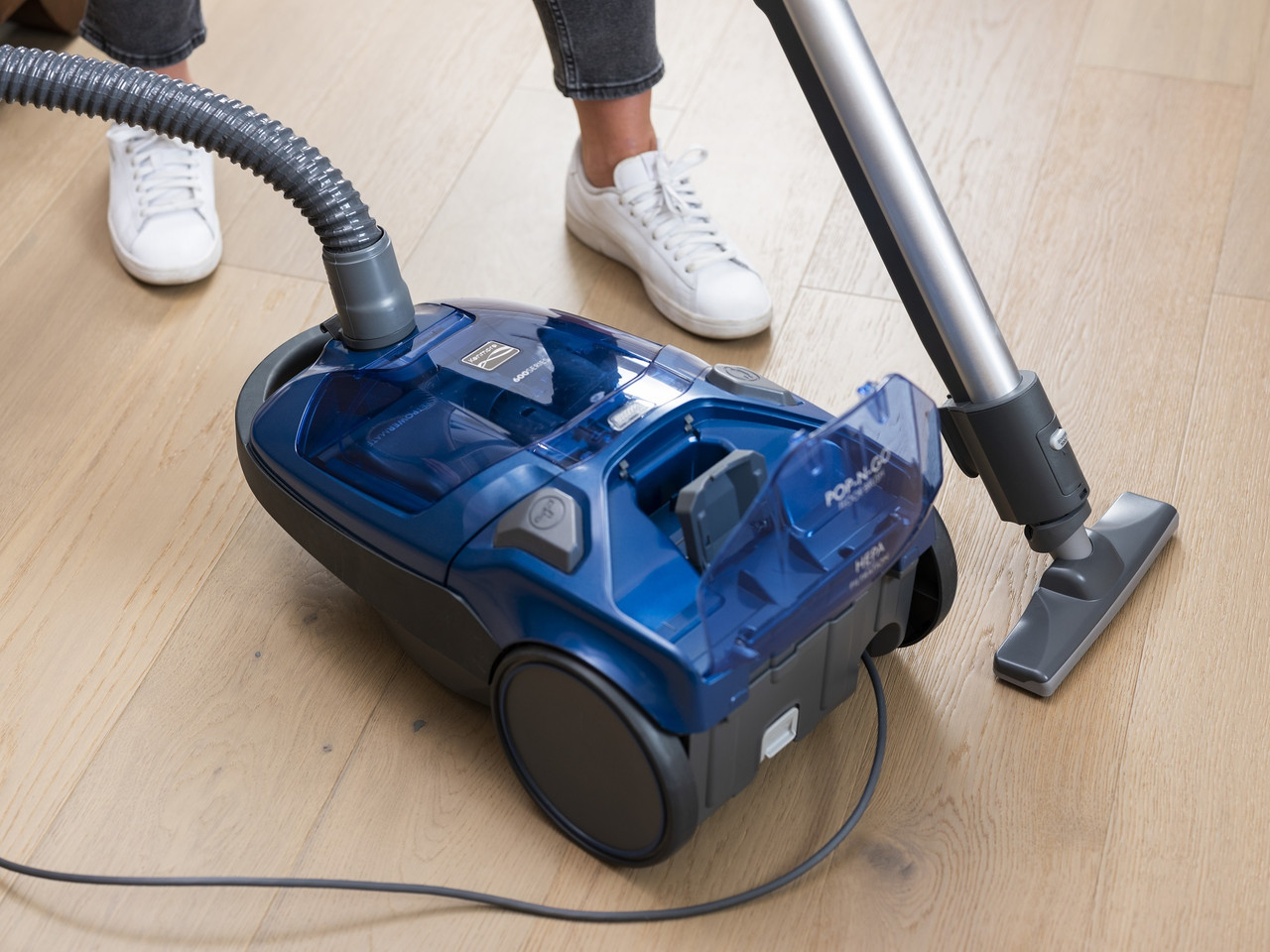
In my experience, the biggest learning curve is handling the hose and canister together. If you rush, the body can bump furniture or snag on rugs. Once you get used to guiding the canister behind you, though, it becomes much easier.
How to choose the right canister vacuum cleaner
Choosing the right canister vacuum cleaner comes down to your home, your floors, and your cleaning habits. A thoughtful choice saves money and frustration.
Look for these features:
- Strong suction: Important for carpets, pet hair, and deep dirt
- Floor switch or adjustable head: Useful for switching between carpet and hard floors
- HEPA filtration: Helpful for allergy concerns and fine dust
- Bagged or bagless design: Choose based on convenience and dust control
- Weight and wheel quality: Matters if you have stairs or multiple rooms
- Cord length or battery life: Affects how far you can clean without stopping
- Attachments: Crevice tool, dusting brush, and upholstery tool add value
A simple rule I use is this: if a canister vacuum cleaner feels easy to roll, easy to steer, and easy to empty, you are more likely to use it often. The best vacuum is not just the most powerful one. It is the one you will actually enjoy using.
Best cleaning tips for a canister vacuum cleaner
A canister vacuum cleaner works best when you use the right technique. Small habits can improve results and help the machine last longer.
Try these tips:
- Start with the farthest room and work back toward the exit
- Use the right head for the floor type
- Empty or replace the bin or bag before it gets too full
- Clean filters on schedule
- Check the hose for clogs if suction drops
- Use attachments for corners, vents, and upholstery
- Move slowly on carpet so the vacuum has time to lift dirt
One mistake I often see is people treating a canister vacuum cleaner like a quick grab-and-go tool without using the attachments. That’s a missed opportunity. The extras are often what make the machine worth buying in the first place.
Common uses for a canister vacuum cleaner in everyday homes
A canister vacuum cleaner fits many daily cleaning jobs. It is not just for deep cleaning day.
You can use it for:
- Weekly floor cleaning
- Pet hair removal from couches and chairs
- Stair cleaning
- Dusting blinds and vents with the right brush
- Cleaning under low furniture
- Vacuuming cars with compact attachments
For apartment living, a canister vacuum cleaner can be a smart pick because it stores well and handles small spaces nicely. For larger homes, it works well when you want a machine that can move from room to room without losing versatility.
What to know about filtration and allergies
If you have allergies, filtration matters a lot in a canister vacuum cleaner. Good filtration helps keep fine dust, pollen, and pet dander from going back into the air.
A HEPA filter is commonly recommended for homes that need cleaner exhaust air. Bagged canister vacuum cleaner models can also help because the dirt is sealed when removed. According to common indoor air quality guidance, reducing dust exposure matters most when cleaning can stir particles back into the room.
That said, no vacuum is magic. Even a strong canister vacuum cleaner works best when you maintain the filters, replace worn parts, and empty it before it overfills.
Canister vacuum cleaner maintenance basics
A canister vacuum cleaner lasts longer when you care for it regularly. Maintenance is simple, but it makes a big difference.
Basic upkeep includes:
- Empty the bin or replace the bag on time
- Wash or replace filters as directed
- Inspect the hose for clogs
- Check the brush head for tangled hair
- Wipe down the wand and exterior
- Replace worn belts or brushes if your model uses them
A neglected canister vacuum cleaner slowly loses performance. The machine may still run, but suction often drops, and the cleaning head may stop working as well. A few minutes of care can save you from a disappointing clean later.
Who should buy a canister vacuum cleaner?
A canister vacuum cleaner is a strong choice for people who want flexibility and detailed cleaning. It is especially useful if your home has stairs, mixed flooring, or lots of furniture.
It may be a great fit if you:
- Have hardwood and carpet in different rooms
- Need to clean stairs often
- Deal with pet hair on furniture
- Want easier reach under beds and sofas
- Care about attachments and detailed cleaning
- Prefer lighter handling over pushing a heavy upright
If your home is mostly wall-to-wall carpet and you want quick, simple cleaning, an upright may still be easier. But if you want one vacuum that can do many jobs well, a canister vacuum cleaner is hard to beat.
Frequently Asked Questions of What is a canister vacuum cleaner?
What is a canister vacuum cleaner used for?
A canister vacuum cleaner is used for cleaning floors, stairs, furniture, and tight spaces. It is especially helpful when you need flexible reach and strong suction.
Is a canister vacuum cleaner better than an upright?
A canister vacuum cleaner is better for stairs, hard floors, and detailed cleaning. An upright is often better for large carpeted areas because it is faster to push across open spaces.
Are canister vacuum cleaners good for pet hair?
Yes, many canister vacuum cleaner models are very good for pet hair, especially on upholstery, rugs, and stairs. Models with a motorized brush and strong suction usually perform best.
Do canister vacuum cleaners work on carpet?
Yes, a canister vacuum cleaner can work very well on carpet if it has the right floor head or brush roll. For thick carpet, make sure the model is designed to agitate fibers and lift embedded dirt.
Are canister vacuum cleaners good for allergies?
A canister vacuum cleaner can be a good choice for allergies, especially if it has HEPA filtration and a sealed bagged design. These features help trap fine dust instead of sending it back into the air.
Conclusion
A canister vacuum cleaner is a flexible, powerful cleaning tool built for homes that need more than basic floor cleaning. It stands out because it handles hard floors, carpets, stairs, furniture, and tight corners with ease. If you choose the right model and maintain it well, a canister vacuum cleaner can make everyday cleaning feel lighter and more effective.
If you are comparing vacuum styles, think about your floors, your storage space, and the kind of cleaning you do most often. The best choice is the one that fits your home and makes cleaning less of a chore. Explore more guides, compare features carefully, and leave a comment with the rooms or surfaces you want to clean most often.


6 Comments
Pingback: How Do You Clean A Canister Vacuum: Easy Steps - Vacuum Cleaner Tips
Pingback: How Do You Clean A Canister Vacuum Filter: Easy Steps - Vacuum Cleaner Tips
Pingback: How Often Should You Clean A Canister Vacuum Filter: SEO Guide - Vacuum Cleaner Tips
Pingback: How Often Should You Change A Canister Vacuum Bag: Expert Guide - Vacuum Cleaner Tips
Pingback: Can You Wash A Canister Vacuum Filter: Easy Guide - Vacuum Cleaner Tips
Pingback: How Often Should You Replace A Canister Vacuum Belt: Expert Guide - Vacuum Cleaner Tips