

A turf vacuum pulls debris and infill from artificial turf by combining agitation, suction, and collection.
I’ve worked with grounds crews and turf care pros for years, and I’ll explain clearly how does a turf vacuum work? This article breaks the process down into simple steps, shows the main parts, covers when to use one, and shares hands-on tips from my experience so you can decide if a turf vacuum fits your maintenance routine.

How does a turf vacuum work? — The basics
How does a turf vacuum work? At its core, a turf vacuum uses a power source to create airflow that lifts loose debris, infill, and small particles from the turf surface into a collection system. Most models combine agitation (to loosen compacted material), a suction head or nozzle (to pick up loosened material), and a hopper or bag (to store collected debris). The process is similar to a shop vacuum, but the design and power are tuned for turf and infill materials.
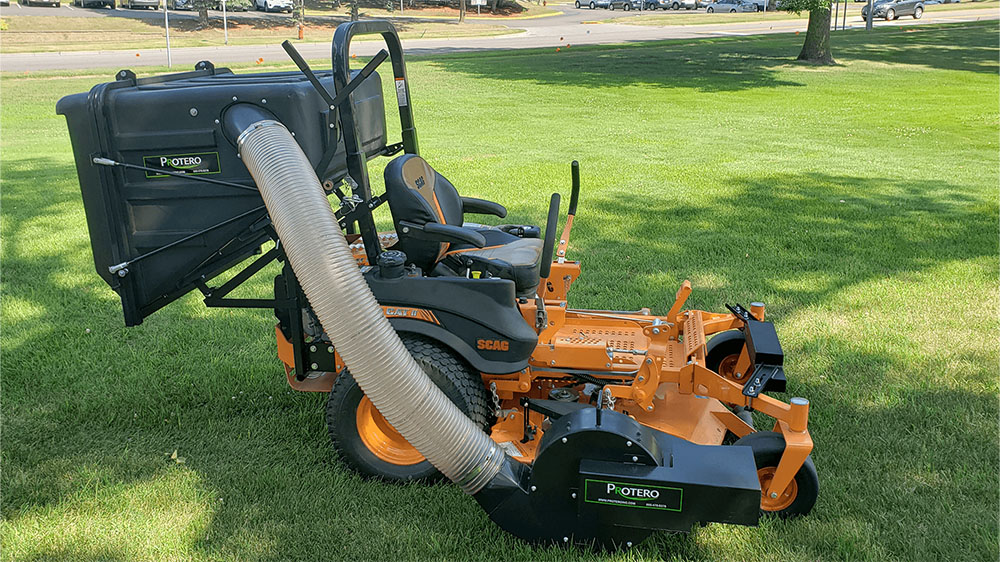
Key components explained
How does a turf vacuum work? The big picture comes down to a few key parts:
- Suction unit: Creates the airflow and suction pressure that pulls material off the turf.
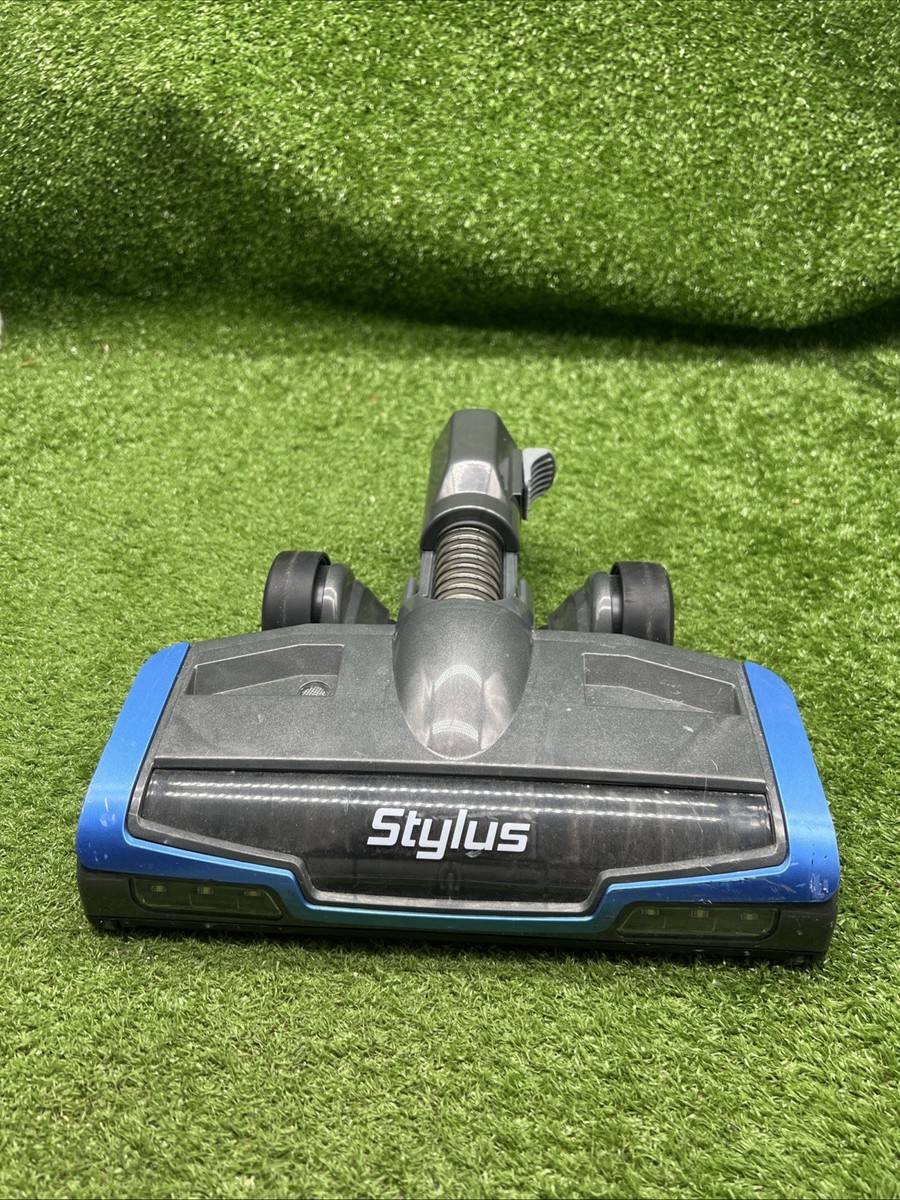
- Agitation or brush system: Loosens compacted infill and trapped debris so suction can reach it.
- Collection hopper or bag: Traps and holds the removed material for disposal.
- Filtration and separators: Prevent fine dust and particles from clogging the motor and improve air quality.
- Power source and controls: Electric, hydraulic, or engine-driven motors with adjustable suction and brush speed.
These parts work together in sequence. In my field tests, machines with adjustable suction and variable brush speed delivered the best balance of infill control and turf protection.

Types of turf vacuums and what each does best
How does a turf vacuum work? There are several types you’ll encounter:
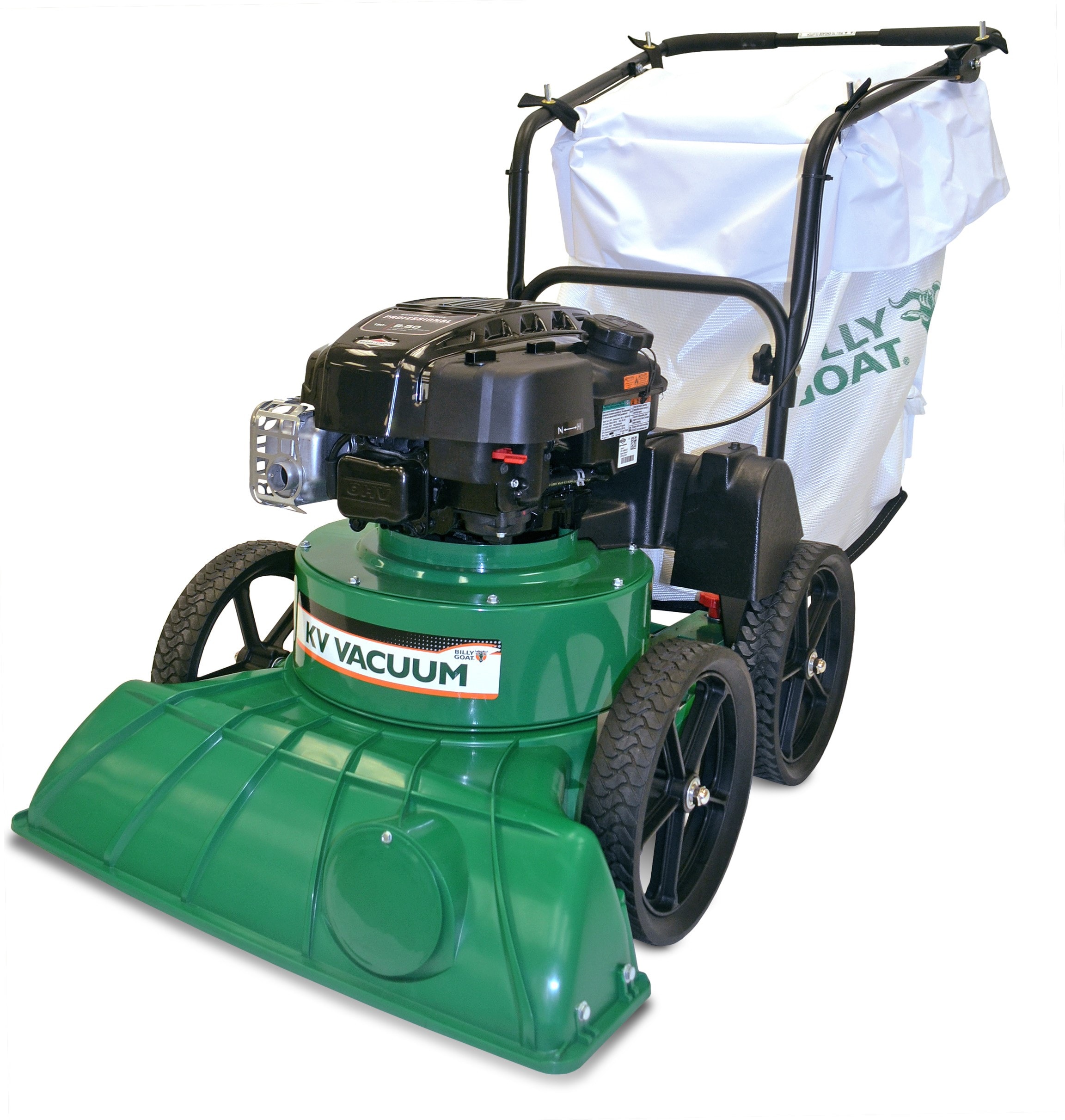
- Walk-behind vacuums: Lightweight and good for small fields and tight spots.
- Tow-behind units: Attach to tractors or utility vehicles; ideal for medium to large areas.
- Ride-on machines: High-capacity and fast for stadiums or full-size sports fields.
- Handheld and spot cleaners: For small, targeted jobs like removing leaves or trash.
Each type uses the same basic suction-and-collection principle but differs in capacity, power, and throughput. From my experience, choosing the right type is critical. A walk-behind will waste time on large fields, while a ride-on is overkill for a backyard turf patch.

How the suction and agitation process actually works
How does a turf vacuum work? First, the agitation system disturbs the turf fibers and infill. Brushes or vibrating plates lift and separate granules, dust, and debris. Then the suction nozzle creates a pressure differential that pulls the loosened material upward into the collection path. Many machines use a two-stage system: a coarse separation chamber removes larger debris, while a cyclonic or filter stage captures fine dust. The airflow speed and brush depth are tuned to remove material without stripping too much infill or damaging the turf fibers.
When to use a turf vacuum: timing and benefits
How does a turf vacuum work? Use it when infill is compacted, when debris accumulates, or after heavy use. Typical triggers:
- Visible compaction or hard patches in play areas.
- Accumulated leaves, sand, crumb rubber, or small trash.
- Post-event cleanups on athletic fields.
- To restore infill depth before grooming and brushing.
Benefits include improved drainage, better safety underfoot, restored ball roll and bounce, and extended turf life. From work on multiple fields, regular turf vacuuming reduced grooming time and kept infill from clumping, which saved money over a season.
Setup, operation, and safety tips
How does a turf vacuum work? Operating it safely ensures you get the intended results.
- Inspect the turf first and pick up large debris by hand to avoid clogging the unit.
- Start with conservative suction and brush settings; increase only if needed.
- Move at a steady pace to allow the machine to pick up infill; overlapping passes help.
- Wear hearing and eye protection when using engine-driven machines.
- Avoid over-vacuuming around seams or exposed backing to prevent damage.
A practical tip from my experience: mark a 10×10 foot test area and try different settings. That small test saves money and prevents turf harm.

Maintenance and troubleshooting
How does a turf vacuum work? Proper maintenance keeps that process efficient.
- Empty the hopper often to maintain suction and reduce stress on the fan.
- Clean or replace filters regularly to preserve airflow.
- Inspect brushes and wear parts; replace when bristles are worn or bent.
- Check hoses and seals for leaks that reduce suction.
- If suction drops, check for blockages, worn belts, or motor issues.
I once tracked a sudden performance drop to a clogged separator that had been overlooked. A quick clean restored full power, proving routine checks matter.
Cost, buying tips, and ROI
How does a turf vacuum work? Costs vary widely. Expect:
- Handheld and small walk-behind units: lower initial cost, lower capacity.
- Tow-behind and ride-on machines: higher purchase price, faster coverage, better ROI for large properties.
- Consider total cost of ownership: maintenance, filters, wear parts, and fuel or electricity.
Buying tips:
- Match capacity to turf area size.
- Prioritize adjustable settings and good filtration.
- Look for dealer support and available parts.
- Factor in labor savings and extended turf life when calculating ROI.
From a budgeting standpoint, a modest investment often pays off in reduced re-infill costs and fewer repairs.
Practical examples and real-world results
How does a turf vacuum work? Here are real situations I’ve seen:
- Youth soccer field: Regular vacuuming restored drained sand and improved ball roll in three sessions.
- Stadium practice field: Ride-on unit removed compacted crumb rubber, leading to faster drainage after rain.
- Commercial landscaping: Walk-behind units kept rooftop synthetic turf free of leaves and debris, avoiding clogged drains.
Lessons learned:
- Always test settings on a small area first.
- Don’t expect a single pass to fix years of compaction.
- Combine vacuuming with deep grooming and top-up infill for best results.
Related concepts and advanced options
How does a turf vacuum work? It ties into broader turf care methods:
- Grooming and brushing: Refluffs fibers and redistributes infill.
- Power raking: Removes thatch and helps infill move freely.
- Deep cleaning with specialized attachments: Targets highly compacted areas.
- Filtration upgrades: Improve air quality and reduce fine dust re-deposition.
Advanced machines may offer onboard compressors, heated hoppers, or multi-stage filtration to handle specific challenges. Selecting the right combo depends on turf type, infill material, and usage patterns.
Frequently Asked Questions of How does a turf vacuum work?
What types of debris can a turf vacuum remove?
A turf vacuum can remove leaves, small twigs, sand, crumb rubber, pet waste, and surface dust. It struggles with large objects or heavy, wet debris that may clog the system.
Will vacuuming remove too much infill from artificial turf?
Properly set machines remove compacted infill, not all infill. Use conservative suction and test settings to avoid excessive infill removal.
How often should I use a turf vacuum on a sports field?
Frequency depends on use; high-traffic fields may need monthly or weekly attention, while low-use turf can be treated seasonally. Monitor compaction and drainage to decide timing.
Can turf vacuums damage turf fibers or seams?
If misused, aggressive suction or deep brushes can stress fibers or seams. Always test settings and avoid vacuuming along exposed seams or loose edges.
Do I need professional training to operate a turf vacuum?
Basic units are intuitive, but larger or ride-on machines benefit from operator training. Training reduces turf damage risk and improves efficiency.
Is a turf vacuum effective on natural grass?
Turf vacuums are designed for artificial turf; they can be used on some natural grass applications to remove debris, but results vary and could damage live grass.
Conclusion
Understanding how does a turf vacuum work? helps you choose the right tool and use it effectively to restore performance, extend turf life, and save maintenance time. Test settings, follow safety and maintenance steps, and pair vacuuming with regular grooming for the best results. If you care for artificial turf, try a small test run this week, note the improvements, and consider upgrading equipment based on area size and usage — leave a comment or subscribe for more hands-on turf care tips.

