

A turf vacuum picks up debris gently from grass; a leaf vacuum handles heavier, bulkier leaves and yard waste.
I’ve worked with grounds crews and landscapers for years, so I know the real-world differences between a turf vacuum vs leaf vacuum. This article breaks down how each machine works, when to choose one over the other, and practical buying, safety, and maintenance tips so you can pick the right tool for lawns, sports fields, or large properties.
Understanding the basics: what each machine is
A turf vacuum is a machine made to remove light debris from grass without harming the surface. It uses low ground pressure, soft wheels, and controlled suction to lift leaves, grass clippings, and small twigs from delicate turf. Turf vacuums often include wide, low-speed intake heads and flotation tires to protect roots and sod.
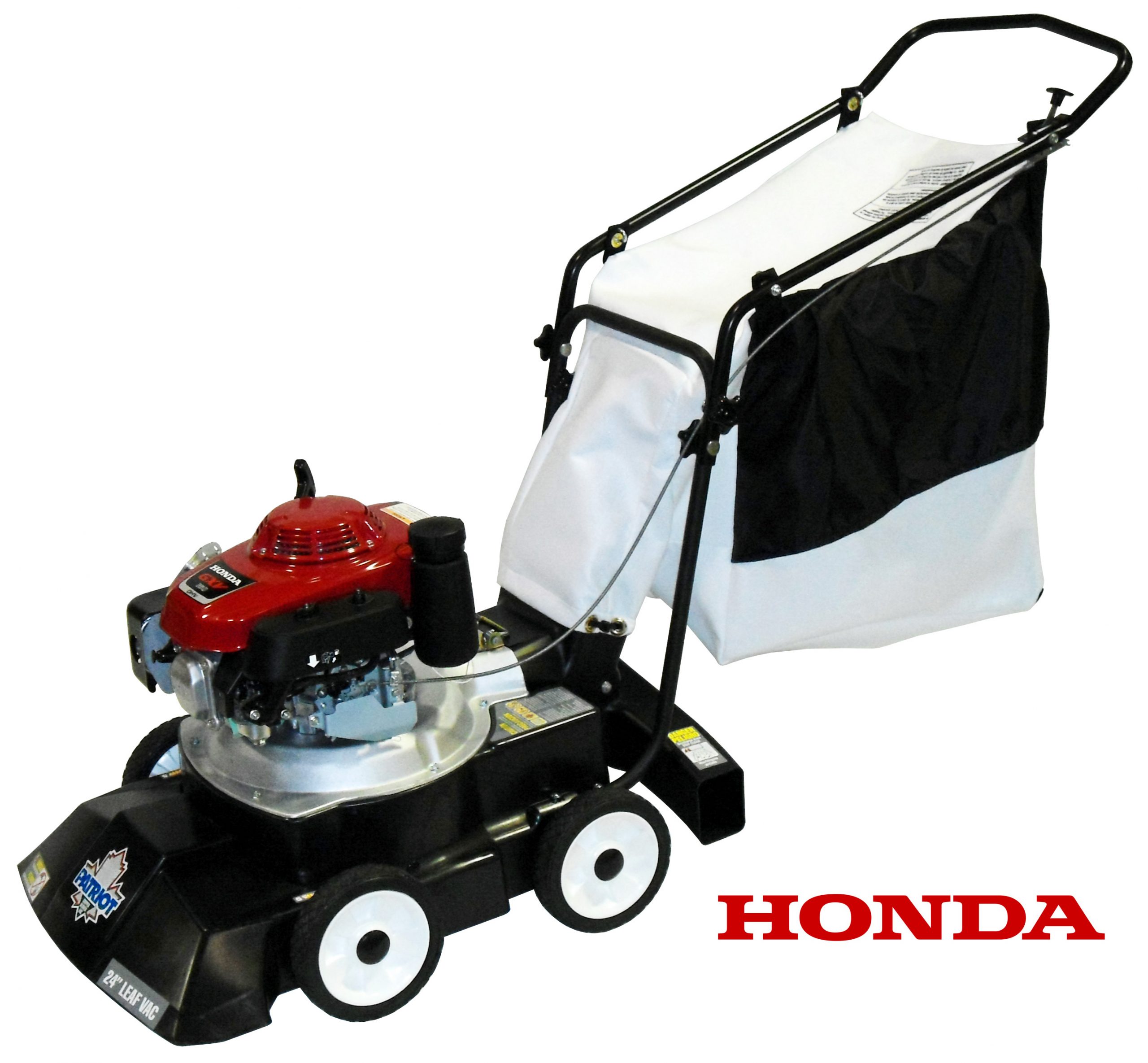
A leaf vacuum is built to handle heavier yard waste. It has stronger suction, larger inlets, and bigger collection hoppers. Leaf vacuums can take whole piles, wet leaves, and larger pieces of debris. Many leaf vacuums are trailer-mounted or truck-mounted for volume work.
These core differences mean turf vacuum vs leaf vacuum serve different tasks. Turf vacuums focus on turf health and finish. Leaf vacuums focus on speed and volume.
How turf vacuums and leaf vacuums work
Turf vacuum mechanics
- Intake head sits close to grass and uses a wide, low-speed fan to create gentle airflow. This reduces scalp damage.
- Debris goes into a collection bag, hopper, or a light-duty blower system.
- Drive systems are tuned for precise, slow passes over turf.
Leaf vacuum mechanics
- Stronger impellers or centrifugal fans create high airflow and lift. They handle dense, wet leaves.
- Debris travels through a large hose or chute into a big hopper or truck bed.
- Some units include chippers or mulchers to reduce volume.
In short, turf vacuum vs leaf vacuum differ by fan design, intake geometry, and collection capacity. Turf units prioritize turf protection. Leaf units prioritize throughput and raw power.

Key differences at a glance
-
Intended surface
- Turf vacuum: fine-tuned for lawns, sports fields, and newly laid sod.
- Leaf vacuum: built for driveways, streets, and bulk yard waste.
-
Suction and airflow
- Turf vacuum: lower suction, gentler airflow.
- Leaf vacuum: higher suction, high-volume airflow.
-
Collection capacity
- Turf vacuum: smaller bags or hoppers for frequent emptying.
- Leaf vacuum: large hoppers or trailer capacity for long runs.
-
Intake design
- Turf vacuum: wide, shallow heads to avoid scalp damage.
- Leaf vacuum: narrow hoses or chutes for focused pickup.
-
Mobility and weight
- Turf vacuum: lighter, low ground-pressure tires.
- Leaf vacuum: heavier, often towable or truck-mounted.
-
Typical use cases
- Turf vacuum: sport turf cleanup, fine debris on lawns.
- Leaf vacuum: municipal cleanup, storm debris, gutter work.
These points make turf vacuum vs leaf vacuum a clear choice based on the job and surface.
When to choose a turf vacuum vs leaf vacuum
Choose a turf vacuum when:
- You manage a golf course, soccer field, or newly sodded lawn that needs gentle care.
- Leaves are light, dry, and spread thinly across turf.
- You need a clean, uniform finish without turf damage.
Choose a leaf vacuum when:
- You collect large volumes after storms or in fall leaf season.
- Leaves are wet, matted, or mixed with heavy debris like small branches.
- You need fast collection for streets, parks, or large properties.
Practical examples
- A school grounds crew uses a turf vacuum to remove small gravel and leaves from the field before games.
- A city crew uses a truck-mounted leaf vacuum to clear gutters and storm drains after a storm.
These real cases show why turf vacuum vs leaf vacuum selection matters for results and turf health.

Benefits and limitations of each
Turf vacuum benefits
- Protects delicate turf and sod.
- Leaves a smooth, professional finish.
- Reduces turf stress and wear.
Turf vacuum limitations
- Smaller capacity means more frequent emptying.
- Not ideal for heavy, wet debris or bulky branches.
Leaf vacuum benefits
- High capacity for fast, large-volume cleanups.
- Handles wet leaves and mixed debris well.
- Often integrates mulching or chipping to reduce hauling.
Leaf vacuum limitations
- Can damage turf if used improperly.
- Heavier and less maneuverable on soft ground.
- More fuel and maintenance costs.
Knowing these trade-offs helps when comparing turf vacuum vs leaf vacuum for your property.
Buying guide and practical tips
Key features to evaluate
- Suction type: axial fan for turf, centrifugal for leaf cleanup.
- Intake width and design: wide shallow heads for turf; hoses and chutes for leaves.
- Collection capacity: match hopper size to job frequency.
- Wheels and flotation: turf-safe tires to reduce compaction.
- Mulching or chipping: useful for reducing volume and disposal costs.
- Power source: gas, diesel, or PTO-driven units for different needs.
- Attachments: gutter probes, pick-up heads, and bypass options add versatility.
Questions to ask sellers
- Is the unit safe on newly laid sod?
- What maintenance does the impeller or fan need?
- Are replacement parts available locally?
- Is operator training provided or recommended?
Budget tips
- Buy the smallest leaf vacuum that meets your volume needs to save fuel and operator time.
- For turf care, invest in turf-specific features even if cost is higher; it prevents costly turf damage.
These steps simplify choosing between turf vacuum vs leaf vacuum for your budget and tasks.
Maintenance, safety, and best practices
Maintenance basics
- Check belts, fans, and hoses before each season.
- Empty and clean collection bags or hoppers regularly.
- Lubricate bearings and check tire pressure to preserve flotation.
Safety tips
- Always shut off the unit before removing blockages.
- Wear hearing protection; leaf vacuums can be loud.
- Avoid operating leaf vacuums on sensitive turf or wet, soft ground without turf plates.
Best practices for turf protection
- Do a test pass in an inconspicuous area to verify settings.
- Use lower suction or wider heads near seams, seedbeds, and new sod.
- Time operations: morning dew can reduce dust, but wet turf increases compaction risk.
Follow these routine steps to keep machines running and turf healthy when choosing turf vacuum vs leaf vacuum.
Personal experience and lessons learned
I once used a heavy leaf vacuum on a turf practice field. The machine cleared leaves fast, but the turf showed ruts and scalped patches afterward. I switched to a turf vacuum and used more frequent passes. The field healed faster and looked better for games.
Lessons I learned
- Pick the right tool first. It saves time and turf repair costs.
- Train operators on settings. Operator skill prevents damage.
- Schedule work around ground moisture. Wet ground increases harm.
If you manage turf or large landscapes, think about long-term turf health when deciding between turf vacuum vs leaf vacuum.
Frequently Asked Questions of What is the difference between a turf vacuum and a leaf vacuum?
What is the main difference between a turf vacuum and a leaf vacuum?
The main difference is intent: turf vacuums are gentle and protect grass, while leaf vacuums focus on high-volume collection and power. Turf vacuums use wider, low-speed intakes; leaf vacuums use strong suction and large hoppers.
Can a leaf vacuum be used on a sports field?
You can use a leaf vacuum on a sports field only with caution and proper turf protection. Most times a turf vacuum is the safer choice to avoid compaction and scalping.
Are turf vacuums less powerful than leaf vacuums?
Yes, turf vacuums use gentler suction and airflow to avoid damage, so they are usually less powerful than leaf vacuums. That lower power is intentional to protect delicate surfaces.
Which vacuum is better for wet leaves?
A leaf vacuum is generally better for wet leaves because it has higher airflow and a larger hopper, and some models can chop or mulch wet debris. Turf vacuums struggle with heavy, damp loads.
How do I choose between the two for a large property?
Choose based on surface and volume: use a turf vacuum for sensitive lawns and fields, and a leaf vacuum for heavy seasonal cleanups or streets. Consider mixing both to cover all tasks effectively.
Conclusion
Choosing between a turf vacuum vs leaf vacuum comes down to surface sensitivity, debris type, and volume. Turf vacuums protect grass and give a fine finish. Leaf vacuums move big loads fast and handle wet or bulky debris. Match the machine to the job, train operators, and maintain the equipment to get the best results and protect the landscape. Try a small test run with both types if you can, and pick the unit that saves you time without costing turf health. If this helped, leave a comment with your situation or subscribe for more gear guides and hands-on tips.

