

Most upright vacuums can have HEPA filters, but not all of them do.
If you have ever wondered whether an upright vacuum can truly trap fine dust, pet dander, and allergens, you are asking the right question. I have looked at a lot of vacuum specs over the years, and the answer is more nuanced than many shoppers expect: the best upright vacuums often include HEPA filtration, but the full cleaning system matters just as much as the filter itself.

Do upright vacuums have HEPA filters?
Yes, many upright vacuums have HEPA filters, but the feature is not universal. Some models come with true HEPA filters, while others use standard filters or “HEPA-type” claims that do not always meet the same performance level.
A HEPA filter is designed to capture very small particles, including dust, pollen, and pet dander. In an upright vacuum, that can make a big difference if someone in the home has allergies, asthma, or sensitivity to fine dust.
From what I have seen in real use, the best results come from an upright vacuum with:
• A sealed system
• A true HEPA filter
• Strong suction
• Good brushroll and bin design
Without a sealed system, even a good HEPA filter may not help as much, because air can leak around the filter and back into the room.
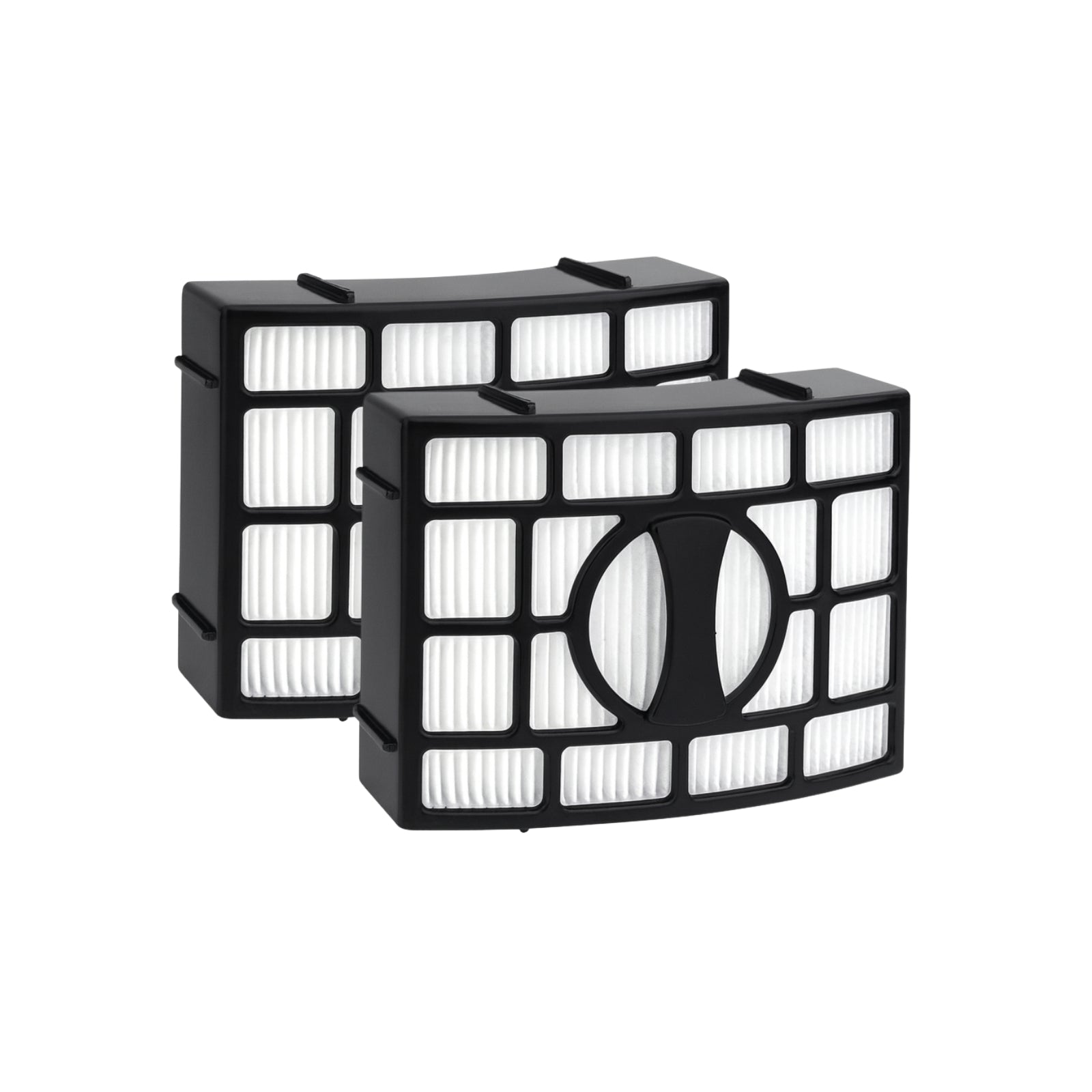
What a HEPA filter does in an upright vacuum
HEPA stands for High-Efficiency Particulate Air. In simple terms, it helps trap tiny particles that would otherwise escape back into your home.
In an upright vacuum, the filter can capture common indoor pollutants such as:
• Dust
• Pet dander
• Pollen
• Mold spores
• Smoke particles
• Fine dirt from carpet and floors
This is why upright vacuums with HEPA filters are often recommended for homes with pets or allergy concerns. I have noticed that when a vacuum has weak filtration, you sometimes smell that dusty puff after cleaning. A good HEPA setup helps reduce that.
True HEPA vs. HEPA-type filters
This part matters a lot, because the label can be confusing.
A true HEPA filter is made to meet a specific standard. In the U.S., that usually means capturing 99.97% of particles as small as 0.3 microns under test conditions. That is the level many shoppers want when asking, “Do upright vacuums have HEPA filters?”
HEPA-type, HEPA-like, or allergen filters are different. They may still trap a lot of dust, but they do not always meet the true HEPA standard.
Here is the simple difference:
• True HEPA filter: Tested to a strict particle capture standard
• HEPA-type filter: Not always held to the same standard
• Standard foam or cloth filter: Helps with dust, but offers less fine-particle capture
If your goal is allergy control, I would lean toward a vacuum that clearly says true HEPA and sealed filtration.
Why the sealed system matters as much as the filter
A lot of people focus only on the filter, but the vacuum body matters too. If air can leak out before reaching the filter, some particles may go right back into the room.
A sealed system means the airflow is controlled so more debris passes through the filtration path. This is one of the biggest reasons some upright vacuums perform better than others, even when both say they have HEPA filters.
Think of it like trying to carry water in a bucket with holes. The bucket may be strong, but it still loses water if it is not sealed properly. The same idea applies to vacuum airflow.
Look for terms like:
• Sealed allergen system
• Fully sealed filtration
• Complete seal
• Anti-allergen complete seal
Are HEPA filters worth it in upright vacuums?
For many homes, yes. They are especially helpful if you want cleaner indoor air while vacuuming.
I have found HEPA filtration most useful in homes with:
• Pets that shed a lot
• Kids who crawl on floors
• Carpet that holds fine dust
• Allergy or asthma concerns
• Dust-prone spaces like bedrooms and living rooms
If you vacuum often and want less mess in the air, a HEPA-equipped upright vacuum can be a smart upgrade. It is one of those features you may not notice every second, but you feel the difference over time.
That said, a HEPA filter is not magic. If the vacuum has weak suction, a bad seal, or poor maintenance, the benefit drops fast.
Common limitations of upright vacuums with HEPA filters
Even good vacuums have trade-offs. HEPA filters are useful, but they are not perfect for every situation.
Some common limitations include:
• Higher price: True HEPA models often cost more
• More maintenance: Filters may need cleaning or replacement
• Less airflow if clogged: A dirty filter can lower suction
• Dust bin mess: Emptying can release dust if the design is poor
• Bulkier build: Upright vacuums can be heavier than stick models
In my experience, the biggest mistake people make is buying a vacuum for the HEPA label alone. If the bin is hard to empty or the filter clogs fast, the day-to-day experience gets frustrating quickly.
How to tell if an upright vacuum really has HEPA filtration
When shopping, do not stop at the product headline. Check the fine print.
Here is what to look for:
-
True HEPA wording
Make sure the product says true HEPA, not just HEPA-style. -
Sealed filtration system
This helps keep dust from leaking out. -
Multi-stage filtration
Many upright vacuums use pre-filters, foam filters, and the HEPA filter together. -
Replacement filter availability
A good vacuum should have easy-to-find replacement parts. -
Certifications or clear performance claims
Vague marketing is a red flag. Clear specs are better.
If a brand avoids giving details, I usually treat that as a warning sign.
Best use cases for upright vacuums with HEPA filters
Upright vacuums with HEPA filters work especially well in certain homes and rooms.
They are a strong choice for:
• Wall-to-wall carpet
• Large homes that need fast cleaning
• Pet-heavy households
• Allergy-sensitive families
• People who want one main vacuum for floors and rugs
They are often less ideal if you need something very light, compact, or easy to carry upstairs. Still, for deep cleaning carpets, upright vacuums remain one of the most practical choices.
How to keep a HEPA vacuum working well
A HEPA filter only works well if the rest of the vacuum is kept in shape. This is where simple upkeep makes a big difference.
Try these habits:
• Empty the dust bin before it gets packed full
• Wash or replace pre-filters as directed
• Replace HEPA filters on schedule
• Clean brushrolls to remove hair and string
• Check seals and gaskets for wear
• Use the right suction setting for carpet and hard floors
I have seen vacuums lose performance just because the owner forgot about the filter for months. It is a small part, but it can have a big effect on cleaning power and airflow.
What experts and product standards generally suggest
Industry testing and indoor air quality guidance consistently show that filtration works best when the vacuum has strong capture ability and limited leakage. That is why sealed systems and true HEPA filters get so much attention.
The practical takeaway is simple: if you want better dust control, choose an upright vacuum that combines true HEPA filtration with a sealed design and regular maintenance. The filter alone is helpful, but the whole system is what really protects indoor air.
FAQs
Do all upright vacuums have HEPA filters?
No, not all upright vacuums have HEPA filters. Many do, but some only use standard filters or HEPA-type filters that do not meet the same level of performance.
Is a HEPA filter good for pet owners?
Yes, a HEPA filter is a great option for pet owners because it helps trap pet dander, hair-related dust, and other fine particles. If your pets shed a lot, a sealed upright vacuum with true HEPA filtration can make cleaning feel much fresher.
Do HEPA filters remove odors from vacuums?
Not really. HEPA filters are made to trap particles, not smells, so they do not remove odors well on their own. For odor control, some vacuums use carbon filters or other odor-reducing parts along with HEPA filtration.
How often should I replace a HEPA filter in an upright vacuum?
It depends on the model and how often you vacuum, but many filters need replacement every 6 to 12 months. Always check the manufacturer’s guide, because heavy pet hair or dust can shorten the filter’s life.
Are upright vacuums with HEPA filters better than bagless models without them?
Usually yes, if your goal is cleaner air and better allergen control. A bagless vacuum without HEPA filtration may still clean dirt from the floor, but it is less effective at trapping very fine particles in the air.
Can I wash a HEPA filter?
Some filters are washable, but many true HEPA filters are not. Never wash a filter unless the manual clearly says it is washable, because water can damage filters that are meant to stay dry.
Conclusion
So, do upright vacuums have HEPA filters? Yes, many do, but the best results come from a true HEPA filter paired with a sealed system and regular care. That combination helps trap fine dust, pet dander, and other particles more effectively.
If you are shopping for a vacuum, focus on the whole cleaning system, not just the label on the box. A little extra attention now can lead to cleaner floors and cleaner air later. Explore product specs carefully, compare filtration features, and choose the model that fits your home best.


1 Comment
Pingback: Are Hepa Upright Vacuums Worth It: Best Buyer Guide - Vacuum Cleaner Tips