

HEPA upright vacuums are often worth it for allergy relief, deep cleaning, and better dust capture.
If you’ve ever watched dust puff back into the air while vacuuming, you already understand the appeal of HEPA filtration. I’ve tested enough upright vacuums over the years to know that the real question is not just whether they clean well, but whether a HEPA upright vacuum gives you enough real-world benefit to justify the price, weight, and upkeep. That’s what this guide breaks down, in plain language, so you can decide if it’s the right fit for your home.
What a HEPA upright vacuum actually does
A HEPA upright vacuum is a vacuum cleaner with an upright body and a high-efficiency particulate air filter, or HEPA filter. True HEPA filters are designed to trap at least 99.97% of particles as small as 0.3 microns, which includes common triggers like dust, pollen, pet dander, and some mold spores.
That matters because a vacuum can pick up dirt from the floor but still blow fine particles back into the air if the filtration is weak. In homes with allergies, pets, or lots of foot traffic, that difference can be huge. A HEPA upright vacuum is built to keep more of what it removes inside the machine instead of recirculating it into the room.
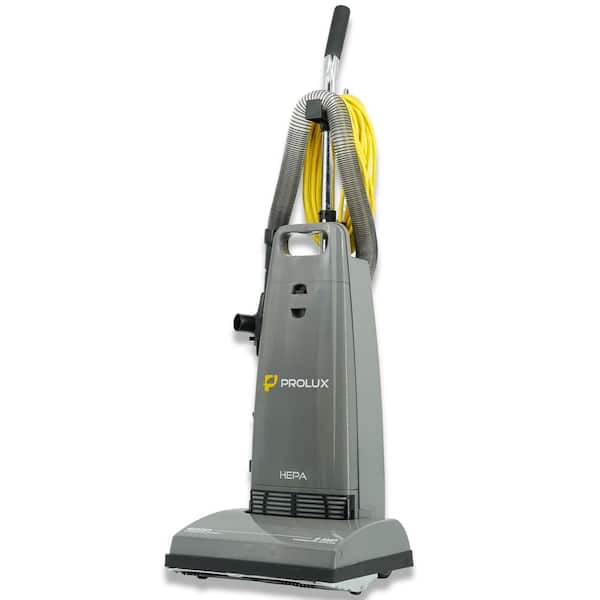
Are HEPA upright vacuums worth it for most homes?
For many households, yes, HEPA upright vacuums are worth it. The value is strongest if someone in the home has allergies, asthma, or sensitivity to dust and pet hair. They are also a smart pick if you want deeper carpet cleaning and better air quality after vacuuming.
That said, not every home needs one. If you live in a small apartment with mostly hard floors and no allergies, a standard vacuum with decent sealing may be enough. The real payoff comes when you need both strong floor cleaning and better particle control in the air.
From my own use, the biggest difference shows up in homes with carpet. A regular vacuum can make the floor look clean, but a HEPA upright often leaves the room feeling cleaner too. That “fresh air” effect is not magic; it’s just better filtration doing its job.
When a HEPA upright vacuum is worth the cost
A HEPA upright vacuum makes the most sense in certain situations. The more of these apply to you, the more likely it is worth the investment.
- Allergy sufferers live in the home, since better filtration can reduce airborne irritants.
- Pets shed heavily, because dander and fine hair are easier to trap.
- Carpets and rugs need frequent deep cleaning, especially in busy homes.
- Dust builds up fast, such as in older homes or homes near roads.
- You want a vacuum that can help improve indoor air quality during cleaning.
One lesson I learned the hard way: filtration only helps if the vacuum is well sealed. I once used a model with a so-called HEPA filter but weak sealing, and dust still escaped around the seams. The filter was good, but the overall design was not.
When it may not be worth it
HEPA upright vacuums are not the best choice for everyone. Some people pay extra for a feature they will barely notice in daily use. If that sounds familiar, a simpler vacuum may be smarter.
Here are cases where the upgrade may not be necessary:
- You have mainly hard floors and only light messes.
- No one in the home has allergies or asthma.
- You prefer a lighter vacuum and do not want a bulky upright.
- You clean only once in a while and do not need premium filtration.
- Your budget is tight and other features matter more, like cordless use or portability.
If you have tile or hardwood throughout the home, suction and brush control may matter more than HEPA-level filtration alone. In that case, the best vacuum is often the one you will actually use often and comfortably.
How HEPA filtration helps with allergies and asthma
HEPA filtration is popular because it can catch tiny particles that trigger symptoms. This includes dust mites, pet dander, pollen, and fine debris that regular filters may miss. For people with asthma or allergic rhinitis, that can make cleaning less irritating.
According to widely accepted indoor air quality guidance, reducing exposure to airborne particles is one of the most practical steps for allergy management at home. Vacuuming with a sealed HEPA system helps because it removes particles from carpets and upholstery without spreading as much dust back into the room.
Still, a HEPA vacuum is not a cure-all. It helps most when paired with other habits, like washing bedding, using doormats, and replacing filters on time. Think of it as one strong tool in a bigger indoor air quality toolkit.
Upright design: the pros and cons
Upright vacuums have a loyal following for good reason. They are often strong on carpet, easy to push across larger floor areas, and less tiring for long cleaning sessions than some canister setups.
Pros of upright HEPA vacuums:
- Strong carpet cleaning performance
- Large dust bins or bags
- Good brush roll action for embedded dirt
- Often better for whole-home cleaning
- Many models include sealed filtration systems
Cons of upright HEPA vacuums:
- Heavier than stick or handheld vacuums
- Harder to carry upstairs
- Can feel bulky in small spaces
- Some models are noisy
- Brush rolls may need more maintenance around hair tangles
In my experience, uprights shine in family homes with lots of carpet and pets. But if you are constantly moving between rooms, stairs, and furniture, the size can get old fast.

Bagged vs bagless HEPA upright vacuums
This is one of the biggest decision points. Both styles can use HEPA filtration, but they behave differently in daily use.
Bagged HEPA upright vacuums:
- Trap dust more cleanly when you throw the bag away
- Often work better for allergy control
- Can hold more debris without messy emptying
- May have slightly higher ongoing cost because of replacement bags
Bagless HEPA upright vacuums:
- Save money on bags
- Let you see when the bin is full
- Are easier for some people to empty
- Can release a dust cloud if emptied carelessly
If allergies are a serious concern, I usually lean bagged. The cleaner disposal matters more than people think. If budget and convenience matter most, bagless can still be a good choice as long as you empty it outdoors or carefully over a trash can.
Key features to look for before buying
Not every HEPA upright vacuum is built the same. I always tell people to look beyond the label and check the details that affect real use.
- Sealed system: A true sealed design keeps air from leaking around the filter.
- True HEPA filter: Make sure the vacuum is rated to capture 99.97% of particles at 0.3 microns.
- Strong suction and airflow: Cleaning performance still matters as much as filtration.
- Brush roll control: This helps on both carpet and bare floors.
- Height adjustment: Useful if your home has plush carpet, low pile, and rugs.
- Easy maintenance: Check how simple it is to clean the roller and replace the filter.
- Noise level: A quieter vacuum is easier to live with in apartments and shared homes.
A good HEPA upright vacuum should feel like a tool you can use every week without dreading it. If it is too heavy, too loud, or too hard to maintain, it may end up sitting in the closet.
Common mistakes buyers make
A lot of buyers focus only on the word HEPA and miss the rest of the design. That is where disappointment usually starts.
Common mistakes include:
- Assuming every HEPA vacuum is fully sealed
- Buying too much machine for a small home
- Ignoring weight and maneuverability
- Forgetting to check filter replacement costs
- Not checking how well the vacuum handles pet hair
- Choosing based on brand alone instead of features
The biggest mistake I see is people assuming a stronger filter means a better vacuum overall. It does not. A HEPA filter is only one part of the system, and if the suction, seal, or brush roll is weak, the whole machine suffers.
How to get the most from a HEPA upright vacuum
A HEPA upright vacuum works best when you use it the right way. A few small habits can make a big difference.
- Vacuum slowly so the brush roll and suction have time to lift dirt.
- Replace or clean the filter on schedule.
- Empty bagless bins before they get packed full.
- Keep the brush roll free of hair and string.
- Use the right height setting for your floor type.
- Vacuum high-traffic areas more often than low-traffic rooms.
One practical tip from real use: if you have pets, vacuum in two directions on carpet. It helps lift hair that sits deeper in the pile. That small change can make a standard cleaning pass feel much more complete.
Are HEPA upright vacuums good for pet owners?
Yes, they are often a very good match for pet owners. Pet dander, hair, and tracked-in dirt can build up fast, and HEPA filtration helps keep fine particles from escaping back into the air. Uprights also tend to have strong brush rolls that can pull hair from carpet better than many lightweight vacuums.
For homes with one short-haired pet, a mid-range vacuum may be enough. But for multiple pets, long hair, or allergies, a HEPA upright vacuum can feel like a real upgrade. It is one of those cases where the extra cost often pays off in less dust and less frustration.
How HEPA upright vacuums compare with other vacuum types
The “worth it” question depends partly on what you are comparing it to. Different vacuum styles fit different homes.
Compared with stick vacuums:
- Uprights usually clean carpet better
- Stick vacuums are lighter and easier to store
- HEPA uprights are better for large homes and heavy messes
Compared with canister vacuums:
- Uprights are often simpler to use on carpet
- Canisters can be easier on stairs and under furniture
- Both can offer strong HEPA filtration if designed well
Compared with robot vacuums:
- Uprights clean deeper and more thoroughly
- Robots are better for daily surface maintenance
- HEPA uprights are still the better choice for serious dust removal
If you want one machine to handle whole-home deep cleaning, the HEPA upright is still hard to beat.
Frequently Asked Questions
Do HEPA upright vacuums really improve air quality?
Yes, they can help reduce airborne dust and allergens during cleaning. The biggest benefit comes from a sealed system that keeps fine particles trapped inside the vacuum instead of leaking back out.
Are HEPA filters worth it for people without allergies?
They can still be useful, especially in homes with pets, carpets, or heavy dust. Even without allergies, many people like the cleaner feel after vacuuming.
How often should I replace a HEPA filter?
It depends on the model and how often you vacuum. Many filters last several months to a year, but you should always follow the manufacturer’s schedule for best performance.
Is a bagged HEPA upright better than a bagless one?
For allergy control, bagged models are often better because dirt is sealed away during disposal. Bagless models are cheaper to run, but they can be dustier when emptied.
What is the main downside of a HEPA upright vacuum?
The most common downsides are weight, size, and higher cost. Some models also need more maintenance, especially if you have pets or a lot of hair on the floor.
Can a HEPA upright vacuum replace air purifiers?
No, not really. A vacuum cleans floors and surfaces, while an air purifier cleans the air in a room over time. They work best together, not as substitutes.
Conclusion
HEPA upright vacuums are worth it when you want stronger carpet cleaning, better dust control, and less particle spread during vacuuming. They are especially valuable for allergy sufferers, pet owners, and anyone who wants a more thorough clean in a busy home. The key is choosing a model with true HEPA filtration, good sealing, and the right level of weight and ease for your lifestyle.
If you are shopping right now, focus on your actual home needs instead of the label alone. A well-chosen HEPA upright vacuum can make cleaning easier and the air feel fresher, but only if it fits your space and habits. Take your time, compare features carefully, and pick the one you will be happy to use week after week.

