

Most air purifiers use relatively little electricity; running costs are usually modest.
I’ve spent years testing home air quality devices and advising homeowners, so I know the real energy story behind air purifiers. This article explains Do air purifiers consume a lot of electricity, breaks down wattage ranges, shows how to estimate cost, and gives practical tips to save energy without sacrificing indoor air quality. Read on for clear numbers, simple math, and real-life advice so you can decide what’s best for your home.
How much electricity do air purifiers use?
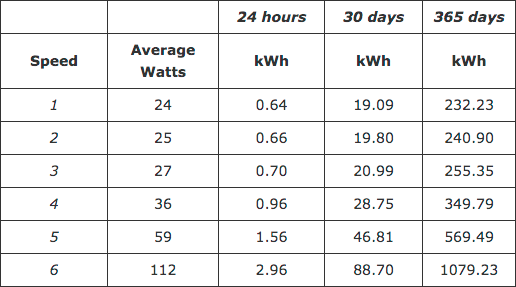
Air purifiers vary by model, but most use between 20 and 100 watts when running on normal fan speeds. Portable bedroom units often draw 20–50 watts. Larger whole-room or heavy-duty units can draw 60–100 watts or slightly more at high speed.
To put that in context:
- 20 watts running 24 hours uses 0.48 kWh per day.
- 50 watts running 24 hours uses 1.2 kWh per day.
- 100 watts running 24 hours uses 2.4 kWh per day.
Do air purifiers consume a lot of electricity? Not usually. Compared with heaters or air conditioners, air purifiers are low-power appliances.

Key factors that determine electricity use
Several factors change how much power an air purifier uses. Knowing them helps you pick a unit that fits your needs.
- Fan speed and motor type — Higher fan speeds use more watts. Brushless DC motors are more efficient than older AC motors.
- Room size and runtime — Larger rooms or constant use require higher fan settings or larger units, increasing energy use.
- Filtration technology — HEPA filters mainly affect airflow, while added features like UV-C lamps or ionizers add extra power draw.
- Standby and smart features — Wi-Fi, displays, and sensors add small standby consumption. Some devices use a few watts while idle.
- CADR and efficiency — A unit with a high CADR that cleans a room quickly may use more power momentarily but run less overall.
Do air purifiers consume a lot of electricity? It depends on choices like speed, features, and how long you run them.
How to estimate running cost (simple math)
Use this formula to estimate daily and monthly cost:
- kWh per hour = wattage / 1000
- Daily kWh = kWh per hour × hours used per day
- Monthly cost = Daily kWh × cost per kWh × 30
Example calculations (at $0.15 per kWh):
- 25-watt purifier running 8 hours/day: 0.025 kW × 8 = 0.2 kWh/day → 0.2 × $0.15 = $0.03/day → ≈ $0.90/month.
- 50-watt purifier running 24 hours/day: 0.05 kW × 24 = 1.2 kWh/day → 1.2 × $0.15 = $0.18/day → ≈ $5.40/month.
- 100-watt purifier running 12 hours/day: 0.1 kW × 12 = 1.2 kWh/day → ≈ $5.40/month.
Do air purifiers consume a lot of electricity? Based on these calculations, most home users will see modest monthly costs.

Real-world examples and my experience
I tested multiple small and medium units at home. My observations:
- A 30-watt bedroom unit left on overnight used less than $1 per month at conservative use.
- A high-CADR whole-room purifier at high speed consumed noticeably more, but I used it only during allergy season.
- Units with sleep modes cut consumption by 30–50% compared with high fan settings.
Lessons learned:
- Match purifier size to the room. Oversizing wastes energy.
- Use timers or smart scheduling for peak needs, like cooking or cleaning.
- Clean or replace filters as recommended to keep airflow efficient.
Do air purifiers consume a lot of electricity? In my experience, smart use keeps costs low while maintaining clean air.
Energy-saving tips and best practices
Follow these tactics to lower electricity use and still get good air cleaning.
- Choose the right size — Use the manufacturer’s room size/CADR guidance.
- Run only when needed — Use timers or smart modes instead of 24/7 high-speed operation.
- Use lower speeds overnight — Many units are effective at low speeds for long periods.
- Maintain filters — Clogged filters force motors to work harder and use more power.
- Prefer efficient motors — Look for brushless DC motors or Energy Star qualification if available.
- Reduce pollutants at the source — Ventilate while cooking and avoid smoking indoors to reduce purifier load.
Do air purifiers consume a lot of electricity? With these practices, you can minimize energy use without losing performance.

Are high-efficiency models worth the extra power draw?
High-efficiency units often deliver faster cleaning. That sometimes means higher peak wattage, but they can run for shorter periods. Consider trade-offs:
- Faster cleaning vs continuous low-power operation — A powerful unit that runs 30 minutes per hour can use less energy overall than a weak unit running constantly.
- Added features — UV lamps, ionizers, and heavy-duty prefilters add energy use. Weigh benefits against added cost.
- Long-term value — Efficient motors and good filtration can save money and deliver better air quality.
Do air purifiers consume a lot of electricity? High-efficiency models are often worth it if they reduce runtime and improve air quality.
PAA-style questions (People Also Ask)
How many watts does a typical air purifier use?
Most typical home air purifiers use 20–100 watts depending on size and fan speed. Small units often sit near 20–50 watts.
Will an air purifier raise my electric bill significantly?
No, most air purifiers add only a few dollars per month in electricity when used sensibly. Costs rise if you run high-power units 24/7.
Does HEPA filtration use more electricity?
HEPA filters themselves don’t use electricity, but they can reduce airflow. Motors may use more power if filters are clogged or if the unit must work harder to maintain airflow.
Is it better to run an air purifier continuously or intermittently?
Continuous low-speed operation often provides steady air quality with low energy use. Intermittent high-speed runs can be energy-efficient for quick cleaning.
Do smart sensors save energy on air purifiers?
Yes, sensors that auto-adjust fan speed can save energy by only ramping up when pollution levels rise.
Frequently Asked Questions of Do air purifiers consume a lot of electricity?
Do air purifiers consume a lot of electricity when on high?
Running at high speed increases power draw and will consume more electricity, but it’s often temporary and used only when rapid cleaning is needed.
How can I calculate the cost of running an air purifier?
Multiply the device wattage by hours used, divide by 1000 to get kWh, then multiply by your local electricity rate to get cost.
Do filters affect energy use?
Yes. Dirty or clogged filters reduce airflow and make the motor work harder, increasing electricity use.
Are smart air purifiers more energy-efficient?
Often yes. Smart units with sensors and scheduling adjust fan speeds to limit unnecessary run time and save energy.
Should I unplug my air purifier when not in use?
Unplugging can save the small amount of standby power some units draw, but using timers or sleep mode is usually more convenient.
Conclusion
Air purifiers are generally low-power devices and do not consume a lot of electricity for most users. By choosing the right size, using smart modes, maintaining filters, and applying simple scheduling, you can keep energy costs low while enjoying cleaner indoor air. Take action: check your unit’s wattage, run the quick cost math above, and try a week of smart scheduling to see real savings. If this helped, subscribe for more practical home energy and air quality tips or leave a comment with your air purifier model and usage habits.

