

Air purifiers can remove most pet dander when equipped with true HEPA filters and sized correctly.
I have worked with air quality tools and lived with two shedding dogs. I write from hands-on use and research to answer whether air purifiers remove pet dander. This guide explains how purifiers work, which filters matter, real limits, setup tips, and buying advice. If you want cleaner air and fewer allergy symptoms, read on for clear, practical steps.
How air purifiers work
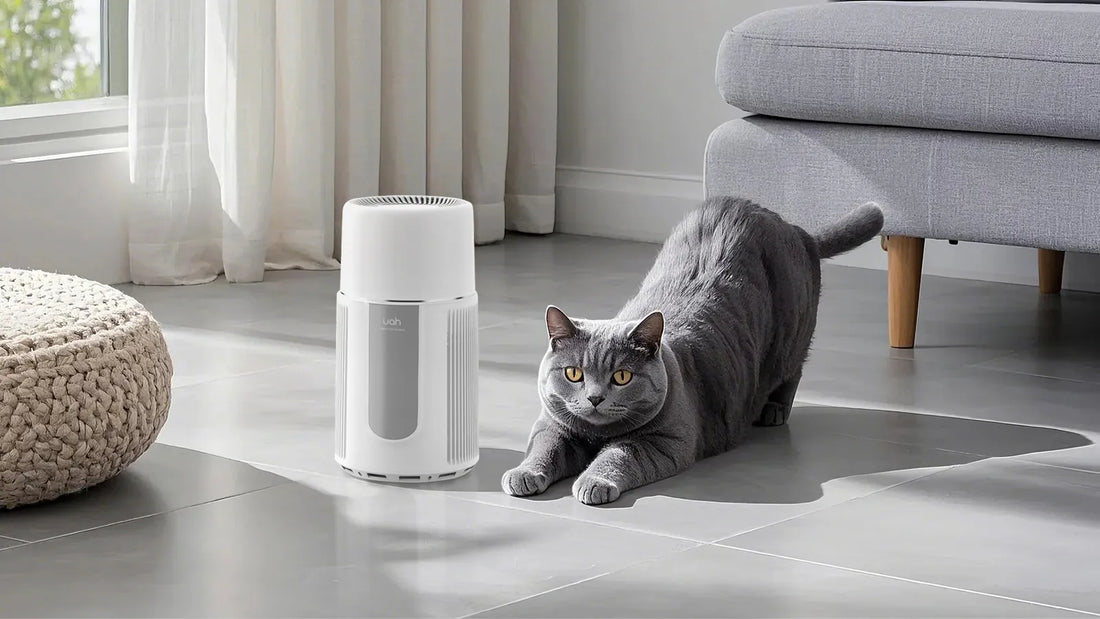
Air purifiers pull room air through a filter. The filter traps particles. Clean air then flows back into the room. Most modern purifiers combine fans, pre-filters, HEPA filters, and sometimes activated carbon.
Key terms to know
- HEPA filter: captures very small particles, including most pet dander.
- Pre-filter: catches large hair and fur to protect the HEPA.
- CADR: Clean Air Delivery Rate. Higher CADR means faster cleaning.
- Particle size: pet dander ranges from about 0.5 to 10 microns.
Understanding these parts helps answer "Do air purifiers remove pet dander?" The answer depends on filter type, purifier size, and room layout.
Can air purifiers remove pet dander?
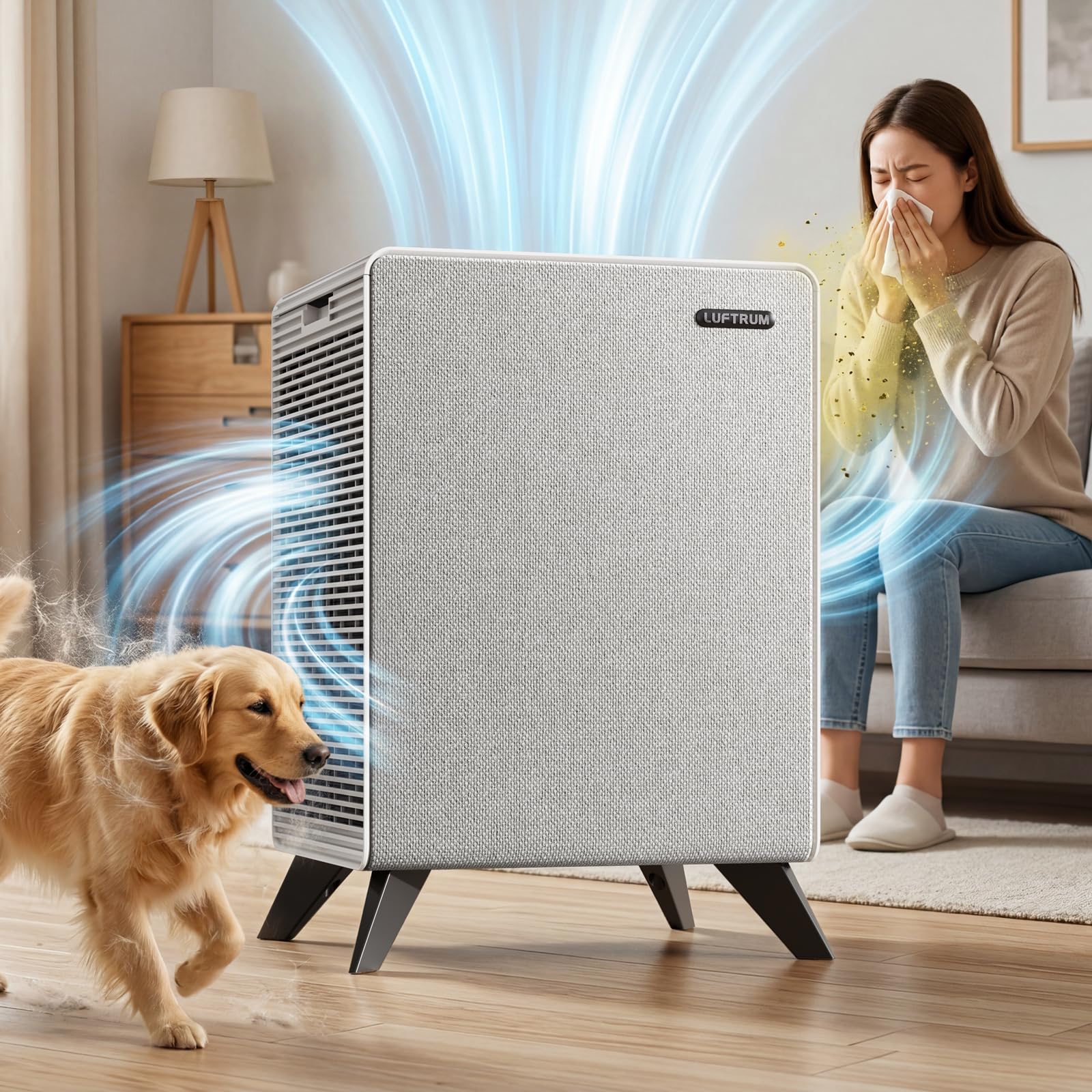
Short answer: yes, air purifiers can remove pet dander from the air, but they do not stop dander that settles on surfaces. True HEPA filters remove at least 99% of particles around 0.3 microns. Pet dander often falls within this size range, so a good HEPA unit captures much of it.
Factors that affect results
- Filter quality: true HEPA works best.
- Room size and CADR: a small purifier will not clean a large room.
- Airflow pattern: obstacles and closed doors limit performance.
- Source control: regular pet grooming reduces how much dander becomes airborne.
From experience, a HEPA purifier in a living room with dogs cut airborne dander and reduced coughing. Yet I still vacuum and wash bedding because purifiers can't clean carpets or upholstery fully.
Best filter types for pet dander
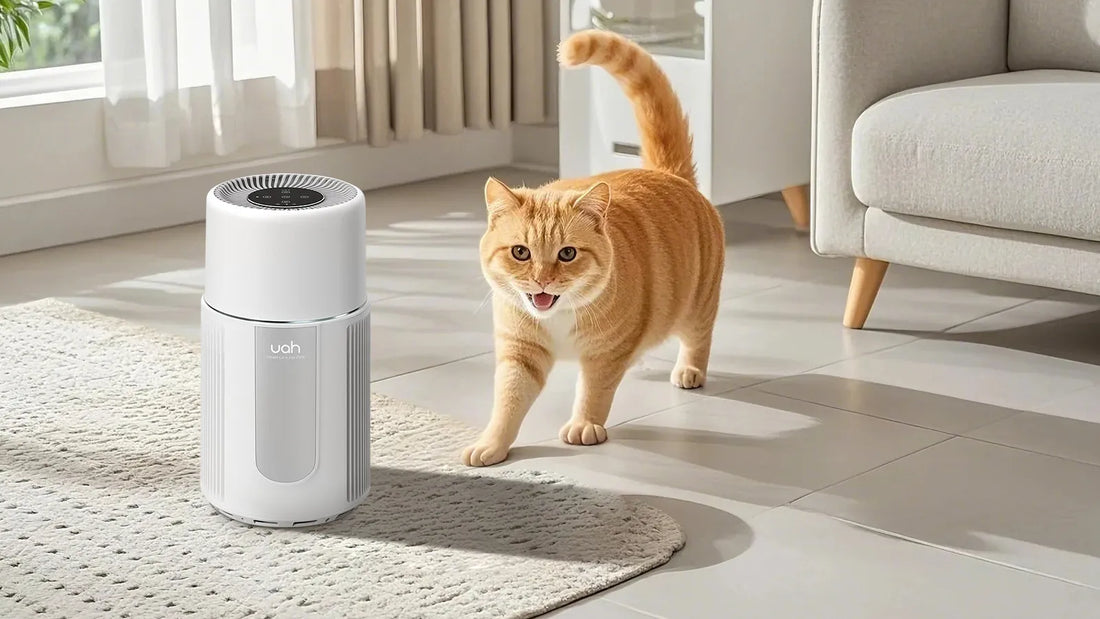
Choose filters that match the problem. Here are common options and how they handle pet dander.
- True HEPA filters
- Best for removing small dander particles.
- Capture most airborne pet dander and dust.
- Pre-filters
- Catch hair and large flakes.
- Extend HEPA life and improve efficiency.
- Activated carbon
- Helps with pet odors but not with dander particles.
- Use alongside HEPA for best results.
- Electrostatic and ionizers
- Can remove particles but may create ozone or cause particles to stick to walls.
- Less reliable than HEPA for pet dander.
For pet dander, prioritize a true HEPA filter plus a pre-filter and consider carbon for smell control.

Real-world effectiveness and limitations
Air purifiers work well in many homes. Still, they have limits you should know.
Benefits
- Reduce airborne pet dander and allergens.
- Lower symptom triggers for people with mild to moderate allergies.
- Improve perceived air freshness.
Limitations
- They do not remove dander from carpets, curtains, or bedding.
- They only clean air that reaches the device; dead zones remain.
- Filters need regular replacement to stay effective.
- Not a substitute for cleaning and pet care.
I found that using a purifier cut airborne dander noticeably. But when guests sat on my sofa, they still picked up hair and flakes. Use purifiers as one tool in a broader cleaning plan.

Practical tips to reduce pet dander at home
Combine air purifiers with daily habits to cut dander fast.
- Groom pets weekly using a brush or deshedding tool.
- Bathe pets when appropriate to reduce loose flakes.
- Vacuum often with a HEPA-rated vacuum.
- Wash pet bedding weekly in hot water.
- Place purifiers in rooms where pets spend time.
- Run purifiers continuously on low or scheduled cycles for best effect.
These steps help the purifier focus on airborne particles while you remove settled dander.

Maintenance and placement tips
A well-kept purifier works far better. Follow these simple rules.
- Replace HEPA filters per manufacturer guidance or sooner if airflow drops.
- Clean pre-filters monthly to reduce strain on the HEPA.
- Position purifiers with clear intake and output paths.
- Aim for center or near pet activity zones, not behind furniture.
- Check CADR and match it to room size for proper turnover.
From hands-on use, I learned that a clogged pre-filter halves performance. Cleaning small parts is quick and pays off.

Buying guide: choosing the right air purifier for pet dander
Pick a model that fits your home and needs. Focus on these features.
- True HEPA certification
- Look for "true HEPA" or H13 rating for best capture.
- CADR rating and room coverage
- Match the CADR to your room size for 4–6 air changes per hour.
- Pre-filter and washable parts
- Saves money and keeps HEPA working longer.
- Noise level and energy use
- Run purifiers day and night if quiet and efficient.
- Warranty and trusted brand
- Support and parts availability matter over time.
I chose a mid-range HEPA unit with a washable pre-filter. It handled my living room well and cost less in filter changes.

Frequently Asked Questions of Do air purifiers remove pet dander?
Do air purifiers remove all pet dander?
No. Air purifiers remove most airborne pet dander but not the dander stuck to fabrics and floors. Combine purifiers with cleaning for best results.
Which filter removes pet dander best?
True HEPA filters capture the most pet dander. Pre-filters catch hair, and activated carbon helps with pet smells.
How often should I run an air purifier for pet dander?
Run it continuously or at least 8–12 hours daily in rooms where pets spend time. Continuous use gives the best steady reduction.
Can air purifiers help with pet allergies?
Yes, they can reduce airborne allergens and ease symptoms for many people. Severe allergy sufferers should use purifiers plus medical advice.
Will an air purifier remove pet odor?
Not by itself. Activated carbon filters help reduce odor, but washing pet bedding and cleaning surfaces is also needed.
How often do I change filters if I have pets?
Change or check pre-filters monthly and HEPA filters per the maker’s schedule, often every 6–12 months depending on use and pet load.
Conclusion
Air purifiers can remove a large share of airborne pet dander, especially when you choose true HEPA filters, size the unit correctly, and place it where pets spend time. They are not a magic fix for all dander on surfaces, so pair them with grooming, vacuuming, and washing. Start by matching a purifier’s CADR to your room, run it often, and keep filters clean. Try a model suited for your space, and you may see fewer allergy symptoms and fresher air. Share your experience below, subscribe for more tips, or ask a question to get specific product advice.

