

So, can a wet/dry vacuum pick up sawdust? Yes, it absolutely can, but the real answer depends on how you set it up. A shop vac is one of the handiest tools for woodworking cleanup, yet sawdust can clog filters, kill suction, and blow fine dust back into the air if you don't approach it right.
The good news? With the right filter bag and a few simple habits, you can keep a wet/dry vacuum running strong for years.
Manufacturer specs vary widely, but as of 2026, most household shop vacs move somewhere between 75 and 200 cubic feet of air per minute. That's plenty of airflow for sawdust and shavings. The catch is that fine sanding dust, the stuff that hangs in the air and settles on every shelf, needs a HEPA-grade filter to stay contained.
So let's walk through what actually matters before you start vacuuming.
Quick Answer: Yes, But It Depends on These Three Things
Can a wet/dry vacuum pick up sawdust? Yes. Most shop vacs handle dry sawdust easily.
You need the right filter and a clean tank. Avoid picking up wet sawdust with a fine-dust filter. Large chips and shavings work fine too.
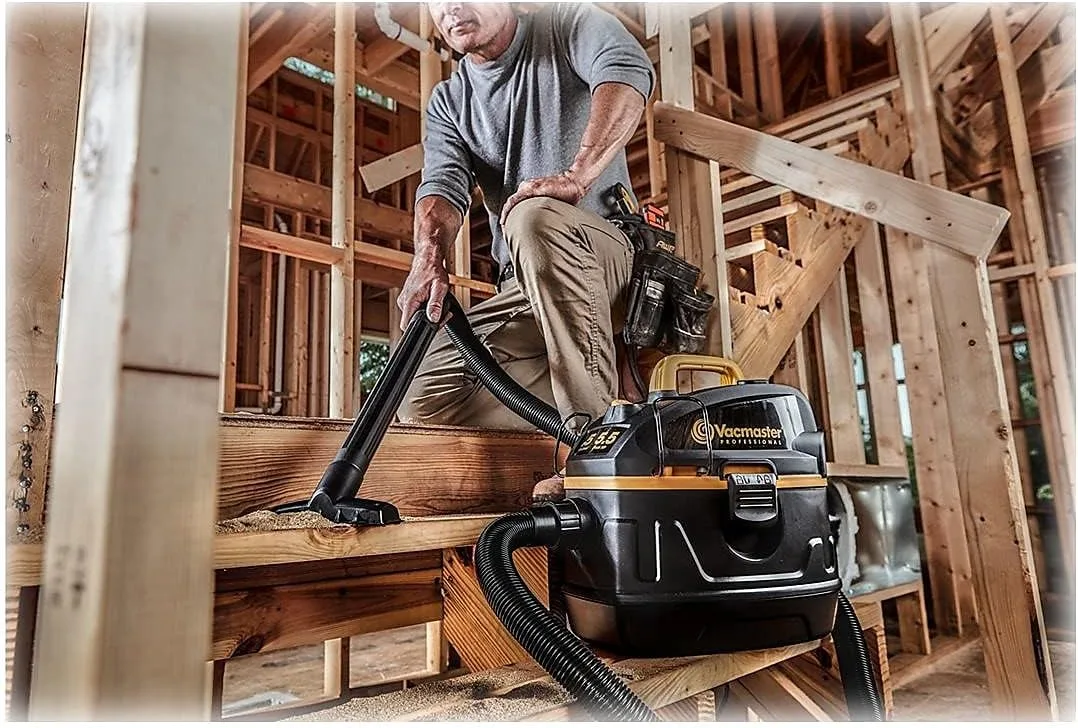
Image source: Web (Bing) / manuals.plus (Web image (fair-use with source credit))
Three things determine success: the filter, the type of sawdust, and whether anything is wet. Nail those, and your vacuum becomes a dedicated workshop cleanup tool. Get them wrong, and you'll spend more time unclogging than cleaning.
The filter matters most because sawdust isn't a single material. Ultrafine sanding residue behaves completely differently from chunky planer shavings. And if a little water sneaks into the mix, sawdust turns into a paste that can ruin a dry-only filter within minutes.
That's why the quick answer isn't a clean yes or no. It's a "yes, as long as you match your setup to the mess."
Sawdust Isn't One Mess: Why Type and Volume Matter
Sawdust comes from many tools, and every tool creates a different texture. Sanding produces fine, talc-like powder. A table saw leaves coarse chips and small flakes.
A thickness planer shoots out long, springy shavings. A router creates a mix of fine dust and chip fragments.
That distinction matters because your vacuum's filter and hose handle each type differently. Let's break them down.
| Sawdust Type | Tools That Produce It | Vacuum Challenge |
|---|---|---|
| Fine sanding dust | Orbital sander, belt sander, sanding block | Clogs filter pores quickly, airborne residue |
| Planer shavings | Thickness planer, jointer | Volume fills tank fast, hose clogs |
| Router chips | Handheld router, router table | Mixture of fine dust and larger chips |
| Table saw sawdust | Table saw, miter saw, circular saw | Moderate size, easy pickup, moderate volume |
Fine dust is the real troublemaker. Because it's lightweight, it stays suspended in the air and settles onto every flat surface. When you vacuum it up, the particles pack into the filter and reduce airflow quickly.
HEPA-grade media helps here, which is why many workshop-oriented vacuums list their filter's micron rating.
Planer shavings and router chips flip the problem. They don't clog filters as fast, but they fill the tank and can wedge inside a narrow hose. The same principle applies to a pool vacuum when it struggles with heavy leaf debris or fine sand; you need the right plumbing and suction for the job.
If you've dealt with a suction loss situation before, you already know how quickly a clogged line ruins a cleaning session.
Volume is the second factor. A weekend hobbyist might produce a few gallons of sawdust per month. A dedicated woodshop can fill a 16-gallon tank in a single afternoon.
The right vacuum for one situation may be completely undersized for the other. That's why tank capacity and hose diameter are just as important as the filter.
What Your Wet/Dry Vac Brings to the Table: Features That Make or Break It
Wet/dry vacuums are built for messy jobs, and sawdust cleanup is squarely in their wheelhouse. But not every shop vac performs equally. A few key specs determine whether you'll be happy with the results.
Tank capacity is the most obvious one. Common sizes range from 5 gallons for small garage units to 16 gallons for serious workshop machines. Bigger tanks mean fewer trips to the dumpster, but they also take up more floor space and cost more.
Suction power matters too. Look for two numbers: CFM (cubic feet per minute) and water lift. CFM measures airflow volume, which matters when you're moving bulky shavings.
Water lift measures how hard the vacuum pulls, which matters for fine dust stuck in carpet or crevices. A good workshop vac typically lands between 75 and 150 CFM and around 50 to 80 inches of water lift.
Hose diameter is the unsung hero. A 1.25-inch hose handles fine dust and small chips easily. It's lightweight, flexible, and fits most power tool dust ports.
A 2.5-inch hose moves far more air and doesn't clog with large shavings, but it's heavy and awkward to connect to most tools. Some vacuums offer a step-down adapter to bridge the sizes.
If your hose kinks or collapses under the vacuum's suction, you'll see performance drop immediately. That's a common frustration, and it's not unique to shop vacs; hose collapse problems happen in pool vacuums too. A reinforced hose or a smooth interior surface makes a big difference.
Portability matters more than you'd think. Look for sturdy casters, a comfortable handle, and cord storage. A shop vac that tips over every time you pull the hose is a nightmare.
One with wide wheels and a low center of gravity feels stable and moves effortlessly across a garage floor.
The Filter Is the Whole Game: Cartridge, Foam Sleeve, or Dust Bag
The filter is where most sawdust plans succeed or fail. Your wet/dry vac probably came with one or more filter options, and understanding each one is the secret to clean pickup and steady suction.
Cartridge filters are the default on most shop vacs. They're cylindrical, pleated filters that sit over the intake inside the tank. They capture fine dust reasonably well, but they clog as they load up.
You can knock off loose dust between uses, and some are washable. For dry sawdust, a good pleated filter rated around 1 to 5 microns works fine for most hobby shops.
Foam sleeve filters are for wet pickup. They fit over the same cartridge or directly on the intake and repel water. But foam has almost no ability to capture fine dust.
Particles blow right through it. That makes foam sleeves wrong for dry sanding dust, which is why you need to swap back before vacuuming. And if you pick up wet sawdust, foam is the only dry-capable option that won't be ruined.
Filter bags and dust bags come in paper or synthetic materials. They fit inside the tank and catch debris before it reaches the filter. This is the single best upgrade for sawdust work.
A bag keeps the main filter clean, preserves suction, and makes disposal nearly dust-free. Many bags are rated for fine dust, often capturing particles down to 1 micron. They're not entirely airtight, but they dramatically reduce filter clogging.
Don't want to break the bank? Use a cartridge filter plus a bag. The bag catches the bulk, and the cartridge handles anything that slips through.
That combo works for almost every woodworking scenario.
Filter care matters too. A dirty filter cuts airflow faster than almost any other failure. Tap it out, brush it gently, or rinse it if the manufacturer says it's washable.
Just let it dry completely before reinstalling. The same logic applies to a robotic pool vacuum's filter media; regular cleaning keeps the suction strong and the tank dry. Need a deeper dive on that?
Cleaning the filter media properly makes a visible difference in performance.
Decision Branch: Pick the Right Setup for Your Shop and Situation
Now it's time to turn all that into a simple decision tree. Your situation likely falls into one of four branches, and each has a clear, best setup.
Branch 1: Frequent fine dust, mostly from sanding or MDF.
Use a HEPA-grade cartridge filter plus a filter bag rated for fine dust. If you're working with MDF, plywood, or treated lumber, wear a dust mask and keep the shop ventilated. OSHA wood dust guidance recommends keeping exposure low because certain wood dusts are associated with respiratory irritation and long-term health risks.
A shop vac with good filtration helps, but it doesn't replace personal protection.
Branch 2: Big shavings and chips, like planer waste or sawdust from a miter saw.
A standard cartridge filter and a larger hose are your friends. A 2.5-inch hose resists clogs, and a bigger tank means fewer interruptions. A filter bag is still a good idea, but it's less critical because coarse debris doesn't saturate the filter as quickly.
If you notice suction fading, the clog is probably in the hose, not the filter.
Branch 3: Wet sawdust, from cleaning up after a small spill or a damp garage floor.
Remove the paper filter bag completely. Use a foam sleeve filter or a dedicated wet filter. Never vacuum wet sawdust with a fine-dust bag, because the wet material expands, seals the bag's pores, and turns into a soggy brick.
Empty the tank right after you finish, wipe it out, and let it dry to prevent mold.
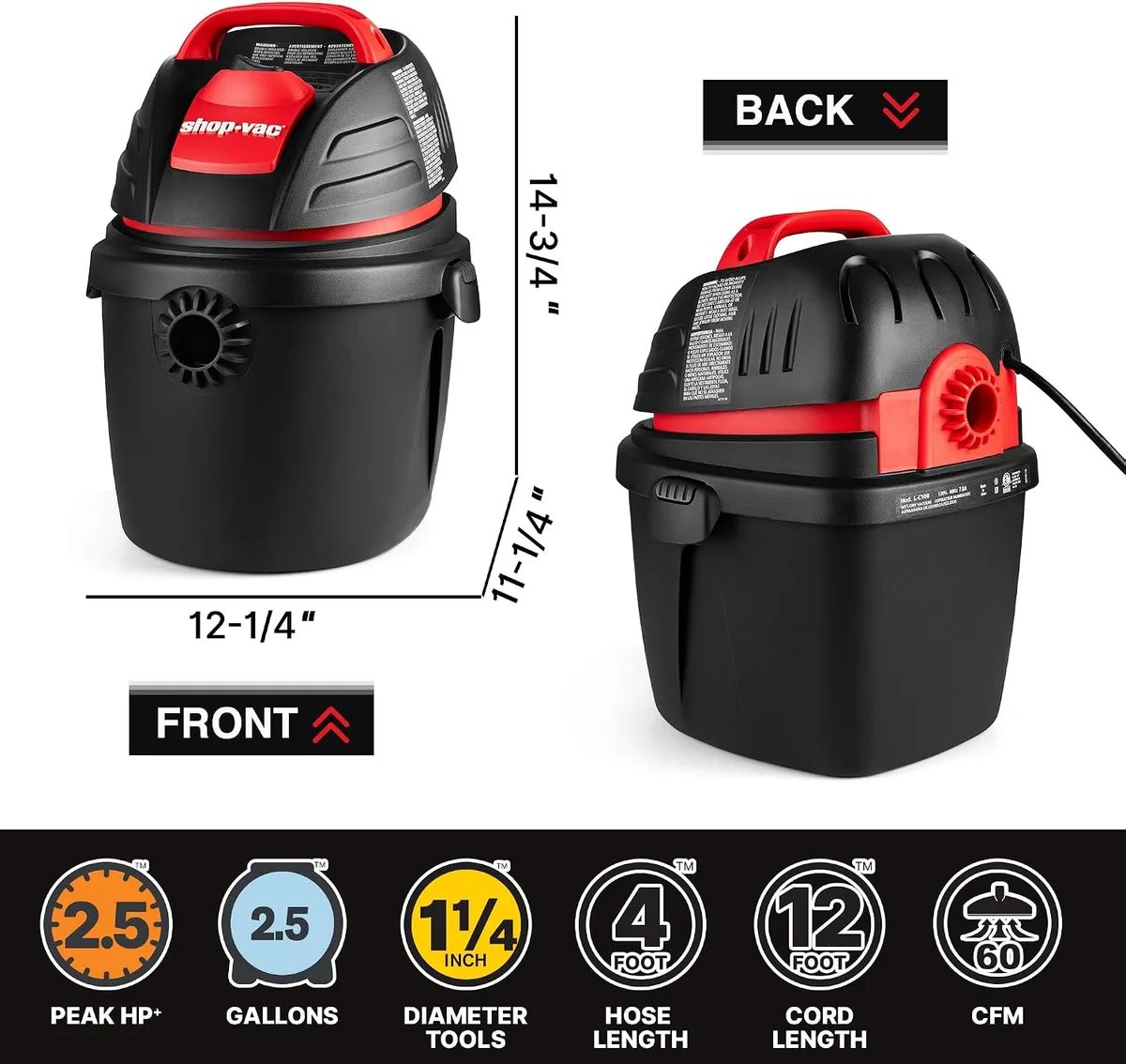
Image source: Web (Bing) / manuals.plus (Web image (fair-use with source credit))
Branch 4: Mixed debris, where you never know what's on the floor.
That's when you appreciate a vacuum with a quick-release filter system. Use a cartridge filter full-time, add a bag when you're dealing with dry fine dust, and switch to the foam sleeve only when you're going wet. The goal is a setup you can switch in under two minutes without emptying the whole tank.
Still unsure which branch fits? Start with the standard dry setup: cartridge filter plus dust bag. That covers 80% of workshop cleaning.
If you're dealing with a frustrating suction drop, you might be facing a clogged filter or a blocked hose; fixing a weak suction issue usually comes down to clearing the airflow path. The same kind of troubleshooting applies to any vacuum, including a pool cleaner that's lost its pull. Get the airflow right, and sawdust becomes a ten-minute cleanup.


3 Comments
Pingback: Can a Wet/Dry Vacuum Pick up Sand? - Vacuum Cleaner Tips
Pingback: Can Wet/Dry Vacuums Clean Garage Floors? - Vacuum Cleaner Tips
Pingback: Can Shop Vacuums Remove Water From a Basement? - Vacuum Cleaner Tips