

Yes — a standing desk can reduce certain kinds of back pain when used correctly and gradually.
I’ve helped friends and clients test standing desks and studied clinical summaries to give you a clear, practical guide. This article explains how a standing desk help with back pain, what the research says, how to set up your workspace, real-world tips I’ve learned, and when to seek professional care. Read on to learn how to use a standing desk safely and effectively to ease back pain.

How a standing desk affects your back
A standing desk changes how your spine and muscles work during the day. Standing shifts load away from your lower back discs and often engages core and leg muscles more than sitting. That can reduce stiffness and postural strain for many people. But standing alone is not a cure; it is one tool among movement, posture, and exercise.

What the research says about standing desks and back pain
Clinical reviews show mixed but promising results. Short-term trials often find small to moderate improvements in lower back pain when people reduce prolonged sitting with standing breaks. Longer studies show fewer clear benefits unless standing is combined with ergonomic setup and movement. Evidence supports standing desks as part of a broader strategy, not a single fix.
Will a standing desk cure chronic back pain?
No. A standing desk may reduce symptoms for some people, but chronic back pain usually needs a multi-pronged plan involving exercise and clinical care.
Can standing too much cause pain?
Yes. Prolonged standing can overload the legs and lower back. Balance standing with movement and seated breaks.
How fast will I see change?
Some people notice less stiffness within days. For lasting change, expect weeks of consistent use combined with strengthening and stretching.

Benefits of using a standing desk for back pain
- Improves posture by encouraging a neutral spine when set correctly.
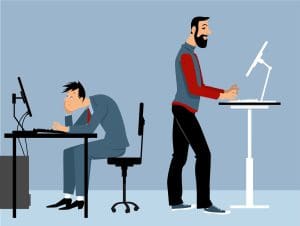
- Reduces the total time spent in a slouched or rounded sitting position.
- Encourages small movements and weight shifts that relieve pressure on discs.
- Can increase blood flow and reduce morning stiffness for some users.
A standing desk help with back pain mainly by cutting long sitting periods. Pairing standing with short walks and targeted exercises improves outcomes further.
Limitations and risks to know
- Standing does not replace strengthening and mobility work needed for lasting pain relief.
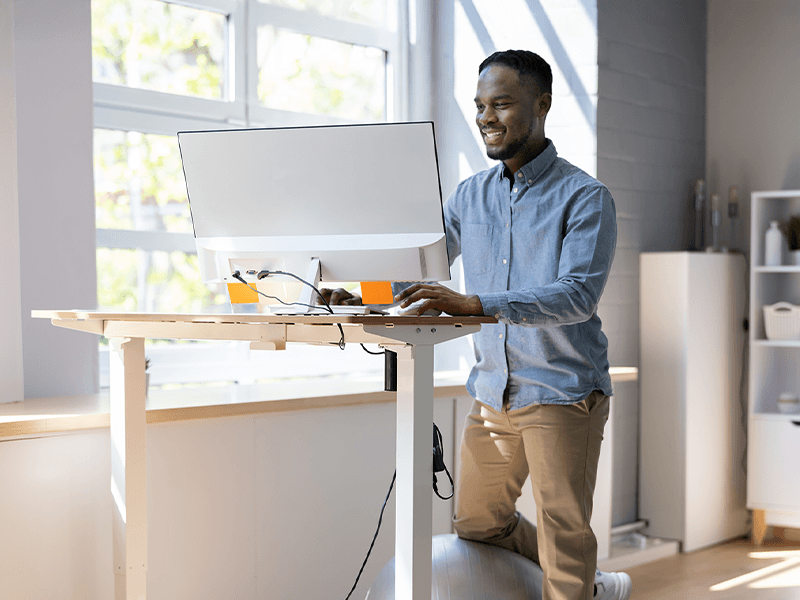
- Standing too long can cause leg fatigue, joint pain, or increased low back strain.
- If you have specific spinal conditions, standing may not be appropriate without guidance.
- Poor desk height or posture while standing may worsen pain.
Be realistic. A standing desk help with back pain only when used with good setup and frequent movement.
How to set up a standing desk to reduce back pain
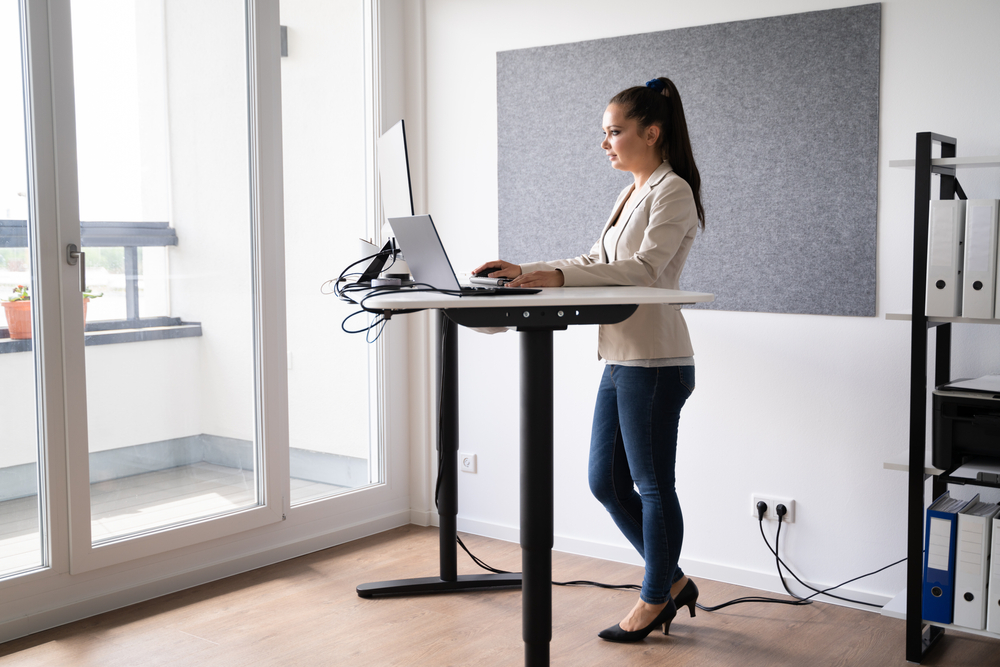
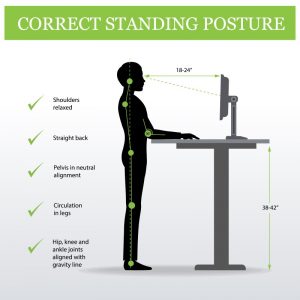
- Desk height: Set elbow height at about 90 degrees when standing. Keep wrists neutral.
- Monitor position: Top third of the screen at eye level. Sit or stand with a slight chin tuck.
- Footwear: Use supportive shoes or an anti-fatigue mat to reduce leg strain.
- Keyboard and mouse: Keep them close to prevent reaching and shoulder strain.
- Neutral spine: Tuck your pelvis slightly and avoid overarching or slumping.
Test small changes over a week. A proper setup helps a standing desk help with back pain by supporting good posture.
Practical standing routines and tips
- Start slow: Begin with 15–30 minutes standing each hour. Gradually increase.
- Use the 20/8/2 rule: 20 minutes sitting, 8 minutes standing, 2 minutes moving (example pattern to vary posture).
- Move often: Walk 2–5 minutes every hour. Stretch your hip flexors and hamstrings.
- Micro-breaks: Do brief core bracing or gentle back extensions at your desk.
- Track progress: Note pain levels and function to see what helps.
From my experience, gradual change prevents new aches. A standing desk help with back pain best when paired with paced, steady routines.

Accessories and exercises that boost results
- Anti-fatigue mat: Reduces leg and foot strain when standing.
- Footrest or low step: Shift weight and change stance easily.
- Ergonomic chair: Keep a good seated option for breaks.
- Short exercise set: 1) Glute bridges 2) Plank holds 3) Cat-cow stretches, done daily.
- Posture cue: Use a small towel roll for lumbar support during seated breaks.
These tools make a standing desk help with back pain by reducing strain and encouraging movement.
When a standing desk might not help — see a professional
- Pain that worsens despite ergonomic changes and exercise.
- Pain with numbness, weakness, or leg symptoms.
- Recent injury or diagnosed spinal conditions like severe disc disease.
- If standing increases your pain quickly or causes new symptoms.
If symptoms persist, consult a physical therapist or clinician. They can tailor exercises and rule out serious causes.
Frequently Asked Questions of Can a standing desk help with back pain?
Does standing reduce lower back pain more than sitting?
Standing can reduce some lower back pain by limiting prolonged slouching. Results vary by person and depend on posture and movement habits.
How long should I stand each day to help my back?
Start with short bouts: 15–30 minutes each hour and build gradually to a few hours. Balance standing with movement and seated breaks.
Can I use a standing desk if I have sciatica?
Often yes, but proceed cautiously. If standing worsens nerve pain or causes numbness, stop and seek medical advice.
Do I need special shoes to stand at a desk?
Supportive shoes or an anti-fatigue mat help. Avoid soft, unsupportive footwear for prolonged standing.
Will a standing desk fix my posture?
A standing desk can improve posture by encouraging a neutral spine. Lasting posture change also needs strength, mobility work, and habit change.
How should I transition from sitting to standing?
Make small, planned increases in standing time each week. Use timers and set movement goals to avoid overdoing it.
Are adjustable desks better than fixed standing desks?
Adjustable desks are more flexible and help you alternate postures easily. They make it simpler to use standing as part of a movement plan.
Conclusion
A standing desk can help with back pain when used correctly, gradually, and with good ergonomic setup. It works best as one part of a plan that includes movement, targeted exercises, and occasional seated rest. Start slowly, monitor your symptoms, and make changes that fit your body. Try a simple routine for a few weeks and track results. If pain persists or gets worse, seek professional care. If this article helped, try one standing tip today and share your experience or subscribe for more practical guides.

