

Standing desks reduce sitting time, ease back pain, boost energy, and improve focus.
I’ve worked with office setups and ergonomics for years, tested standing desks personally, and helped others make the switch. This article explains the many benefits of using a standing desk, breaks down real-world evidence, and gives practical steps to get started safely. Read on to learn how a standing desk can improve your health, productivity, and comfort—without gimmicks or overselling.
Key benefits of using a standing desk
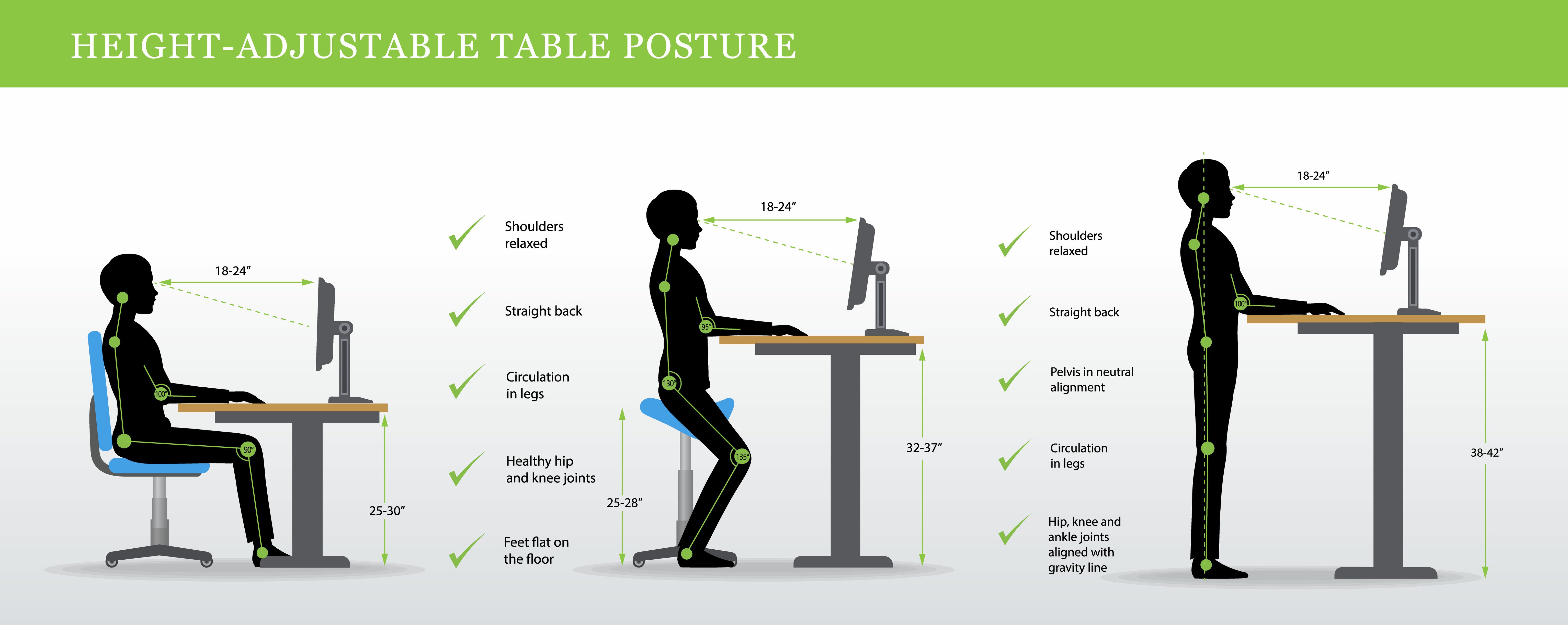
Standing desks offer physical, cognitive, and behavioral gains. They reduce prolonged sitting, which links to poor posture and metabolic risks. They also help many people ease back pain and feel more alert during the workday.
Here are the main benefits you can expect:
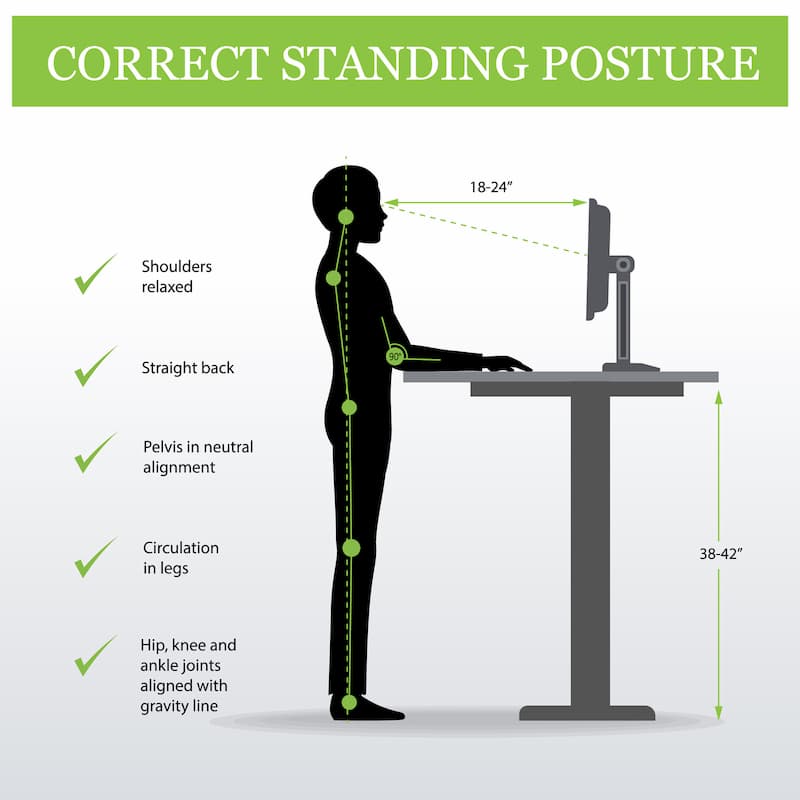
• Better posture and reduced neck strain. A properly set standing desk helps keep spine alignment neutral.
• Less lower back pain. Many users report noticeable pain reduction after weeks of alternating between sitting and standing.
• Increased energy and alertness. Standing raises circulation slightly and can reduce mid-afternoon slumps.
• Improved calorie burn and metabolism. Standing burns more calories than sitting and can modestly improve glucose response after meals.
• Enhanced focus and productivity. Short bouts of standing often boost concentration and task engagement.
• More movement overall. A standing desk makes it easier to shift weight, stretch, and take short active breaks.
• Flexible workflow and ergonomics. Height-adjustable desks adapt to different tasks and body sizes, reducing strain from awkward posture.
These benefits hold when a standing desk is used correctly and combined with movement. They are not magic cures, but they consistently help many people feel and work better.
How standing desks help your health — explanations and evidence
Standing more often changes how your body works during the day. It affects muscles, circulation, and metabolic markers. Here’s how that happens in simple terms.
• Muscle activation. Standing engages core and leg muscles lightly. This reduces stiffness and supports the spine.
• Circulation. Standing improves blood flow compared to prolonged sitting. Better circulation lowers fatigue and supports concentration.
• Metabolic effects. Short-term studies show improved glucose and insulin responses when people alternate between sitting and standing after meals.
• Pain reduction. Repeated clinical observations show reduced lower back pain in people who use sit-stand desks as part of an ergonomics plan.
• Mood and energy. Standing increases alertness for many people, likely due to small hormonal and circulation changes.
Limitations and clarity on evidence
• Not all studies show large effects. Some outcomes are modest and depend on user behavior.
• Benefits grow with consistency. Regular movement and correct setup are essential.
• Standing all day is not recommended. Alternating is key to avoid fatigue or joint strain.
I’ve seen clients reduce daily back pain and report better focus after switching to a standing desk combined with micro-breaks. The science supports those practical improvements when used sensibly.
Ergonomics and best practices for safe use
Using a standing desk well matters. Bad setup can cause new aches. Follow these steps for comfort and safety.
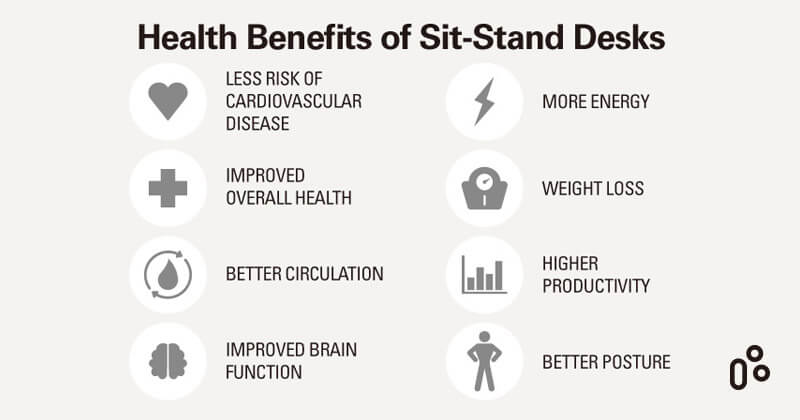
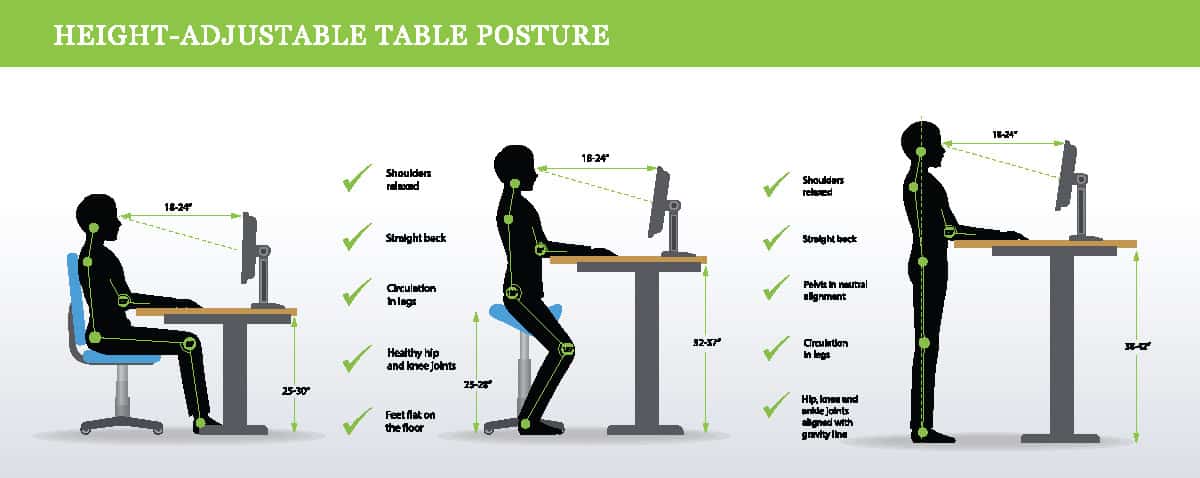
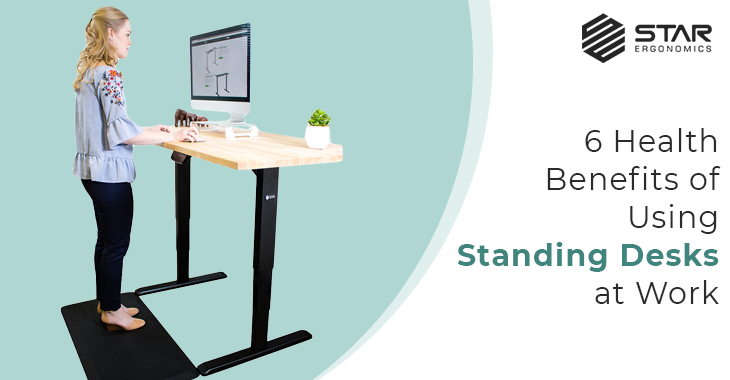
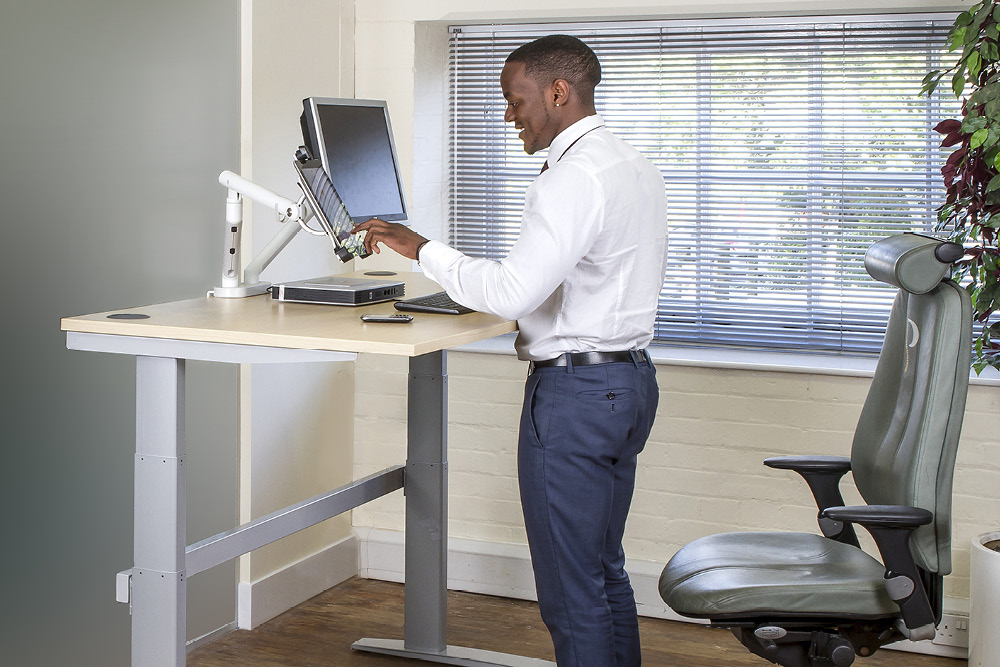
• Set monitor height at eye level so your neck is neutral.
• Keep elbows near 90 degrees and wrists straight when typing.
• Place keyboard and mouse close to avoid reaching.
• Use an anti-fatigue mat for long standing periods.
• Wear comfortable shoes with support; avoid hard heels.
• Alternate sitting and standing every 30 to 60 minutes. Start with 15–20 minutes standing and build up.
• Move often: stretch, walk short distances, or do light leg shifts every 20 minutes.
Personal note: I started with 20 minutes standing each hour and slowly increased. I used reminders on my phone and an anti-fatigue mat. This approach prevented soreness and helped me stick with it.

Types of standing desks and how to choose
There are several standing desk styles. Choose one that fits your budget, space, and workflow.
• Electric height-adjustable desks. Smooth, easy to move; best if you switch often.
• Manual crank desks. Less costly but take more effort to adjust.
• Desktop converters. Sit on top of your existing desk and raise the work surface; budget-friendly and portable.
• Fixed high desks. Good for shared spaces but not adjustable for multiple users.
Buying tips
• Prefer a desk with stable height range that fits your body.
• Check noise levels for electric models if you need quiet.
• Ensure load capacity handles dual monitors and accessories.
• Try before you buy when possible to test stability and feel.
Common concerns and limitations
A standing desk helps many people, but it is not perfect for everyone. Here are common issues and how to address them.
• Fatigue and leg discomfort. Solution: Use an anti-fatigue mat and alternate sitting. Start slow.
• Increased foot or knee pain for some users. Solution: Check posture, footwear, and transition pace. Consider medical advice if pain persists.
• No miracle weight loss. Standing burns slightly more calories but is not a replacement for exercise or diet.
• Cost and space. Solution: Desktop converters can provide benefits at lower cost.
Transparency note: Some health claims are overstated in marketing. Use a standing desk as one part of an active, ergonomic lifestyle.

How to start: a practical 4-week plan
Follow this simple plan to build a healthy standing routine.
Week 1
• Alternate 15–20 minutes of standing each hour.
• Use reminders and an anti-fatigue mat.
Week 2
• Increase standing blocks to 30 minutes every hour.
• Add 2–3 short walks during the workday.
Week 3
• Try 45-minute standing sessions with seated breaks.
• Introduce light stretching at the desk every 30 minutes.
Week 4 and onward
• Find a rhythm you can maintain daily.
• Track pain levels, energy, and focus. Adjust as needed.
Practical tips for habit building
• Use a timer or app for reminders.
• Pair standing time with specific tasks, like phone calls or email.
• Keep a journal of comfort and productivity for two weeks to measure changes.
Quick practical questions (PAA-style)
Will a standing desk help my lower back pain?
Many people see reduced lower back pain when they alternate between sitting and standing and use proper posture. It is most effective when combined with movement and ergonomic setup.
How long should I stand each day?
Start with short standing intervals totaling 1–2 hours per day, and gradually increase to 3–4 hours spread across the workday. Avoid standing all day.
Do standing desks improve productivity?
Short bouts of standing can boost alertness and focus for many users, which often leads to improved productivity on focused tasks.
Frequently Asked Questions
What is the healthiest way to use a standing desk?
Alternate between sitting and standing throughout the day, use proper monitor height and keyboard position, and take regular short walks or stretches.
Can standing too much cause problems?
Yes, prolonged standing without breaks can cause leg fatigue or joint discomfort. Alternate positions and use supportive footwear and mats.
Are standing desks good for weight loss?
Standing burns slightly more calories than sitting, but it is not a substitute for regular exercise and a healthy diet.
Do standing desks reduce the risk of chronic disease?
Using a standing desk can help reduce sedentary time, which is associated with improved metabolic markers. However, it is not a guarantee against chronic disease.
How soon will I notice benefits from a standing desk?
Some people notice improved energy or reduced back pain within days to weeks, but consistent use and movement are needed for sustained benefits.
Conclusion
A standing desk is a practical tool to reduce sitting time, ease common aches, and boost energy and focus when used correctly. Start slowly, set up your workspace ergonomically, and pair standing with movement for the best results. Try a four-week plan, track how you feel, and adjust to your body’s signals. If you already use a standing desk, share your experience or ask questions below—your insight might help someone else make a healthy change.

