

Yes, canister vacuums are often great for hardwood floors when they have the right floor head.
If you have hardwood, you already know it can be beautiful and fussy at the same time. The right vacuum should lift dust, crumbs, and pet hair without scratching the finish or scattering debris around. From years of testing floor care products and seeing what actually works in real homes, I can say canister vacuums for hardwood floors are often a smart choice, especially when suction control, soft bristles, and sealed filtration are part of the design.
Why canister vacuums often work so well on hardwood floors
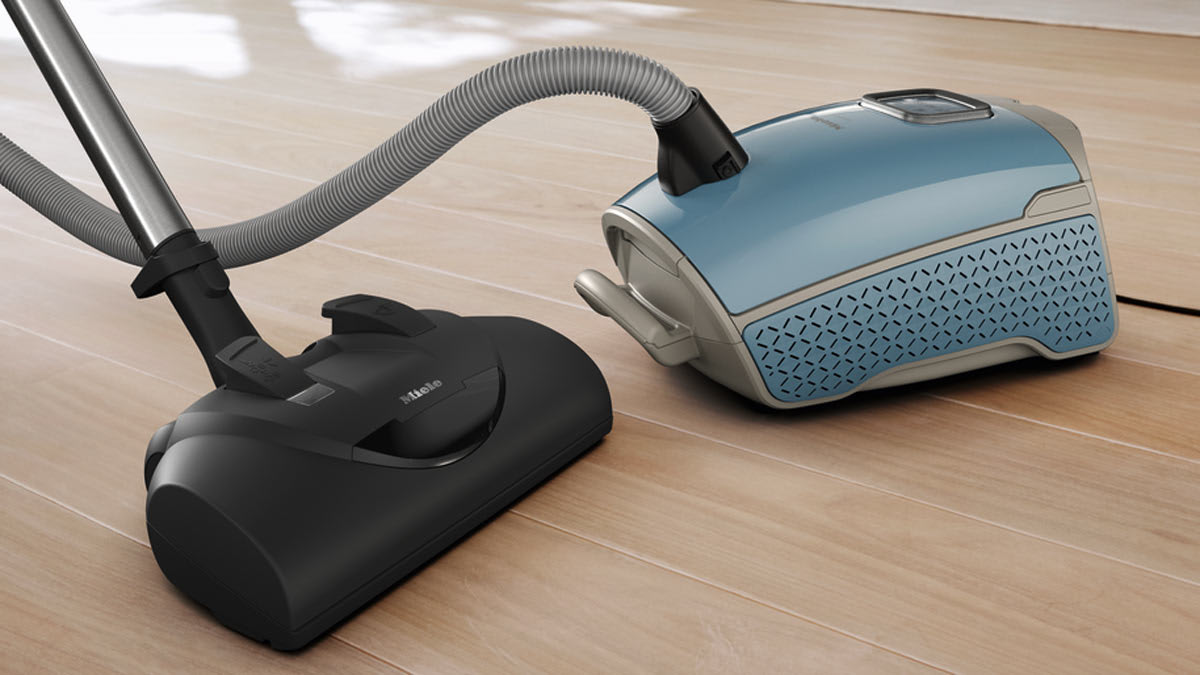
Canister vacuums are popular for hardwood because they usually give you more control at floor level. The motor and dust bin sit in the canister, while the lightweight wand and floor head move across the room with less effort. That setup makes it easier to clean under furniture, along baseboards, and in tight corners without dragging a heavy upright around.
Another big win is the floor head itself. Many canister vacuums come with a hard floor tool that uses soft bristles or felt strips, which helps protect wood finishes. In my experience, that soft-contact design matters more than raw suction power, because hardwood floors need gentle cleaning, not brute force.
Canister vacuums are also good at picking up fine dust that tends to settle into wood grain. That includes pet dander, hair, and everyday grit that can act like sandpaper if left behind. If your goal is to keep hardwood looking smooth and polished, a canister vacuum can be a very practical tool.
What makes a canister vacuum good for hardwood
Not every canister vacuum is a match for wood floors. The best ones share a few important features that make cleaning safer and easier.
Soft floor brush or hardwood attachment
A bare floor attachment is one of the most important parts. Soft bristles help sweep debris toward the suction opening without scratching the finish.
Look for tools labeled as:
• Hard floor brush
• Parquet brush
• Bare floor tool
• Soft roller attachment
Adjustable suction control
Too much suction can make a vacuum hard to push and may cause the head to stick to sealed wood. Adjustable suction lets you dial it down for delicate floors and increase it when you move to rugs.
Rubber wheels and smooth edges
Hard plastic wheels can sometimes leave marks or make noise on wood. Rubberized wheels and a smooth underside help the vacuum glide better and reduce the chance of scuffs.
Strong filtration
Hardwood floors show dust fast, and vacuuming can stir up fine particles if the filtration is weak. A sealed system with HEPA filtration can help trap allergens, which is useful for homes with pets or allergy concerns.
Lightweight wand and flexible hose
A canister vacuum should feel easy to guide. The lighter the wand and the more flexible the hose, the less likely you are to bump furniture or drag debris across the floor.
:max_bytes(150000):strip_icc():focal(2999x0:3001x2)/peo-detail-dyson-omni-glide-at-dyson-hwortock-0013-tout-d2ce917878564140b73db46bf7c38e6d.jpg)
Benefits of canister vacuums for hardwood floors
Canister vacuums bring several real advantages to hardwood floor cleaning, especially in busy homes.
Gentler on finishes
When used with the right attachment, a canister vacuum is usually safer for finished hardwood than a vacuum with a spinning brush roll. That makes it a better fit for floors that already show wear or have a softer finish.
Better reach in hard-to-clean areas
One reason I often recommend canisters is reach. They are great for stairs, under beds, around table legs, and along wall edges where dust likes to hide.
Better control for mixed flooring homes
If you have hardwood in some rooms and area rugs in others, a canister vacuum can be more versatile. You can switch attachments quickly and clean the whole house without changing machines.
Often quieter than uprights
Many canister vacuums run at a lower noise level than bulky upright models. That may not sound like a big deal, but it matters if you vacuum often or live with pets that hate loud sounds.
Helpful for daily dust control
Hardwood floors collect visible dust fast, especially in high-traffic homes. A canister vacuum makes quick cleanups easier, so you can stay ahead of dirt before it gets ground into the finish.

Where canister vacuums can fall short
Even though canister vacuums are good for hardwood floors, they are not perfect for every situation. The wrong setup can cause more frustration than help.
A bad floor head can scratch
The vacuum itself is not the problem most of the time. The problem is usually the attachment. A rough brush, exposed wheels, or a worn head can mark wood if you are not careful.
Too much suction can be annoying
Strong suction can make the tool feel like it is glued to the floor. That can slow you down and make cleaning feel harder than it should.
Some models are awkward to store
Canister vacuums often have more parts than stick vacuums. If your storage space is tight, that can be a hassle.
Cords can slow you down
Many canister vacuums are corded, which gives steady power but limits mobility. For small touch-ups, that extra cord management can feel like one more thing to deal with.
Not all are truly hardwood-friendly
Some models are marketed as multi-surface cleaners but come with brush rolls made mainly for carpet. If you use those on wood, you may not get the gentle clean you want.
How to choose the best canister vacuum for hardwood floors
When I help people compare vacuums, I tell them to start with the floor, not the brand name. Hardwood has specific needs, and the right features matter more than fancy marketing.
Check the floor attachment first
The attachment should be soft, smooth, and made for bare floors. If the floor head looks rough or stiff, keep shopping.
Look for suction settings
You want a vacuum that can clean delicate floors without fighting you. Variable suction is a simple feature that makes a big difference.
Choose a model with sealed filtration
If you or someone in your home has allergies, sealed filtration can help keep fine dust from escaping back into the air. That matters in homes with pets, kids, or lots of foot traffic.
Make sure it feels easy to move
A canister vacuum should glide. If the hose is stiff or the canister is too heavy, you may stop using it as often, which defeats the purpose.
Consider your flooring mix
If your home has hardwood plus area rugs, look for a vacuum with an easy mode switch. That way, you can move from wood to carpet without damaging the floor or changing equipment.
Watch for useful extras
Helpful add-ons can include:
• Crevice tools for baseboards and corners
• Dusting brushes for vents and trim
• Parquet tools for delicate wood
• Pet hair attachments for furniture and stairs

Best practices for vacuuming hardwood floors
A good vacuum helps, but technique matters too. I have seen perfectly fine hardwood get dulled simply because the wrong habits were used over time.
Vacuum with the grain when possible
Cleaning with the grain is not required, but it can help the vacuum head move more smoothly and make dust easier to catch. It also gives the floor a more polished look when you are done.
Empty the bin often
A full dust bin can reduce suction and spread dirt around. Emptying it regularly keeps the vacuum working well and helps with airflow.
Check the wheels and brush area
Small bits of gravel, hair ties, or grit can get caught in the wheels or base. That trapped debris can scratch floors if it is not removed.
Use felt pads on furniture
Vacuuming helps keep floors clean, but furniture legs can still cause damage. Felt pads are a small upgrade that protects the finish between cleanings.
Wipe up spills fast
Vacuuming is for dry debris. If you see water or sticky spills, clean them right away with a hardwood-safe method so moisture does not seep into seams.

Common mistakes to avoid
A lot of hardwood floor damage comes from small, repeated mistakes. The good news is that these are easy to avoid once you know what to watch for.
• Using a beater bar on bare wood
That spinning brush is great for carpet, but it can be too harsh for hardwood unless it turns off completely.
• Skipping the right attachment
A generic floor head is not always safe. Use the tool designed for bare floors.
• Letting grit sit too long
Tiny particles may look harmless, but they act like fine sand under shoes and vacuums.
• Dragging the canister too fast
Quick, jerky motion can bump furniture legs or leave missed spots behind.
• Ignoring maintenance
A dirty filter, clogged hose, or worn wheel can turn a good vacuum into a bad one.
:max_bytes(150000):strip_icc()/spr-lightweight-vacuums-aug-24-test-dyson-outsize-plus-dburreson-001-22-6e6f908579524f109758d4e91e679e89.jpeg)
Are canister vacuums better than upright vacuums for hardwood?
For many homes, yes, canister vacuums are better than upright vacuums for hardwood floors. They are usually lighter to guide, easier to steer around furniture, and more likely to come with a proper hard floor tool.
That said, a good upright with a brush roll that shuts off can also work well. The best choice depends on your home layout, how often you clean, and whether you want one machine for both carpets and wood. In my experience, canisters tend to feel less aggressive on hardwood, which makes them a safer everyday option.
:max_bytes(150000):strip_icc()/peo-detail-dyson-omni-glide-at-dyson-hwortock-0013-974605699866491390499045a70c520f.jpg)
Are canister vacuums good for pets and allergies on hardwood?
Yes, they can be an excellent choice for pet owners and allergy-sensitive households. Pet hair, dander, and fine dust often settle on hardwood, and a canister vacuum with strong suction and HEPA filtration can help remove those particles more effectively.
The key is choosing a sealed model so allergens stay trapped inside. If the vacuum leaks dust back into the air, you lose some of the benefit. For homes with shedding pets, I have found this feature matters almost as much as the floor head itself.

Frequently Asked Questions of Are canister vacuums good for hardwood floors?
Do canister vacuums scratch hardwood floors?
A canister vacuum should not scratch hardwood floors if it has a soft bare floor attachment and clean wheels. Scratches usually come from the wrong tool, trapped grit, or worn parts rather than the vacuum style itself.
Can I use a canister vacuum on unfinished wood floors?
It is better to be cautious with unfinished wood because it is more vulnerable to wear and moisture. Use very gentle suction and a soft attachment, or check the floor manufacturer’s care guidance first.
Are bagged canister vacuums better for hardwood floors?
Bagged models can be a smart choice because they often hold dust more cleanly and reduce mess when emptying. They do not automatically clean better, but they can be better for allergies and cleaner disposal.
How often should I vacuum hardwood floors?
Most homes benefit from vacuuming hardwood at least once or twice a week. If you have pets, kids, or heavy foot traffic, daily spot cleaning may be worth it.
Is a canister vacuum better than a stick vacuum for hardwood?
A canister vacuum is often better for deep cleaning and larger homes because it usually has stronger suction and better tools. A stick vacuum can be faster for quick daily cleanups, but it may not match a good canister for flexibility and dust control.
Conclusion
Canister vacuums are a strong choice for hardwood floors when they use a soft floor tool, adjustable suction, and good filtration. They are gentle, flexible, and often easier to control than many other vacuum types, which makes them a smart fit for keeping wood floors clean without damage.
If you want the best results, focus on the attachment first and the suction second. Choose a model that feels easy to use, clean it well, and avoid harsh brush rolls on bare wood. If you are comparing models, take a closer look at the features that matter most for your floor type, and feel free to explore more cleaning guides or leave a comment with your hardwood floor questions.


8 Comments
Pingback: What Is The Best Canister Vacuum For Allergies: Top Picks - Vacuum Cleaner Tips
Pingback: What Is The Best Canister Vacuum For Stairs: Top Picks - Vacuum Cleaner Tips
Pingback: What Is The Best Canister Vacuum For Large Homes: Top Picks - Vacuum Cleaner Tips
Pingback: Can Canister Vacuums Be Stored Vertically: Safe Storage Tips - Vacuum Cleaner Tips
Pingback: Why Does My Canister Vacuum Have Weak Suction: Fixes - Vacuum Cleaner Tips
Pingback: Why Is My Canister Vacuum Brush Not Spinning: Fixes - Vacuum Cleaner Tips
Pingback: How Long Should A Canister Vacuum Filter Dry: Fast Guide - Vacuum Cleaner Tips
Pingback: Can Canister Vacuums Damage Carpets: What To Know - Vacuum Cleaner Tips