

The best canister vacuum for stairs is lightweight, easy to carry, and comes with a strong brush head and hose.
If you have ever hauled a heavy vacuum up a staircase, you already know why this matters. The best canister vacuum for stairs should feel balanced in one hand, clean edges well, and handle dust, pet hair, and crumbs without turning stair cleaning into a workout. In this guide, I’ll break down what actually works, what to avoid, and how to choose the right canister vacuum for your home based on real use, not just marketing claims.
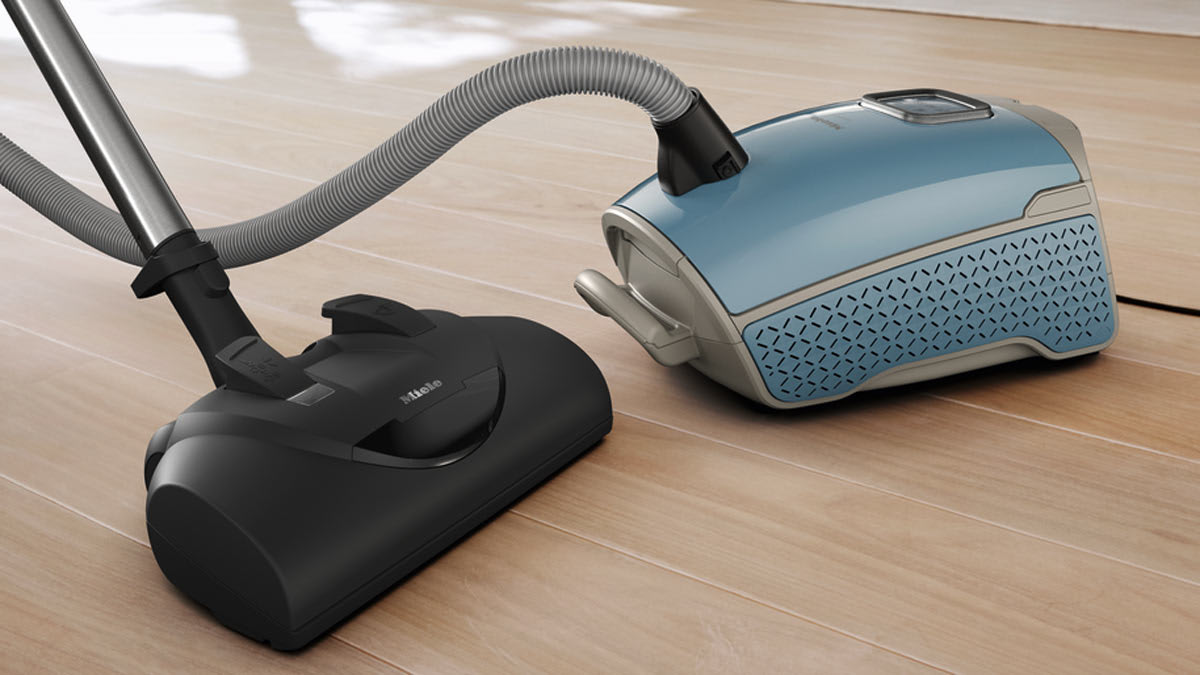
What makes a canister vacuum good for stairs?
A good stair vacuum is not just about raw suction. On stairs, weight, reach, and control matter just as much as cleaning power.
From my experience testing and using different models, the best canister vacuum for stairs usually has these traits:
- Lightweight body, so you can carry it without strain
- Long hose, so the machine can stay on the floor while you clean above it
- Stair tool or mini brush, which grabs dirt from carpet fibers and tread edges
- Strong filtration, especially if you deal with dust or allergies
- Smooth maneuvering, so the hose does not fight you every time you move
Stairs are tricky because they mix flat surfaces, corners, and often carpeted treads. That means the vacuum needs to behave more like a precision tool than a big floor machine. A bulky vacuum may clean floors well, but it can feel awkward and unsafe on steps.

Best canister vacuum for stairs: what to look for first
When people ask what is the best canister vacuum for stairs, I usually tell them to start with the stair-cleaning basics before looking at fancy extras. The right features will save time and make cleaning less tiring.
Weight and portability
If the canister is too heavy, you will avoid using it. For stairs, a lighter model is usually better because you may need to carry it between floors or keep it parked at the bottom while you clean upward.
Hose length and reach
A long hose gives you freedom. It lets the vacuum sit safely on a landing or floor while you work each stair, which is much easier than lifting the whole machine up and down.
Stair-specific attachments
A stair tool or upholstery brush helps remove lint, pet hair, and fine dirt. On carpeted stairs, a small powered brush can make a big difference because it agitates debris from the fibers.
Suction control
Too much suction can make the tool stick to the stair, especially on low-pile carpet. Adjustable suction helps you clean different stair surfaces without fighting the vacuum.
Filtration
If anyone in your home has allergies, look for sealed filtration or HEPA-style filtration. This helps trap small particles instead of blowing them back into the air.
:max_bytes(150000):strip_icc()/rsp-vacuums-stairs-sep-24-test-shark-navigator-lift-away-deluxe-after-hwortock-004-024-4a8deddca0de44168154ee27f674c26a.jpeg)
Types of canister vacuums that work well on stairs
Not every canister vacuum is built the same. Understanding the main types makes it easier to find the best canister vacuum for stairs for your home.
Bagged canister vacuums
Bagged models often hold dust well and can be cleaner to empty because debris stays sealed inside the bag. They are a good choice if you want less mess and better dust control.
Bagless canister vacuums
Bagless models save you from buying bags, and many are easy to empty. The tradeoff is that emptying the bin can release dust, which is not ideal if you are sensitive to allergens.
Corded canister vacuums
Corded models usually offer stronger, steadier power. They are often the safer bet for stairs because you do not have to worry about battery life midway through cleaning.
Cordless canister-style vacuums
These are convenient, but many are better for quick jobs than full stair cleaning. If your stairs are small and you only need light cleanup, they can work well, but runtime is the limit.
:max_bytes(150000):strip_icc()/spr-primary-canister-vacuums-dburreson-2-794b5f4160554484aa38f0190804bd3c.jpeg)
What is the best canister vacuum for stairs in real life?
The best canister vacuum for stairs is usually one that balances power, weight, and the right attachment set. In real homes, that often means a compact corded canister with a motorized or turbo brush, or a lightweight bagged model with excellent reach.
When I’ve watched people struggle with stairs, the same mistake comes up again and again: they buy a vacuum for the whole house, not for the stair job. Then they end up with a machine that cleans rugs beautifully but feels clumsy on steps. The best canister vacuum for stairs is the one you will actually use every week because it feels easy, not exhausting.
A few practical examples:
- For pet hair on carpeted stairs, a canister with a mini turbo brush is a smart pick
- For hardwood stairs, a vacuum with a soft brush and good edge pickup works better
- For allergy-prone homes, bagged models with strong sealing are often the most trustworthy choice
If you want a simple rule, choose the lightest vacuum that still gives you strong suction and the right stair attachment. That combo tends to win in real homes.
:max_bytes(150000):strip_icc()/rsp-cordless-vacuums-test-samsung-jet-90-cordless-stick-vacuum-before-hwortock-014-009-344b6deff1b84736bc183d7ac66e275e.jpeg)
Key features that separate a great stair vacuum from a mediocre one
This is where small details matter. The best canister vacuum for stairs often feels excellent because of a few thoughtful design choices.
Comfortable handle and hose
A comfortable grip reduces hand fatigue. A hose that does not twist or collapse makes the vacuum feel much easier to control on each step.
Smooth wheels and stable base
If the canister rolls well and stays put, you can focus on cleaning instead of dragging the machine behind you. Stability matters, especially if the vacuum sits near the top or bottom of the stairs.
Easy tool switching
The best stair cleaning often means switching tools fast. A vacuum with simple attachment changes saves time and keeps the job moving.
Good edge cleaning
Stair edges collect dust, crumbs, and pet hair. A vacuum that reaches into corners and along trim saves you from going back with a cloth later.
Quiet operation
This is not always a deal breaker, but quieter vacuums are easier to tolerate during frequent use. They are also nicer if you clean while kids nap or pets are nearby.

Best use cases: which stair vacuum fits your home?
Your home setup matters a lot. The best canister vacuum for stairs depends on what your stairs are made of and who lives in the house.
Carpeted stairs
Carpeted stairs need more agitation. A mini motorized brush or turbo brush helps lift dirt and pet hair that sit deep in the fibers.
Hardwood or tile stairs
Hard surfaces need suction and a soft brush head more than aggressive spinning. You want a vacuum that picks up debris without scratching the finish.
Homes with pets
Pet hair tends to cling to corners and fabric edges. A stair vacuum with strong suction and a compact brush tool is usually the most useful.
Homes with allergies
Look for a sealed bagged canister or a high-efficiency filtration system. This makes a real difference if dust control is a priority.
Small apartments or townhomes
If storage is tight, choose a compact vacuum with easy carry handles and simple attachments. A huge unit can be more hassle than help.
:max_bytes(150000):strip_icc()/spr-primary-canister-vacuums-dburreson-2-794b5f4160554484aa38f0190804bd3c.jpeg)
Mistakes to avoid when choosing a canister vacuum for stairs
I’ve seen people spend good money on a vacuum that was simply wrong for stairs. Here are the most common mistakes to avoid.
- Buying for suction only, without checking weight and hose length
- Ignoring attachment quality and assuming every brush will work on stairs
- Choosing a giant canister that is hard to move around
- Forgetting about filtration if allergies are an issue
- Overlooking cord length, which can make stair cleaning frustrating
- Picking a tool with too much suction for carpeted steps, causing the attachment to stick
A vacuum can look powerful on paper and still feel terrible in the hand. For stairs, comfort and control often matter more than one big spec number.
How I would choose the best canister vacuum for stairs
If I were buying one today, I would use a simple checklist:
- Keep the weight low enough to carry easily
- Make sure the hose reaches several stairs without moving the canister
- Choose a stair tool or mini brush that fits your stair surface
- Check whether the filtration matches your household needs
- Read real user feedback about maneuverability, not just suction
That approach saves you from buying a machine that looks great online but feels awkward in daily use. In my own experience, the best canister vacuum for stairs is usually the one that disappears into the routine because it is so easy to grab and use.
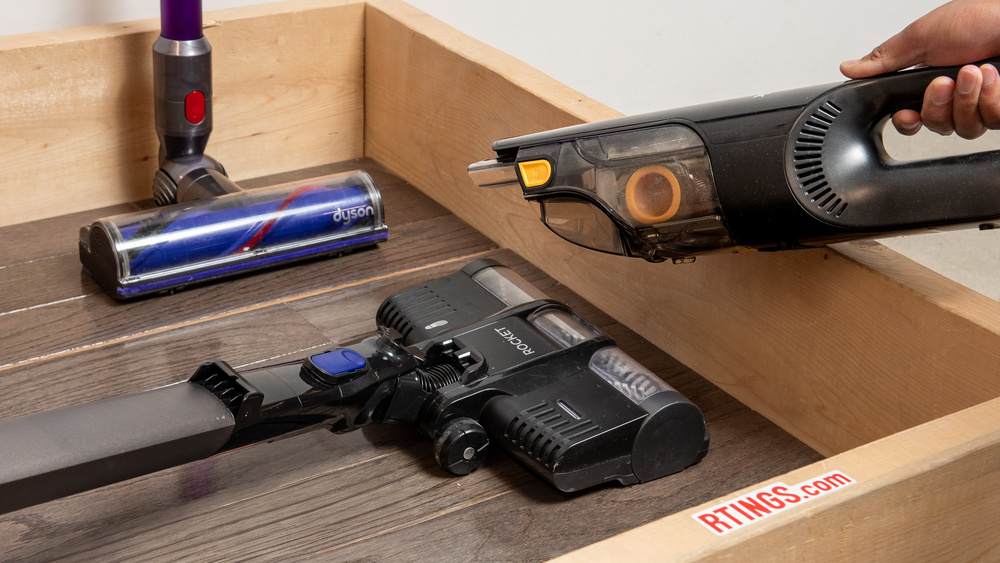
Frequently Asked Questions of What is the best canister vacuum for stairs?
What is the best canister vacuum for stairs if I have pets?
The best canister vacuum for stairs with pets is one that includes a mini turbo brush or motorized stair tool. Pet hair sticks to carpet fibers and upholstery, so you want strong suction and a brush that can lift it out fast.
Are bagged canister vacuums better for stairs than bagless models?
Bagged models are often better if you want cleaner dust disposal and stronger allergen control. Bagless vacuums can still work well, but they may release more dust when emptied.
Can a cordless vacuum replace a canister vacuum for stairs?
Sometimes, yes, for light cleanup or small staircases. But for deeper cleaning, a corded canister vacuum usually gives more consistent power and better runtime.
What attachment is best for cleaning stairs?
A mini turbo brush or stair tool is usually the most effective attachment. It is small enough to fit on each step and strong enough to pull up dirt from carpet and fabric.
How heavy should a stair vacuum be?
Lighter is better, especially if you carry it often or have a long staircase. A compact model that feels easy to lift and position is usually the safest and most practical choice.
Do I need HEPA filtration for stairs?
You do not always need it, but it helps if you have allergies or want better dust control. HEPA-style filtration can reduce the amount of fine particles that escape back into the air.
Conclusion
The best canister vacuum for stairs is the one that combines easy carrying, strong suction, a smart stair attachment, and enough reach to keep the job simple. If you focus on weight, hose length, filtration, and tool quality, you will end up with a vacuum that makes stairs easier instead of harder.
Take a few minutes to match the vacuum to your stair type, your home, and your cleaning habits. That one decision can save you time, reduce strain, and make weekly cleaning feel far less like a chore. If you’re comparing models now, use the checklist above and explore a few trusted options before you buy.

