

Battery-powered leaf blowers are worth it for many users who want quiet, low-maintenance yard work.
I have tested and used battery-powered leaf blowers for years on small and medium yards. This guide explains when a battery-powered leaf blower makes sense, what trade-offs to expect, and how to pick the right model. Expect practical tips, clear comparisons with gas and corded tools, and honest pros and cons to help you decide.

Why consider battery-powered leaf blowers?
Battery-powered leaf blowers offer a balance of convenience and performance. They start instantly. They are lightweight. They run quietly. For many people this is enough reason to switch from gas.
Key advantages of battery-powered leaf blowers
- No fumes and lower emissions during use, making them better for your health and the environment.
- Much lower noise levels, which helps with early-morning or evening yard work and neighborhood rules.
- Less maintenance. No oil changes, carburetor work, or pull starts.
- Instant starts every time. Battery-powered leaf blowers fire up with a button.
Common limitations to know
- Runtime depends on the battery and load. Heavy blowing reduces run time.
- Peak power can lag behind top gas models for large properties or wet debris.
- Battery replacement adds cost over time.
If you want clean, quick yard cleanup without the hassles of gas, a battery-powered leaf blower is often the best choice. I explain how to match models to needs below.
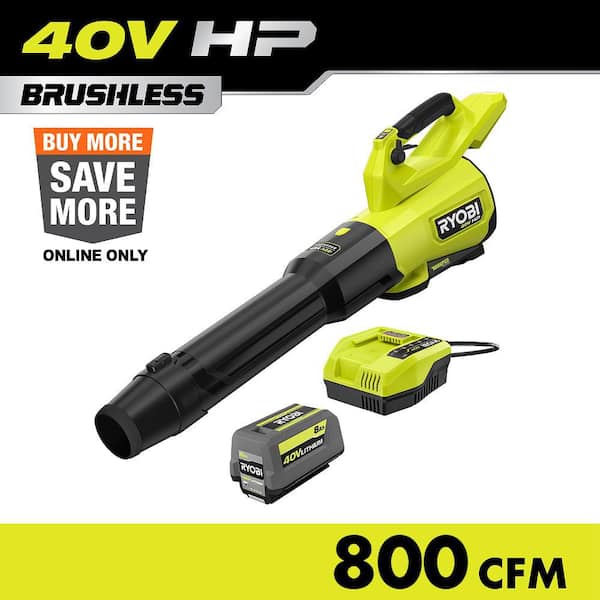
Battery vs gas vs corded: performance and trade-offs
Choosing between battery-powered leaf blowers, gas, and corded models comes down to power, run time, convenience, and budget.
Power and performance
- Gas models deliver the highest sustained power for large jobs and heavy, wet leaves.
- Corded electric models give consistent power but limit range with a cord.
- Battery-powered leaf blowers now approach gas power for most homeowner tasks while offering better ease of use.
Run time and range
- Battery-powered leaf blowers typically run 15 to 60 minutes per battery, depending on power setting and blower size.
- Dual-battery models extend runtime and perform better on high power settings.
- Corded blowers run indefinitely but tether you to an outlet.
Noise and regulations
- Battery-powered leaf blowers are much quieter than gas. This makes them better for HOA areas and noise-sensitive neighborhoods.
- Many cities restrict gas blower use on certain days; battery options avoid many local bans.
Costs and total ownership
- Upfront cost for battery-powered leaf blowers is often lower than high-end gas models.
- Over time, fuel and maintenance costs of gas units can outpace battery replacement costs.
- If you already own a battery system from a brand, adding a compatible blower can be very cost-effective.
Real choice tip: For yards under 1 acre, a midrange battery-powered leaf blower covers most tasks. For large rural properties with dense wet debris, gas still has an edge.

PAA-style questions
Are battery-powered leaf blowers powerful enough for wet leaves?
Yes. High-end battery-powered leaf blowers can move wet leaves, but they use more battery and run time will drop. For very heavy, soggy debris, gas models still have an advantage.
How long do batteries usually last in a blower?
Most batteries deliver 15 to 60 minutes depending on the battery size and power setting. Using lower power or a larger battery extends runtime.
Can one battery brand work across tools?
Some brands use a shared battery platform across tools, which saves money and increases flexibility. Check compatibility before buying.
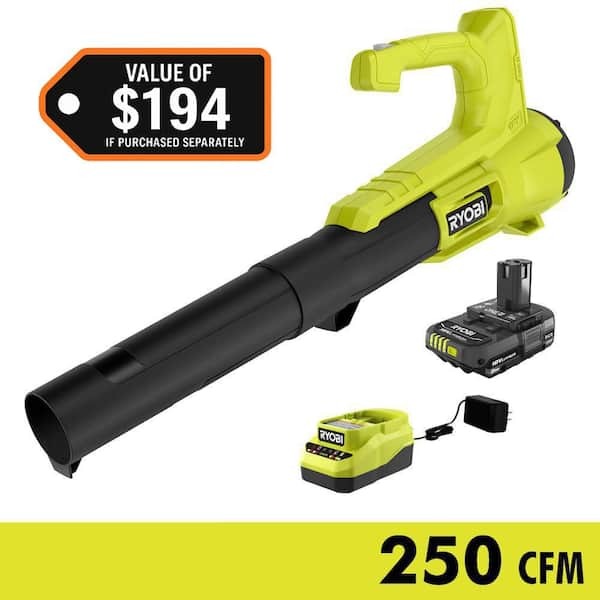
Key factors to choose the right battery-powered leaf blower
Pick a blower by matching specs to how you use it. Here are the essentials.
Important specs and what they mean
- Airflow (CFM) shows how much air the blower moves. Higher CFM helps clear large piles.
- Airspeed (MPH) measures how fast the air travels. Higher MPH helps dislodge stuck debris.
- Voltage indicates battery strength. Higher voltage often correlates with more power.
- Runtime per battery tells how long the blower will run at a given setting.
- Weight affects fatigue. Lighter blowers are easier for long sessions.
- Battery system compatibility can reduce long-term costs if you use the same brand batteries across tools.
Practical selection checklist
- For sidewalks, patios, and light yards: choose a compact model with 18–36V.
- For medium yards up to half an acre: aim for 40–56V and 400–600 CFM.
- For larger yards or heavier debris: choose 56V+ with higher CFM and consider dual batteries.
- Prioritize battery brand ecosystem if you plan more battery tools.
Buying tip: Test feel and balance in store. Specs matter, but ergonomics determine how long you can use the blower comfortably.

Real-world performance and my experience
I started using battery-powered leaf blowers five years ago on a suburban half-acre lot. Early models lacked runtime, but modern 40–60V units handle most seasonal tasks.
What I learned from hands-on use
- Rotate batteries. I keep one charging and one ready to swap. This avoids downtime.
- Use lower power for dry leaves and higher power for wet piles. This extends battery life.
- A blower with variable speed is more useful than a raw power number. It lets you tune performance and runtime.
- Investing in a second battery is often the best single upgrade for busy yards.
A typical week with a battery-powered leaf blower
- Quick morning cleanups take 5–10 minutes and often use under 20% battery.
- Monthly heavy sessions with damp leaves need two full batteries or a short recharge break.
- The quiet run and instant starts saved neighbors’ complaints, especially on weekends.
My honest takeaway: For typical homeowners, battery-powered leaf blowers deliver convenience and performance. They replaced my gas blower for 90% of tasks.

Maintenance, battery care, and total cost of ownership
Battery-powered leaf blowers need less upkeep than gas models. Still, batteries require care to maximize life.
Simple maintenance checklist
- Clean the blower inlet and nozzle after each use to prevent clogs.
- Store batteries in a cool, dry place and avoid extreme heat or cold.
- Charge batteries to about 30–80% for long-term storage to prolong health.
- Update firmware on brushless models if the brand offers updates.
Battery lifecycle and replacement cost
- Typical lithium-ion batteries keep good capacity for 2 to 5 years under normal use.
- Replace batteries when runtime drops significantly. Replacement cost varies by brand and capacity.
- Factor in one or two replacement batteries over the life of a blower when comparing long-term costs.
Cost comparison example
- Yearly fuel and maintenance for a gas blower can add up fast.
- Battery-powered leaf blowers may cost more initially but often spend less over 3–5 years with lower maintenance and no fuel.
Practical money tip: Buy a blower from a brand with a strong battery ecosystem. Shared batteries reduce the cost per tool.

Environmental and neighborhood benefits
Battery-powered leaf blowers reduce local pollution and noise. That matters for people and places.
Environmental upside
- Zero tailpipe emissions during operation. This lowers local air pollution compared with gas models.
- Reduced fossil fuel consumption supports broader emissions goals over time.
- Less oil and fuel handling means fewer spill risks and cleaner storage.
Neighborhood and health benefits
- Lower noise helps maintain good relations with neighbors and meets noise ordinances.
- Less exhaust reduces exposure to harmful particulates for people doing yard work.
- Some municipalities encourage or require electric equipment for certain jobs and seasons.
Limitation and transparency
- Battery production does have environmental costs. Proper recycling and long battery life improve the overall footprint.
- Real environmental benefit depends on how the electricity for charging is produced.

Frequently Asked Questions of Are battery-powered leaf blowers worth it?
Are battery-powered leaf blowers as powerful as gas blowers?
Battery-powered leaf blowers are nearly as powerful for most homeowner tasks, but top gas models still lead on sustained power for very large jobs and wet debris.
How long will a battery-powered leaf blower run on a charge?
Most battery-powered leaf blowers run 15 to 60 minutes per battery depending on the voltage, battery capacity, and power setting used.
How do I extend battery life for my blower?
Store batteries in cool, dry places, avoid full-depth discharges, and charge to 30–80% for long-term storage to extend battery life.
Are replacement batteries expensive?
Replacement batteries cost vary by voltage and capacity, but you can often extend value by using a common battery platform across multiple tools.
Is a battery-powered leaf blower good for large yards?
For large yards, choose higher-voltage models or dual-battery systems; however, for very large properties or commercial use, gas blowers may still be more practical.
Final thoughts
Battery-powered leaf blowers offer a strong mix of convenience, low maintenance, and quiet operation. For most homeowners, they cover routine cleanup with ease. If you value instant starts, clean air, and neighbor-friendly noise levels, a battery-powered leaf blower is worth the investment.
Try a model in person to check weight and balance, buy at least one spare battery for heavy sessions, and pick a battery ecosystem that fits your future tool plans. Share your experience below or subscribe for more hands-on gear advice.

