

Yes — a leaf blower can pick up leaves, but effectiveness depends on type, conditions, and attachments.
I have used, tested, and repaired many blowers over the years. I know which models move leaves and which only scatter them. This guide explains when a leaf blower will pick up leaves, how to get the best results, what to avoid, and real-world tips from my yard work experience. Read on to learn exactly when a leaf blower pick up leaves well, when it won't, and how to make it work for your cleanup tasks.

How leaf blowers work
Leaf blowers push air to move debris. They use two key measures: CFM (cubic feet per minute) and MPH (miles per hour). CFM tells how much air moves. MPH shows the air speed. High CFM helps move heavy piles. High MPH breaks up wet clumps and pushes items across hard surfaces.
Some blowers add a vacuum mode. This lets the tool suck and shred leaves into a bag. Conversion kits or two-in-one machines use internal impellers to chop leaves for easier disposal. Knowing these facts helps you pick the right tool for the job.
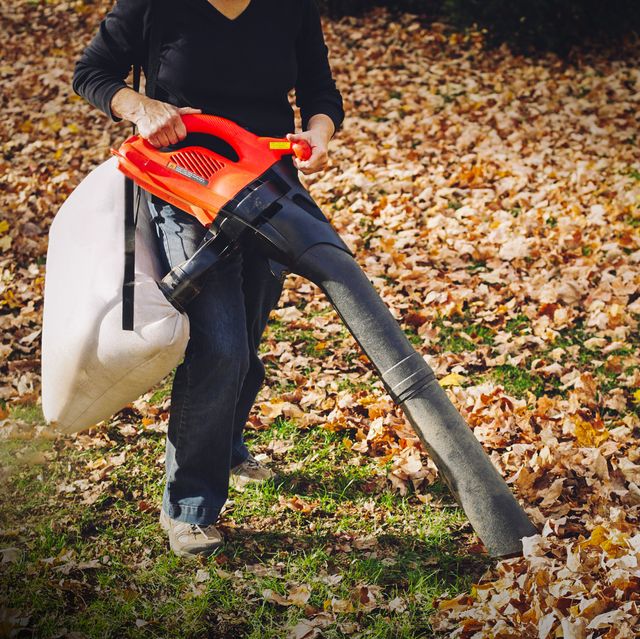
Types of leaf blowers and pick-up ability
Handheld blowers
- Light and handy for small yards.
- Good at blowing and piling leaves.
- Limited suction; most cannot pick up large amounts.
Backpack blowers
- More power and higher CFM.
- Better at moving heavy piles and some vacuum attachments.
- Heavier and pricier.
Wheeled or walk-behind blowers
- Excel at collection and mulching.
- Designed to pick up leaves and bag them.
- Best for large yards and heavy leaf fall.
Electric vs gas vs battery
- Gas gives raw power and high CFM.
- Corded electric is light with steady power.
- Battery models balance power and quiet operation.
- Battery tech now rivals small gas models for pickup tasks.
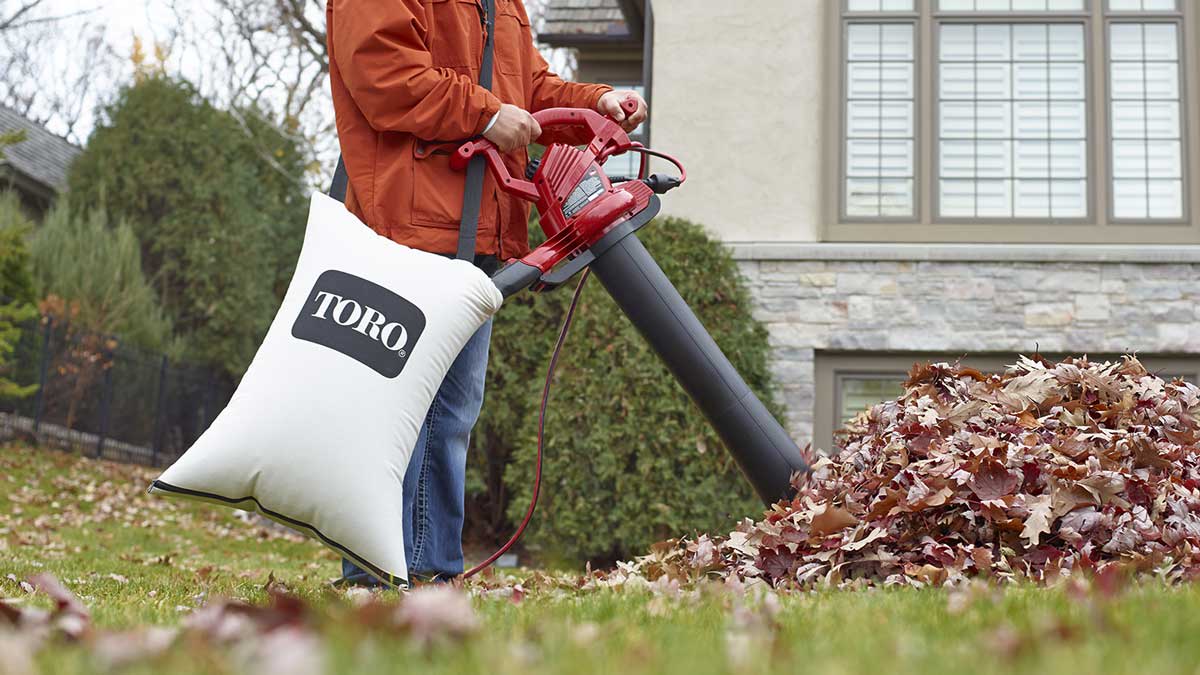
Vacuum-mulcher blowers
- Built for pickup and shredding.
- Use an intake housing and bag.
- Ideal when you want to collect and reduce leaf volume.
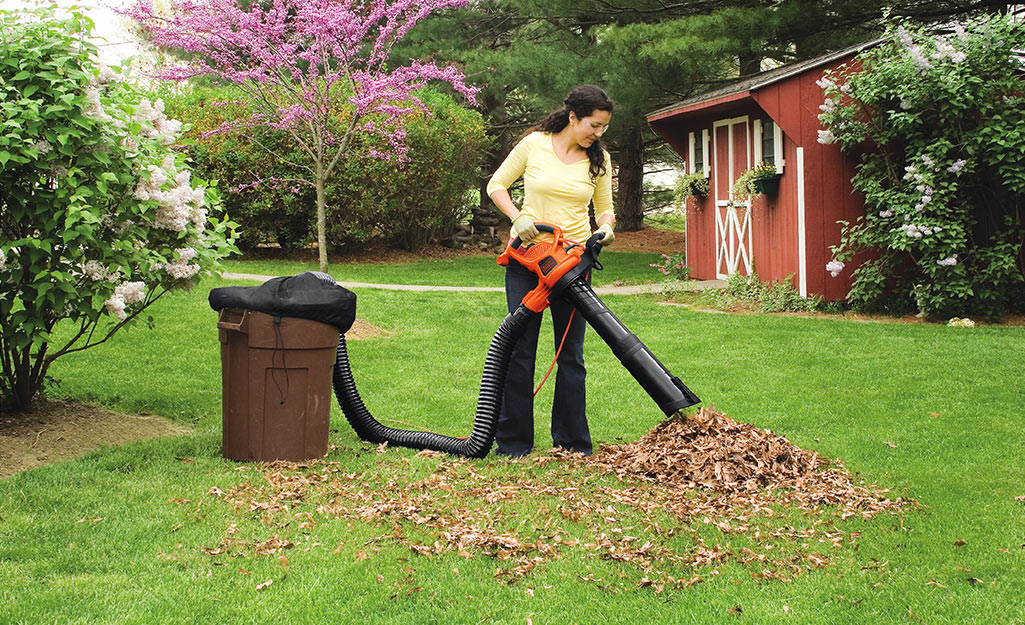
Can a leaf blower pick up leaves?
Short answer: yes, sometimes. The full answer depends on a few things. A blower alone pushes leaves well. Picking them up requires suction or a collection system. Models labeled as vacuum or vacuum-mulchers can pick up leaves into a bag. Regular blowers without vacuum mode cannot truly pick up leaves; they only move them.
Factors that affect whether a leaf blower pick up leaves
- Type of blower: vacuum-capable units pick up leaves; pure blowers do not.
- Leaf condition: dry leaves are easy to move and vacuum; wet leaves cling and resist pickup.
- Surface: hard surfaces let leaves slide into hoses more easily than mulch or grass.
- Leaf size and pile: small piles and loose leaves pick up easily; dense piles may clog.
- Attachments: nozzle shapes, vacuum tubes, and mulching impellers matter.
PAA-style questions
- Will any blower vacuum up leaves? Some models include a vacuum function. Only those with an intake housing and bag will pick up leaves properly.
- Do wet leaves pick up with a blower? Wet leaves are harder to pick up. They stick together and may clog bags or impellers.
- Is high CFM or high MPH more important for pickup? High CFM helps move larger volumes and aids vacuum flow; high MPH breaks leaf clusters apart.
If your goal is to pick up leaves, choose a blower with vacuum or buy a dedicated leaf vacuum. For most homeowners, a vacuum-mulcher or wheeled collector gives the best pickup performance.
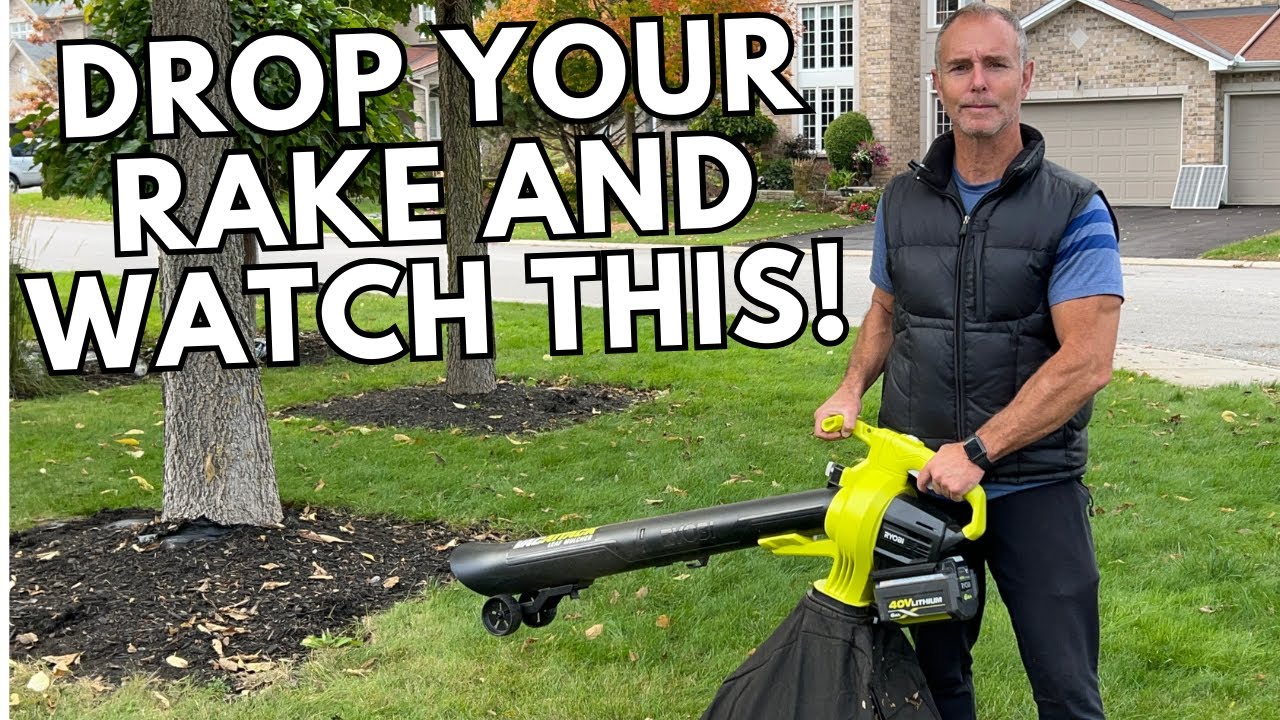
Best practices to pick up leaves with a blower
Prepare your work area
- Wait for dry weather when possible.
- Remove large branches and obstacles first.
Set up efficient piles
- Blow leaves into small, tight piles.
- Use a sweeping motion to guide leaves toward the intake.
Use the right mode and attachment
- Switch to vacuum mode or attach a collection kit.
- Use a wide nozzle for blowing and a tapered hose for vacuuming.
Work with the surface
- On hard surfaces, angle the nozzle to slide leaves toward the intake.
- On grass, lift slightly to avoid pulling turf.
Bagging and mulching
- Shred leaves before bagging when possible.
- Keep an eye on bag fill to avoid clogs.
Safety and pacing
- Wear eye and ear protection.
- Take breaks to clear clogs and prevent overheating.
These steps help a leaf blower pick up leaves more reliably. Small changes in technique yield big results.

Limitations and common problems
Wet leaves and snow
- Wet leaves clump and stick to surfaces.
- Blowers struggle to vacuum wet piles; mulchers can clog.
Small debris and mulch
- Fine debris and dirt reduce vacuum efficiency.
- Mulching impellers wear faster with grit.
Noise and local rules
- Many places restrict gas blower use by time or season.
- Noise complaints are common in dense neighborhoods.
Machine wear and clogs
- Repeated heavy vacuuming strains motors and belts.
- Bags and tubes clog; clean often.
Not all blowers can pick up leaves
- Many cheap handheld blowers only push air.
- Read specs for CFM, vacuum function, and bag capacity.
Knowing limitations avoids frustration. Choose the right tool for the task and adapt technique to conditions.
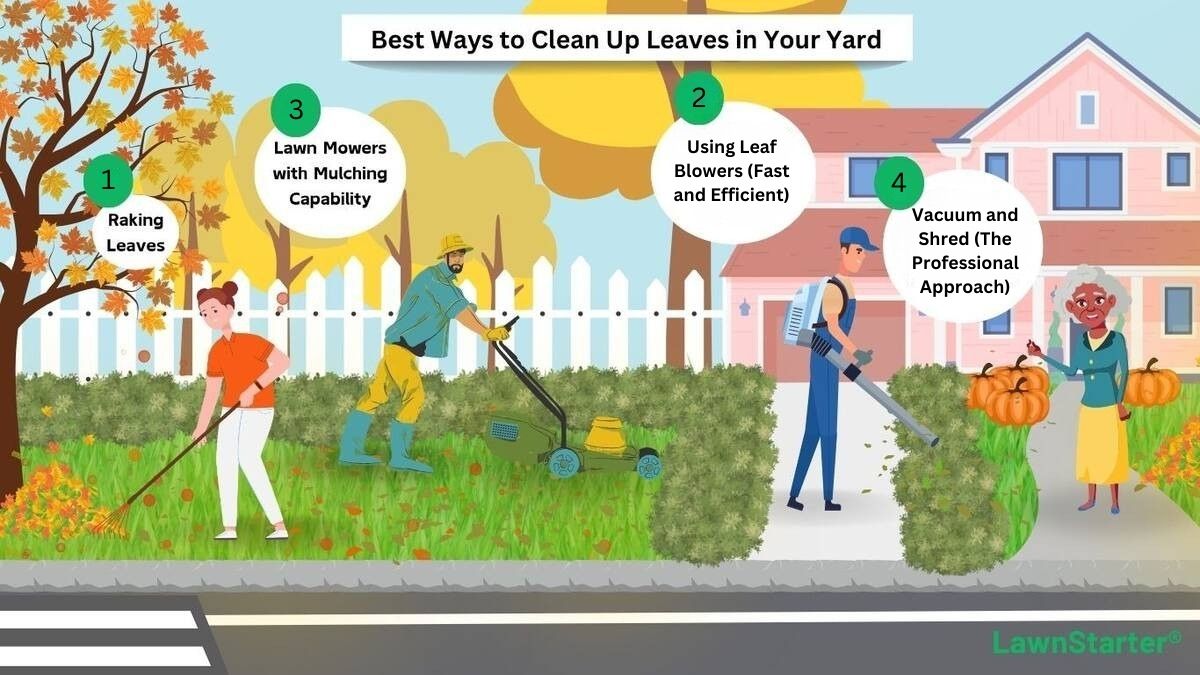
Alternatives and complementary tools
Rakes
- Low cost and precise control.
- Quiet and good for tight spaces.
Lawn sweepers
- Mechanical collector that rolls over grass.
- Works well for moderate leaf loads.
Lawn mowers with bagging
- Cuts and collects leaves into a bag.
- Best during light leaf fall.
Dedicated leaf vacuums and mulchers
- Designed specifically to pick up and shred leaves.
- Often more efficient than blower/vacuum combos.
Hire a service
- Practical for large properties or heavy fall.
- Saves time and reduces equipment needs.
Combining tools often gives the best results. I use a blower to gather and a mower or sweeper to collect. This cuts time and effort.

Personal experience and practical tips
I learned to choose tools by testing in real yards. Small handheld blowers scattered wet leaves until I switched to a vacuum-mulcher. A backpack blower helped for tight corners. A wheeled collector won for large properties.
Mistakes I made
- Trying to pick up wet leaves with a pure blower.
- Overfilling bags and causing clogs.
- Ignoring local noise rules and getting complaints.
What worked best
- Waiting for dry mornings.
- Using a blower to gather, then a mower or sweeper to collect.
- Regular maintenance to keep suction strong.
Try a small test area first. See how well your tool handles the leaves. Adjust technique or tool choice from there.
Maintenance, safety, and environmental notes
Maintenance tips
- Clean filters and impellers regularly.
- Inspect hoses and bags for wear.
- Recharge batteries properly and follow fuel guidelines.
Safety
- Wear eye protection, hearing protection, and gloves.
- Keep bystanders and pets away.
- Turn off the machine before clearing clogs.
Environmental considerations
- Use battery or electric blowers to reduce emissions.
- Mulch leaves to return nutrients to the soil.
- Follow local rules about noise and yard waste disposal.
Proper care extends life and keeps suction working. Safe habits protect you and your neighbors.
Frequently Asked Questions of Can a leaf blower pick up leaves?
Can any leaf blower pick up leaves?
Only blowers with a vacuum or collection mode can pick up leaves. Pure blowers push leaves but do not collect them.
Will a leaf blower pick up wet leaves?
Wet leaves are harder to pick up. They tend to clump and can clog vacuum systems.
Is a backpack blower better at picking up leaves?
Backpack blowers offer higher power and better airflow. They can handle tougher jobs and often pair well with vacuum kits.
How do I turn a blower into a vacuum?
Some models include a vacuum kit or conversion kit. Attach the inlet tube and bag, and follow the manufacturer’s instructions.
Does mulching damage a lawn?
Mulching shredded leaves can benefit soil when done correctly. Avoid over-mulching on thin lawns to prevent smothering grass.
Conclusion
A leaf blower can pick up leaves when it has a vacuum function or when paired with the right collection tool. Dry leaves, the right blower type, and proper technique make pickup efficient. For large or wet loads, choose a dedicated vacuum-mulcher or complementary tool. Try a small test, follow safe practices, and maintain your equipment. If you found this helpful, try the tips this weekend, share your results below, or subscribe for more yard-care guides.

