

Most lawn sweepers last between 5 and 15 years with proper care and normal use.
I’ve spent years testing and repairing yard equipment, and I’ll walk you through exactly how long do lawn sweepers last, why lifespans vary, and what you can do to get the most life from yours. This guide covers types, real-world examples, maintenance plans, warning signs, buying tips, and honest trade-offs so you can make a smart choice and avoid surprise replacements.
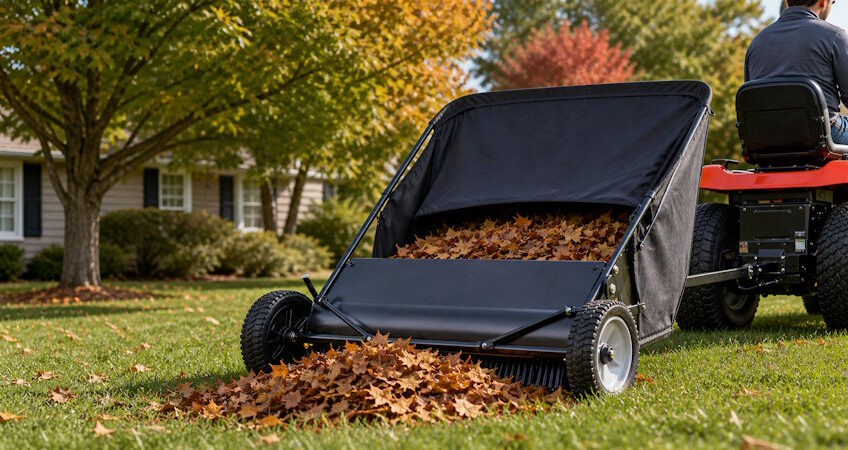
Types of lawn sweepers and typical lifespans
There are three common types of lawn sweepers. Each type wears differently and lasts a different time.
- Push sweepers
- Typical lifespan: 5 to 10 years with normal use.
- Best for small yards and light debris.
- Tow-behind sweepers
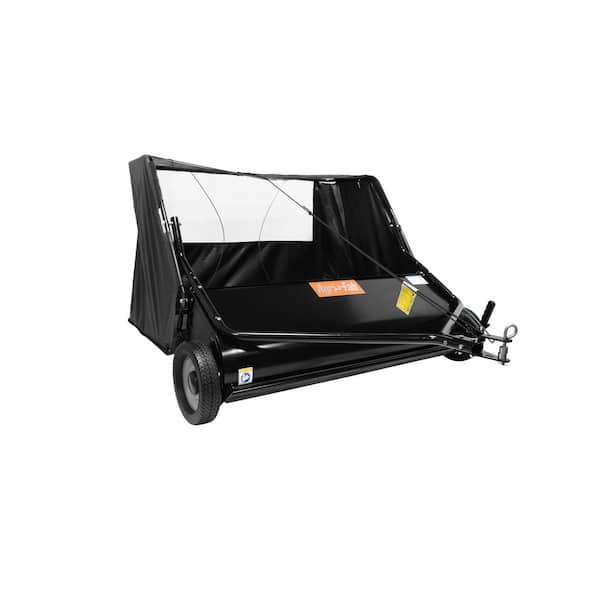
- Typical lifespan: 7 to 15 years when used behind an ATV or mower.
- Built stronger but used more, so parts wear too.
- Electric/self-propelled sweepers
- Typical lifespan: 4 to 12 years, depending on battery and motor care.
- Batteries often need replacement sooner than the machine.
How long do lawn sweepers last? The answer depends on type, use, and care. I’ve seen well-maintained tow-behind models run well past a decade. I’ve also seen cheap push sweepers fail in just a couple of seasons.
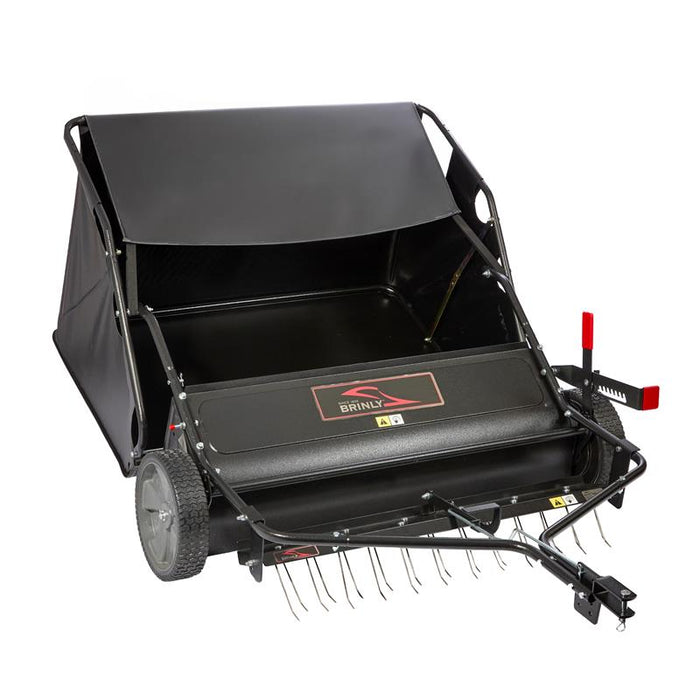
Key factors that determine how long lawn sweepers last
Several factors decide how long a lawn sweeper lasts. Knowing them helps you predict cost and plan maintenance.
- Build quality
- Heavy steel frames last longer than thin plastic.
- Gears and bearings made from metal last longer than plastic ones.
- Frequency and intensity of use
- Daily use on large properties wears parts faster.
- Occasional backyard use extends life.
- Type of debris picked up
- Fine leaves are easier on brushes than heavy sticks, stones, or wet material.
- Gravel and thick mulch speed wear.
- Storage and weather exposure
- Kept indoors and dry: longer life.
- Left in rain and sun: parts rust and fade, batteries die faster.
- Maintenance habits
- Cleaning, lubrication, and brush replacement add years.
- Ignoring worn brushes and belts shortens life.
How long do lawn sweepers last often comes down to simple habits. I once repaired a sweeper that had five years of heavy use but looked new because the owner cleaned and stored it properly.
Common user questions (PAA-style)
How often should I replace brushes?
- Replace brushes when they wear down to about 50% of original length or stop contacting the lawn evenly. This often means once a season for heavy use.
Will a cheaper sweeper save money?
- It might save upfront cost but often needs more repairs and may last only a few seasons. A mid-range model with steel parts often gives better value over time.
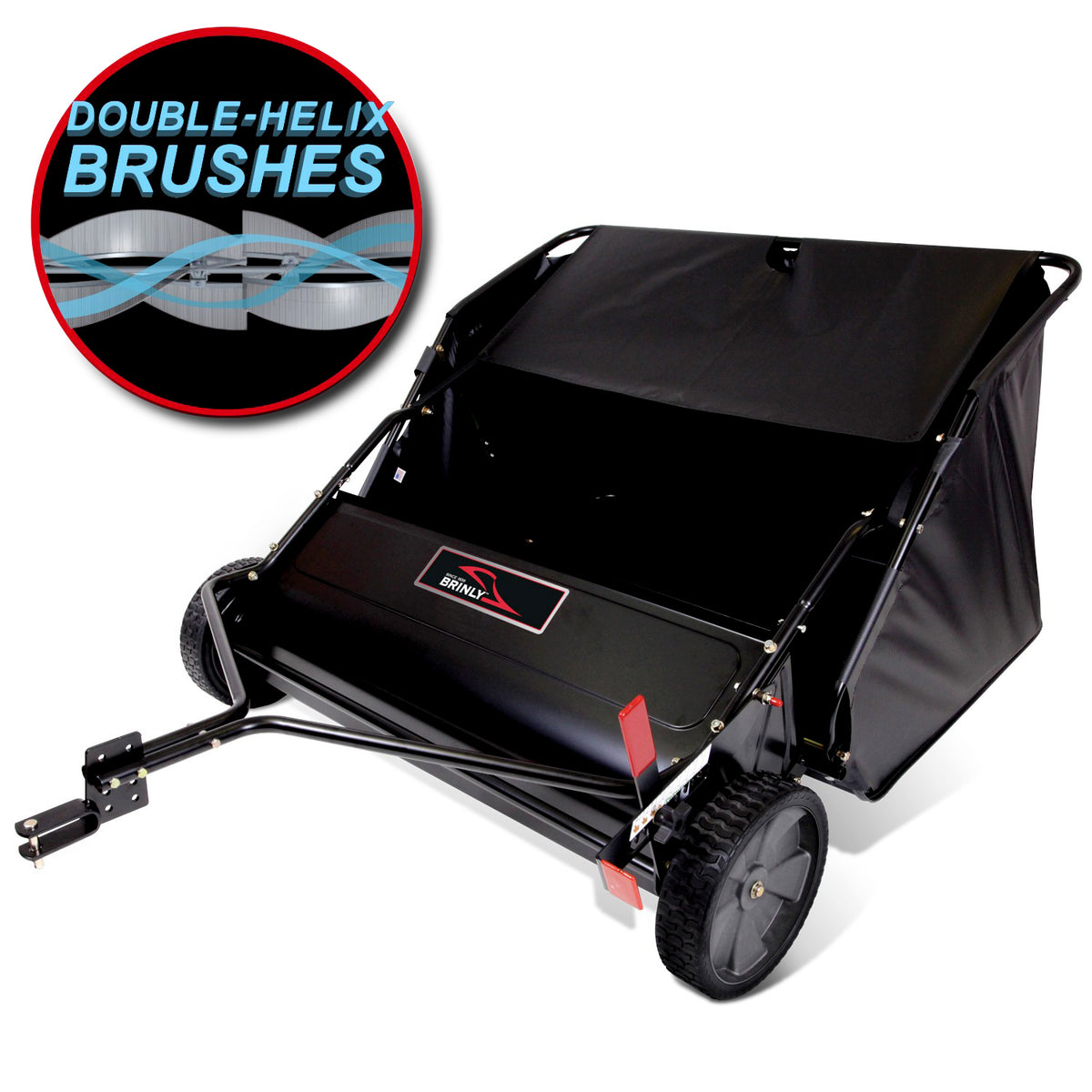
Maintenance practices to extend lifespan
Good maintenance is the single biggest factor that affects how long do lawn sweepers last. Small actions pay off big.
- Clean after each use
- Remove debris from brushes, hopper, and wheels.
- Rinse and let dry to prevent rust.
- Inspect and replace wear parts
- Check brushes, belts, and bearings every few months.
- Replace parts before they fail to avoid secondary damage.
- Lubricate moving parts
- Grease bearings and pivot points as recommended.
- Use light oil on chains and linkages.
- Protect from elements
- Store indoors or under a cover.
- Remove battery and store it warm in winter for electric models.
- Follow manufacturer service intervals
- Use recommended parts and torque settings.
- Keep a simple log of repairs and part changes.
From my workshop notes, machines that get a quick cleaning and lubrication every month last several years longer. Preventive care is cheap and easy.
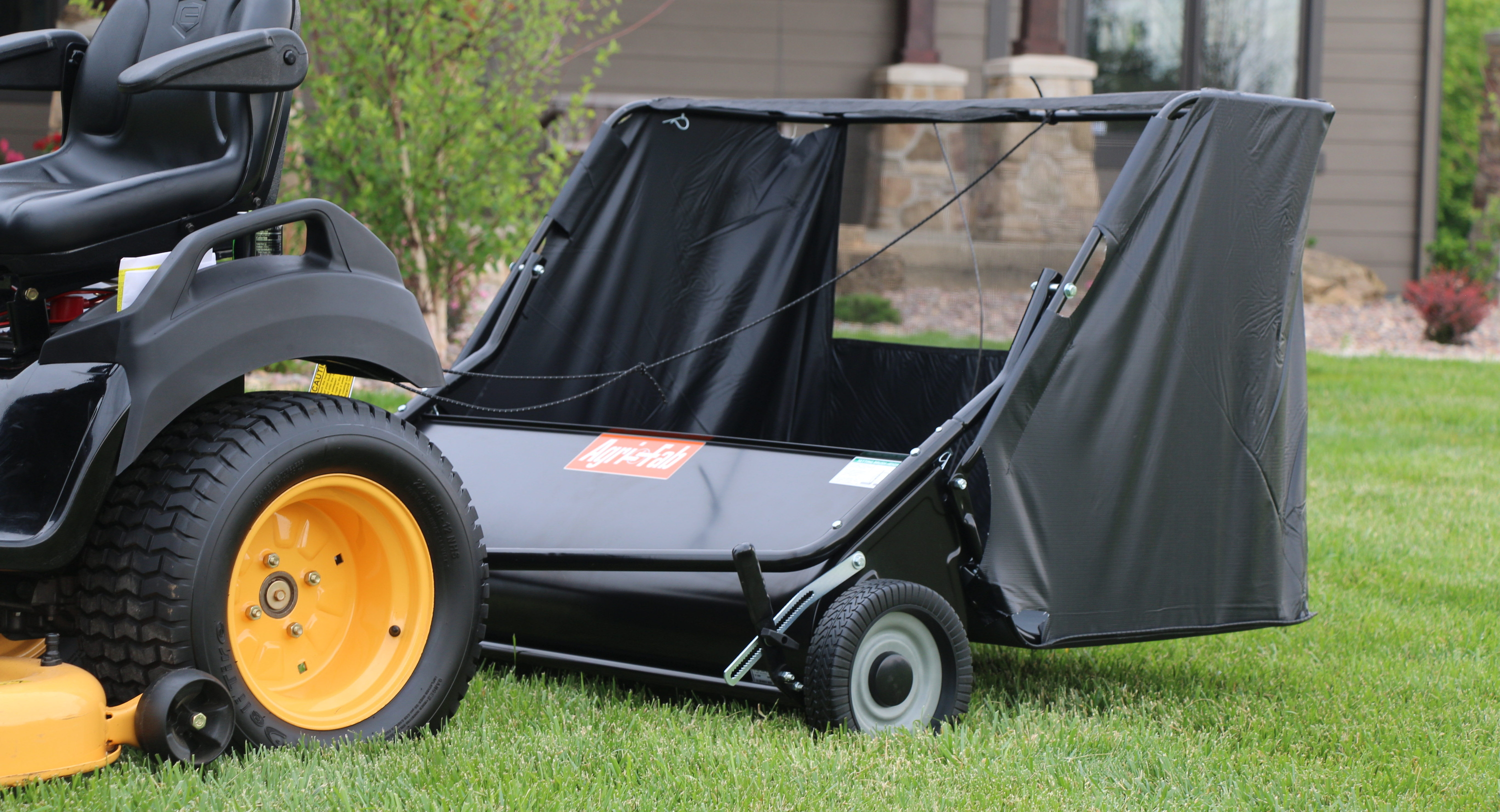
Signs your lawn sweeper is nearing the end of life
Knowing the signs helps you decide whether to repair or replace. These signs show when how long do lawn sweepers last is nearly reached.
- Reduced sweeping performance
- Leaves and debris remain after passes.
- Worn brushes or bent brushes often cause this.
- Excessive vibration or noise
- Worn bearings or bent axles need attention.
- Ignoring this leads to bigger damage.
- Repeated part failures
- If you replace the same part often, it may be time for a new unit.
- Rusted or cracked frame
- Structural damage makes repair uneconomical.
- Unavailable replacement parts
- Older or cheap models may lack parts, forcing replacement.
I once kept a sweeper running by replacing brushes annually. When the frame cracked, repairs cost more than a new unit. Learn from that: watch structural wear early.
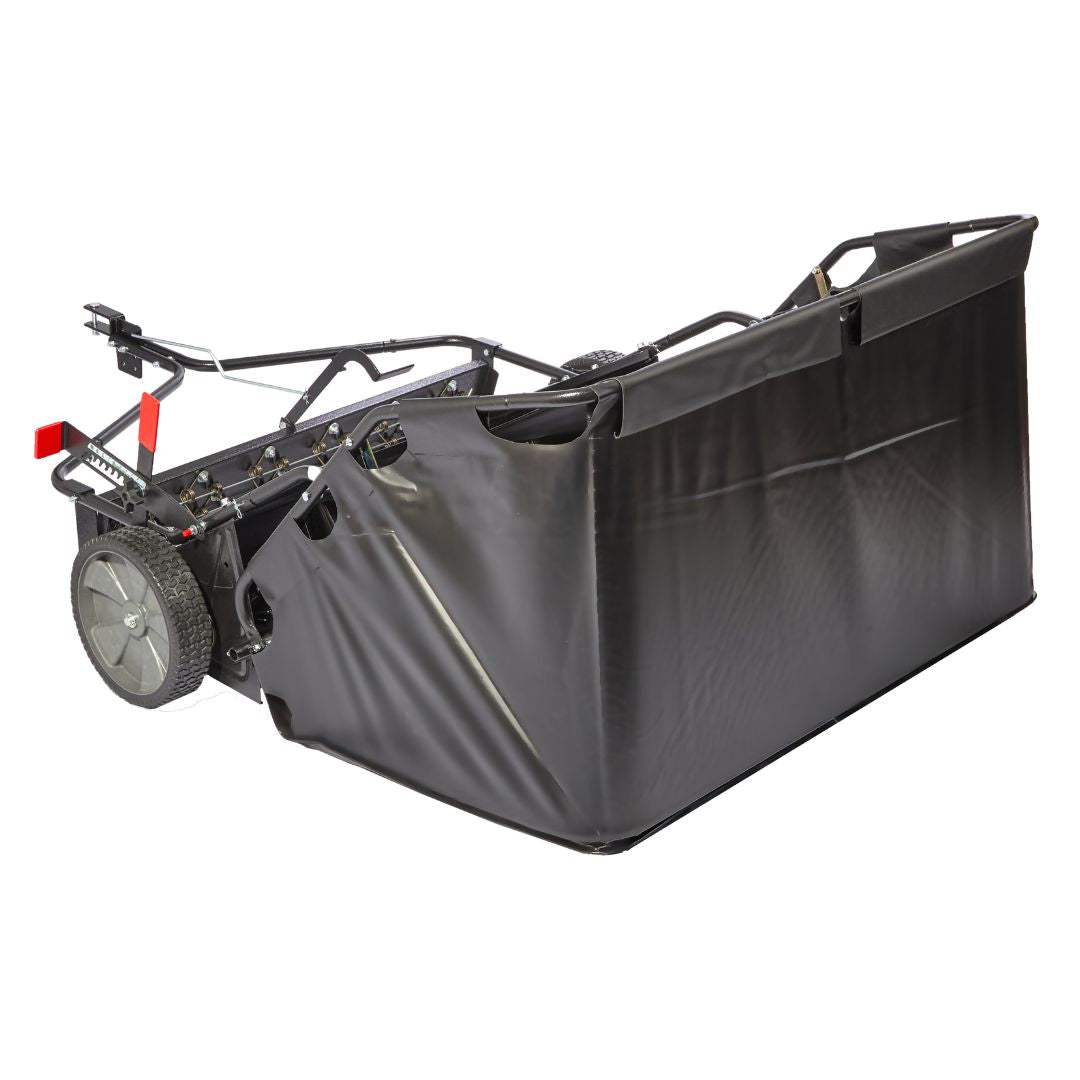
Buying smart: cost, warranty, and expected lifespan
When shopping, match expected lifespan to your budget and needs. Asking the right questions upfront saves money later.
- Match type to yard size
- Small yards: buy a push sweeper or small electric model.
- Large yards: choose a tow-behind heavy-duty steel model.
- Consider warranty length
- Longer warranties often reflect better build quality.
- Check what parts are covered: frame, motor, and bearings.
- Factor replacement part costs
- Cheap models may have inexpensive parts but fail more often.
- Higher-end models often have pricier but longer-lived parts.
- Total cost of ownership
- Add initial price, parts, and maintenance over expected life.
- Compare this to how long do lawn sweepers last to estimate cost per year.
My rule: spend a bit more up front for a durable model if you use the sweeper frequently. That choice often lowers annual cost and hassle.
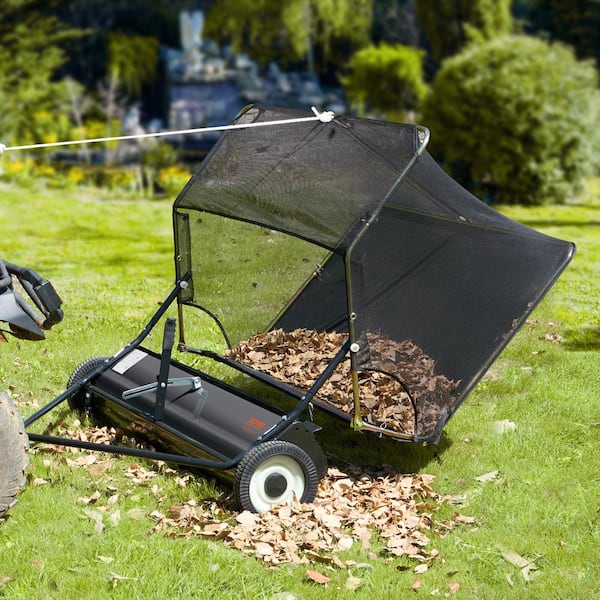
Real examples and expected timelines
Here are simple, real-world timelines based on my experience and workshop repairs.
- Light use, push sweeper
- Expect 5 to 8 years with basic care.
- Moderate use, electric or small tow-behind
- Expect 6 to 12 years with battery replacements and brush changes.
- Heavy use, commercial or large tow-behind
- Expect 7 to 15 years when well maintained.
These timelines answer how long do lawn sweepers last in real situations. Your results will vary with use and care.
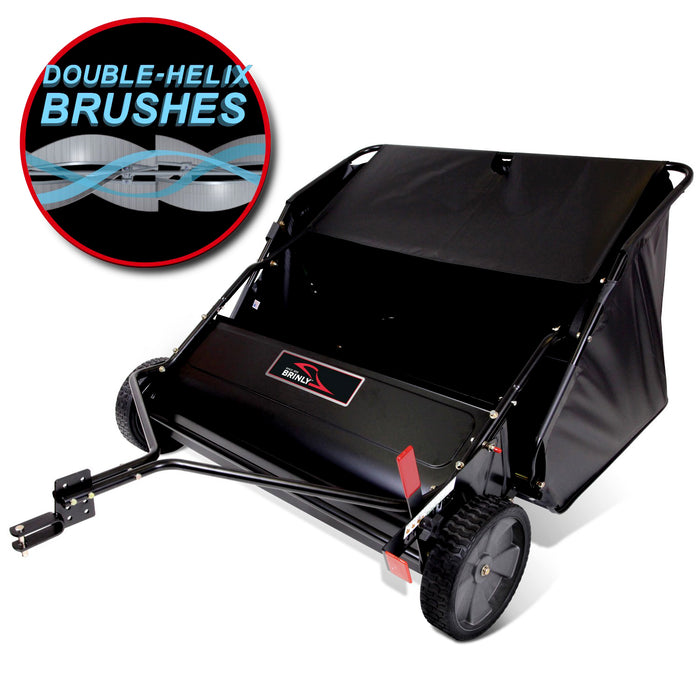
Cost-effective repairs vs replacement
Deciding between repair and replacement matters. Use this simple checklist.
- Repair if
- Only brushes, belts, or bearings are worn.
- Replacement cost is less than 30% of a new unit.
- Replace if
- Frame is cracked or rusted.
- Multiple major components need replacement.
- Parts are obsolete or expensive.
In my shop, customers often repair if the sweeper is under ten years old. If it’s older and has metal fatigue, replacement is usually smarter.
Frequently Asked Questions of How long do lawn sweepers last?
What is the average lifespan of a push lawn sweeper?
A push lawn sweeper typically lasts 5 to 10 years with normal use and basic maintenance. Heavy use and poor storage can shorten that.
Do electric lawn sweepers wear out faster than tow-behind models?
Electric sweepers can wear out faster due to battery degradation and motor stress, but well-made electric models still last 4 to 12 years. Battery replacement often determines lifespan.
How often should I replace the brushes on my lawn sweeper?
Replace brushes when they lose half their original height or start missing debris consistently, often once per season for heavy use. Light use can stretch that to once every 1–2 years.
Can I extend my lawn sweeper’s life with simple maintenance?
Yes. Regular cleaning, lubrication, and timely brush and bearing replacement can add several years to your sweeper’s life. Good storage is also crucial.
Is it worth buying a more expensive lawn sweeper for longevity?
Often yes. Higher-quality models with metal frames and sealed bearings tend to last longer and cost less per year over their life. Compare warranty and parts availability before buying.
Conclusion
How long do lawn sweepers last depends mostly on type, use, and care. With smart purchases, regular cleaning, and timely part swaps you can stretch a sweeper’s life from a few seasons to more than a decade. Start by matching the sweeper type to your yard, create a simple maintenance routine, and store gear properly to get the best value. Try one maintenance habit this week—clean the brushes and check for loose bolts—and you’ll see immediate benefits. Share your experiences, ask questions, or subscribe for more yard gear tips.

