

Regularly clean filters, brushes, hoses, belts, and empty collection bins to keep a turf vacuum working well.
I have spent years maintaining turf equipment for landscaping crews and sports fields. This guide shows exactly how do you maintain a turf vacuum? step by step, with clear checklists, real-world tips, and troubleshooting advice. Read on for practical routines, parts to watch, safety notes, and mistakes I learned the hard way so your turf vacuum runs longer and performs reliably.

Why maintenance matters for a turf vacuum
A turf vacuum faces grit, sand, seed, and moisture every day. When you skip upkeep, suction drops, wear rises, and repair bills follow. Asking how do you maintain a turf vacuum? is about protecting performance, saving money, and keeping turf healthy.
Good maintenance:
- Preserves suction and pickup power.
- Extends component life.
- Keeps turf free of debris that can harm players or plants.
I once ignored a worn belt on a job. The machine stopped mid-field. One small check could have avoided a full-day delay and extra cost. Learn from that to avoid the same mistake.

Basic daily and weekly maintenance steps
Regular checks keep small problems from growing. Follow this simple routine to answer how do you maintain a turf vacuum? without fuss.
Daily quick checklist
- Empty collection bin or hopper after use to avoid clogs.
- Inspect intake for large debris and remove by hand.
- Check visible hoses and seals for splits or loose clamps.
Weekly care steps
- Clean or replace pre-filters and fine filters as needed.
- Brush out brush rolls and remove tangled twine or grass.
- Check belt tension and belt wear; adjust or replace if frayed.
- Lubricate accessible pivot points with the manufacturer-recommended grease.
Tips from experience
- Use gloves when removing debris to avoid cuts.
- Keep a small tool kit in the service van with pliers, screwdrivers, spare belts, and clamps.
- Log maintenance in a simple notebook. A short note saves time later.
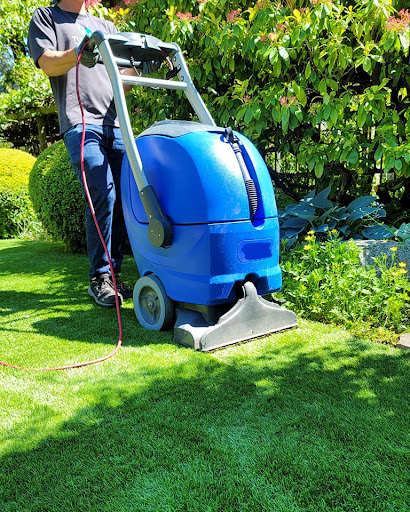
Monthly and seasonal maintenance checklist
Monthly and seasonal tasks take more time but prevent major failures. If you wonder how do you maintain a turf vacuum? on a larger scale, this is it.
Monthly items
- Deep clean the fan and impeller housing. Remove dust and sand buildup.
- Inspect bearings and wheel hubs for play or noise.
- Check electrical connections and switches for corrosion.
Seasonal care (spring and fall)
- Replace air and fine filters before heavy use seasons.
- Inspect and service the engine or motor per the manual.
- Test vacuum performance across a variety of turf conditions.
Example schedule
- End of month: filter swap and belt inspection.
- Start of season: full service—fluids, filters, belts, bearings.
- Mid-season: verify suction and clean impeller housing.

Troubleshooting common problems
Knowing common fixes answers how do you maintain a turf vacuum? on the fly. Here are quick diagnostics and fixes.
Problem: Loss of suction
- Cause: Clogged hose, full hopper, or leaking seals.
- Fix: Empty hopper, inspect hoses, replace damaged seals.
Problem: Belt slipping or burning smell
- Cause: Worn belt or incorrect tension.
- Fix: Replace belt and set tension per spec. Run briefly to test.
Problem: Motor overheating
- Cause: Restricted airflow or heavy debris load.
- Fix: Clean cooling fins, clear blockages, reduce load and retest.
PAA-style questions
What causes a turf vacuum to clog?
- Small stones, damp debris, and long fibers cause blockages. Clean hoses and screen regularly.
How often should belts be replaced?
- Replace belts at the first sign of fraying or every season in heavy use. Check tensions monthly.
Parts to inspect and replace regularly
Answering how do you maintain a turf vacuum? means watching key parts closely. Replace wear items before they fail.
Parts to check and replace
- Filters: Pre-filter and fine filter; replace per use and condition.
- Belts: Inspect for cracks and fray; swap at first wear.
- Brushes and brush rolls: Replace if bristles are worn or uneven.
- Hoses and clamps: Replace split hoses and tighten clamps.
- Bearings and seals: Listen for noise; replace if rough.
Replacement tips
- Use OEM or high-quality aftermarket parts for longevity.
- Keep common spares on hand to avoid downtime.
- Match part numbers and follow torque specs for fasteners.
Safety, storage, and long-term care
Good care protects both people and equipment. Safety and storage answer how do you maintain a turf vacuum? beyond mechanics.
Safety checklist
- Disconnect power or spark plug before service.
- Wear gloves and eye protection when clearing debris.
- Keep guards and covers in place during operation.
Storage tips
- Store dry and off the ground to prevent rust.
- Drain fuel or follow winterization steps for gas engines.
- Cover the unit to block dust and UV damage.
Long-term care
- Create a maintenance log with dates and performed tasks.
- Schedule annual professional service for engines and major components.
- Train operators in daily checks to catch problems early.
Personal experience and lessons learned
Over years on job sites I learned a few truths about how do you maintain a turf vacuum?. I kept tools handy, logged every oil change, and never let a torn hose linger. One field job taught me to pre-check in wet weather. The machine choked on damp seed and stalled. After that, we changed filters more often in spring.
Common mistakes to avoid
- Ignoring small noises until failure.
- Using wrong parts to save money briefly.
- Skipping a post-job clean because it "only takes five minutes"—that five minutes prevents a major repair.
Practical routine that worked for me
- 5-minute daily clean after each use.
- 30-minute weekly inspection on Mondays.
- Monthly deep clean and part swap.
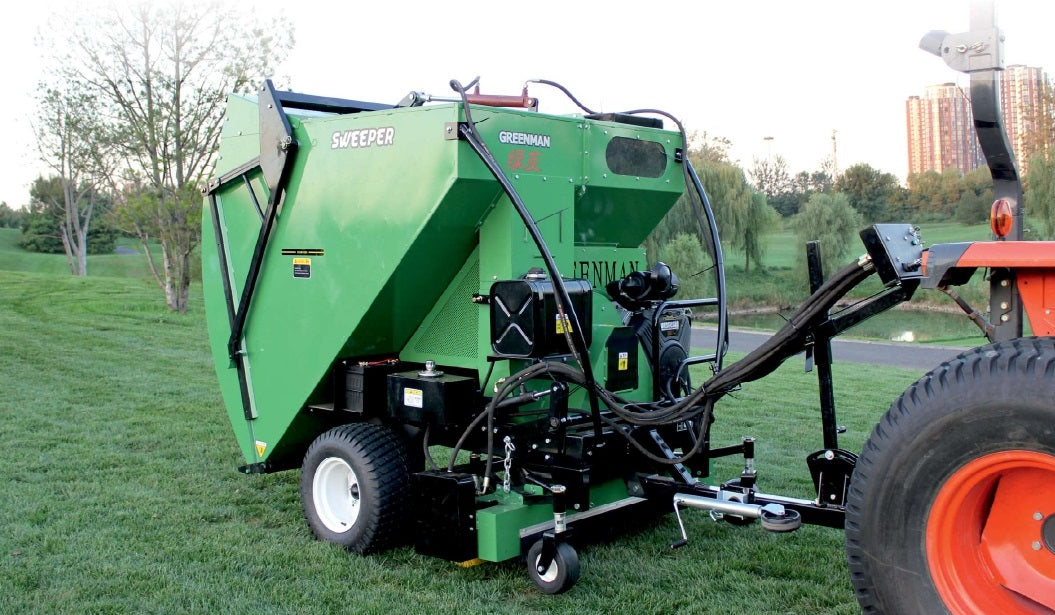
Frequently Asked Questions of How do you maintain a turf vacuum?
How often should I clean the collection hopper?
Empty the hopper after each use and wash it weekly to prevent buildup. This stops odors and blockages.
When should I replace filters?
Check filters monthly and replace them each season or when they show heavy soiling. Dirty filters reduce suction and stress the motor.
Can I use any belt for replacement?
Use belts that match OEM specifications. Incorrect belts cause slipping and extra wear.
How do I fix a hose clog quickly?
Turn off the unit, remove the hose, and use a soft rod or compressed air from the inlet side. Avoid sharp tools that can cut the hose.
Is professional servicing necessary?
Yes. Annual professional service is recommended for engines, bearings, and safety systems to ensure long-term reliability.
Conclusion
Maintaining a turf vacuum is a mix of short daily habits and planned deeper service. Follow the checklists, replace worn parts, and keep a simple log. Start with small routines now to prevent big repairs later. Try the daily five-minute clean this week and notice the difference in performance—then subscribe or comment with your maintenance wins or questions.


1 Comment
Pingback: 8 Best Turf Vacuum For Sports Fields: Top Picks 2026 - Vacuum Cleaner Tips