

Assemble the base, attach the desktop, connect motors, level and test—then adjust for comfort.
I’ve built and installed dozens of desks and taught others to do the same. This article walks you through how do you assemble a standing desk? I explain tools, parts, step-by-step assembly, safety tips, and common fixes. Read on for clear, practical guidance that saves time and prevents mistakes.

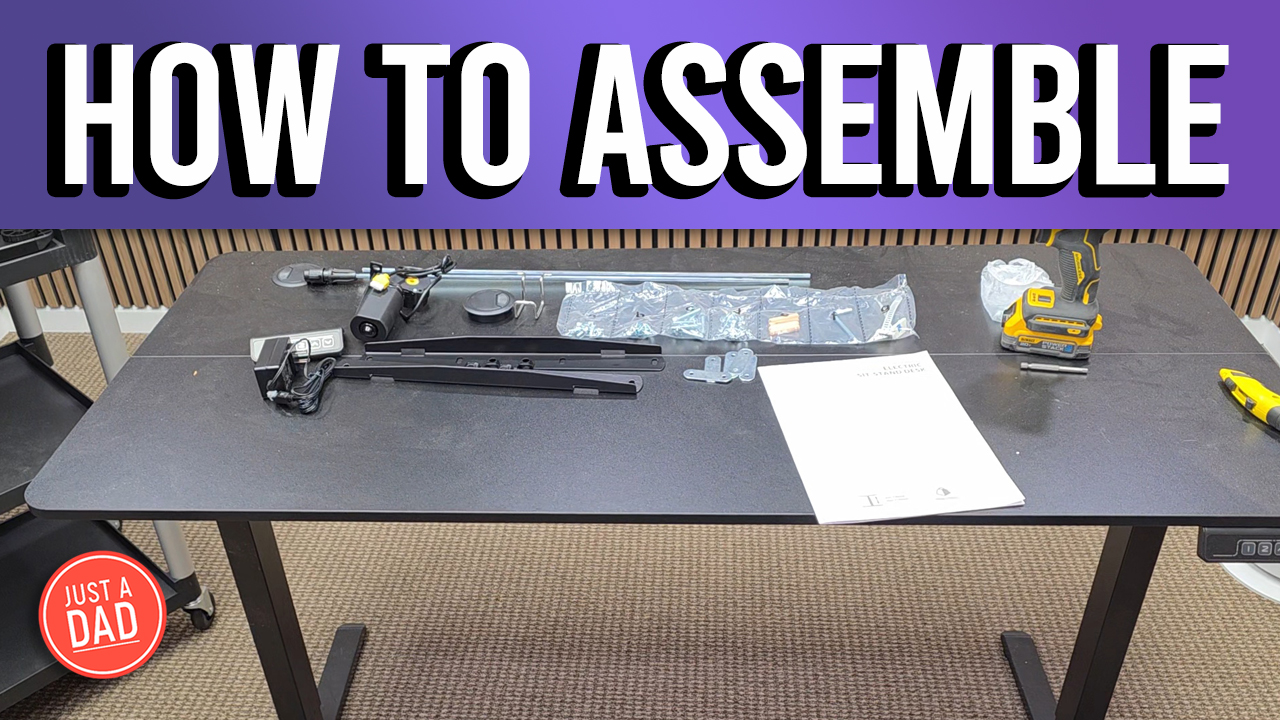
Tools and parts checklist before you begin
Before asking how do you assemble a standing desk?, gather everything. This will cut frustration and speed up the job.
- Electric drill with screwdriver bits. Use low torque to avoid stripping screws.
- Allen keys and wrench set. Many desks include Allen keys, but a set helps.
- Level and tape measure. Measure twice, tighten once.
- Rubber mallet or soft hammer. Useful for gentle taps.
- Zip ties and cable clips. Keep cables neat and safe.
- Protective gloves and a clean workspace. Protect parts and your hands.
Parts you should find in the box:
- Desktop panel. Single piece or two-piece top.
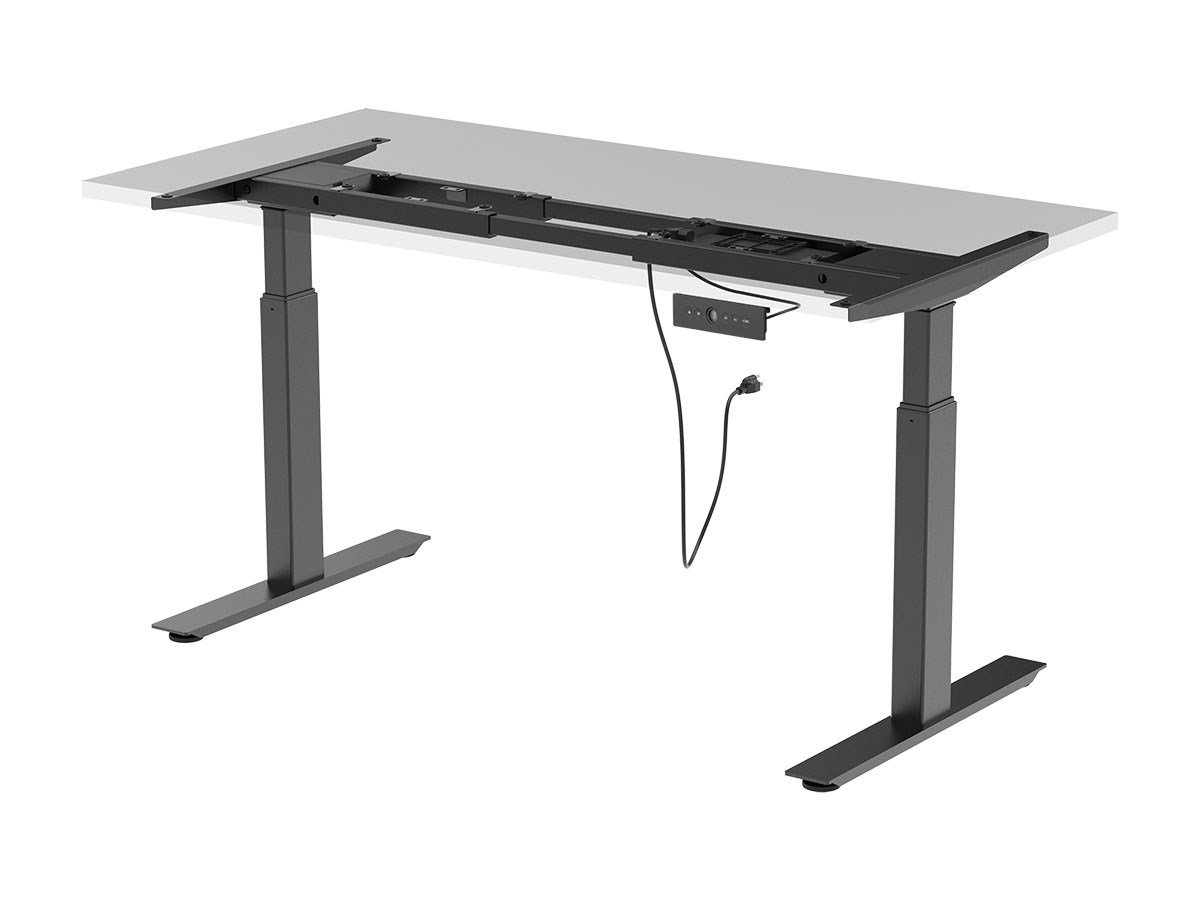
- Legs or lifting columns. Single, dual, or triple-stage.
- Frame or crossbar. Connects the legs.
- Motor(s) and control box. Usually prewired or plug-and-play.
- Screws, washers, spacers, and mounting brackets. Check counts on the parts list.
Confirm every item is present before you start. Missing parts stall assembly and waste time. This step answers an early part of how do you assemble a standing desk? by preventing common delays.
Step-by-step assembly: a clear workflow
Now we cover how do you assemble a standing desk? step by step. Follow the sequence and keep parts organized.
- Unpack and sort parts
- Lay parts on a soft surface to avoid scratches.
- Group screws and small pieces by label or bag number.
- Attach brackets to the desktop
- Place the desktop face-down on a soft blanket.
- Align mounting brackets with pre-drilled holes.
- Use screws and washers. Tighten snugly, not fully, so you can adjust later.
- Assemble the frame and crossbar
- Connect the legs to the crossbar on the floor.
- If your desk has a height-lock pin or bracket, install now.
- Hand-tighten bolts so you can adjust alignment.
- Attach motors and control box
- Mount motors to the legs or frame as shown in the manual.
- Secure the control box to the underside of the desk near the leg.
- Route motor cables away from moving parts.
- Lift and join the desktop to the frame
- With help, lift the frame up to the underside of the desktop.
- Align bracket holes and loosely insert screws.
- Tighten all screws once alignment is confirmed.
- Connect electronics and test
- Plug motor connectors into the control box.
- Connect the control box to power.
- Test up and down motion with no load first.
- Check for smooth travel and any noises.
- Final leveling and cable management
- Use a level to confirm desktop is even.
- Tighten all bolts to manufacturer torque spec.
- Secure cables with zip ties and clips. Keep them clear of legs.
- Program presets and user settings
- Set and save preferred heights if the controller supports presets.
- Test stability at different heights with light pressure.
These steps directly answer how do you assemble a standing desk? by providing a repeatable, safe method. I always test motors unloaded first. That small habit prevents damage and helps diagnose problems fast.

Ergonomics and setup after assembly
Knowing how do you assemble a standing desk? is only part of the task. Setting it up for daily use matters too.
- Position monitor at eye level. Top third of the screen should be at your eye line.
- Keep elbows at 90 degrees. Keyboard and mouse should be at a height that keeps your forearms parallel to the floor.
- Use an anti-fatigue mat if you’ll stand for long periods. It reduces foot and back strain.
- Alternate sitting and standing. Follow a 30–60 minute cycle to avoid fatigue.
- Cable placement matters. Route cords to the side or back to prevent snagging during height changes.
From experience, people neglect cable routing and then discover pinch points later. Plan cable paths during assembly and secure them under the desk.
Common issues and troubleshooting
Many questions about how do you assemble a standing desk? come from problems that show up during testing. Here are fast fixes.
-
Motor won’t run
- Check power connection and plug orientation.
- Inspect motor connectors for loose pins or dust.
-
Desk drifts down or doesn’t hold position
- Tighten mounting bolts on actuators and frame.
- Reinitialize the controller per the manual (many controllers have a reset or calibration step).
-
Uneven travel or wobble
- Confirm crossbar bolts are tight and legs are square.
- Use a level and adjust mounting points to remove twist.
-
Noise during movement
- Check for plastic shipping braces left in place.
- Lubricate screw drives if recommended by the manufacturer.
-
Scratches or damaged finish
- Use felt pads when assembling on hard surfaces.
- Report defects to the seller if damage was in the box.
These fixes address the practical side of how do you assemble a standing desk? and save hours of frustration.

Maintenance, care, and lifespan
Understanding how do you assemble a standing desk? extends to how you care for it. Regular upkeep lengthens life and prevents issues.
- Tighten bolts every 3–6 months. Screws loosen with use.
- Keep motors dust-free. Vacuum or blow dust away from vents.
- Avoid overloading. Check the weight rating and don’t exceed it.
- Clean the desktop with mild soap and a soft cloth. Harsh chemicals can damage finishes.
- Update firmware if your desk has a smart controller. It can improve performance.
From my experience, a simple quarterly check prevents most failures. Make a short checklist and set a calendar reminder.
Time, cost, and decision tips
People often ask how do you assemble a standing desk? because they want to know time and cost.
- Average assembly time: 45 to 90 minutes for a single-person build. Two people make lifting safer and faster.
- Tools cost: Under $50 if you don’t already have a drill and wrenches.
- Professional installation: Adds $75–$200 but may be worth it for complex modular tops.
- Budget vs. premium: Cheaper desks can save money but may require more maintenance. Premium desks offer quieter motors and stronger warranty.
If you’re new to how do you assemble a standing desk?, start with a mid-range model. It balances ease of assembly with quality and support.

Personal tips, mistakes to avoid, and lessons learned
I’ve assembled many desks and taught friends to do the same. Here are tips from real experience.
- Don’t tighten everything at first. Hand-tighten, test alignment, then torque down.
- Always get help when attaching the desktop. It’s heavy and awkward.
- Label cables with tape during assembly. It speeds troubleshooting later.
- Keep the manual and spare parts in a drawer for future needs.
- If you hear grinding, stop and inspect. Continuing can damage motors.
One time I skipped testing motors unloaded. It cost me a motor and a weekend of repairs. Learn from that mistake: test early.

Frequently Asked Questions of How do you assemble a standing desk?
How long does it take to assemble a standing desk?
Most assemblies take 45 to 90 minutes for a single person. Two people can finish in 30 to 60 minutes, depending on complexity.
Do I need special tools to assemble a standing desk?
You usually need a drill, Allen keys, and a level. Many desks include the basic Allen keys, but a drill speeds the job.
Can one person safely assemble a standing desk?
You can, but lifting the desktop alone increases risk. Having a second person makes alignment and lifting safer.
What should I do if the desk makes noise while moving?
Stop and inspect. Check for shipping blocks, loose bolts, or cable interference. Tighten mounts and reroute cables if needed.
How do I calibrate the desk after assembly?
Follow the manufacturer’s calibration steps, often found in the manual. Many controllers require a full up/down cycle to auto-level.
Conclusion
Assembling a standing desk is a straightforward project when you plan, gather tools, and follow clear steps. Start by checking parts, attach brackets and motors, test motion, and secure cables. Use simple ergonomics to set your screen and keyboard heights, and perform regular maintenance to keep the desk working well. Now that you know how do you assemble a standing desk?, pick a quiet afternoon, get a helper, and build a healthier work setup. If this guide helped, try a hands-on build and share your experience or questions below.

