

Choose a desk with adjustable height, strong stability, a good warranty, and ergonomic features.
I have tested dozens of desks and helped many people pick the right model, so I know what matters. This guide explains what should I look for when buying a standing desk? in clear, practical terms. You will get the key features to compare, real-life tips, and simple ways to avoid common mistakes. Read on to make a confident purchase that fits your body, space, and budget.
Ergonomics and adjustability
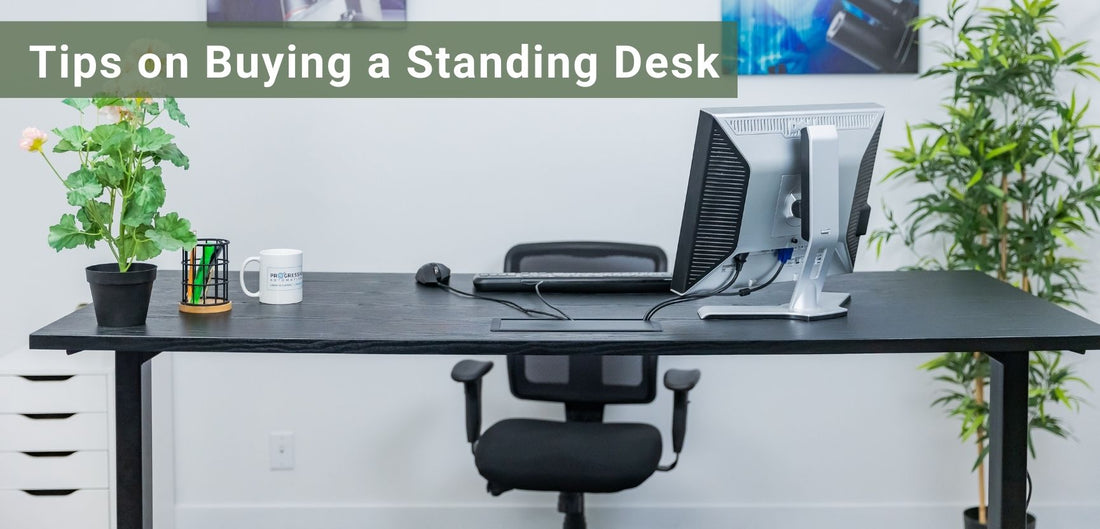
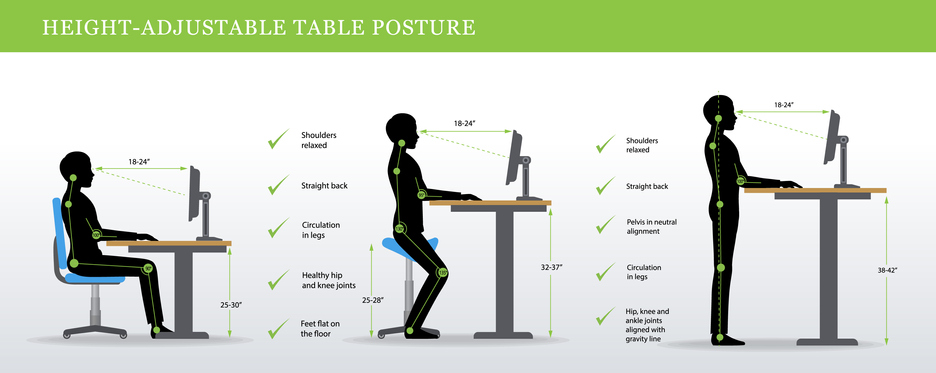
Ergonomics should drive your choice. Ask yourself what should I look for when buying a standing desk? Start with smooth height range and easy adjustments. Your desk should let you set the top so your elbows are at 90 degrees and the monitor sits at eye level. Check for memory presets if multiple people use the desk; they save time and reduce strain.
Stability and build quality
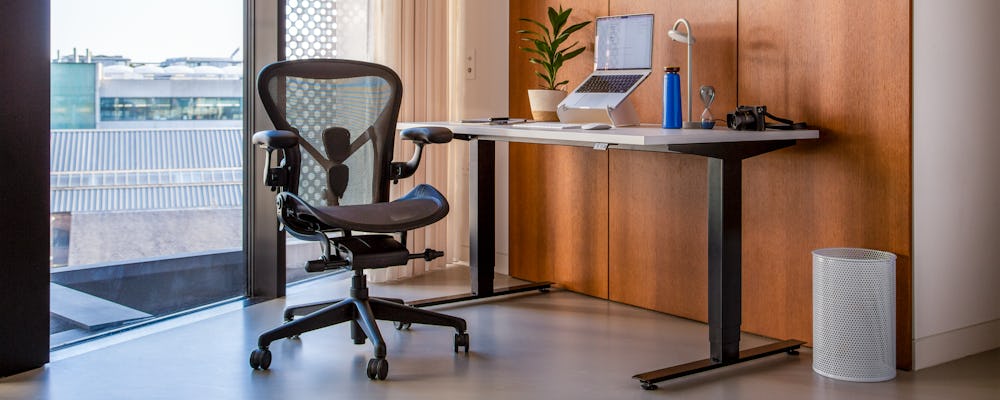
Stability matters as much as lift range. When you wonder what should I look for when buying a standing desk?, look for a sturdy frame, thick desktop, and minimal wobble at standing height. Steel legs and a quality crossbar or dual-motor frame reduce shake. Test or read reviews for load testing and long-term wear.

Motor type, lifting capacity, and speed
The motor defines feel and durability. Consider what should I look for when buying a standing desk? with a quiet, dual-motor lift for heavy loads and even motion. Look for lifting capacity that exceeds your setup weight by 25–50 percent. Faster lifts save time, but too-fast can feel unstable; balance speed and smoothness.

Size, surface, and layout
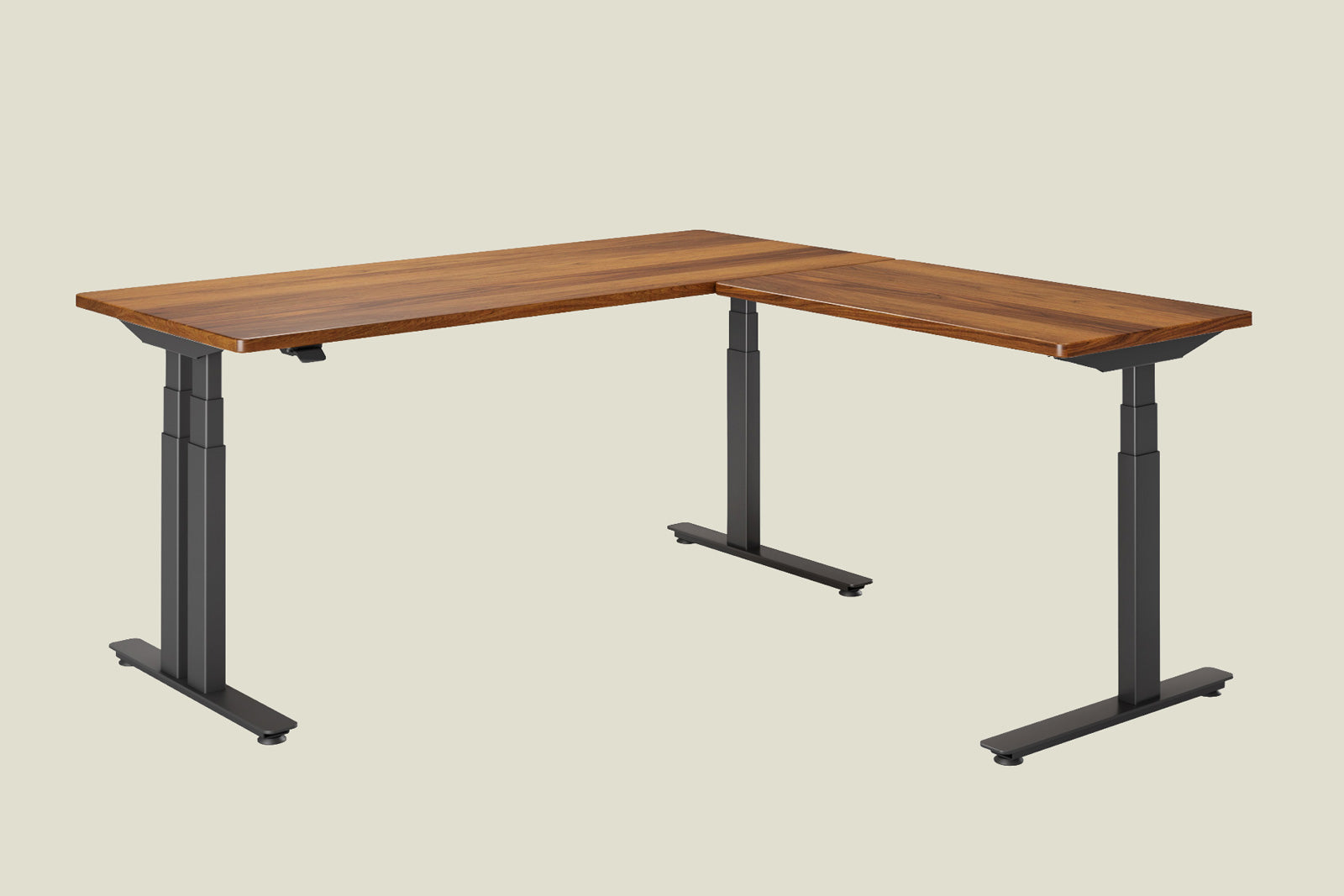
Measure your space first. Always ask what should I look for when buying a standing desk? about desk width, depth, and whether the desktop fits your monitor arms and keyboard setup. Larger depth helps with ergonomic placement of keyboard and monitor. Consider shape options like rectangular, curved, or corner desks for better room fit.

Controls, presets, and smart features
Controls affect daily use. Consider what should I look for when buying a standing desk? with easy-to-reach controls and memory presets if you switch postures often. Some desks offer app controls, energy use tracking, or posture reminders. These extras help but weigh them against price and reliability.
Accessories and cable management
Good accessories make a desk feel complete. Think about what should I look for when buying a standing desk? for cable trays, grommets, monitor arms, and keyboard trays. These reduce clutter and improve ergonomics. Plan for power access and tidy cable routing to keep your workspace safe and neat.
Noise, maintenance, and reliability
Noise level matters in quiet rooms. Ask what should I look for when buying a standing desk? about decibel ratings and long-term reliability. Read warranty details and service options. Regularly tighten fasteners and follow care instructions to extend desk life.

Budget, warranty, and return policy
Price is important, but value is key. Ask what should I look for when buying a standing desk? and compare warranty lengths, parts coverage, and return windows. A longer warranty often signals better build quality. Factor in delivery, assembly, and potential service costs.
Sustainability and materials
If sustainability matters to you, check materials and certifications. Consider what should I look for when buying a standing desk? made from responsibly sourced wood, recycled steel, or with low-VOC finishes. Longer-lasting desks reduce waste and can be cheaper over time.
Personal experience: lessons I learned
I once bought a cheap desk with a narrow height range. The desk felt rigid and forced awkward posture. That taught me to check range, stability, and load capacity in product specs. Test a desk in person if possible, and keep receipts and warranty info handy.
Q: How high should a standing desk go? A: Your desk should let your elbows rest at a 90-degree angle when standing, and the top of the monitor should be at or just below eye level.
Q: Can I use my current desktop on a new frame? A: Often yes, but confirm mount points and weight limits to avoid wobble.
Frequently Asked Questions of What should I look for when buying a standing desk?
What height range should I choose for a standing desk?
Choose a desk that fits your tallest and shortest users. Aim for a range that lets you set your elbows at about 90 degrees and your monitor at eye level.
How much weight should my standing desk hold?
Pick a desk with capacity 25–50 percent higher than your total equipment weight. This keeps the lift system stable and reduces wear.
Are single-motor desks okay or should I get dual motors?
Single motors can work for light setups. Dual-motor desks are more stable, handle weight better, and usually last longer.
How long should the warranty be?
Look for at least a 3–5 year warranty on the frame and motors, and a longer parts warranty if possible. Warranties show maker confidence.
Is assembly hard for standing desks?
Assembly varies. Some desks arrive mostly assembled while others need full setup. Check if the seller offers assembly or clear instructions to save time.
Do standing desks reduce back pain?
Standing desks can reduce back pain for many users when used with proper ergonomics and breaks. Alternate sitting and standing and keep posture neutral for best results.
Conclusion
Choosing the right desk comes down to fit and function. Focus on ergonomics, stability, motor quality, and warranty when asking what should I look for when buying a standing desk?. Test for wobble, confirm weight capacity, and pick a range that suits your body. Start with small changes today: measure your space, list must-have features, and try a demo if you can. Ready to upgrade your workspace? Leave a comment with your needs or try comparing two models to find the best match.

