

Are you curious if your robot vacuum is smarter than you think? You might wonder if these devices use artificial intelligence to clean your home more efficiently.
Understanding whether modern robot vacuums have AI features can change the way you choose and use them. You’ll discover what makes these gadgets truly smart and how that impacts your cleaning routine. Keep reading to find out if your vacuum is just a machine or a clever helper designed to make your life easier.
Ai In Robot Vacuums
Robot vacuums have changed cleaning at home. They move around by themselves, saving time and effort. AI plays a big role in making these devices smart and efficient. It helps robot vacuums learn about your home and clean better every day.
AI in robot vacuums allows them to avoid obstacles and find the best paths. They can remember rooms and furniture layout. This reduces missed spots and repeated cleaning. These smart features make robot vacuums more useful and reliable.
How Ai Maps Your Home
Modern robot vacuums use AI to create a map of your house. Sensors scan the area as the vacuum moves. The AI builds a digital map showing walls and furniture. This map guides the vacuum for efficient cleaning. It also helps the vacuum return to its charger.
Obstacle Detection And Avoidance
AI helps the vacuum detect obstacles like toys or cords. It slows down or changes direction to avoid them. This prevents damage to both the vacuum and household items. Some models even learn where obstacles usually appear and avoid those spots.
Smart Cleaning Paths
AI decides the best path to clean each room. The vacuum divides the space into sections and cleans them one by one. This method covers the floor evenly and saves battery life. AI adjusts the path if the room layout changes.
Learning Your Habits
Robot vacuums with AI can learn your schedule and preferences. They can start cleaning when you are not home. Some models let you set no-go zones or preferred cleaning times. This makes cleaning less disruptive and more tailored to your needs.
Navigation And Mapping
Modern robot vacuums use smart navigation and mapping to clean efficiently. These features help the vacuum understand your home’s layout. They plan the best path to cover every corner. Smart navigation saves time and avoids missing spots.
Laser And Camera Sensors
Many robot vacuums use laser sensors to scan rooms. The laser creates a detailed map by measuring distances. Some models add cameras to see the surroundings visually. These sensors work together for precise movement. They detect walls, furniture, and open spaces.
Room Mapping Technology
Mapping technology allows the vacuum to remember room layouts. It divides your home into sections for focused cleaning. The vacuum plans routes to cover all areas without repetition. This tech helps avoid stairs and other hazards. It also allows setting no-go zones through apps.
Obstacle Detection
Obstacle detection helps the vacuum avoid bumping into objects. Sensors identify furniture, toys, and cables in its path. The vacuum slows down or changes direction to prevent collisions. This feature protects both the vacuum and household items. It keeps cleaning smooth and safe.
Smart Cleaning Patterns
Smart cleaning patterns are a key feature in modern robot vacuums. These patterns help the vacuum clean more efficiently and cover more area without missing spots. The robot adjusts its cleaning style based on the room layout and dirt levels. This makes cleaning faster and more thorough.
Adaptive Cleaning Routes
Robot vacuums use sensors to map the room. They plan routes that avoid obstacles like furniture and walls. The path changes if new objects appear. This helps the vacuum clean every part of the floor. It does not waste time going over the same spot again.
Spot And Edge Cleaning
Some robot vacuums focus on specific areas with extra dirt. They use spot cleaning to target these places. Edge cleaning is another feature that cleans along walls and corners. These patterns ensure no dirt hides in hard-to-reach spots.
Learning User Preferences
Modern vacuums remember user habits and preferences. They learn which rooms need cleaning and when to clean. The vacuum adjusts its schedule to fit the user’s lifestyle. This makes cleaning more convenient and personalized.

Voice And App Controls
Modern robot vacuums come with smart voice and app controls. These features make cleaning easier and more convenient. You can control your vacuum without touching it. Use your voice or phone to start, stop, or set cleaning tasks. These controls help save time and effort. The vacuum fits better into your daily routine.
Integration With Smart Assistants
Many robot vacuums connect with smart assistants like Alexa or Google Assistant. You can ask your assistant to start cleaning. No need to find the vacuum or the app. Commands like “start vacuum” or “stop vacuum” work well. This integration creates a hands-free cleaning experience. It also helps people with limited mobility.
Scheduling And Remote Control
Robot vacuum apps let you schedule cleaning times. Set the vacuum to clean while you are away. This keeps your home tidy without interrupting your day. The app also allows remote control. You can start or stop cleaning from anywhere using your phone. This feature adds flexibility to your cleaning routine.
Real-time Status Updates
Your phone shows real-time updates from the vacuum. See if the vacuum is cleaning or charging. Get alerts if it gets stuck or needs emptying. This information helps you manage cleaning easily. You know exactly what your vacuum is doing at all times.
Self-maintenance Features
Modern robot vacuums come with smart self-maintenance features. These features help the vacuum take care of itself. It saves time and effort for users. The vacuum cleans better and lasts longer. Some key self-maintenance features include automatic dirt disposal, battery management, and error detection.
Automatic Dirt Disposal
Some robot vacuums empty their dustbins on their own. They return to a special base to dump dirt. This means less frequent emptying by the user. The vacuum keeps cleaning without interruption. It also reduces dust exposure for people at home.
Battery Management
Smart vacuums manage their battery power well. They know when to recharge before running out. Some models pause cleaning to recharge and then continue automatically. This ensures the entire area gets cleaned in one go. Proper battery care also extends the vacuum’s life.
Error Detection And Alerts
Robot vacuums can detect problems during cleaning. They send alerts to users through apps or sounds. Users learn about stuck brushes, full dustbins, or low batteries quickly. This helps fix issues fast and keeps the vacuum running smoothly. It avoids bigger problems later.
Future Ai Trends In Robot Vacuums
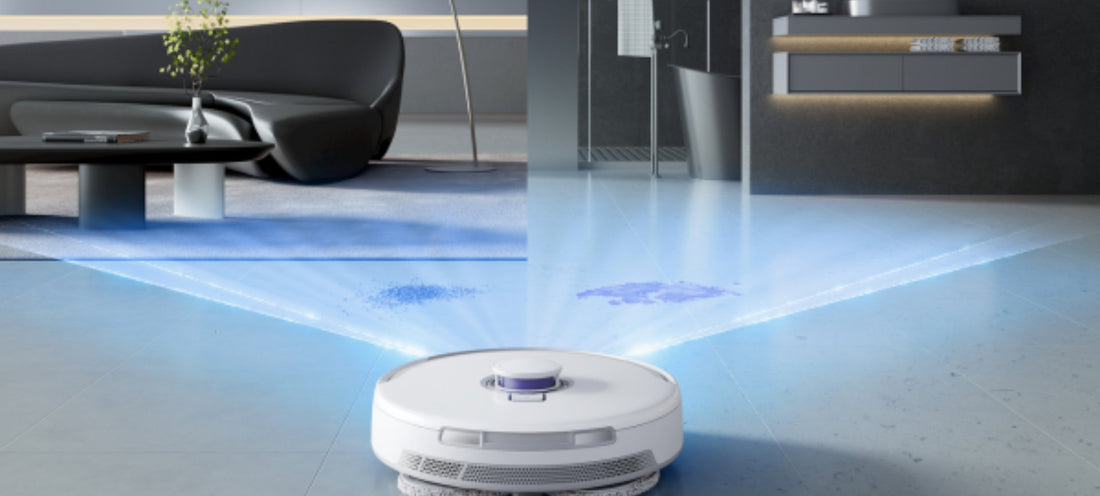
Robot vacuums are getting smarter with new AI technology. These machines learn and adapt, making cleaning easier and more effective. The future holds many exciting AI trends that will change how robot vacuums work. These trends focus on better understanding the environment and predicting maintenance needs.
Improved Object Recognition
Future robot vacuums will identify objects more accurately. They will spot small items like toys or cables and avoid them. This reduces the chance of getting stuck or causing damage. The vacuum will also recognize different types of dirt and adjust cleaning power. This makes cleaning more efficient and thorough.
Enhanced Room Adaptability
Robot vacuums will better understand room layouts. They will learn the shape and size of each room quickly. This helps the vacuum plan the best cleaning path. It can adjust to changes, like moved furniture. The machine will clean more areas without missing spots. It will also handle multiple floors with ease.
Ai-driven Maintenance Predictions
Future models will predict when they need maintenance. The vacuum will monitor its parts and performance constantly. It will alert users before issues cause breakdowns. This helps keep the vacuum in good working condition longer. Users will save time and money on repairs.
Frequently Asked Questions
What Ai Features Do Modern Robot Vacuums Have?
Modern robot vacuums use AI for mapping rooms, avoiding obstacles, and optimizing cleaning paths. They learn your home’s layout and adjust cleaning schedules accordingly. AI also helps in identifying floor types for efficient cleaning.
How Does Ai Improve Robot Vacuum Navigation?
AI enables robot vacuums to create accurate room maps and remember them. This helps in systematic cleaning and prevents repeated areas. It also allows smooth maneuvering around furniture and obstacles, reducing cleaning time.
Can Ai-enabled Vacuums Adapt To Different Floor Types?
Yes, AI helps vacuums detect floor types like carpet, hardwood, or tile. They adjust suction power and cleaning mode automatically to ensure effective cleaning and protect delicate surfaces.
Do Ai Features Enhance Robot Vacuum Cleaning Efficiency?
AI optimizes cleaning routes and schedules, making vacuums more efficient. It reduces missed spots and avoids obstacles, saving battery life and cleaning time. This leads to a thorough and faster cleaning process.
Conclusion
Modern robot vacuums often include AI features to clean smarter. They can map your home and avoid obstacles easily. Some models learn your cleaning habits over time. This makes cleaning more efficient and less manual work. AI helps these vacuums adapt to different floors and rooms.
Not all robot vacuums have AI, so check before buying. Overall, AI adds useful functions but keeps the vacuum simple to use. This technology is growing and will improve with time.

