

Your upright vacuum is usually loud because of clogs, worn parts, dirty filters, or a failing motor.
If your upright vacuum sounds like a blender in a metal bucket, you are not alone. I have seen this many times in real-world use, and the cause is often simpler than people expect. In this guide, I’ll walk you through the most common reasons why your upright vacuum is so loud, how to spot the problem, and what you can do to make it run smoother and quieter.
Why an upright vacuum gets loud
A loud vacuum usually means something is forcing the machine to work harder than it should. When airflow drops or moving parts are under stress, the motor has to compensate, and the noise goes up.
In my experience, the sound change is often the first clue that something is wrong. A vacuum that suddenly gets louder is usually trying to tell you about a blockage, worn belt, bad bearing, or full dust path.
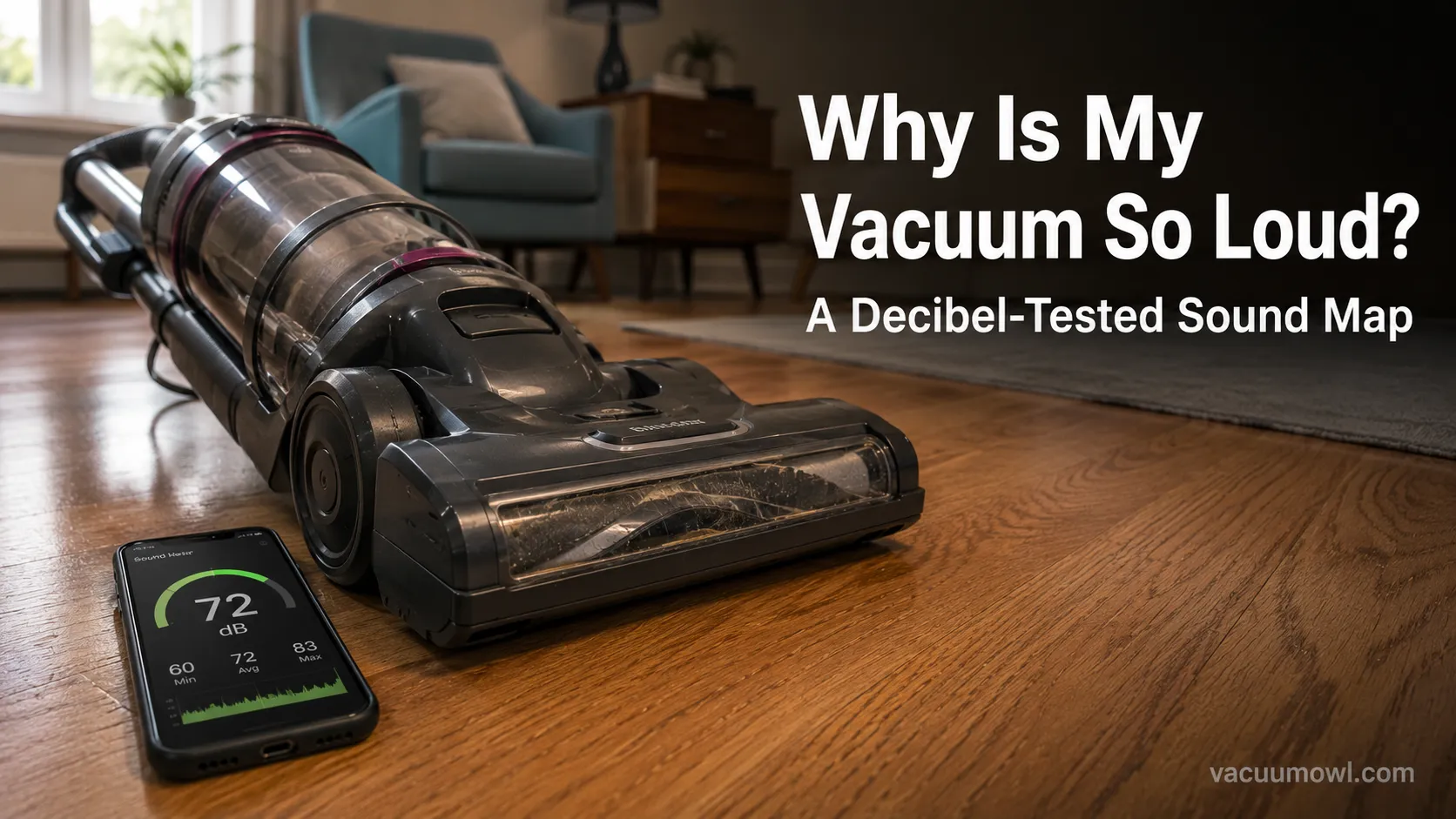
Common reasons why your upright vacuum is so loud
1. A clog is blocking airflow
One of the most common reasons why your upright vacuum is so loud is a clog in the hose, wand, brush area, or dust path. When air cannot move freely, the motor strains and makes a harsher sound.
I have found socks, hair ties, pet fur mats, and even tiny bits of paper stuck deep in the hose. That kind of blockage can make a vacuum sound like it is gasping for air.
Signs of a clog include:
- Reduced suction
- A high-pitched whine
- The vacuum feeling hot
- Dust or debris blowing back out
2. Dirty filters are making the motor work harder
A clogged filter is another big reason why your upright vacuum is so loud. Filters catch fine dust, but once they are packed with dirt, airflow drops fast.
Many vacuums use foam, felt, or HEPA-style filters. If those filters are not cleaned or replaced on time, the machine can sound strained, rough, or unusually aggressive. This is especially common in homes with pets, carpets, or lots of dust.
3. The brush roll is tangled or damaged
The brush roll can make a vacuum much louder if it is wrapped with hair, thread, or carpet fibers. A tangled brush does not spin smoothly, so you may hear grinding, squeaking, or rattling.
I have cleaned brush rolls that looked fine at first glance, but once I pulled off the hair, the noise dropped right away. That is a classic case of how a small issue can sound much bigger than it is.
4. The belt is worn, loose, or slipping
A worn vacuum belt can cause a loud squeal, smell like rubber, or make the brush head sound stressed. In upright vacuums, the belt helps drive the brush roll, so if it slips, the system gets noisy and less effective.
Belts do not last forever. Over time, they stretch, crack, or glaze, and that can make your upright vacuum so loud even when the rest of the machine looks fine.
5. The motor is aging or failing
If you have ruled out clogs and dirty parts, the motor itself may be the reason why your upright vacuum is so loud. An old or damaged motor can make buzzing, roaring, or grinding noises.
This is often the most serious cause. A failing motor may still run for a while, but it usually gets louder over time and may overheat. If the sound changes from normal hum to rough growling, that is a warning sign.
6. Loose parts are vibrating
Sometimes the vacuum is not really “loud” because of the motor. It may be loud because parts are vibrating, rattling, or knocking against each other.
Check for:
- Loose screws
- A cracked brush housing
- A detached cover
- A loose dust bin latch
I once fixed a vacuum that sounded broken, only to find a small plastic cover was barely hanging on. Tightening it solved the noise in minutes.
7. The vacuum is set too low for the floor type
If the height setting is wrong, the brush head can slam too close to the carpet or floor. That makes the vacuum sound louder and can also make it harder to push.
On thick carpet, a low setting can cause drag and noise. On hard floors, an aggressive brush setting can sound rough and scratchy.
8. Pet hair and fine dust are building up inside
Pet hair is one of the sneakiest reasons why your upright vacuum is so loud. It does not just wrap around the brush roll. It also collects in vents, joints, and the dust chamber.
Fine dust can be just as bad. It builds up slowly, and because it is so light, many people do not notice the problem until the vacuum starts roaring.
Is a loud upright vacuum normal?
A little vacuum noise is normal. Upright vacuums are usually louder than stick vacuums or canister models because they use powerful motors and brush rolls.
But sudden noise changes are not normal. If your upright vacuum is so loud that it sounds strained, screechy, or rough, something likely needs attention. That change matters more than the absolute volume.
How to fix a loud upright vacuum
Step 1: Unplug the vacuum
Always unplug it first. This sounds obvious, but it matters because brush rolls and belts can start unexpectedly if you are working on the machine.
Step 2: Check for clogs
Look through the hose, wand, intake area, and brush chamber. Remove any visible debris.
Try this:
- Detach the hose if possible
- Shine a flashlight through it
- Push out blockages carefully with a broom handle or similar tool
- Make sure air can move freely
Step 3: Clean or replace the filters
Remove the filters and check the user manual for cleaning steps. Some filters can be rinsed, while others must be replaced.
Let washable filters dry fully before reinstalling them. A damp filter can damage the vacuum or create odor problems.
Step 4: Inspect the brush roll
Turn the brush roll by hand. It should spin smoothly.
Remove hair, string, and fiber buildup with scissors or a seam ripper. If the brush roll looks worn, bent, or cracked, replace it.
Step 5: Check the belt
If the belt looks stretched, cracked, shiny, or loose, replace it. Many vacuum belts are inexpensive and easy to swap out.
A new belt can make a big difference in both noise and cleaning power.
Step 6: Tighten loose parts
Look for any cover, latch, or screw that seems loose. Gently press parts into place and listen for rattles.
If a piece is cracked, it may need replacement rather than tightening.
Step 7: Test the vacuum on the right setting
Adjust the height and brush settings for the floor type. Then test again.
If the noise drops, the problem may have been more about setup than damage.
Step 8: Stop using it if the motor sounds rough
If the motor makes grinding, burning, or screaming noises, stop using the vacuum. That can mean serious internal wear.
At that point, repair or replacement is usually the safer choice.
How to tell if the noise is a simple fix or a bigger problem
Some noise issues are easy. Others are a sign the vacuum is near the end of its life.
Simple fix signs:
- Suction is still strong
- Noise starts after a long cleaning session
- The vacuum smells dusty, but not burnt
- You can see hair or dirt in the brush area
Bigger problem signs:
- Burning smell
- Grinding metal sound
- Loss of suction even after cleaning
- Motor cuts in and out
- Vacuum gets hot very fast
When I troubleshoot a loud upright vacuum, I always start with airflow. In many cases, the machine is not broken. It is just blocked, dirty, or worn in one small place that throws the whole system off.
How to keep your upright vacuum quieter
Regular care is the best way to prevent noise. A clean vacuum usually runs smoother, lasts longer, and sounds less harsh.
Helpful habits include:
- Emptying the bin before it gets full
- Cleaning filters on schedule
- Cutting hair off the brush roll
- Checking the hose for clogs
- Replacing belts when they wear out
- Listening for new noises early
Think of it like car maintenance. Small tune-ups prevent big breakdowns. The same idea applies when you are trying to understand why your upright vacuum is so loud.
When to repair or replace the vacuum
Repair makes sense when the issue is simple and cheap, like a belt, filter, or clog. Those are common wear parts, and fixing them is usually worth it.
Replacement may be the smarter choice if:
- The motor is failing
- Repairs cost close to a new vacuum
- The model is old and parts are hard to find
- The machine has repeated noise problems
A vacuum that keeps getting louder even after cleaning may be telling you it is tired. At that point, a new machine may save time, money, and frustration.
Frequently Asked Questions
Why is my upright vacuum so loud all of a sudden?
A sudden noise increase usually points to a clog, tangled brush roll, or worn belt. If the sound changed quickly, check airflow and moving parts first.
Why does my upright vacuum make a high-pitched noise?
A high-pitched sound often comes from restricted airflow or a belt issue. It can also happen when the motor is under strain from dirt buildup.
Can a dirty filter make my upright vacuum louder?
Yes, a dirty filter can restrict airflow and make the motor work harder. That extra strain often creates more noise and less suction.
Why does my vacuum sound like it is grinding?
Grinding usually means something is wrong with the brush roll, belt, or motor. If cleaning does not fix it, stop using the vacuum and inspect it carefully.
How often should I clean my vacuum to prevent loud noise?
It depends on use, but many homes benefit from checking filters and brush rolls every few weeks. Homes with pets may need more frequent cleaning.
Conclusion
If you have been wondering why your upright vacuum is so loud, the answer is usually tied to airflow, wear, or a part that needs cleaning or replacement. Most of the time, the fix is not mysterious. It is often a clogged hose, dirty filter, tangled brush roll, or worn belt that is making the machine sound far worse than it should.
The good news is that you can often solve the problem with a simple inspection and a little maintenance. Start with the easy checks, listen for changes, and do not ignore rough motor sounds or burning smells. If you take care of the small issues early, your vacuum will usually run quieter, clean better, and last longer.
If this guide helped, take a few minutes to inspect your vacuum today and share your results or questions in the comments.


3 Comments
Pingback: Why Is My Canister Vacuum Losing Suction: Fixes - Vacuum Cleaner Tips
Pingback: Why Does My Canister Vacuum Blow Hot Air: Fix It Fast - Vacuum Cleaner Tips
Pingback: Why Does My Canister Vacuum Make A Rattling Sound: Fixes - Vacuum Cleaner Tips