

An upright vacuum brush usually stops spinning because of clogs, belt wear, brush damage, or a blocked motor path.
If you have ever pushed your vacuum across the carpet and noticed the brush roll just sitting there, you know how frustrating it feels. I have seen this problem many times in home cleaning setups, and the cause is often simpler than people think. In this guide, I’ll walk you through the most common reasons an upright vacuum brush is not spinning, how to check each one, and what to do next so you can get cleaning again with less guesswork.
Common reasons your upright vacuum brush is not spinning
When an upright vacuum brush is not spinning, the problem usually comes down to one of a few mechanical issues. In many cases, the brush roll itself is fine, but something is interrupting the connection between the motor and the brush. Think of it like a chain: if one link slips, the whole system stops working.
The most common causes include:
- A broken or worn belt
- Hair, string, or debris wrapped around the brush roll
- A clogged hose or airflow path
- A stuck brush roll bearing
- A bad brush roll motor or drive system
- A height setting that lifts the brush too high
- A safety shutoff caused by overheating
In my experience, the belt and tangled debris cause the majority of brush spin problems. Many people assume the vacuum is “dead,” but often it only needs a quick cleaning or part replacement.
How the brush roll system works
To understand why your upright vacuum brush is not spinning, it helps to know how the system works. Most upright vacuums use either a belt-driven brush or a motorized brush roll. The motor creates motion, and that motion is transferred to the brush through a belt or drive assembly.
Here is the simple version:
- The vacuum motor powers the machine
- The belt transfers force to the brush roll
- The brush roll turns and agitates carpet fibers
- Dirt and debris get loosened so suction can lift them away
If any part of that chain fails, the brush stops spinning. That is why the issue can be mechanical, electrical, or even just a setup problem. A vacuum may still have suction, but without a spinning brush, deep carpet cleaning drops a lot.
Start with the easiest checks first
Before taking anything apart, do a few quick checks. I always suggest this order because it saves time and avoids unnecessary repairs.
Try these steps:
- Turn the vacuum off and unplug it.
- Check the brush roll area for hair, thread, or pet fur.
- Inspect the belt if your model has one.
- Make sure the vacuum height setting matches your floor type.
- Test whether the brush spins freely by hand.
- Look for warning lights, odd smells, or burning rubber.
If the upright vacuum brush is not spinning after these checks, you will likely need a closer inspection. The good news is that most issues are still fixable at home with basic tools.

A worn or broken belt is one of the most common causes
A worn belt is often the main reason an upright vacuum brush is not spinning. Belts stretch over time, lose grip, or snap completely. When that happens, the motor may still run, but the brush roll will not move.
Signs of a belt problem include:
- The vacuum powers on, but the brush stays still
- A burning rubber smell
- Slipping or squealing noises
- Visible cracks, looseness, or damage on the belt
If you have ever replaced a vacuum belt before, you know how small this part is compared with how much work it does. I have also seen belts fail simply because a brush got jammed by a sock or thick pet hair. That extra strain can wear a belt fast.
What to do:
- Remove the brush cover
- Inspect the belt for cracks or slack
- Replace the belt if it looks worn
- Use the exact belt type recommended for your model
Belt replacement is usually affordable, but it matters to use the correct size. A belt that is too loose will slip, and one that is too tight can stress the motor.
Hair and debris can jam the brush roll
Another frequent reason an upright vacuum brush is not spinning is a jammed brush roll. Long hair, strings, carpet fibers, and pet fur can wrap tightly around the brush and stop it from turning.
This is especially common in homes with:
- Long-haired pets
- High-pile carpet
- Frequent string, thread, or lint buildup
- Rugs with fringe
When I inspect a stuck vacuum brush, I often find a thick ring of hair hidden under the roller ends. It can look minor from the top, but the buildup can lock the brush in place like a knot around a bike wheel.
To clean it:
- Unplug the vacuum first
- Remove the bottom plate or brush cover
- Cut away wrapped hair with scissors or a seam ripper
- Pull out debris from the ends and bearings
- Spin the brush by hand to make sure it turns smoothly
If the upright vacuum brush is not spinning because of buildup, this cleanup alone may solve the issue. It is also a smart habit to repeat every few weeks, especially in pet households.
A clogged hose or airflow path can trigger brush problems
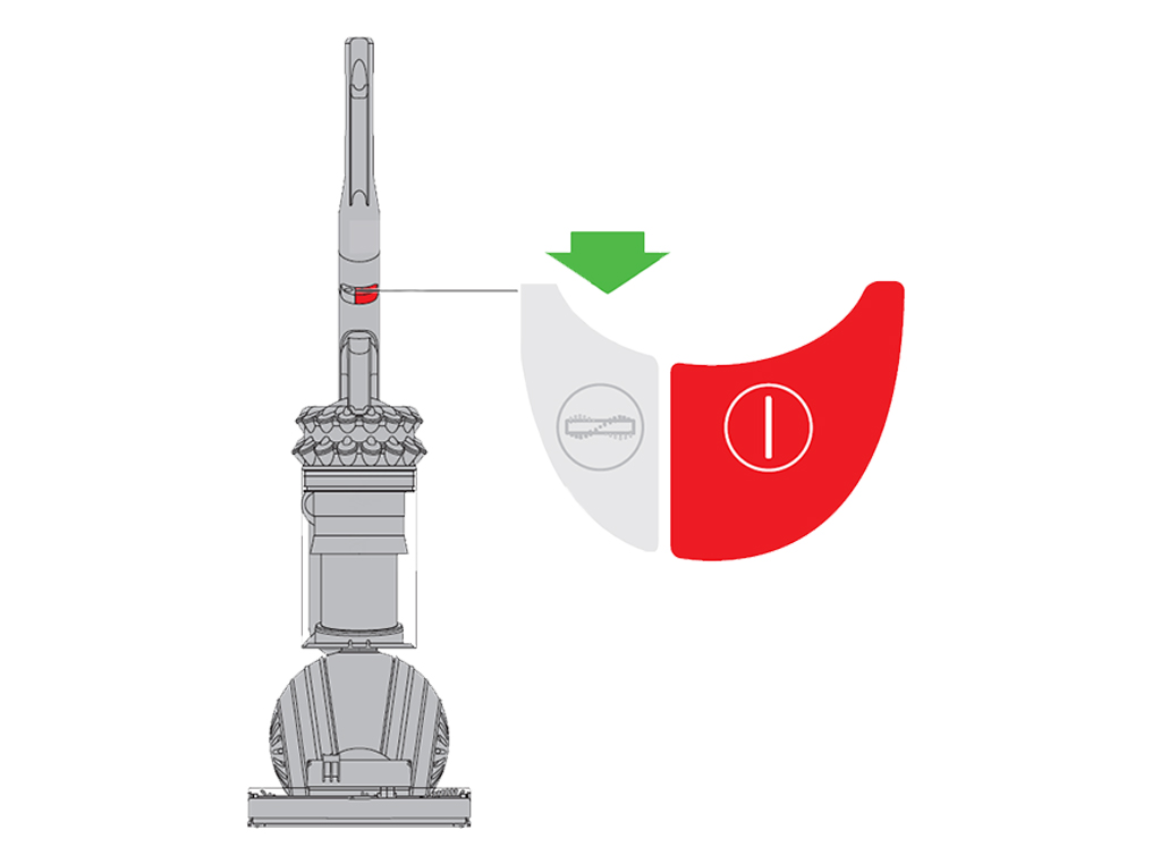
Many people think airflow and brush spin are separate, but in some upright vacuums they are connected. A serious clog can reduce performance, trigger a safety shutdown, or make it seem like the brush is not working properly.
Common clog points include:
- Hose bends
- Wand openings
- Dirt bins
- Intake ports near the floor head
- Filters packed with dust
If suction drops at the same time the brush stops spinning, a clog is more likely. Some models also have automatic safety systems that shut off the brush drive when airflow or motor load becomes too high.
What to check:
- Remove the hose and look through it
- Clear any blockage with a long object approved by the manufacturer
- Empty the dust bin
- Wash or replace filters if the manual allows it
- Check for lodged debris in the floor nozzle
A vacuum is a bit like a straw with a spinning broom attached. If the straw gets clogged, the system strains and the brush may stop doing its job well.
Height settings can affect brush performance
The height setting matters more than many people realize. If your upright vacuum brush is not spinning as expected on carpet, the head may be set too high. When the brush is lifted too far from the carpet surface, it may not make proper contact and can seem weak or inactive.
Check for these signs:
- Brush turns on hard floors but not carpet
- The vacuum feels too tall or too low
- Cleaning performance changes between rooms
What to do:
- Set the vacuum to the correct carpet height
- Use the low setting for hard floors if your model allows it
- Adjust one level at a time and test again
This is one of the simplest fixes, but it gets overlooked often. I have seen people replace belts and motors when the real issue was just the wrong height setting.
Brush roll bearings may be stuck or worn out
If the brush roll does not spin freely by hand, the bearings may be dirty, dry, or damaged. Bearings help the brush turn smoothly. When they fail, the brush can drag, squeal, or lock up completely.
Look for these clues:
- The brush feels stiff when turned by hand
- Grinding or squeaking noises
- Uneven spinning
- Heat around the brush area
Sometimes a good cleaning helps. In other cases, the brush roll assembly itself needs replacement. If the bearings are sealed and worn out, replacement is usually the best option.
This issue is more common in older vacuums or machines that have gone too long without maintenance. Regular cleaning can help extend the life of the brush roll and reduce stress on the motor.

The brush roll motor or drive system may have failed
If the belt is fine and the brush roll is clean, the problem may be in the motor or drive system. Some upright vacuums use a separate brush motor, while others use a powered drive setup linked to the main system. If that part fails, the brush will not spin even though the vacuum may still run.
Possible signs include:
- No brush movement at all
- No sound from the brush area
- Electrical smell or overheated parts
- Brush works only sometimes
This is where the repair gets more technical. A motor issue may require parts testing, and that is often best handled by a service center if the vacuum is under warranty. If the vacuum is older, compare the repair cost with the price of replacement.
A general rule I follow is this: if the motor repair costs close to half the price of a new vacuum, replacement may be the smarter move.
Safety shutoff and overheating can stop the brush
Some vacuums stop brush rotation to protect the motor if they get too hot or overloaded. This can happen after long cleaning sessions, a clog, or heavy carpet use. The machine may keep running, but the brush stops until the unit cools down.
Watch for:
- A hot vacuum body
- A thermal shutoff light
- A burning smell
- The brush starting again after a cool-down period
If this happens, unplug the vacuum and let it rest for at least 30 minutes. Then clean out clogs, clear the brush roll, and try again. If overheating keeps happening, there may be a deeper motor or airflow problem.
How to troubleshoot step by step
If your upright vacuum brush is not spinning and you want a simple repair plan, follow this order:
- Unplug the vacuum.
- Remove visible hair and debris from the brush roll.
- Check whether the brush spins freely by hand.
- Inspect the belt for wear or breakage.
- Clear the hose, wand, and intake path.
- Confirm the height setting is correct.
- Let the vacuum cool if it seems overheated.
- Test the brush again.
- If needed, inspect the motor or drive system.
This order works because it starts with the most common and least expensive fixes. In real-world use, that approach saves time and keeps you from replacing parts that are still good.
When to replace parts instead of repairing
Not every brush issue is worth fixing piece by piece. Sometimes replacement is the cleanest path, especially if multiple parts are worn at the same time.
Consider replacing parts when:
- The belt keeps breaking
- The brush roll is cracked or warped
- Bearings are noisy or seized
- The motor is weak or dead
- Repair costs keep stacking up
If your upright vacuum brush is not spinning because of repeated wear, a fresh brush roll or belt kit may restore performance quickly. For older models, replacement parts are often much cheaper than buying a new vacuum. Just make sure the parts match your exact model number.
How to prevent brush roll problems
A little maintenance goes a long way. The best way to avoid asking, “Why is my upright vacuum brush not spinning?” again is to stay ahead of buildup and wear.
Good habits include:
- Clean the brush roll every few weeks
- Remove tangled hair right away
- Check the belt monthly
- Empty the dust bin often
- Wash filters when allowed by the manufacturer
- Avoid vacuuming large debris that can jam the brush
- Store the vacuum in a dry place
I learned this the hard way with a vacuum I used on a pet-heavy carpet. Once I started cleaning the brush roll regularly, the machine ran better, smelled fresher, and stopped losing performance so often. Maintenance feels small, but it prevents bigger breakdowns later.
Frequently Asked Questions of Why is my upright vacuum brush not spinning?
Why is my upright vacuum brush not spinning but suction still works?
This usually means the brush drive system has failed, but the main vacuum motor is still running. The belt, brush roll, or brush motor may be the problem.
Can a clogged filter stop the vacuum brush from spinning?
Yes, in some models. A clogged filter can restrict airflow, cause overheating, or trigger a safety shutoff that affects brush rotation.
Why does my brush spin on hardwood but not carpet?
The height setting may be wrong, or the brush may not be making proper contact with the carpet. A worn belt or weak brush drive can also show up more clearly on carpet.
How do I know if the vacuum belt is broken?
If the vacuum is on but the brush does not move, and you hear squealing or smell burnt rubber, the belt may be broken or slipping. Opening the brush cover will usually confirm it.
Is it safe to keep using a vacuum if the brush is not spinning?
It is usually safe for short testing, but not ideal for cleaning carpets. A non-spinning brush reduces cleaning power and can lead to extra strain on the motor.
Do all upright vacuums use a belt for the brush?
No, not all of them. Some use a direct motor drive or an electronic brush system, so the repair steps can differ by model.
Conclusion
When an upright vacuum brush is not spinning, the cause is usually something practical like a worn belt, tangled debris, a clog, or a setting issue. In a smaller number of cases, the problem comes from a stuck bearing, a failed brush motor, or overheating. The good news is that most of these issues can be checked at home with a simple step-by-step approach.
If you start with the easiest fixes first, you can save time, money, and a lot of frustration. Take a few minutes to inspect the brush roll, clear the airflow path, and test the belt before assuming the vacuum is finished. If you want to keep your vacuum running longer, make regular brush cleaning part of your routine and leave a comment or explore more home maintenance tips to stay ahead of future problems.

