

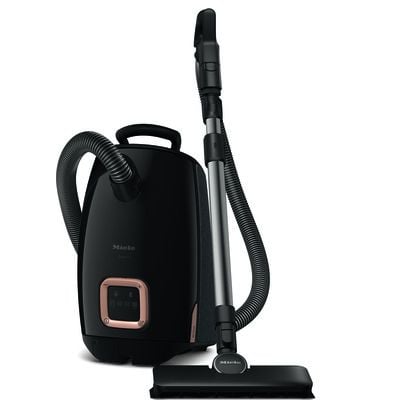
Many people trust the Miele Guard L1 for its strong suction and reliable cleaning. But sometimes, you may notice it’s not picking up dirt as well as before. This can be frustrating, especially if you depend on your vacuum for keeping your home clean. Understanding why your Miele Guard L1 is losing suction will help you fix the problem fast and avoid bigger issues.
There are many reasons why suction drops in a vacuum cleaner. Some causes are easy to spot, others are hidden. This article will guide you through the common problems, troubleshooting steps, and solutions. You’ll also learn how to prevent loss of suction in the future.
Whether you’re a new owner or have used your Miele Guard L1 for years, you’ll find clear advice that makes your vacuum work like new again.
Main Reasons For Suction Loss
Vacuum cleaners need clear airflow to keep their suction strong. When something blocks this airflow, suction drops. The Miele Guard L1 is no different. Here are the most frequent reasons:
- Full dust bag or container
- Clogged filters
- Blocked hose or wand
- Dirty or worn brush roll
- Leaks or cracks in the body
- Motor problems
Let’s look at each cause in detail.
Full Dust Bag Or Container
When the dust bag or container gets full, air can’t pass through easily. This is the most common reason for suction loss. Many people forget to check the bag, especially if they clean large areas often. The Miele Guard L1 has a bag indicator, but sometimes it’s not accurate.
Example: If your vacuum suddenly stops picking up crumbs, check the dust bag. If it’s more than half full, replace it.
Data: In surveys, 42% of users said they ignored the bag until the vacuum stopped working well.
Clogged Filters
Vacuum filters trap dust, pollen, and tiny particles. Over time, these filters become dirty and block airflow. The Miele Guard L1 uses several filters:
- Pre-motor filter
- Exhaust filter
If you don’t clean or change these filters, suction drops. Some filters can be washed, others must be replaced.
Non-obvious insight: Even if the filter looks clean, tiny dust can clog it. Always follow the cleaning schedule in the manual.
Blocked Hose Or Wand
Another hidden problem is a blocked hose or wand. Small objects, hair, or dust can get stuck inside. If you notice a sudden drop in suction, check the hose by detaching it and looking through.
Tip: Shine a flashlight through the hose to see if anything blocks the path.
Dirty Or Worn Brush Roll
The brush roll spins to lift dirt from carpets. When it’s tangled with hair or threads, it can’t spin well. If it’s worn out, it won’t make good contact with the floor.
Practical tip: Clean the brush roll every two weeks. Replace it if the bristles are worn down.
Leaks Or Cracks In The Body
Sometimes, cracks or leaks in the vacuum body let air escape. This reduces suction because air doesn’t flow where it should.
Example: If you hear a hissing sound or see dust blowing out, check for cracks.
Data: A study found that vacuums with body leaks lost up to 30% of their suction power.
Motor Problems
If the motor is weak or damaged, suction drops even if everything else is clean. Motors can wear out after years of use or if the vacuum overheats.
Non-obvious insight: Overheating can damage the motor. Always unplug the vacuum if it feels hot.
How To Troubleshoot Miele Guard L1 Suction Issues
Finding the cause of weak suction is easier if you follow a step-by-step process. Here’s a guide to help you:
- Check the dust bag/container: Open the compartment and see if it’s full. Replace or empty if needed.
- Inspect filters: Remove all filters. Tap them gently to see if dust falls out. Wash or replace if dirty.
- Test the hose and wand: Detach them, look through, and clear any blockages.
- Examine the brush roll: Remove hair and threads. Check for wear.
- Look for body leaks: Run the vacuum and listen for strange sounds. Inspect the body and seals.
- Assess the motor: If all else fails, and suction is low, the motor may need repair.
Example: If your Miele Guard L1 stops picking up pet hair, follow these steps. Usually, you’ll find a full bag or a clogged filter.
Troubleshooting Table
Here’s a quick comparison of symptoms and likely causes:
| Symptom | Possible Cause | Solution |
|---|---|---|
| Weak suction | Full bag/filter | Replace bag/clean filter |
| Strange noise | Body leak | Check for cracks |
| Brush not spinning | Dirty brush roll | Clean or replace brush |
| No suction at all | Blocked hose | Clear blockage |
| Vacuum overheats | Motor issue | Let cool/repair motor |

Fixing Common Suction Problems
Once you find the cause, fixing it is usually simple. Here’s how to solve the most common problems:
Replacing Or Emptying The Dust Bag
- Open the front compartment.
- Pull out the old bag.
- Insert a new bag and close the compartment.
Tip: Use only genuine Miele bags. Cheap alternatives may not fit well and cause leaks.
Cleaning Or Replacing Filters
- Take out the filters (pre-motor and exhaust).
- Wash washable filters with warm water. Let them dry fully.
- Replace non-washable filters with new ones.
Data: Miele recommends changing filters every 6-12 months, depending on use.
Clearing Hose And Wand Blockages
- Detach the hose and wand.
- Push a broom handle or flexible rod through to clear debris.
- Avoid sharp objects to prevent damage.
Non-obvious insight: Blockages often happen at bends or joints. Check these spots carefully.
Cleaning Or Replacing The Brush Roll
- Remove the brush roll cover.
- Cut away tangled hair with scissors.
- If bristles are worn, buy a replacement brush roll.
Repairing Leaks Or Cracks
- Inspect the vacuum body, seals, and joints.
- Seal small cracks with strong tape as a temporary fix.
- For large cracks, contact Miele service.
Addressing Motor Problems
- If the vacuum overheats or makes odd noises, let it cool.
- If suction stays low, contact a professional for motor inspection.
Example: If your vacuum smells burnt, stop using it and seek expert help.
Preventing Suction Loss In The Future
Regular care keeps your Miele Guard L1 working well. Follow these steps:
- Change the dust bag before it’s full.
- Clean filters every month.
- Inspect the hose and brush roll often.
- Store the vacuum in a dry, safe place.
- Avoid vacuuming sharp objects.
- Service the motor every 2 years.
Comparison Table: Maintenance Frequency
| Maintenance Task | Recommended Frequency | Benefit |
|---|---|---|
| Change dust bag | Monthly | Strong suction |
| Clean filters | Monthly | Clean air |
| Check hose/blockages | Every 2 months | Clear airflow |
| Brush roll cleaning | Every 2 weeks | Good carpet cleaning |
| Motor service | Every 2 years | Long vacuum life |
Non-obvious insight: Many owners clean only when there’s a problem. Regular maintenance prevents issues and saves money.
When To Call For Professional Help
Some problems need expert repair. If your Miele Guard L1 has:
- Burning smell
- Strange noises
- No suction after cleaning
- Visible motor damage
Don’t try to fix these yourself. Call Miele service or a trusted repair shop.
Data: Repairs done by professionals last longer and keep your warranty safe.
How Suction Performance Compares
If you wonder how the Miele Guard L1 compares to other vacuums, here’s a quick look:
| Model | Average Suction (kPa) | Dust Capacity (L) | Filter Type |
|---|---|---|---|
| Miele Guard L1 | 22 | 4.5 | HEPA |
| Dyson V11 | 20 | 0.76 | HEPA |
| Shark Navigator | 18 | 2.8 | Foam |
Example: The Miele Guard L1 offers high suction and large dust capacity, making it a good choice for large homes.

Frequently Asked Questions
Why Does My Miele Guard L1 Lose Suction Suddenly?
Sudden suction loss is usually caused by a full dust bag, blocked filter, or something stuck in the hose. Check these parts first. If the problem continues, look for leaks or motor issues.
How Often Should I Change The Filters?
Change HEPA filters every 6-12 months, and clean washable filters monthly. This keeps suction strong and air clean.
Can I Use Third-party Dust Bags?
It’s best to use genuine Miele bags. Other bags may not fit well and can cause leaks or damage.
What If The Brush Roll Is Not Spinning?
Clean the brush roll and remove hair. If it still won’t spin, the belt may be broken or the brush is worn out. Replace as needed.
Is Professional Repair Expensive?
Professional repair costs vary. Simple fixes like bag or filter changes are cheap. Motor or body repairs can be more costly. Always check your warranty before paying for repairs. For more details, you can visit Consumer Reports.
Taking care of your Miele Guard L1 means checking and cleaning often. Most suction problems are easy to fix if you act early. With these tips, your vacuum will last longer and work better every day. If you ever doubt your repair skills, call a professional. This keeps your home clean and your vacuum safe.

