

Your upright vacuum usually smells because dust, hair, mold, or a worn belt is heating up inside.
If you have ever turned on your upright vacuum and noticed a burnt, musty, or sour smell, you are not alone. In my experience, this is one of the most common vacuum complaints, and it usually points to a simple maintenance issue rather than a major breakdown. The good news is that an upright vacuum smell is often fixable at home once you know where to look.

Why your upright vacuum smells
An upright vacuum smell is usually a sign that something inside the machine is trapped, overheated, or breaking down. The odor can come from the brush roll, belt, hose, dust bin, filter, or even the motor area.
A vacuum works hard, and like a car engine, it needs clean airflow to run well. When airflow gets blocked, parts heat up, debris starts to bake, and smells follow. That is why the first step is not masking the odor, but finding the source of the upright vacuum smell.
Common reasons an upright vacuum smells
1. Clogged filters
Dirty filters are one of the biggest causes of an upright vacuum smell. When a filter is packed with dust, pet dander, or fine debris, air cannot move through the machine properly.
That trapped dirt can start to smell stale or musty. In some vacuums, a clogged filter also makes the motor work harder, which can add a hot or burnt odor.
2. Hair and debris wrapped around the brush roll
The brush roll spins fast and grabs everything from carpet fibers to pet hair. Over time, that same buildup can trap odors and create friction.
I have seen vacuums smell almost like burnt rubber when the brush roll was packed tight with hair and thread. Once the roller is cleaned, the smell often drops right away.
3. Worn or slipping belt
A belt that is stretched, cracked, or slipping can create a sharp burnt smell. This is one of the most common reasons people notice a sudden upright vacuum smell after a cleaning session.
If the brush roll is not spinning freely, the belt can overheat. That hot rubber scent is a clue that the belt may need replacement soon.
4. Dust cup, bag, or canister odors
A full dust cup or vacuum bag can hold old dirt, pet hair, crumbs, and fine dust. If the vacuum sits for a while, that mix can start to smell sour or musty.
Even if the machine is still picking up dirt, the odor can spread every time you turn it on. Emptying the bin or changing the bag regularly can make a big difference.
5. Mold or mildew inside the vacuum
If your vacuum has picked up damp dirt, wet carpet residue, or spilled liquids, mold can grow inside the hose, bin, or filters. That creates a musty smell that may linger long after cleaning.
This is especially common in humid homes or after vacuuming areas that were not fully dry. A moldy upright vacuum smell should not be ignored because it usually means moisture is trapped somewhere.
6. Overheated motor
A motor can smell hot when it is strained by clogs, blocked airflow, or worn parts. This smell may seem faint at first, then get stronger after a few minutes of use.
If the vacuum gets unusually hot or shuts off, stop using it right away. Repeated overheating can damage the motor and shorten the life of the machine.
7. Vacuuming the wrong materials
Some smells come from what the vacuum picked up, not from the vacuum itself. Fine ash, food spills, craft dust, pet accidents, or damp debris can all leave behind a strong odor.
If the smell started after vacuuming one area, that is a useful clue. The upright vacuum smell may be from the material inside the machine rather than a broken part.

How to find the source of the smell
The fastest way to fix an upright vacuum smell is to inspect the machine in sections. Start simple and work from the outside in.
Use this order:
- Unplug the vacuum first for safety.
- Empty the dust cup or replace the vacuum bag.
- Check the filters and clean or replace them if needed.
- Look at the brush roll for hair, string, and debris.
- Inspect the belt for cracks, looseness, or burning.
- Smell near the hose, base, and motor area to narrow down the source.
In my own experience, the smell often comes from more than one place. A dirty filter plus a wrapped brush roll can create a much stronger odor than either issue alone.
How to get rid of an upright vacuum smell
Clean the dust bin or replace the bag
If your vacuum uses a bagless bin, wash the canister if the manual allows it and let it dry fully. If it uses a bag, replace it before it gets packed too full.
A half-empty dust cup can still smell if the contents are old or damp. Freshening this part first is usually the easiest win.
Wash or replace filters
Many upright vacuums have foam, felt, or HEPA-style filters. Some can be rinsed with water, while others must be replaced.
Always check the manufacturer’s guide before cleaning. Putting a damp filter back into the machine can make the smell worse, not better.
Remove hair from the brush roll
Turn the vacuum over and cut away hair, thread, and string wrapped around the roller. A seam ripper, scissors, or a small knife can help, but be careful not to damage the bristles.
If the brush roll spins more freely after cleaning, that is a strong sign you were dealing with heat buildup. That simple fix often removes a burnt odor fast.
Inspect and replace the belt if needed
A belt that looks shiny, stretched, or cracked should be replaced. Most belts are inexpensive and easy to install, but follow the model instructions so the fit is correct.
If the belt was the cause of the upright vacuum smell, you may notice the new one runs cooler and quieter. That is one of those repairs that feels small but makes a big difference.
Clean the hose and attachments
Sometimes the odor hides in the hose, wand, or tool heads. Run a flashlight through the hose and check for clogs, old debris, or stuck pet hair.
If the hose can be removed, rinse it only if the manual says it is safe. Make sure it is fully dry before reattaching it.
Let damp parts dry completely
If moisture is part of the problem, drying matters just as much as cleaning. Leave the vacuum open in a dry space for several hours, or overnight if needed.
I have learned that rushing this step can bring the odor right back. A part that feels dry on the outside may still hold moisture inside folds or seams.
When the smell means a bigger problem
Not every upright vacuum smell is just dirt or dust. Sometimes the odor is a warning sign.
Watch for these red flags:
- A strong electrical or burning smell that keeps getting worse
- Smoke coming from the vacuum
- The vacuum shutting off by itself
- Loss of suction plus a hot smell
- A belt smell that returns right after replacement
If you notice any of these, stop using the vacuum and have it checked by a repair technician or the manufacturer’s support team. Electrical smells should never be brushed off.
How to prevent an upright vacuum smell
Prevention is much easier than chasing a bad odor later. A little routine care keeps the machine cleaner and helps it last longer.
Try these habits:
- Empty the dust cup after heavy use
- Replace vacuum bags before they get packed solid
- Clean filters on schedule
- Remove hair from the brush roll every few weeks
- Check for clogs in the hose and wand
- Let the vacuum dry fully after any deep cleaning
- Avoid vacuuming wet debris unless the vacuum is made for it
I have found that a five-minute cleanup after vacuuming pet hair saves a lot of trouble later. It also keeps the machine smelling more neutral, which matters more than people think.
Why upright vacuums smell worse in pet homes
Pet homes put extra stress on a vacuum. Hair, dander, litter dust, and the occasional accident can all build up fast.
That mix can create a stronger upright vacuum smell because it clogs filters and wraps around the brush roll faster than normal household dust. If you have pets, more frequent maintenance is not optional. It is the difference between a vacuum that smells clean and one that smells tired.
What different vacuum smells can mean
A smell can tell you a lot if you pay attention.
- Burnt rubber smell: often a slipping belt or jammed brush roll
- Musty smell: usually mold, mildew, or damp debris
- Dusty smell: packed filters or old dirt in the bin
- Sour smell: old pet hair, food residue, or stagnant debris
- Electrical smell: motor strain or internal damage
Think of the odor as a message. The vacuum is basically telling you where it hurts.
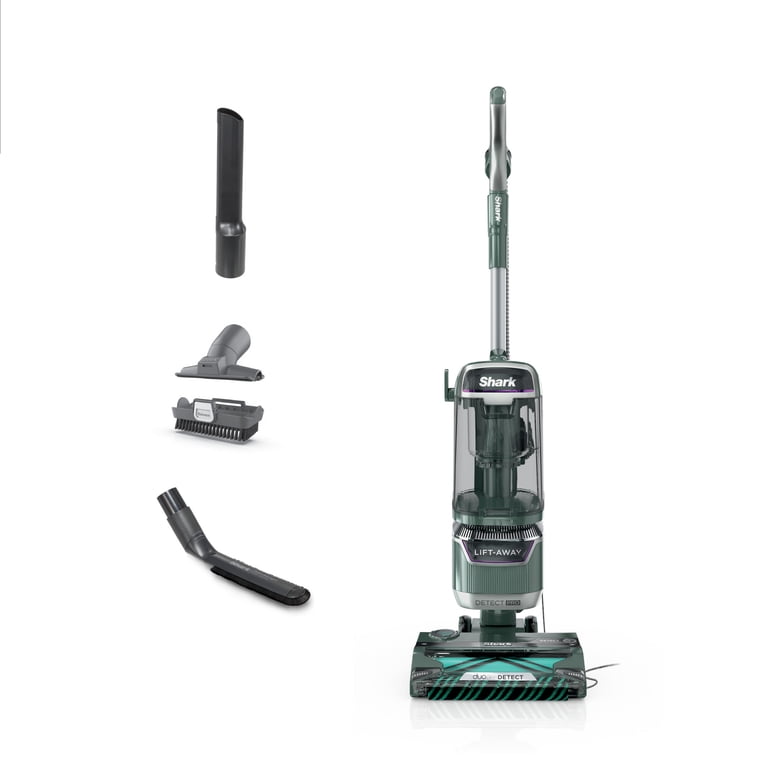
Frequently Asked Questions of Why does my upright vacuum smell?
Why does my upright vacuum smell like burning?
A burning smell usually comes from a slipping belt, jammed brush roll, or overheated motor. Stop using the vacuum and check for clogs or wrapped hair before running it again.
Why does my upright vacuum smell musty?
A musty smell is often caused by damp dirt, mold, or mildew inside the hose, filters, or dust bin. Cleaning the machine and letting every part dry fully usually helps.
Can a dirty filter make my vacuum smell?
Yes, a dirty filter can absolutely cause an upright vacuum smell. It blocks airflow, traps dust, and can make the motor run hotter than normal.
Why does my vacuum smell worse after I clean?
That can happen when warm air moves through old dirt, hair, or a nearly worn belt. It may also mean the vacuum picked up something wet or smelly that is now heating up inside the machine.
How often should I clean my vacuum to avoid smells?
For most households, emptying the bin after use and checking filters every few weeks is a good start. Homes with pets or heavy traffic may need more frequent cleaning to prevent odors.
Conclusion
A smelly upright vacuum is usually trying to tell you something simple: clean me, check me, or repair me. Most odors come from clogged filters, wrapped hair, old debris, moisture, or a worn belt, and many of those problems are easy to fix at home.
If your upright vacuum smell keeps coming back, start with a full cleaning and then inspect the belt, brush roll, and airflow path. A little maintenance now can save you from bigger repairs later, so take a few minutes this week to give your vacuum a proper checkup and keep your home smelling fresh.


1 Comment
Pingback: Why Does My Canister Vacuum Keep Shutting Off: Fixes - Vacuum Cleaner Tips