

An upright vacuum usually rattles because something is loose, stuck, worn, or damaged inside.
If your upright vacuum is making a rattling noise, you are not alone. I have seen this issue more times than I can count, and the cause is often simpler than people think. In many cases, a small clog, a loose brush roll, or a worn belt is all it takes to turn a normal cleaning session into a noisy one. Understanding why does my upright vacuum make a rattling noise? can save you time, money, and a lot of frustration.
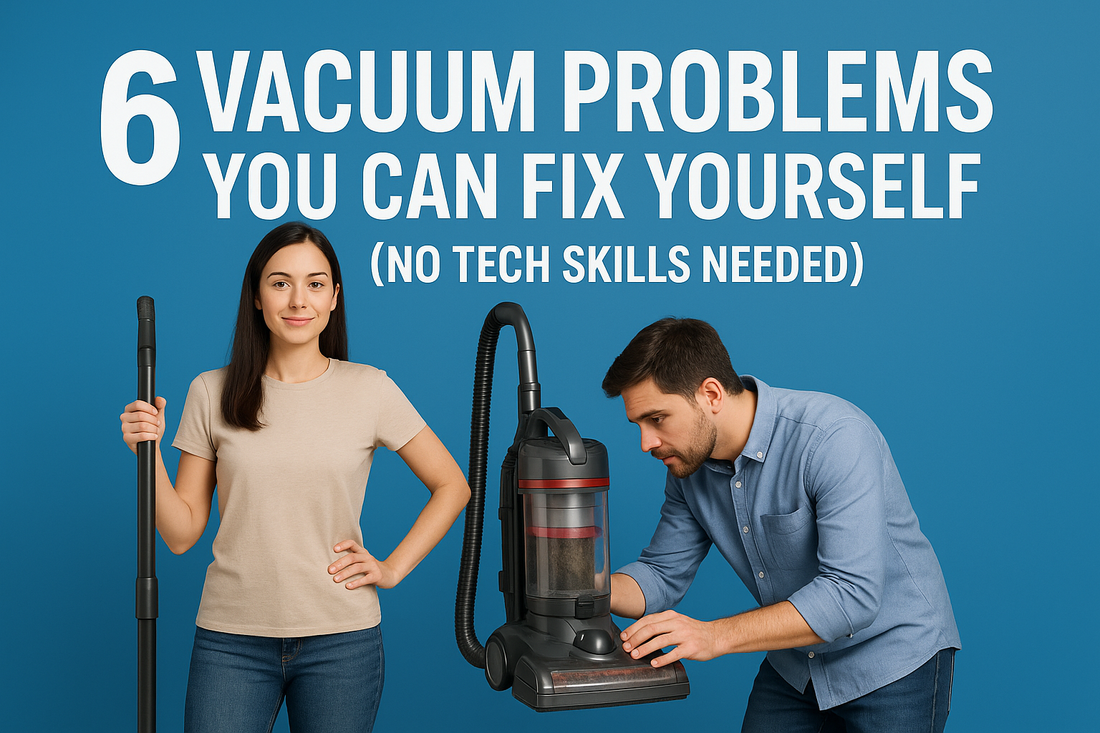
Common reasons your upright vacuum makes a rattling noise
When people ask why does my upright vacuum make a rattling noise?, the answer usually comes down to moving parts. Upright vacuums have belts, rollers, fans, wheels, and internal seals. If even one of those parts shifts out of place, the machine can sound like a box of loose screws.
A rattling sound is often a warning sign. It may mean the vacuum is vibrating more than usual, or a part is hitting another part during operation. I have found that the noise often starts small and gets worse over time, so it is worth checking early.
Some of the most common causes include:
- Loose screws or panels that shake while the motor runs
- Debris trapped in the brush roll, nozzle, or hose
- A worn or cracked belt that slaps around inside the machine
- A damaged brush roll or roller bearing
- A fan blade that is broken or unbalanced
- Coins, buttons, pet toys, or hairpins stuck in the suction path
- Wheels or height adjusters that are loose or broken
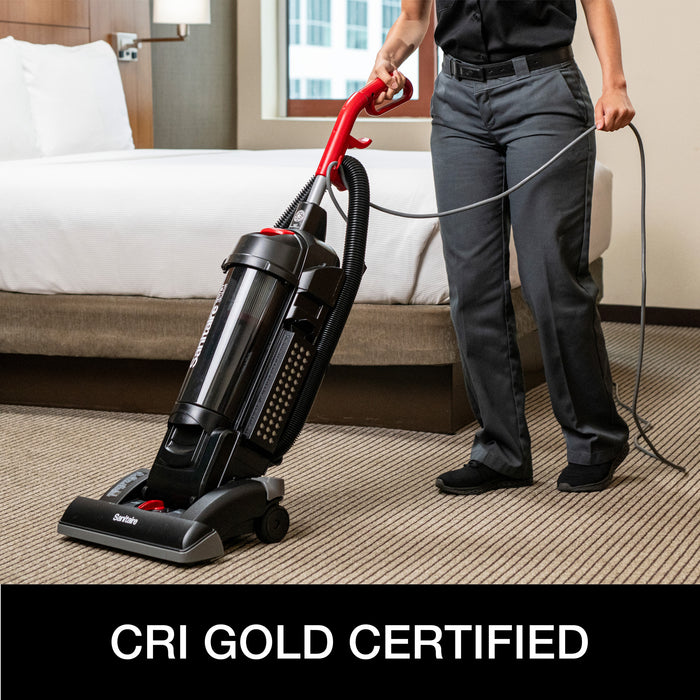
Loose parts are one of the most common causes
A loose screw can make a surprisingly loud rattling noise. The vibration from the motor and brush roll can shake small panels, covers, and fasteners, especially if the vacuum has been used for a few years.
In my experience, this is one of the first things to check because it is easy to fix. A simple screwdriver and a close look at the housing can solve a problem that sounds much bigger than it is.
Check these areas:
- The base plate under the brush roll
- The dustbin or canister latch area
- The handle joints and extension wand
- The wheel mounts
- Any removable cover near the motor housing
If a panel is not seated correctly, snap it back into place. If a screw is missing, replace it with the correct size from the manufacturer.
Debris trapped inside the vacuum
If you are wondering why does my upright vacuum make a rattling noise? after picking up small objects, debris may be the reason. Tiny items can get caught in the brush roll area, suction path, or fan chamber and bounce around during use.
This is especially common after vacuuming near entryways, under furniture, or around craft areas. I once pulled a small Lego piece from a vacuum that had been “rattling for weeks,” and the fix took less than five minutes.
Look for:
- Coins
- Paper clips
- Hair ties
- Toy parts
- Pet food pellets
– Stiff debris like gravel or sand
Turn the vacuum off and unplug it before checking. If the noise stops once the debris is removed, you have likely found the cause.
Brush roll problems can create a loud rattle
The brush roll, also called the beater bar, spins fast and takes a lot of abuse. Hair, string, and carpet fibers wrap around it and can throw off its balance. When that happens, the roller may wobble and make a rattling or thumping noise.
A damaged brush roll bearing can also be the culprit. If the roller feels rough when you turn it by hand, or if it seems loose on one side, the bearing may be worn.
Signs the brush roll is the problem:
- The noise changes when the brush roll is turned on or off
- The roller does not spin smoothly by hand
- You see tangled hair or string wrapped tightly around it
- The vacuum shakes more than usual on carpet
Clean the roller carefully and inspect both ends. If the brush roll is cracked or bent, replacement is usually the best option.
A worn belt can slap and rattle
Many upright vacuums use a belt to drive the brush roll. Over time, the belt stretches, frays, or cracks. A loose belt can slap against nearby parts and make a rattling or flapping sound.
This is one of those issues I always check when someone says their vacuum sounds “off” but still works. A belt can still move the brush roll while being too worn to do the job well. That means the vacuum may clean poorly and make more noise at the same time.
Replace the belt if you notice:
- Visible cracks or fraying
- A shiny, stretched look
- Burning rubber smell
- Weak brush roll movement
- Sudden slipping sounds
Always use the exact belt type recommended for your model. A wrong belt can cause more noise and shorten the life of the vacuum.
Fan damage inside the motor housing
If you are still asking why does my upright vacuum make a rattling noise? after checking the brush roll and belt, the fan may be the issue. Many upright vacuums have a fan inside the motor housing that creates suction. If the fan blade chips, bends, or breaks, it can create a harsh rattling sound.
This is a more serious problem than a loose panel or clogged roller. A damaged fan can reduce suction and may eventually harm the motor if ignored. Industry guidance from vacuum repair professionals and appliance service manuals often treats fan damage as a major mechanical fault.
Warning signs include:
- A high-pitched rattle or scraping sound
- Reduced suction power
- A burning smell
- The vacuum shutting off unexpectedly
- Vibration from the motor area
If the fan is damaged, repair may require opening the motor housing. For many people, this is a good time to contact a qualified repair tech.
Wheels and height adjusters can also rattle
Sometimes the noise is not from the inside at all. Loose wheels, worn axles, or a broken height adjuster can create a rattling sound that seems to come from the whole vacuum. This is easy to miss because the sound often travels through the plastic body.
I have seen vacuums blamed for motor problems when the real issue was a cracked wheel bracket. The sound can be sharp and repetitive, especially on hard floors or when turning corners.
Check for:
- Wheels that wobble
- Missing wheel caps
- Cracked plastic mounts
- Loose height selector parts
- Debris caught near the axle
If a wheel spins unevenly or feels loose, it may need replacement.
A clog can change the sound of the vacuum
A clog does not always cause a full blockage. Sometimes it creates strange vibration and rattling instead. When airflow is restricted, the motor may strain and vibrate more, which makes the machine sound rough.
This happens often in the hose, wand, foot nozzle, or near the dustbin. Pet hair, lint, and dust clumps can build up slowly until the vacuum starts to sound like it has pebbles inside.
To check for clogs:
- Unplug the vacuum.
- Remove the hose and inspect it from both ends.
- Look through the wand for stuck debris.
- Empty and clean the dustbin or bag chamber.
- Check the nozzle opening and brush channel.
A clean airflow path often reduces vibration and noise right away.
How to diagnose the rattling sound step by step
When I troubleshoot why does my upright vacuum make a rattling noise?, I start simple and move deeper only if needed. That saves time and avoids unnecessary disassembly. Most vacuum noises can be narrowed down by listening carefully and checking parts in order.
Use this basic process:
- Turn the vacuum off and unplug it.
- Shake the machine gently to see if the noise comes from a loose part.
- Inspect the brush roll area for hair, string, and stuck objects.
- Check the belt for wear or looseness.
- Spin the brush roll by hand to feel for rough spots.
- Look at the wheels and base plate for cracks or wobble.
- Test the hose and wand for clogs.
- Run the vacuum briefly after each step to see if the noise changes.
If the rattling gets louder when the brush roll is on, the issue is likely in that area. If the sound stays the same even when accessories are removed, the motor or fan may be the source.
When the rattling noise is normal and when it is not
Not every sound means a problem. Some upright vacuums naturally make more noise on thick carpet, hard floors, or when switching surface types. A light vibration is normal. A sharp rattling, however, usually means something needs attention.
Normal sounds may include:
- A steady motor hum
- Light brush roll contact on carpet
- A soft click when changing height settings
Not normal:
- Metal-on-plastic rattling
- Sudden loud shaking
- Scraping or grinding
- Noise that gets worse fast
- Burning smell with the sound
If your vacuum suddenly becomes much louder, stop using it until you inspect it. That can prevent bigger damage.
How to fix the rattling noise
The right fix depends on the cause, but many repairs are simple. In my experience, the most common solution is a deep clean plus a belt or brush roll replacement. Those two steps solve a surprising number of upright vacuum noise problems.
Try these fixes:
- Tighten any loose screws or panels
- Remove debris from the brush roll and nozzle
- Replace a worn or stretched belt
- Clean or replace the brush roll
- Check and clear the hose, wand, and airflow path
- Replace broken wheels or mounts
- Seek repair help for fan or motor damage
If your vacuum is still under warranty, check the terms before opening the motor housing. Some brands require authorized service for internal repairs.
How to prevent rattling in the future
The best way to avoid this issue is regular maintenance. A vacuum that gets cleaned often will usually run quieter and last longer. Think of it like keeping a car’s tires inflated and oil changed. Small upkeep prevents noisy surprises later.
Good habits include:
- Emptying the dustbin or replacing bags before they overfill
- Cutting hair and string off the brush roll every few weeks
- Checking the hose for clogs once a month
- Tightening visible screws during routine cleaning
- Replacing belts on schedule
- Avoiding vacuuming large hard objects
If you have pets, you may need to clean the brush roll more often. Pet hair is one of the biggest causes of tangled parts and vibration.

Frequently Asked Questions of Why does my upright vacuum make a rattling noise?
Why does my upright vacuum make a rattling noise when I turn it on?
A rattling noise at startup often points to a loose part, a worn belt, or debris near the brush roll. If the sound fades after a few seconds, the belt or roller may be slipping until it catches.
Can a clogged vacuum cause rattling?
Yes, a clog can cause rattling by disrupting airflow and making the motor work harder. It can also trap debris that bounces around inside the hose, wand, or nozzle.
Is it safe to keep using a rattling vacuum?
It is usually not a good idea to keep using it for long. A rattling sound can lead to more damage if the problem is a broken fan, loose belt, or failing brush roll bearing.
Why does the rattling get louder on carpet?
Carpet puts more load on the brush roll and motor, so a weak belt or unbalanced roller often sounds worse there. Thick carpet can also make loose parts vibrate more strongly.
How do I know if the motor is the problem?
If the rattling comes from the housing and you notice burning smells, poor suction, or sudden shutdowns, the motor or fan may be involved. That kind of repair is usually more serious and may need professional service.
Can I fix the rattling noise myself?
Yes, many causes are easy to fix at home, like removing debris, tightening screws, or replacing a belt. If the noise seems to come from the sealed motor area, it is safer to get help from a repair technician.
Conclusion
If you have been wondering why does my upright vacuum make a rattling noise?, the answer is usually mechanical and fixable. Loose parts, trapped debris, worn belts, damaged brush rolls, and fan problems are the most common causes. The good news is that a careful inspection often points to the problem fast.
The safest approach is to unplug the vacuum, check the simple things first, and work your way toward the more serious parts. Small repairs now can prevent bigger breakdowns later and help your vacuum run quieter and longer. If the noise keeps coming back, take it as a sign to repair or replace the worn part before it causes more damage.
If this guide helped you, save it for later, share it with someone dealing with a noisy vacuum, or leave a comment with the symptom you noticed.

