

An upright vacuum usually has weak suction because of clogs, dirty filters, leaks, or a full dust bin.
If you’ve ever pushed your upright vacuum across the floor and felt like it was just “gliding” dirt around instead of lifting it, you’re not alone. I’ve seen this problem over and over in real homes, and the cause is often simpler than people think. In this guide, I’ll walk you through the most common reasons why your upright vacuum has weak suction, how to test each one, and what to do next so you can get that strong, steady pick-up back.
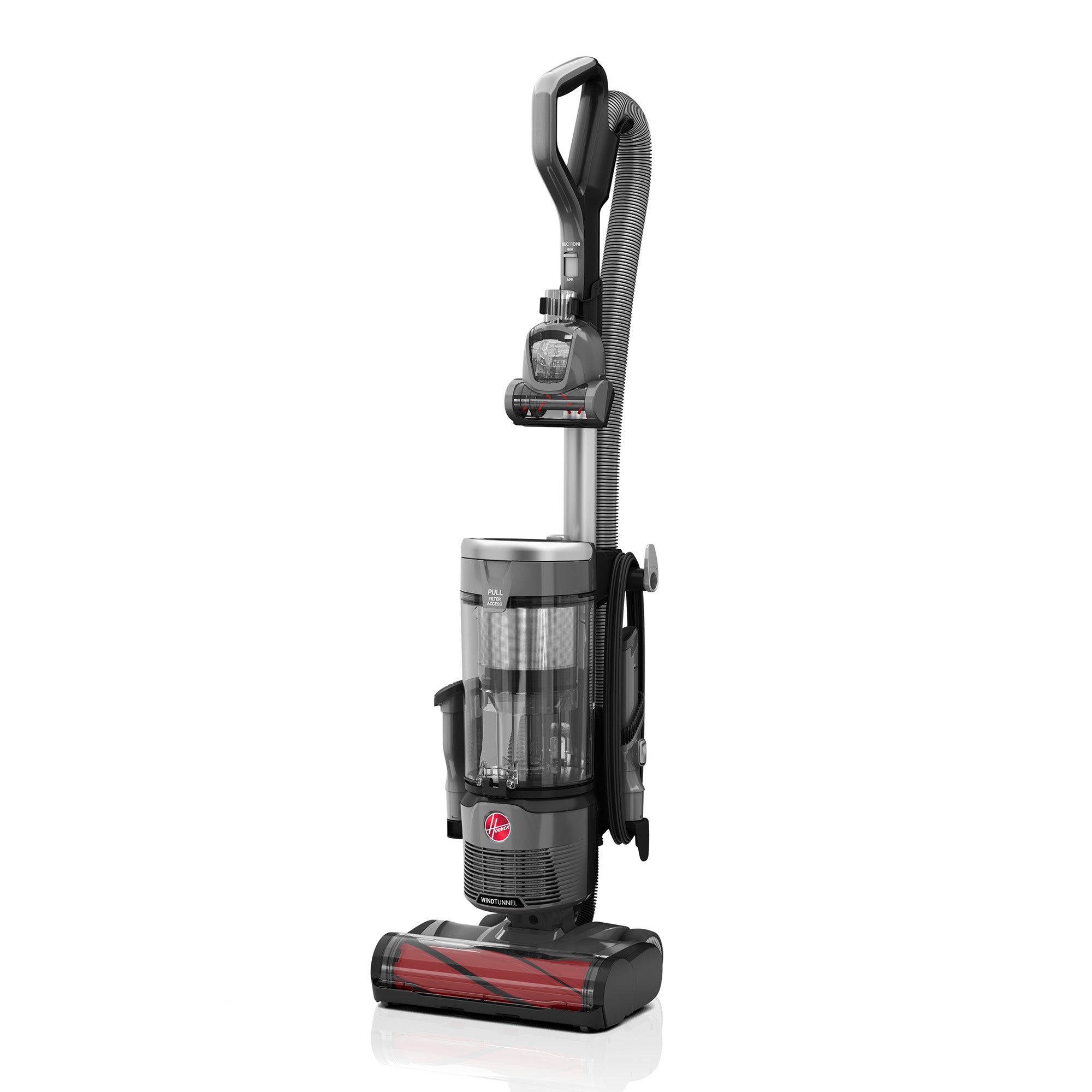
Common reasons an upright vacuum has weak suction
When an upright vacuum has weak suction, the issue is usually airflow. A vacuum works by pulling air through the nozzle, hose, filter, dust bin, and motor path. If any part of that path gets blocked or leaks air, suction drops fast.
The good news is that most problems are fixable at home. In my experience, the “big three” are a clogged hose, dirty filters, and a brush roll packed with hair or string. Those are the first places I check because they cause the most frustration and the most false alarms.
A clogged hose or airway
A clog is one of the most common reasons an upright vacuum has weak suction. Even a small blockage can choke airflow and make the vacuum feel tired. Things like paper scraps, lint, pet hair, or a sock stuck in the hose can create a major drop in performance.
Here’s what to do:
• Unplug the vacuum first for safety
• Remove the hose and look through it with a flashlight
• Push a broom handle or flexible cleaning tool through the hose gently
• Check bends, elbows, and joints where debris often hides
I once found a tiny wad of carpet backing stuck in a hose that looked clear from the outside. It was enough to make the vacuum act broken. After clearing it, suction came back almost immediately.
Dirty or clogged filters
Filters catch fine dust, but they also collect the very debris your vacuum needs to move. When filters get packed with dirt, airflow slows down and suction suffers. This is especially common in homes with pets, carpets, or lots of dust.
Many uprights have one or more filters, including:
• Foam filters
• Felt filters
• Pleated filters
• HEPA filters
If your vacuum has washable filters, rinse them only if the manual says it’s safe. Let them dry fully before reinstalling them, because a damp filter can damage the machine or reduce suction even more. If the filter is old, torn, or permanently gray and stiff, replacement is usually the better move.
A full dust bin or bag
A vacuum does not need to be completely full to lose suction. On bagless models, dust can clog the internal chamber and narrow the airflow path long before the bin looks packed. On bagged models, a bag that’s too full can act like a stuffed pillow and block air movement.
A simple habit helps a lot:
• Empty the bin when it reaches the fill line
• Replace bags before they look bulged
• Tap out fine dust from the canister walls if needed
• Make sure the bin is seated correctly after emptying
I’ve noticed many people wait until the bin is packed solid. That feels efficient, but it usually makes the vacuum work harder and clean worse.
A worn or broken belt
The belt helps the brush roll spin. If it slips, stretches, or breaks, the vacuum may still run but clean poorly. You may hear the motor, yet the pickup will feel weak because the brush roll is not agitating carpet fibers the way it should.
Signs of a belt problem include:
• The brush roll stops spinning
• A burning smell
• Loud squealing
• Poor carpet pickup even though the vacuum powers on
Belts wear out over time, especially in homes with thick carpet or lots of hair. If your vacuum has never had a belt replacement, this is worth checking.
Brush roll tangled with hair or debris
The brush roll is like the vacuum’s hands. If those “hands” are wrapped in hair, thread, or string, the vacuum loses a lot of cleaning power. This is a very common reason an upright vacuum has weak suction on carpets.
What to look for:
• Long hair wrapped around the brush
• Carpet threads, ribbon, or string
• Debris lodged in the brush housing
• Worn bristles that no longer reach the carpet properly
Clean the brush roll with scissors, a seam ripper, or a brush cleaning tool. If the bristles are badly worn down, the vacuum may need a replacement brush roll to work like it should.
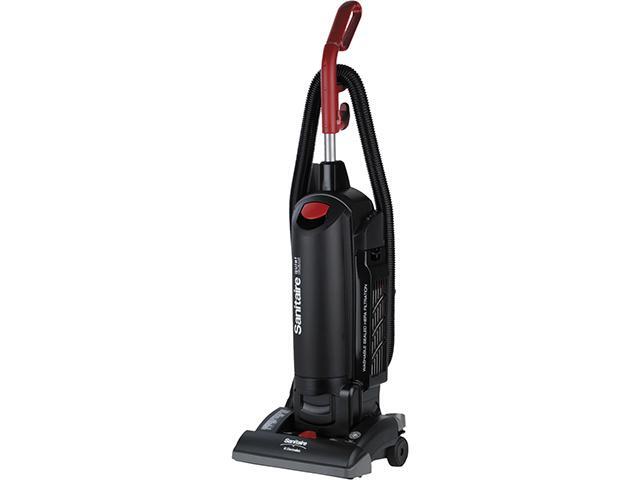
How airflow problems reduce suction
A vacuum cleaner is really an airflow machine. It does not “suck dirt” in the way people imagine. It moves air quickly, and that moving air carries dust into the machine. If airflow slows, suction feels weak.
That is why small issues can have a big effect. A cracked hose, clogged filter, or loose seal may not seem dramatic, but each one creates resistance. Think of it like breathing through a straw with a kink in it. The motor may still run, but the cleaning power drops.
Air leaks in the vacuum body
Air leaks can reduce suction even when the vacuum seems to be working normally. Cracked hoses, loose lids, broken seals, or misaligned bins let air escape before it reaches the floor head. That means less force at the nozzle where you need it most.
Check for:
• Cracks in the hose
• Loose access panels
• Damaged gaskets or seals
• A bin that is not snapped in correctly
A simple seal issue can feel like a major failure. I’ve seen people buy a new vacuum when the real issue was just a lid that was not closing tightly.
Wrong height setting for the floor type
Many upright vacuums have height settings for different surfaces. If the head is too high, it won’t seal well on carpet. If it is too low, it can bog down or make the machine hard to push.
Use the right setting:
• Low pile carpet usually needs a lower setting than thick carpet
• Hard floors often need a setting that protects the surface and allows airflow
• High pile carpet may need more clearance for better movement
A bad height setting can make weak suction look like a mechanical problem when it is really just a setup issue. This is one of the easiest fixes to try first.
Damaged nozzle or base plate
The nozzle at the floor is where suction and pickup really begin. If the base plate is cracked, warped, or blocked, performance drops right away. Even small damage can disrupt the seal between the vacuum and the floor.
Look for:
• Scratches or cracks in the cleaning head
• Missing screws or loose parts
• Objects stuck near the intake opening
• Warped plastic from heat or impact
If the nozzle is damaged, the vacuum may still run but never feel strong again until that part is repaired or replaced.

Step-by-step troubleshooting for weak suction
When an upright vacuum has weak suction, a step-by-step check saves time and prevents guesswork. I always recommend starting with the simplest fixes before assuming the motor is bad. Most of the time, the problem shows up in one of the easy-to-check spots.
1. Empty the dust bin or replace the bag
Start here because it takes seconds. A full bin or bag is one of the fastest ways to lose suction. Make sure the bin is seated properly after reattaching it.
2. Clean or replace the filters
Check every filter the vacuum uses. If they are washable, dry them fully before reinstalling them. If they are disposable or worn out, replace them.
3. Inspect the hose and wand
Disconnect the hose and look for blockages. Stretch it out gently and check for hidden debris. A clog in the wand can be just as bad as one in the hose.
4. Clear the brush roll
Turn the vacuum over and remove hair, thread, and lint from the brush. Make sure the brush spins freely. If it feels stiff or noisy, the bearings may need attention.
5. Check the belt
If the belt is broken or stretched, replace it. A healthy belt keeps the brush roll moving at the right speed.
6. Look for air leaks
Inspect seams, gaskets, and latches. Make sure all parts lock in place. Any leak can cut down suction more than you might expect.
7. Test the height setting
Match the setting to your floor. Then retest the vacuum on carpet and hard floors. A simple adjustment can restore better pickup right away.
8. Compare performance on different surfaces
If suction feels weak only on carpet, the brush roll or height setting may be the issue. If it feels weak everywhere, the clog or airflow path is more likely the culprit.
This step-by-step approach is the same one I use when helping people troubleshoot vacuums at home. It keeps you from replacing the wrong part too early.

When weak suction may point to a motor issue
Sometimes an upright vacuum has weak suction because of a deeper mechanical problem. If you’ve cleaned the filters, cleared the hose, checked the belt, and still have poor performance, the motor may be losing power. That is less common than a clog, but it does happen.
Possible signs include:
• A hot smell from the motor housing
• Loud, unusual noises
• The vacuum shutting off during use
• Weak suction even with a clean airflow path
Motor problems can be caused by worn brushes, damaged wiring, or overheating. Because electrical repair can be risky, this is the point where professional service may be the safest option. In many cases, especially with older vacuums, the repair cost may be close to replacement cost.
How to keep an upright vacuum from losing suction
The best way to avoid weak suction is regular care. A vacuum that stays clean inside will usually clean better outside. I’ve found that a few small habits make the biggest difference over time.
Helpful maintenance tips:
• Empty the bin before it gets packed full
• Clean filters on the schedule in the owner’s manual
• Remove hair from the brush roll every few uses
• Check the hose for blockages once a month
• Replace worn belts before they snap
• Store the vacuum in a dry place
A vacuum is a lot like a pair of shoes. If you let dirt build up, it still works for a while, but comfort and performance slowly fall off. Small upkeep keeps it running like it should.
What to do if your upright vacuum still has weak suction
If you have tried the basics and your upright vacuum still has weak suction, the issue may be a failed seal, a damaged internal part, or a worn motor. At that point, check the warranty if the vacuum is newer. For older units, compare the cost of replacement parts with the price of a new machine.
Before you replace it, ask:
• Is the vacuum still under warranty?
• Are replacement belts, filters, or hoses available?
• Is the motor running normally but airflow still poor?
• Does the vacuum work better on some surfaces than others?
That last question can tell you a lot. If the problem is only on carpet, you may be dealing with a brush roll or height issue. If the suction is weak everywhere, the airflow system needs a deeper look.
Frequently Asked Questions
Why does my upright vacuum have weak suction even after cleaning it?
If the vacuum is still weak after cleaning, the problem may be a hidden clog, a damaged seal, or a worn belt. It could also be a motor issue if the machine is older or has been overheating.
Can a dirty filter really cause weak suction?
Yes, absolutely. A clogged filter blocks airflow and makes the vacuum feel underpowered, even if the motor is still running normally. This is one of the most common causes of weak suction.
Why does my upright vacuum have weak suction on carpet but not hard floors?
That usually points to a brush roll, belt, or height setting problem. Carpet needs more agitation and the right head adjustment to lift dirt from the fibers.
How often should I clean my vacuum filters?
It depends on the model, but many washable filters need cleaning every 1 to 3 months. Homes with pets or heavy dust may need more frequent maintenance.
Is it worth repairing an upright vacuum with weak suction?
It depends on the age of the vacuum and the problem. A clogged hose or worn belt is usually worth fixing, but a failing motor in an older model may cost more than replacement.
Can hair in the brush roll make suction seem weak?
Yes, it can. When the brush roll is wrapped in hair or thread, it cannot agitate carpet well, so dirt stays behind and the vacuum feels weak even if the motor is fine.
Conclusion
When an upright vacuum has weak suction, the cause is often something simple like a clog, dirty filter, full bin, worn belt, or tangled brush roll. The key is to work through the airflow path step by step, starting with the easiest fixes first. In many cases, that saves time, money, and a lot of frustration.
If you want better cleaning results, make regular maintenance part of your routine and don’t ignore early warning signs like odd smells, reduced pickup, or louder motor noise. Try the troubleshooting steps in this guide, and if the problem sticks around, consider a deeper repair or a replacement that better fits your home.

