

If you’ve ever struggled to empty a vacuum cleaner without making a mess, you’re not alone. For many people, the process of dumping out dust, dirt, and hair is the least enjoyable part of cleaning. Some vacuums make this step quick and painless, while others can leave you sneezing, frustrated, or even with a cloud of dust on your floor. So, what vacuum cleaner is easiest to empty? This guide breaks down the types of vacuums, the best designs for easy emptying, and real-world tips to help you choose wisely. If you’re tired of complicated dust bins and stubborn bags, read on for practical advice.
Why Emptying Your Vacuum Matters
Emptying a vacuum cleaner seems simple, but it affects your experience in several ways. First, a vacuum that’s hard to empty can spread dust back into your home, which isn’t just annoying—it can trigger allergies and undo your cleaning efforts. Second, if it takes too long or requires extra steps, you may put off emptying it, making the vacuum less effective. Lastly, some designs get your hands dirty or require you to touch the debris directly. Choosing a vacuum that’s easy to empty saves time, keeps things cleaner, and helps your vacuum work at its best.
Types Of Vacuum Cleaners And Their Emptying Systems
Not all vacuum cleaners are created equal when it comes to emptying. The design and type make a big difference in how simple (or complicated) the process is.
Upright Vacuums
Upright vacuums are popular in the US. Most modern uprights use bagless dust bins you can remove and empty. Some older or budget models still use bags, which can be messy if they tear or are overfilled.
Canister Vacuums
Canister vacuums often have larger dust bins or bags than uprights. Bagless models can be easy to empty, but the process depends on the bin’s design. Bagged canisters can be tidy if the bag seals itself but messy if not.
Stick Vacuums
Stick vacuums are lightweight and often cordless. Their dust bins tend to be small and need frequent emptying. The emptying process varies: some have one-touch release systems, while others require more handling.
Handheld Vacuums
These are designed for spot cleaning and have small dust bins. Emptying is usually straightforward but can be tricky if the bin is oddly shaped or the latch is stiff.
Robot Vacuums
Robotic vacuums collect debris in a small internal bin. Emptying can be easy, but the bin is often tiny. Some advanced models have auto-emptying bases that handle this chore for you.
Comparing Emptying Mechanisms
Let’s look at the main ways vacuum cleaners store and release debris.
Bagless Bins
Most modern vacuums are bagless. They use a dust bin or canister that you remove and dump into the trash. Good designs have a button that releases the bottom flap, so dirt falls out cleanly. Poor designs require you to reach inside or shake the bin, which can send dust everywhere.
Bagged Systems
Bagged vacuums trap dirt in a disposable bag. If the bag self-seals when removed, it’s very clean. If not, you may end up with dust escaping or have to handle the bag directly.
Self-emptying Systems
Some high-end robot vacuums and a few stick vacuums offer self-emptying options. The vacuum docks at a charging station that sucks debris out of the dustbin and into a larger bag or bin. This means you only empty the main container every few weeks.
Here’s a quick comparison of common emptying systems:
| System Type | Emptying Steps | Mess Risk | Ease of Use |
|---|---|---|---|
| Bagless Bin (One-Touch) | Press button, bin opens, dump debris | Low | Very easy |
| Bagless Bin (Manual) | Remove bin, open lid, shake debris | Medium | Moderate |
| Bagged (Self-Seal) | Remove bag, seal, dispose | Very low | Very easy |
| Bagged (Manual) | Remove bag, tie off, dispose | Medium | Moderate |
| Self-Emptying Robot | Base empties bin automatically | Very low | Easiest |
Features That Make A Vacuum Easy To Empty
When shopping for an easy-to-empty vacuum, look for these key features:
- One-Touch Bin Release: The best bagless vacuums have a button that opens the dustbin’s bottom flap. This lets dirt drop out quickly, with little contact.
- Self-Sealing Bags: If you prefer bagged vacuums, pick one with self-sealing bags. These close up when removed, so dust doesn’t escape.
- Clear Dust Bin: A transparent bin makes it easy to see when it’s full, so you don’t overfill it.
- Wide Bin Opening: A larger opening means clumps of hair or debris don’t get stuck.
- Anti-Static Coating: Some bins use coatings that prevent fine dust from sticking, so emptying is cleaner.
- Separation Mechanism: Cyclonic separation keeps most dust away from the filter, so the bin is less clogged and easier to empty.
- Removable Filters: Easy-to-access filters mean you can clean the whole unit without fuss.
Hidden Insights: What Most People Overlook
- A vacuum with a bin that detaches with one hand is much easier to use, especially for people with arthritis or weak grip.
- Vertical bin emptying (where you hold the bin over the trash can and release the bottom) is less messy than horizontal designs that require you to scoop out debris.

Best Vacuums For Easy Emptying
Let’s get specific. These are the top vacuum cleaner types and models known for being especially easy to empty. While new models appear every year, the following examples set the bar for user-friendly design.
Dyson V-series Stick Vacuums
The Dyson V7, V8, V10, and V15 series all use a “point and shoot” system. You hold the stick over your trash can, pull a lever, and debris falls straight out. The bin is clear, and you never need to touch the dirt.
The design is smooth, but the sliding mechanism can get stiff if not cleaned regularly.
Shark Navigator And Shark Rocket
Shark’s upright and stick vacuums often feature one-touch bin release. The bin opens from the bottom, and the wide opening prevents clogs. Most users find these models quick to empty, though static can cause fine dust to cling inside if the humidity is low.
Miele Bagged Canister Vacuums
Miele’s bagged canisters are famous for their self-sealing bags. When you remove the bag, a built-in shutter closes it automatically. This system is almost dust-free and ideal for allergy sufferers, though you’ll need to buy replacement bags.
Irobot Roomba With Clean Base
The Roomba i7+ and s9+ come with a Clean Base that automatically empties the robot’s dustbin. You only need to replace the bag in the base every few weeks. This is the easiest system on the market, but the robot and base are more expensive than standard models.
Tineco Pure One Series
Tineco stick vacuums use a one-button dustbin release. The bin is also washable, so you can keep it clean and odor-free. The design makes it hard to spill dust, even if you empty it quickly.
Here’s a comparison of easy-to-empty vacuum models:
| Brand & Model | Type | Emptying System | Mess Level | Maintenance Needs |
|---|---|---|---|---|
| Dyson V15 Detect | Stick | Point-and-shoot | Very low | Clean bin slide |
| Shark Navigator Lift-Away | Upright | One-touch bottom bin | Low | Occasional bin wipe |
| Miele Complete C3 | Canister (Bagged) | Self-sealing bag | Very low | Replace bag |
| iRobot Roomba i7+ | Robot | Auto-empty base | Minimal | Change base bag |
| Tineco Pure One S11 | Stick | One-touch bin release | Low | Wash bin |
Common Mistakes When Choosing A Vacuum For Easy Emptying
Many buyers focus on suction power or price and forget about emptying. Here are some mistakes to avoid:
- Overlooking bin size: Small bins need frequent emptying, which can become annoying fast.
- Ignoring latch quality: Cheap latches can break, making the vacuum hard to empty or even unsafe.
- Forgetting about filter access: If the filter is hard to reach, you may skip cleaning it, which can lead to clogs and mess.
- Choosing the wrong type for your needs: For large homes, a tiny handheld vacuum will frustrate you. For allergy sufferers, a bagged vacuum with self-sealing bags is far better.
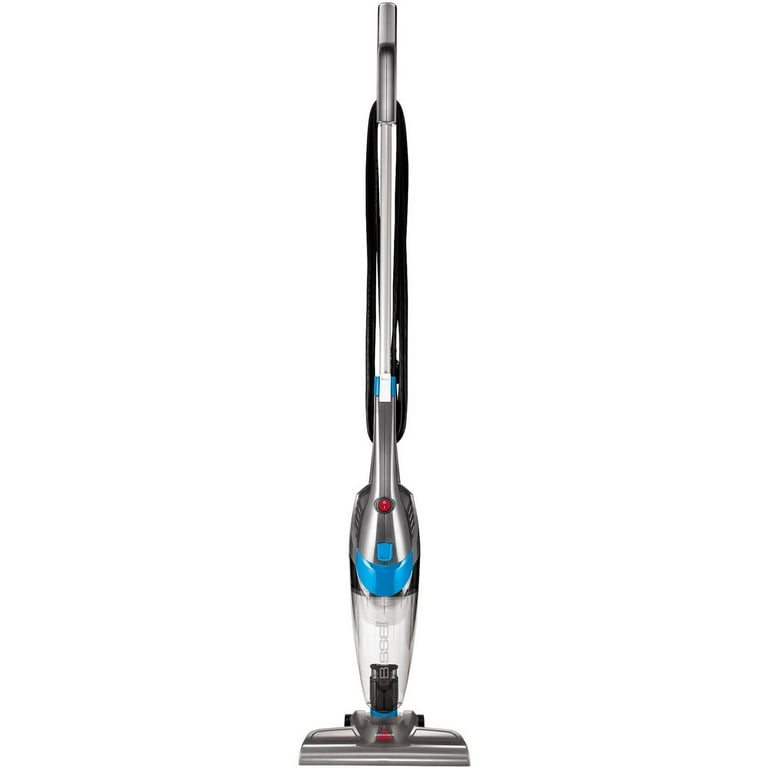
How To Empty Your Vacuum Cleaner Without Making A Mess
Even the best-designed vacuum can make a mess if you’re not careful. Here are some real-world tips:
- Empty over an outdoor trash can: If possible, do this outside to avoid spreading dust indoors.
- Tap gently: Don’t bang the bin. Gentle taps release stuck debris without kicking up dust.
- Wear a mask if sensitive: If you have allergies, a dust mask can help.
- Clean the bin regularly: Wash bagless bins with mild soap and water every few weeks to prevent odors and buildup.
- Let the vacuum cool down: Emptying right after use can release warm air and dust; waiting a few minutes lets things settle.
Is Bagless Or Bagged Easier To Empty?
Both systems have pros and cons. Bagless vacuums are more popular because you don’t buy bags, and many are easy to empty with a button. However, very fine dust can sometimes escape when you open the bin. Bagged vacuums, especially with self-sealing bags, are the cleanest to empty but require ongoing purchases.
Here’s a direct comparison:
| Feature | Bagless | Bagged |
|---|---|---|
| Emptying Frequency | Often (small bins) | Less often (large bags) |
| Dust Exposure | Medium | Very low |
| Ongoing Cost | None | Buy bags |
| Eco-Friendliness | Better (no bags) | Lower (bags to landfill) |
| Best For | General use | Allergy sufferers |
Final Tips For A Hassle-free Experience
To sum up, the easiest vacuum to empty is one that matches your home’s size, your health needs, and your tolerance for ongoing costs. For most people, a bagless stick or upright with a one-touch bin is the best mix of convenience and value. If allergies are a problem, look for a high-quality bagged vacuum with self-sealing bags. For maximum automation, consider a robot vacuum with a self-emptying base.
Don’t forget to check the bin design, latch quality, and filter access before you buy. A few minutes spent reviewing these features can save you years of hassle. For further research, you can compare top-rated vacuum models at Consumer Reports.
Frequently Asked Questions
What Is The Easiest Vacuum Cleaner To Empty?
The Dyson V-series stick vacuums and Miele bagged canisters are among the easiest. Dyson’s point-and-shoot system lets you empty the bin over the trash with one motion. Miele’s self-sealing bags prevent dust from escaping.
Are Bagged Vacuums Cleaner To Empty Than Bagless?
Yes, bagged vacuums with self-sealing bags are cleaner to empty. You remove and seal the bag, so you never touch dust. Bagless vacuums can let out some fine particles when you open the bin.
Do Robot Vacuums Really Empty Themselves?
Some advanced robot vacuums, like the Roomba i7+, have a docking station that sucks debris out of the robot’s bin into a larger bag. You only need to replace the base bag every few weeks, making it the easiest option.
How Often Should I Empty My Vacuum Cleaner?
Empty your vacuum when the bin is about two-thirds full. Waiting too long can lower suction and cause clogs. For small stick or handheld vacuums, this may mean emptying after every use.
What Should I Do If Dust Gets Stuck In The Bin?
If debris is stuck, use a soft brush or cloth to remove it. Washing the bin every few weeks helps prevent buildup. Some users spray the bin lightly with anti-static spray to keep fine dust from clinging.
Choosing the right vacuum cleaner isn’t just about power—it’s about making your life easier after the cleaning is done. By focusing on the emptying process, you’ll enjoy a cleaner, less stressful home.


