

The best bagged canister vacuum is the one that balances strong suction, sealed filtration, and easy handling.
If you want the short version, that answer points to the models that clean deeply, trap dust well, and feel easy to use every day. I’ve spent years comparing canister vacuums for different homes, floor types, and allergies, and the best bagged canister vacuum is usually the one that fits your space, not just the one with the biggest motor.
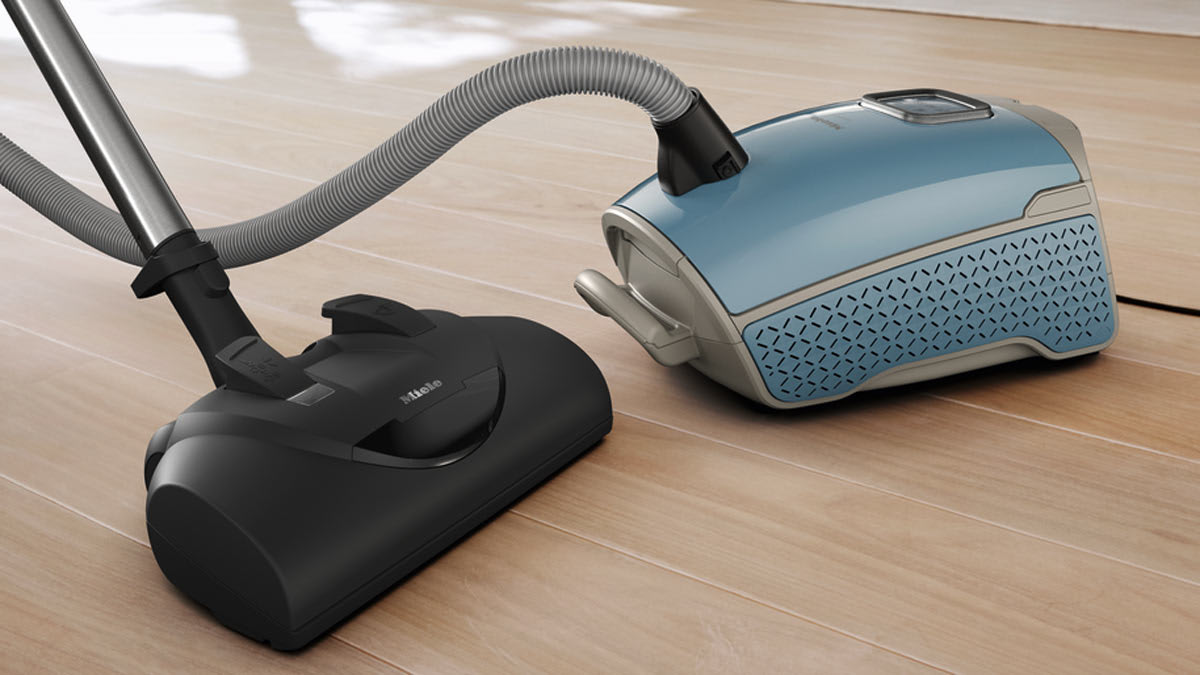
What makes a bagged canister vacuum the best?
A bagged canister vacuum stands out when it does three things well: it picks up dirt fast, keeps dust sealed inside, and stays simple to maintain. That sounds basic, but in real use, those three things decide whether a vacuum feels like a helper or a hassle.
The best bagged canister vacuum usually has:
• Strong, steady suction for carpets, rugs, and hard floors
• A sealed bag system that traps fine dust and allergens
• Adjustable suction or floor settings for different surfaces
• A long hose and wand for better reach under furniture
• Quiet operation compared with many uprights
• Easy bag changes with less mess
In my experience, bagged models often feel cleaner to empty than bagless ones. That matters a lot if you deal with dust, pet hair, or allergies. You are not shaking dust back into the air every time you clean.

Why choose a bagged canister vacuum instead of a bagless one?
The biggest reason is dust control. A bagged vacuum keeps debris enclosed, which helps reduce exposure when you empty it. For many households, that is a big win.
Bagged canister vacuums also tend to hold more dirt before performance drops. That means fewer stops to empty a bin. If you vacuum often, that convenience adds up fast.
Here are the main advantages:
• Better containment of fine dust and allergens
• Less mess during cleanup
• Often stronger filtration with HEPA-style systems
• Easier maintenance for allergy-prone homes
• Better performance as the bag fills, compared with some bagless bins
There are tradeoffs too. You have to buy replacement bags, and that adds long-term cost. Still, for many people, the cleaner experience is worth it.
What features matter most when shopping for the best bagged canister vacuum?
This is where many buyers get overwhelmed. Specs can look impressive, but not every feature helps in daily life. I always suggest focusing on what affects real cleaning first.
Suction and airflow
Suction matters, but so does airflow. A vacuum can have a strong motor and still clean poorly if the airflow path is weak. For deep cleaning, especially on carpets, you want both.
Filtration
If you have allergies, asthma, pets, or kids, filtration is a big deal. Look for sealed systems and HEPA filtration or HEPA-style filters. That helps keep fine particles inside the vacuum instead of back in the room.
Floor head design
The floor head can make or break performance. A good head should work well on both hard floors and rugs. If your home has mixed flooring, this is one of the most important things to check.
Weight and maneuverability
Canister vacuums are usually easier to carry than full-size uprights, but some models can still feel bulky. A smooth swivel head, flexible hose, and easy-rolling canister make cleaning much less tiring.
Noise level
A quieter vacuum can make a huge difference, especially in apartments or homes with sleeping kids. Bagged canister vacuums are often calmer than uprights, which is one reason people love them.
Bag cost and availability
This is easy to forget. Before you buy, check how much the replacement bags cost and whether they are easy to find. A great vacuum is less great if the bags are expensive or hard to get.

The best bagged canister vacuum for most homes
If I had to narrow it down for most households, I would look for a mid- to high-end bagged canister vacuum from a trusted brand with a sealed system, strong suction, and a versatile floor tool. The best bagged canister vacuum is usually not the cheapest one, but it also does not always need to be the most expensive.
For most homes, the winning formula looks like this:
• Reliable suction on carpets and hard floors
• A true sealed bag system
• Easy tool storage
• A lightweight hose and wand
• Simple bag changes
• A long cord or strong battery-free runtime, since corded canisters are common here
In the real world, I’ve found that a vacuum with fewer fancy extras and better core cleaning often performs better than a feature-heavy model that tries to do everything. Cleaning is one of those jobs where simple and solid beats flashy and weak.
Best bagged canister vacuum for allergies and dust control
If allergies are your top concern, the best bagged canister vacuum should be built around filtration first. A sealed bag system with a HEPA filter can help trap very fine particles like pollen, pet dander, and dust mites.
People often think suction is the only thing that matters. It is not. If the vacuum leaks dust back into the air, the whole point starts to fall apart.
For allergy-sensitive homes, look for:
• A fully sealed air path
• HEPA filtration or equivalent high-efficiency filtration
• Dust bags that seal shut when removed
• Strong edge cleaning so dust does not stay in corners
• Easy maintenance so filters stay clean
If you live with allergies, I would avoid a model that is hard to open, hard to reseal, or messy to empty. The best bagged canister vacuum for you should reduce cleaning stress, not add to it.
Best bagged canister vacuum for carpet, rugs, and hard floors
Mixed flooring is common in many homes, and this is where a good canister vacuum really shines. The best bagged canister vacuum for mixed surfaces should let you switch modes easily. You do not want to fight the machine every time you move from tile to carpet.
For carpets and rugs, look for:
• Adjustable suction
• A motorized brush head or strong carpet tool
• Good debris pickup from embedded dirt
• Easy transition from low pile to high pile
For hard floors, look for:
• Soft wheels or a gentle floor brush
• A setting that prevents scattering dust
• Strong pickup along baseboards and corners
• A head that does not scratch delicate floors
One mistake I made early on was choosing a vacuum that was great on rugs but too aggressive on hardwood. It looked powerful, but it pushed crumbs around more than it picked them up on bare floors. That taught me to test the floor head, not just the motor.
How to compare top bagged canister vacuums
When comparing models, I like to use a simple checklist. It keeps the process honest and stops marketing claims from doing all the work.
Use this comparison method
- Check cleaning performance on your floor type
- Compare filtration and sealed system design
- Review bag capacity and replacement cost
- Look at hose reach and tool quality
- Test weight, turning, and stair use
- Read warranty terms and parts availability
This method works because it focuses on daily use, not just lab numbers. A vacuum can look great on paper and still feel awkward in a real home.
What I would rank first
If you want the best bagged canister vacuum for long-term satisfaction, rank these in order:
• Cleaning performance
• Filtration quality
• Ease of use
• Durability
• Bag cost
• Attachments and extras
That order may change if you have pets, allergies, or mostly hard floors. But as a general rule, the first three matter most.
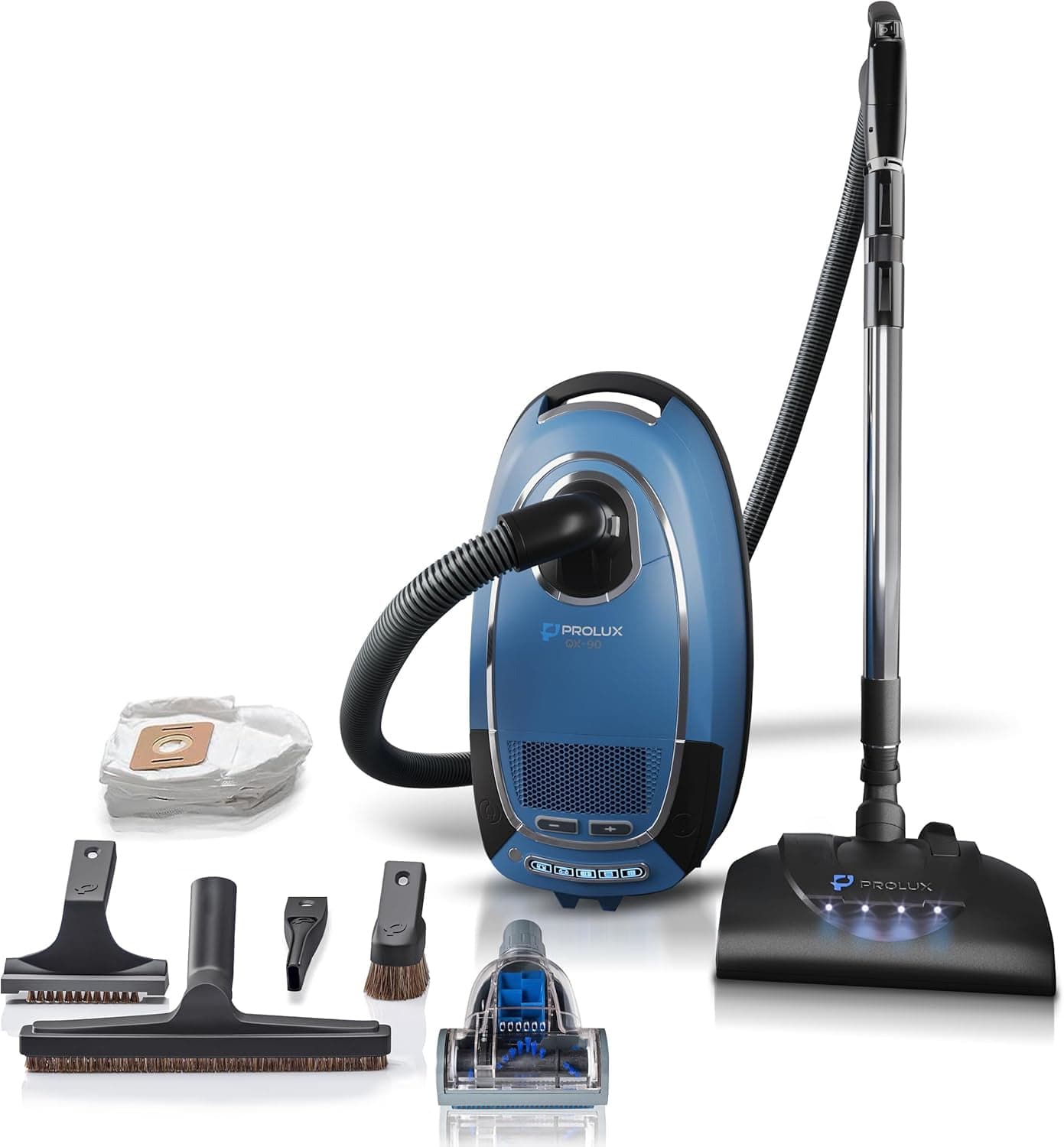
Common mistakes to avoid when buying a bagged canister vacuum
Buying a vacuum should not feel like guessing. Yet a lot of people end up disappointed because they focus on the wrong detail.
Here are the biggest mistakes I see:
• Buying based on suction numbers alone
• Ignoring filtration quality
• Forgetting to check bag prices
• Choosing a model that is too heavy to carry
• Picking a floor head that does not match the home
• Overpaying for features you will never use
Another common issue is assuming all canister vacuums are the same. They are not. Some are built for sealed cleaning and allergy control, while others are better for quick everyday pickup. The best bagged canister vacuum should match your actual routine.
Are bagged canister vacuums worth it?
For many people, yes. They are often a better fit than bagless models if you want less dust exposure, easier emptying, and cleaner filtration. They also tend to work well for larger homes because the bags can hold a lot before they need changing.
That said, they are not perfect for everyone. If you hate buying replacement bags or want a very lightweight cordless machine, a different style may fit better. The right choice depends on your home and habits.
A bagged canister vacuum is worth it when:
• You want cleaner dust disposal
• You have allergies or asthma
• You clean often and want less mess
• You need strong all-around floor cleaning
• You prefer a quieter, smoother vacuuming experience
What experts and product testing usually look for
Independent testing groups and consumer reviewers often focus on pickup, filtration, ease of use, and long-term value. That is smart, because those things affect real ownership more than flashy features.
In general, a strong bagged canister vacuum should perform well in these areas:
• Fine dust pickup
• Edge cleaning
• Carpet debris removal
• Air leakage control
• Durability of hose, wand, and latch points
From experience, the best results usually come from brands known for sealed filtration and solid engineering. I have also learned that warranty support and bag availability matter more than most people expect. A vacuum is only as good as the parts and service behind it.
Frequently Asked Questions
What is the best bagged canister vacuum for allergies?
The best bagged canister vacuum for allergies is one with a sealed system and HEPA filtration. That combination helps keep dust, pollen, and pet dander trapped inside the machine instead of floating back into the room.
Are bagged canister vacuums better than bagless models?
For dust control and cleaner disposal, yes, many people find bagged canister vacuums better. Bagless models can be convenient, but they often expose you to more dust when you empty them.
How often should I change the bag?
It depends on how often you vacuum and how much debris you pick up. Most people change the bag when it is around two-thirds to three-quarters full, or sooner if suction starts to drop.
Do bagged canister vacuums work well on pet hair?
Yes, many of them do a great job with pet hair, especially if they include a motorized brush tool. A good sealed bag also helps keep dander contained, which is helpful for pet owners.
What should I avoid when buying a bagged canister vacuum?
Avoid choosing one based only on power numbers or brand name. Make sure the model has strong filtration, the right floor tools, and affordable replacement bags.
Conclusion
The best bagged canister vacuum is the one that gives you strong cleaning, clean air, and easy everyday use. If you focus on suction, filtration, floor compatibility, and bag cost, you will make a much smarter choice. That is especially true if you have allergies, pets, or a mix of floor types at home.
My advice is simple: pick the vacuum that fits your real life, not just the spec sheet. Compare a few models, check the bags, and think about how you clean now. If you want, explore more product guides, read a few user reviews, and leave a comment with your home setup so you can narrow down the best bagged canister vacuum for your needs.

