

Figuring out what filter you use for wet vacuuming feels like a guessing game. Pick wrong and you're dragging a soggy mess out of the tank or possibly ruining the motor. The honest answer is that it depends on the machine you own.
Wet/dry shop vacs use a foam filter sleeve, carpet extractors use an in-tank screen, and household vacuums should sit this one out.
Manufacturer specifications indicate that most wet/dry vacuums rely on a washable fine-cell polyurethane foam sleeve for liquid recovery. That foam replaces the pleated paper cartridge you use for dry work. As of 2026, the rule still holds: paper plus water is a fast way to damage your vacuum.
Let's walk through the filter decision branch by branch.
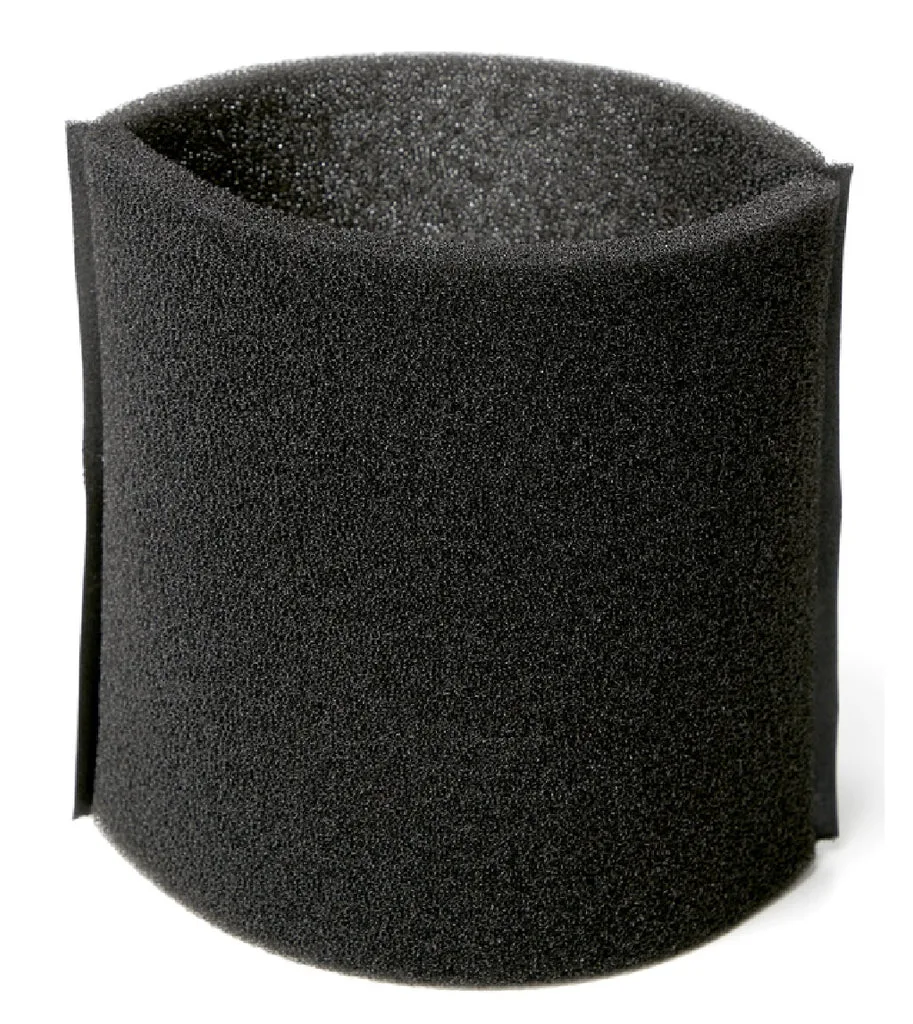
Image source: Web (Bing) / lifeandhome.com (Web image (fair-use with source credit))
Quick Answer: It Depends on Your Machine, Not Your Mess
Use a foam filter sleeve for wet pickup. That's the standard for shop vacs. Carpet cleaners use an in-tank screen instead.
HEPA and paper filters are for dry jobs only. Check your manual if you're unsure.
First, Find Out Which Vacuum You're Using
Filter choice follows the machine, not the mess. A garage-style wet/dry vacuum, commonly called a shop vac, is built for both liquids and debris. A carpet cleaner is a different animal.
It's an extractor that sprays solution and pulls it back into a tank.
Wet/Dry Shop Vacs: The Most Common Situation
If you're dealing with a spilled bucket or a flooded basement, this is likely your machine. Wet/dry vacs from RIDGID, Craftsman, DeWalt, and Kärcher all handle liquids the same way. Air flows through a filter cage near the top of the tank.
For dry work, you install a pleated paper cartridge. For wet work, you swap in a foam filter sleeve.
Carpet Cleaners and Extractors: A Different System Entirely
These are the rental-looking machines with separate clean and dirty water tanks. They don't use foam sleeves. Instead, a small mesh screen or in-tank filter sits over the dirty water intake.
Its job is to block hair and grit before the water reaches the pump.
Dedicated Wet Vacs vs Household Vacuums: What Counts
Dry-only vacuums, uprights, canisters, and stick vacuums are not rated for water. Sucking liquid into a household unit can short the motor and void the warranty. If you don't own a wet/dry vac, your filter question has a different answer.
You need a new machine, not a filter.
Why You Can't Just Use a Regular Paper Filter for Water
The pleated paper cartridge that traps sawdust so well is the wrong tool for liquid. Water soaks into the cellulose, breaks down the pleats, and turns the cartridge into a lumpy wet mass. Within minutes, it can collapse and let unfiltered air bypass the filter.
That's bad for your motor and bad for your lungs.
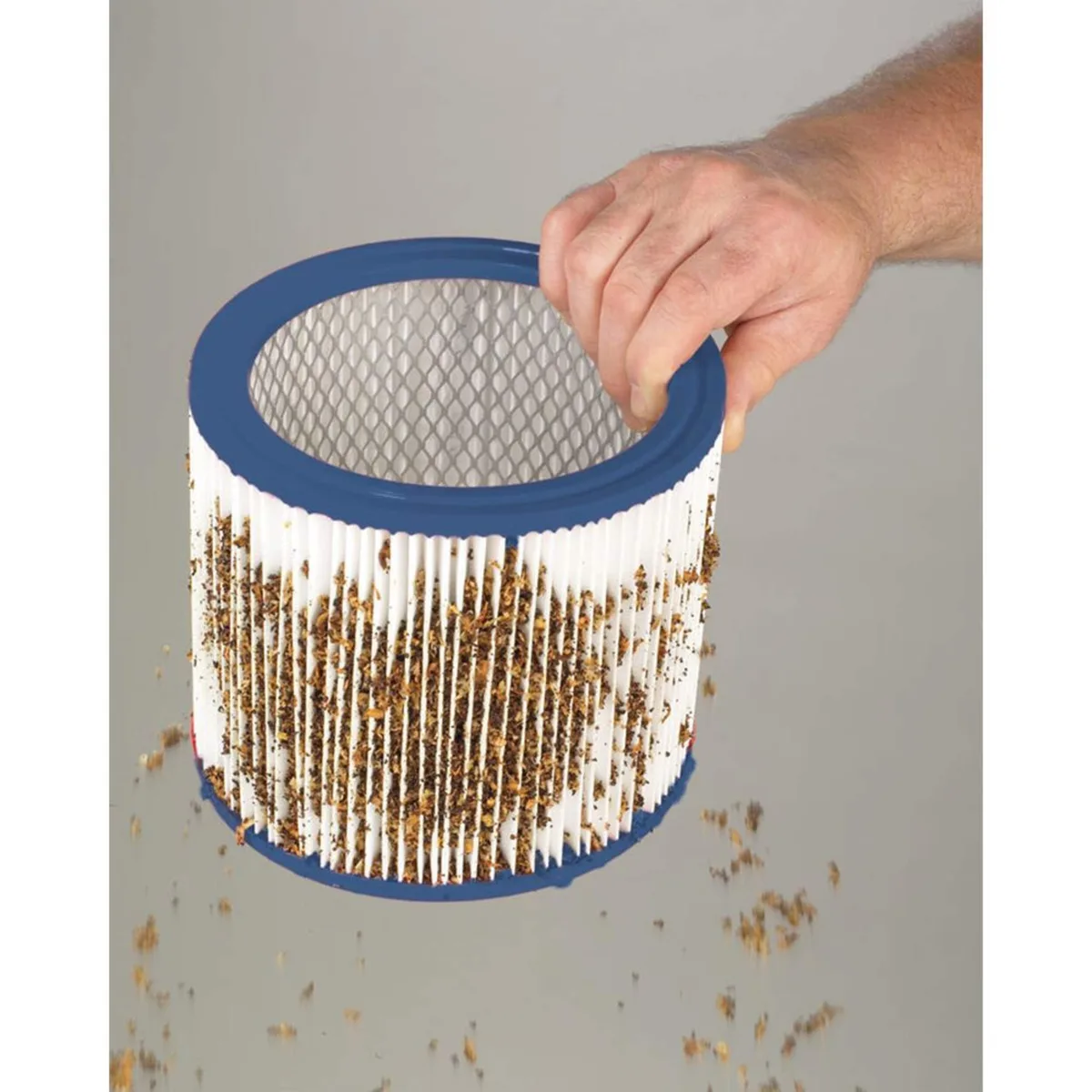
Image source: Bing (Web (fair-use with source credit))
What Happens When Paper Gets Wet
A soaked paper filter shreds easily. Fragments of wet material can get pulled into the impeller, which is the fan-like part that creates suction. If that happens, the motor may keep running but lose power.
In severe cases, it seizes completely.
The Motor Damage Risk Nobody Warns You About
The float valve in a shop vac is supposed to stop pickup when the tank is full. It helps, but it doesn't protect the filter. By the time the float kicks in, the paper cartridge is already saturated.
That's why the manual tells you to remove the cartridge before any wet job.
Electricity and water are a serious combination. OSHA's electrical safety guidelines require GFCI protection for any damp workplace. Your garage or basement should follow the same logic.
Your Decision Branch: Foam, Cartridge, or HEPA?
Here is where the question turns into a simple if/then decision.
| Filter Type | Wet Pickup? | Typical Machine | Why |
|---|---|---|---|
| Foam filter sleeve | Yes | Wet/dry shop vac | Water-resistant, washable, reusable |
| Pleated paper cartridge | No | Dry work on shop vacs | Falls apart when wet |
| HEPA filter | No | Fine dry-dust work | Moisture destroys the media |
| In-tank mesh screen | Yes | Carpet cleaners and extractors | Traps debris before the pump |
If You Have a Wet/Dry Shop Vac
Use a foam filter sleeve. It fits over the filter cage exactly where the paper cartridge sat. Keep the paper cartridge clean and dry for your next dusty job.
If You Have a Carpet Cleaner
Open the dirty water tank and look for a mesh screen. Rinse it under the tap and put it back. That screen is your wet filter.
If You Have a Household Vacuum
Stop right there. Do not vacuum water with it. Get a wet/dry vac or a dedicated extractor instead.
How to Identify the Right Foam Filter for Your Shop Vac
Not all foam sleeves are the same. Fine-cell polyurethane foam comes in different densities and dimensions. The right one matches your filter cage's height, diameter, and retaining design.
Check the Manual First, Always
Open your owner's manual and search for the filter maintenance page. The manual lists the exact part number. It also tells you whether your model uses a standard foam sleeve or a specialized one.
Manufacturer specifications indicate that many failures come from using the wrong part.
Match the Filter to the Filter Cage
The foam sleeve has to cover the entire outer cage. Measure the height and diameter if the manual is missing. A sleeve that's too short leaves a gap.
A sleeve that's too long bunches up and reduces airflow.
Universal Kits vs Brand-Specific Filters: What Works
Universal foam filter kits are sold by the package. They work if the dimensions match your cage. Brand-specific filters cost a little more but fit without guesswork.
Aggregate reviews of generic sleeves report occasional loose fits, so check the reviews for your exact vac model.
Measure the cage height and diameter with a tape measure. A little slack in the sleeve is normal. Too much means it flops around and lets debris sneak past.
Most manufacturers list the foam filter kit by model number, so a two-minute search beats a wasted trip to the hardware store.
Check the retaining method too. Some cages use a twist-lock lid, others use a spring-loaded clamp. The foam sleeve needs to sit flush underneath whatever secures it.
If air finds a gap around the base, you'll pull dirt straight into the motor.
Price is another reason to buy right. A foam sleeve costs between $5 and $20 depending on the brand. A replacement motor for a shop vac runs anywhere from $50 to over $100.
Keep a spare sleeve in the drawer so you're never tempted to skip the swap.
Step-by-Step: Switching from Dry to Wet Filter in Minutes
Swap the filters before you ever get close to the water. Do it in the garage where it's dry, not after you've already got a puddle spreading across the floor.
- Unplug the vacuum. Non-negotiable. Water and electricity don't mix.
- Open the lid or remove the tank top. Most shop vacs either unclip a latch or twist off the top.
- Lift out the paper cartridge or bag. Set it somewhere dry and seal any bag opening.
- Check the filter cage for debris. Wipe off dust or sawdust with a dry cloth.
- Slide the foam sleeve over the cage. Pull it down so it covers the entire cylinder.
- Secure everything. Snap the retaining ring back on or twist the lid tight.
- Attach the wet nozzle. Use a squeegee attachment for flat surfaces or a utility nozzle for narrow spots.
Why the Order Matters
If you skip the dry filter removal, you'll be digging a ruined paper cartridge out of a tank full of water. A flooded paper filter also dumps fine dust into the motor as it breaks apart. Take the extra minute and do the swap properly.
What About Carpet Cleaners? The Filter Is Inside the Tank
Carpet cleaners use a completely different setup. Instead of a foam sleeve over a motor cage, they pull dirty water into a collection tank. The filter sits right at the intake inside that tank.
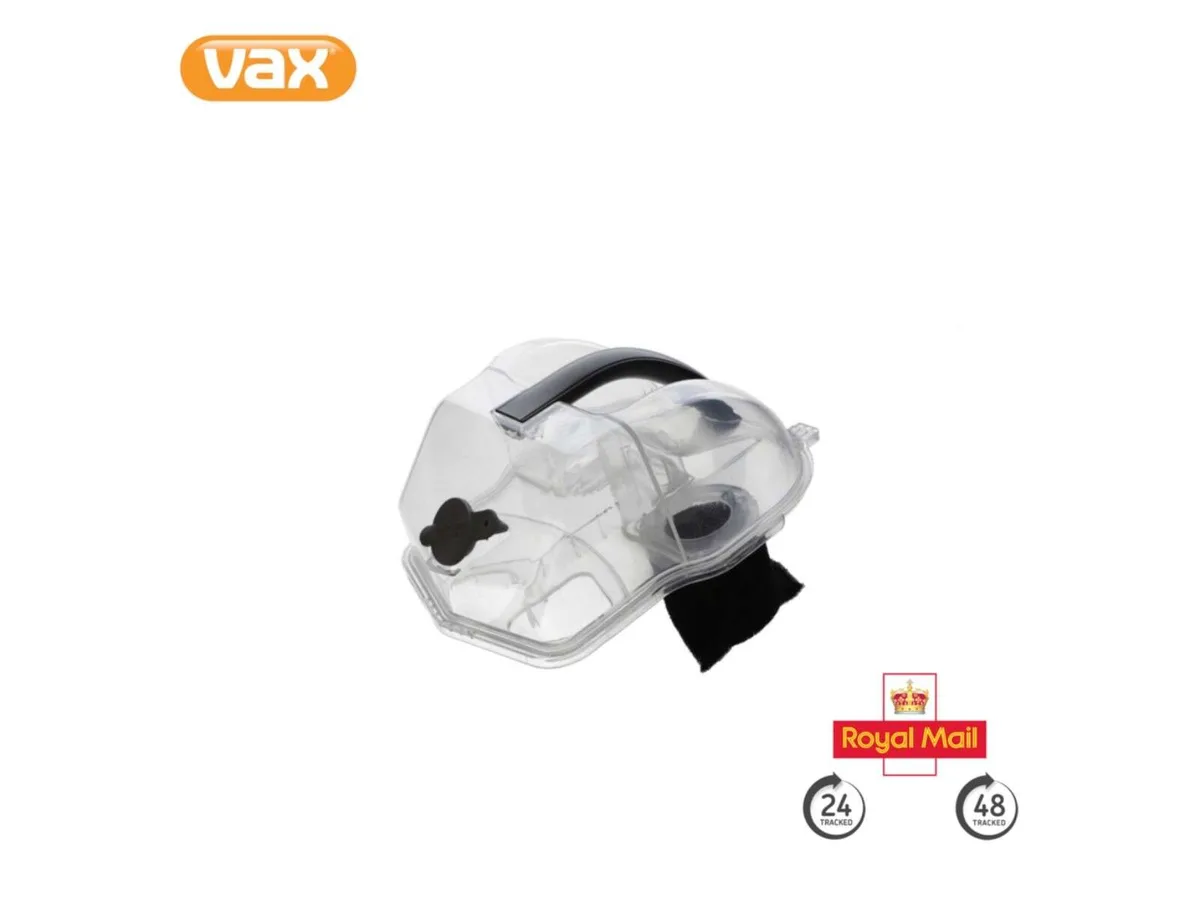
Image source: Bing (Web (fair-use with source credit))
In-Tank Mesh Screens vs Foam Filters
Most carpet extractors use a small mesh screen or a fine plastic grid. It catches hair, threads, and debris so they don't clog the pump. Some models also include a small foam pad inline with the suction hose.
Both are washable and reusable.
- Mesh screens: Rinse under warm water, scrub with a soft brush if needed, and air-dry.
- Inline foam pads: Pop out, rinse, squeeze, and let dry. Replace if the foam starts crumbling.
When to Rinse and Reinsert
Rinse the filter after every cleaning session. Dirty water leaves behind residue that dries into a crust, and that crust blocks airflow. If the machine starts losing suction mid-room, check the filter first.
It's the same troubleshooting instinct you'd use when a robotic pool cleaner loses pickup from a clogged filter basket.
Common Mistakes That Ruin Filters and Vacuum Motors
People make these mistakes all the time. Now you know better.
Using a HEPA Filter for Wet Pickup
HEPA filters are dry-only. The paper-like pleated media absorbs moisture, swells, and loses its ability to trap fine particles. Worse, a wet HEPA filter becomes a breeding ground for mold and bacteria.
Keep HEPA filters off the wet duty list.
Running a Wet Job Without Any Filter
Some folks think skipping the filter saves time. All it does is send water, grit, and debris straight into the impeller. The motor may survive a splash or two, but repeated wet runs without a filter will kill it.
Manufacturer specifications are clear: always run a filter.
Leaving the Foam Filter Wet in the Machine
You finish the garage spill, empty the tank, and forget about the foam sleeve. Three days later, you've got a musty smell every time you vacuum. Wet foam grows mildew fast.
Always remove, rinse, and dry the sleeve after a wet job.
Using a Dry Paper Cartridge by Accident
This is the most common mistake of all. You finish a dusty project, leave the paper cartridge in place, then grab the vacuum for a water leak. The paper soaks up water, collapses, and coats the motor with wet pulp.
Check the filter before you start, not halfway through. If suction seems weak, run through the common troubleshooting steps for your machine before buying new parts.
Maintenance: Rinsing, Drying, and Storing Wet Filters
Your foam filter is a simple piece of polyurethane, but it needs care to last.
How to Clean a Foam Filter Without Killing It
Rinse it under warm running water. Squeeze it gently to work out dirt, then repeat until the water runs clear. Don't wring it like a towel.
That tears the cells. Don't use soap or detergent unless the manual specifically says so.
How Long It Takes to Dry and Why It Matters
A clean foam sleeve takes 12 to 24 hours to dry completely, depending on humidity and airflow. Set it upright in a ventilated area, out of direct sunlight. A wet sleeve in storage will mildew.
It also doesn't filter as well when damp, which is why you want a second one ready for the next job.
Signs It's Time to Replace the Foam Filter
Foam sleeves don't last forever. Replace yours when:
- The cells start tearing or crumbling
- It no longer springs back when squeezed
- The fit has become loose enough to slide off the cage on its own
- You can't get the mildew smell out after multiple washes
A $15 replacement sleeve costs far less than a $100 motor repair. This kind of routine care extends the lifespan of any vacuum, whether it's an upright in your closet or a robotic unit running the deep end.
Safety Notes: Water and Electricity Don't Mix
Wet vacuuming carries real risk. Respect it.
GFCI Outlets and Extension Cords
Plug your wet/dry vac into a GFCI-protected outlet whenever possible. A Ground Fault Circuit Interrupter cuts power the moment it detects a short. If you must use an extension cord, keep the connection up off the floor and away from standing water.
OSHA's electrical safety guidance covers this exact damp-environment hazard.
What You Should Never Vacuum Up, Wet or Dry
- Flammable liquids like gasoline, lighter fluid, or solvents. Vapors can ignite from the motor's spark.
- Hot ashes or embers. They can melt the foam filter and start a fire inside the tank.
- Toxic chemicals unless the machine is rated for hazardous material pickup.
- Large amounts of sewage or floodwater without proper protective gear. That water is contaminated and needs professional mitigation.
Real-World Scenarios: Which Filter Works Where
Let's put it all together with a few common situations.
Garage Spills and Workshop Cleanup
You knocked over a can of paint thinner? No, that's flammable, stop. But a five-gallon bucket of soapy water?
That's fine. Grab the shop vac, confirm the foam sleeve is in place, and use the squeegee nozzle. The sleeve protects the motor, and the squeegee pulls water up fast.
Basement Flooding and Large Water Removal
A foam sleeve handles water, but it doesn't filter silt and mud well. Use a check valve or a mesh pre-filter if you're pulling dirty floodwater. Remove the foam sleeve afterward and rinse it thoroughly before it dries.
If the hose starts collapsing under suction, that's a flow problem, not a filter problem. A pool vacuum hose collapse follows the same logic.
Car Upholstery and Pet Accidents
A wet/dry vac with a foam sleeve is perfect for this. Use the crevice tool to reach into seat crevices, then switch to a wide nozzle for the carpet. Rinse the foam sleeve under the tap when you're done because soaked pet hair wants to cling to it.
Cost and Replacement Data: What Filters Actually Run You
Here's the quick breakdown so you know what to budget.
| Filter Type | Typical Price | Lifespan | Replacement Interval |
|---|---|---|---|
| Foam filter sleeve | $5–$20 | Months to years | When torn or permanently stinky |
| Pleated paper cartridge | $10–$35 | Dry jobs only | When visibly caked or torn |
| HEPA filter | $20–$60 | Dry jobs only | Per manufacturer, usually 6–12 months |
| In-tank mesh screen | $5–$15 | Years | When cracked or missing |
Foam Filters: Price Range and Lifespan
Foam is the budget winner. A $10 sleeve can last a year or more with regular rinsing and drying. That's the filter you use for wet vacuuming without worrying about cost.
Cartridge Filters vs Foam Filters: Cost Over Time
Paper cartridges need replacement more often because they're consumables for dry work. A foam sleeve, on the other hand, keeps going through rinse after rinse. If you do both wet and dry jobs, the foam sleeve eventually pays for itself in avoided replacements.
Final Decision Guide: Your Filter Pick by Machine Type
Let's settle this clearly.
| Machine Type | The Filter You Use for Wet Vacuuming | Action Step |
|---|---|---|
| Wet/dry shop vac | Foam filter sleeve | Remove paper cartridge, slide on foam sleeve |
| Carpet cleaner / extractor | In-tank mesh screen | Rinse screen and check for clogs |
| Household vacuum (upright, canister, stick) | No wet filter exists | Buy a wet/dry vac instead |
| Robotic vacuum | Not designed for water | Keep it far away from puddles |
Shop Vac Owners
Buy a foam sleeve that matches your model. Keep it clean, dry, and ready. Check the owner's manual if you're unsure about the fit.
Carpet Cleaner Owners
Your normal filter is already the right one. Just rinse it after every session so the pump doesn't choke.
Household Vacuum Owners
Don't be tempted. A household vacuum with any filter is still a dry machine. Sucking up water risks electrocution and permanent damage.
Use a proper shop vac or an extractor for anything wet.
Frequently Asked Questions
Can I use a HEPA filter for wet vacuuming?
No. HEPA filters are dry-only. The fine paper-like pleats absorb water, swell, and stop trapping fine particles.
A wet HEPA filter also becomes a mold risk. Use a foam filter sleeve or the in-tank screen that came with your machine.
How do I know if my filter is dry enough to reuse?
Squeeze the foam sleeve and feel for any dampness. When in doubt, wait another 12 hours. A damp filter makes the motor work harder and invites mildew.
Proper drying keeps your machine running smoothly.
What happens if I accidentally vacuum water with a paper filter?
The paper cartridge soaks up water and collapses, which sends wet pulp into the impeller. That restricts airflow and can seize the motor. Stop, remove the ruined filter, and rinse the tank.
Then install a foam sleeve before any further wet work.
Do I need a special filter for carpet cleaning machines?
Most carpet extractors use an in-tank mesh screen, not a foam sleeve. Rinse it under warm water after each use and check for clogs. That mesh is your wet filter.
Replace it only if it cracks or goes missing.
Can I vacuum water with a regular household vacuum?
No, and don't try. Household vacuums aren't sealed against water, and the shock risk is real. Use a wet/dry shop vac or a dedicated extractor with a foam filter.
Plug it into a GFCI outlet before you start.

