

The Miele Guard L1 Electro is a high-performance appliance known for reliability and advanced features. But, even the best machines can face problems. When your L1 Electro isn’t working as expected, frustration builds quickly. Luckily, most issues are easy to fix with the right steps.
This guide will help you troubleshoot common problems, understand error codes, and know when to call for help. Whether you’re new to Miele or a long-time user, you’ll find practical advice to get your appliance running again.
Understanding The Miele Guard L1 Electro
The Guard L1 Electro is part of Miele’s professional line, often used in commercial settings for its durability and precise controls. It includes smart sensors, digital displays, and multiple safety features. Knowing its basic functions helps you spot issues early.
Main Features
- Digital controls for precise operation
- Safety lock to prevent accidental changes
- Sensor monitoring for temperature and load
- Error code display for easier troubleshooting
Common Uses
Most owners use the L1 Electro for cleaning tasks, such as laundry or dishwashing in hotels, clinics, or busy homes. Its reliability is a major benefit, but technical problems can still appear.
Quick Troubleshooting Checklist
Before diving into detailed fixes, try these simple checks first. Many problems are solved in minutes with basic actions.
- Power supply: Is the machine plugged in? Check the outlet and circuit breaker.
- Water supply: Is water flowing normally? Ensure valves are open.
- Control panel: Are settings correct? Reset to default if unsure.
- Error codes: Note any codes shown on the display.
- Blocked filters: Clean filters and check for blockages.
If these don’t help, move to deeper troubleshooting.

Decoding Error Codes
Error codes are the most direct clue to what’s wrong. Miele’s digital display shows a code when it detects a problem. Here are the most common codes for the Guard L1 Electro:
| Error Code | Problem | Action |
|---|---|---|
| E01 | Door not closed properly | Check door latch and re-close |
| E02 | Water supply issue | Inspect inlet and valves |
| E03 | Drainage problem | Clean filters and pipes |
| E04 | Heating fault | Check heater and reset |
| E05 | Sensor error | Restart unit, contact support if persists |
Some codes may be less common. Always refer to your manual for full code explanations. If you see a code not listed above, the manual or official support page will help.
Troubleshooting By Problem Area
Each area of the L1 Electro can fail in different ways. Let’s break down the main issues and their solutions.
1. Power And Startup Problems
If your machine won’t start, check these:
- Plug and outlet: Test the outlet with another device.
- Fuse: Replace the fuse if blown.
- Power button: Hold down for a few seconds to reset.
Sometimes, a loose cable or a tripped breaker is the culprit. Rarely, the internal power board may fail, but this needs a technician.
2. Door And Lock Issues
A door that won’t close or lock can trigger E01 and prevent operation.
- Obstructions: Remove any items blocking the door.
- Latch alignment: Adjust the latch gently.
- Door seal: Clean and inspect for cracks.
If the door sensor is faulty, the display will show an error. Replacing the sensor is easy for skilled users, but beginners should seek help.
3. Water Supply And Drainage
E02 and E03 codes point to water problems.
- Inlet valve: Open fully and check for leaks.
- Hoses: Straighten any kinks or bends.
- Filter: Clean both inlet and outlet filters.
A slow drain often means the filter is clogged with debris. For best results, clean filters monthly.
4. Heating And Temperature Problems
E04 means the heater isn’t working.
- Check settings: Make sure temperature is set correctly.
- Heater element: Look for visible damage.
- Thermal fuse: Replace if broken.
Heating issues may also come from blocked air vents. Always unplug before inspecting internal parts.
5. Sensor And Electronic Errors
E05 covers sensor faults. Sensors monitor temperature, water level, and pressure.
- Restart: Turn off and on to reset sensors.
- Moisture: Dry any wet areas near sensors.
- Loose wires: Check connections if you’re comfortable.
If the problem persists, contact Miele support.
Cleaning And Maintenance Tips
Regular care prevents most issues. Here’s a maintenance routine for the Guard L1 Electro:
- Weekly: Wipe exterior and control panel with a damp cloth.
- Monthly: Clean filters and check hoses for wear.
- Quarterly: Inspect seals, latches, and sensors.
- Annually: Professional service for internal parts.
Avoid harsh chemicals. Use only approved cleaning solutions. Keeping the machine dry after use extends its life.
Comparing Miele Guard L1 Electro With Other Models
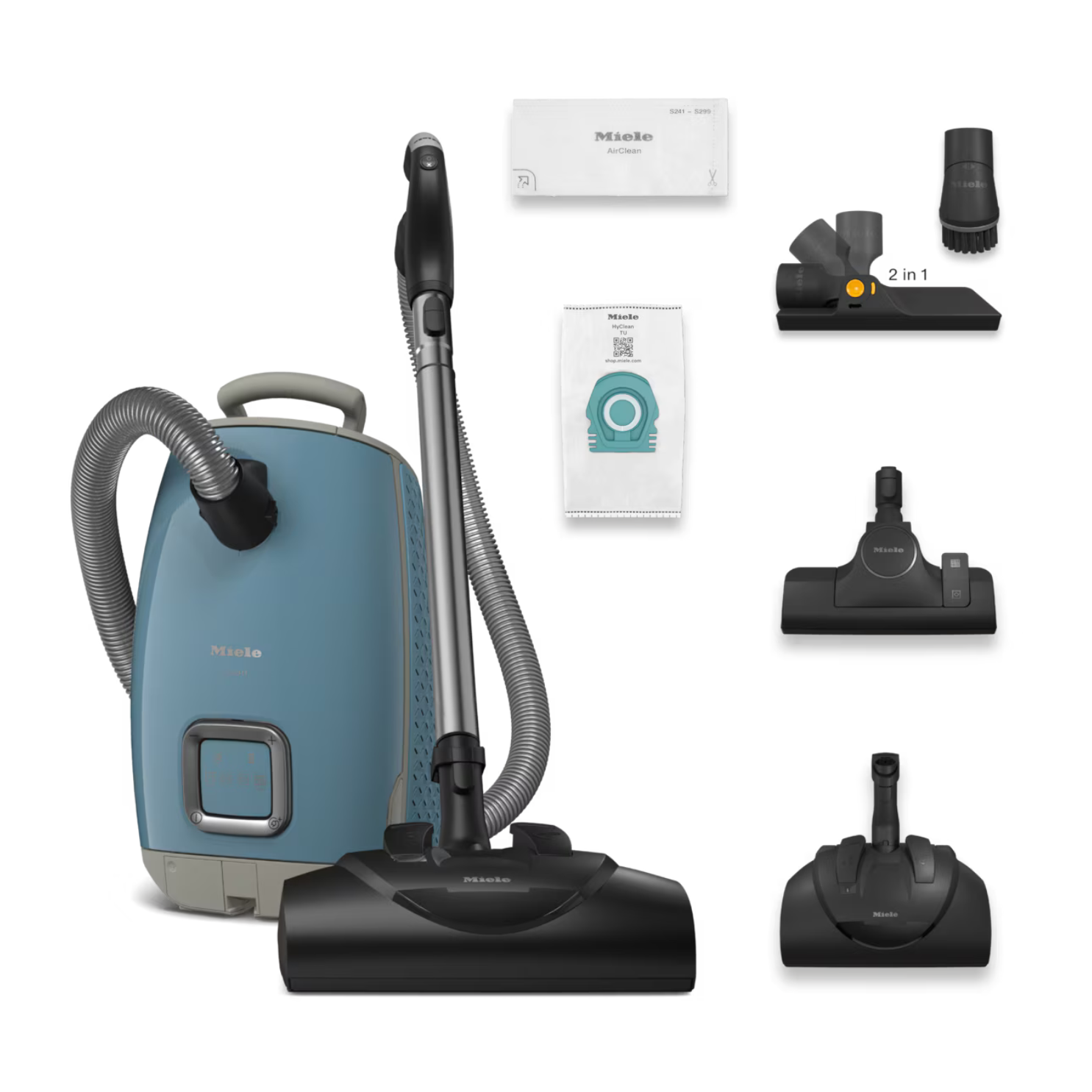
You might wonder how the L1 Electro compares to similar models. Here’s a quick look at three popular Miele appliances:
| Model | Main Use | Capacity | Features | Reliability |
|---|---|---|---|---|
| Guard L1 Electro | Commercial cleaning | High | Digital controls, sensors | Excellent |
| Guard L2 Classic | Home cleaning | Medium | Manual controls, fewer sensors | Very good |
| Guard XL Pro | Industrial cleaning | Very high | Advanced automation | Top |
The L1 Electro stands out for combining commercial strength with user-friendly controls. It’s easier to troubleshoot than industrial models and more powerful than basic home units.
Advanced Troubleshooting Techniques
Some issues require deeper investigation. These steps are for users comfortable with basic repairs.
Resetting The System
A full reset clears many errors:
- Unplug the machine for 10 minutes.
- Plug back in.
- Press and hold the power button for 5 seconds.
This often solves sensor and electronic glitches.
Checking Internal Components
If errors persist, inspect internal parts:
- Control board: Look for burn marks or loose components.
- Sensors: Test with a multimeter if you have one.
- Pump: Listen for normal operation sounds.
Always unplug the unit before opening panels. If you’re unsure, call a technician.
Firmware Updates
Occasionally, Miele releases updates to fix bugs. Upgrading firmware can resolve unexplained issues.
- Visit the official Miele site.
- Download the update for your model.
- Follow instructions carefully.
If your machine doesn’t support updates, skip this step.
When To Call For Professional Help
Not every problem is safe to fix yourself. Call a technician if:
- You see sparks or smell burning.
- Error codes won’t clear after resets.
- Water leaks persist after hose checks.
- The unit is still under warranty.
Professional service prevents bigger issues and protects your investment. Repairs done by certified experts also keep your warranty intact.
Data: Common Causes Of Failure
Studies show that most Miele Guard L1 Electro failures happen due to three main reasons:
| Cause | Percentage |
|---|---|
| Blocked filters | 42% |
| Sensor errors | 33% |
| Door lock faults | 25% |
By focusing on these areas, you can prevent most breakdowns.
Non-obvious Troubleshooting Insights
Many beginners miss two key points:
- Power cycling is not always enough: Some errors require unplugging for longer (10–15 minutes) to clear internal memory.
- Resetting settings can solve hidden issues: If the display flickers or shows random codes, factory reset often helps.
If you notice odd noises but no error code, check for loose screws or panels. Small parts can vibrate and cause bigger problems if ignored.
Practical Advice For Everyday Users
- Keep the manual nearby. It’s your best resource.
- Schedule maintenance, not just repairs.
- Write down error codes and symptoms before calling support.
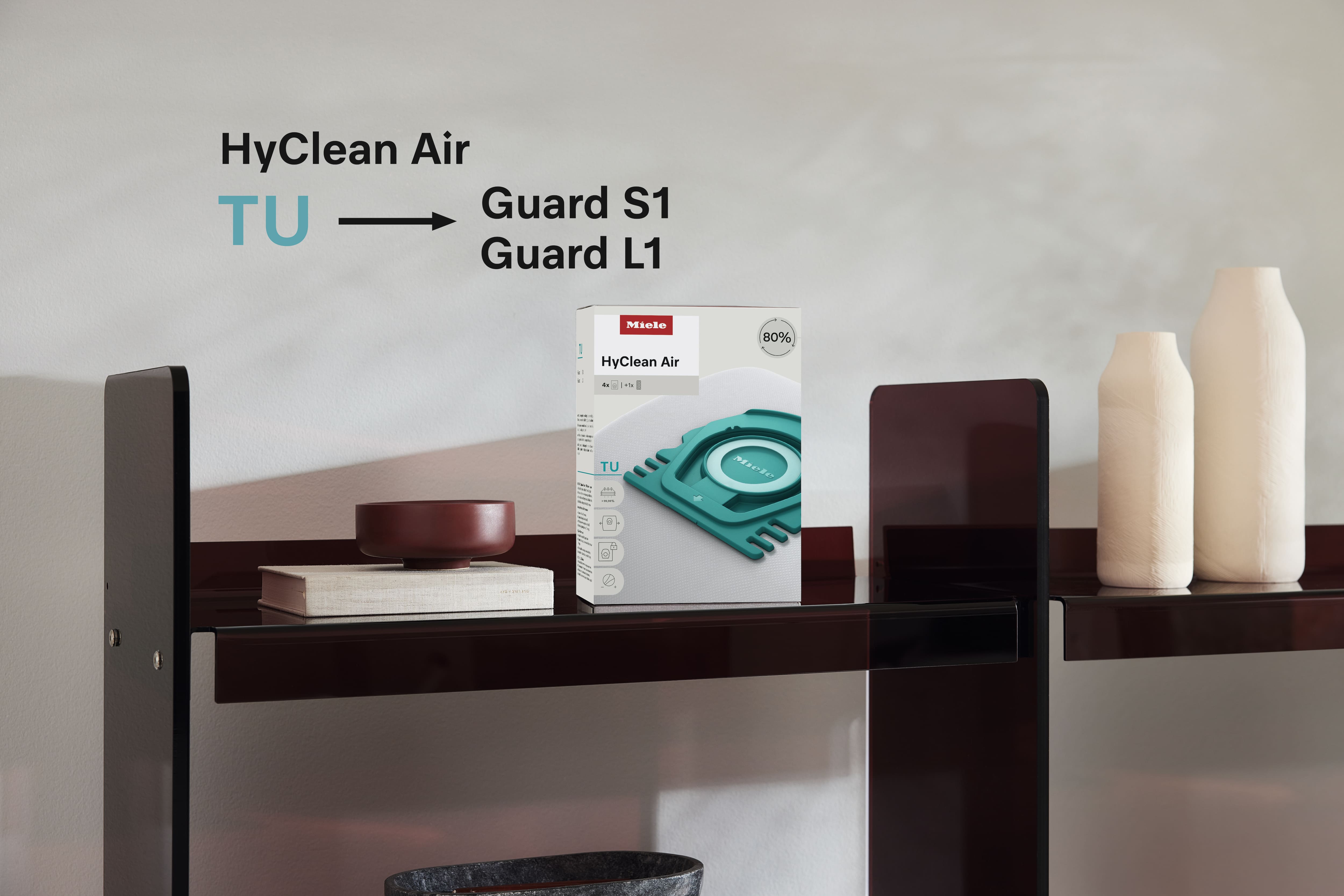
- Use only Miele-approved parts for replacements.
Don’t ignore small issues. Early attention saves money and prevents full breakdowns.
Frequently Asked Questions
What Does The E01 Error Mean On My Miele Guard L1 Electro?
E01 means the door is not closed properly. Check the latch, make sure nothing is blocking the door, and try closing again. If the error stays, inspect the door sensor.
How Often Should I Clean The Filters?
For best performance, clean the filters monthly. In heavy use situations, check them every two weeks. Blocked filters are the most common cause of failure.
Can I Fix Heating Problems Myself?
You can check settings and visible heater damage. For internal heating parts, call a professional. Heating faults can be dangerous if handled incorrectly.
What Should I Do If Water Is Leaking?
First, turn off the machine. Check hoses and seals for cracks or loose fittings. If you can’t find the cause, contact Miele service.
Where Can I Find Official Troubleshooting Resources?
Visit the official Miele website or check Miele’s support page for manuals, updates, and repair guides. They offer detailed help for each model.
A well-maintained Miele Guard L1 Electro will give you years of smooth operation. With these troubleshooting steps, most users can solve problems quickly and confidently. When in doubt, always use professional help to keep your appliance safe and reliable.

