

A leaf blower pushes leaves with air; a leaf vacuum sucks, shreds, and bags them.
I’ve tested both tools in yards big and small. I’ll explain the real difference between a leaf blower and a leaf vacuum in clear, practical terms. You’ll learn how each tool works, when to choose one over the other, cost and noise trade-offs, and hands‑on tips from my own experience so you can pick the right tool for your yard.
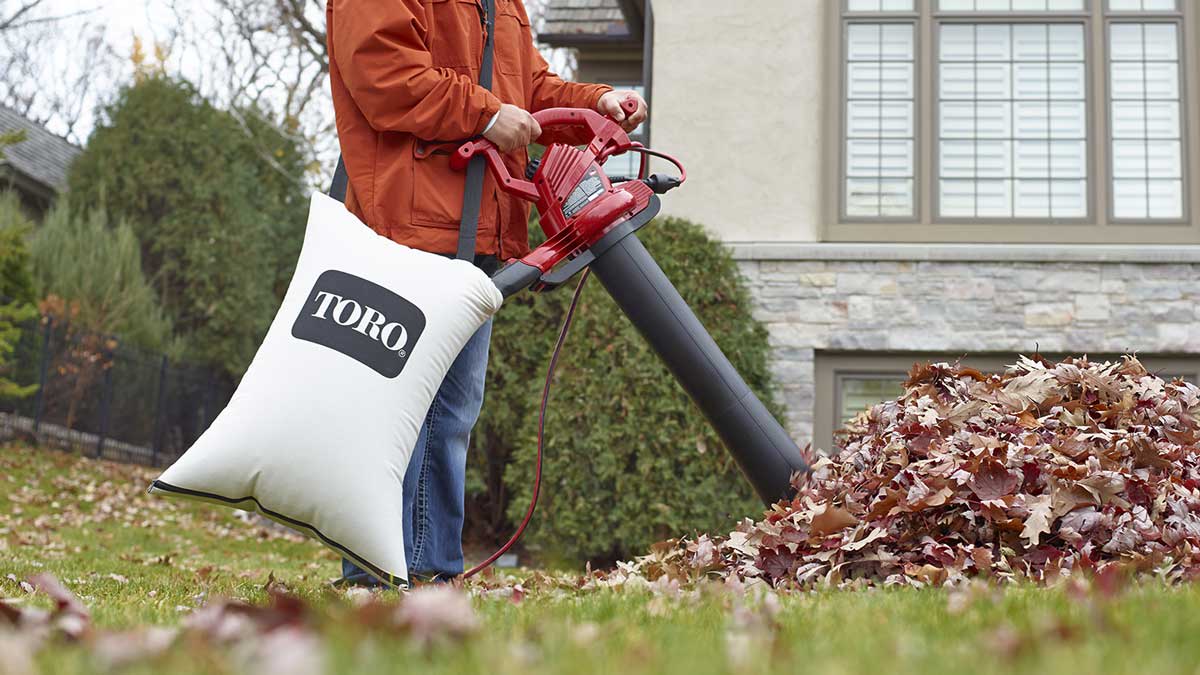
How leaf blowers and leaf vacuums work
A leaf blower uses a motor or engine to force air out a nozzle. The air stream moves leaves, grass clippings, and light debris. Most blowers do not collect debris. They are simple tools for moving material where you want it.
A leaf vacuum combines an air intake with a shredding system. Leaves are sucked into a tube and pass through a impeller or shredder. Shredded material goes into a bag or hopper. Many leaf vacuums reduce leaf volume by 8 to 16 times.
Both tools can be gas, corded electric, or battery powered. The basic mechanics explain much of the difference between a leaf blower and a leaf vacuum. How they move and handle debris affects their best uses.

Key differences at a glance
- Function
- A leaf blower moves debris with high‑speed air.
- A leaf vacuum sucks debris in and collects it.
- End result
- Blower gathers or piles leaves.
- Vacuum removes leaves into a bag or bin.
- Debris handling
- Blowers create piles you must pick up.
- Vacuums bag and often mulch leaves on the spot.
- Ideal tasks
- Blowers work for lawns, driveways, gutters, and fast clearing.
- Vacuums are best for cleanups when you want to collect or compost.
- Noise and emissions
- Gas blowers can be loud and emit fumes.
- Vacuums share similar power options and often run at lower airspeed.
Understanding the difference between a leaf blower and a leaf vacuum helps you match the tool to the task.
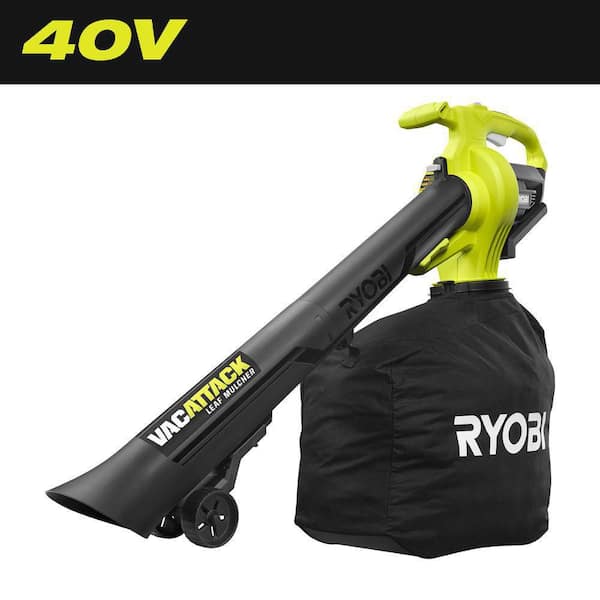
Types, power sources, and common features
- Power types
- Gas: high power, good for large yards, louder and heavier.
- Corded electric: steady power, low weight, limited by cord length.
- Battery: quiet, portable, improving run time with modern batteries.
- Form factors
- Handheld blowers: light, for small yards.
- Backpack blowers: more power, less arm fatigue.
- Walk‑behind vacuums: heavy duty, used for large properties and municipal work.
- Common vacuum features
- Mulch ratio: shows how much leaves are shredded.
- Collection bag size: affects how often you empty.
- Impeller type: metal impellers last longer and handle wet leaves.
The difference between a leaf blower and a leaf vacuum is also one of scale. Choose by yard size, storage, and how you handle collected debris.

Best use cases: when to choose a blower vs a vacuum
- Choose a leaf blower when:
- You need to move leaves fast across a large area.
- You want to clear driveways, sidewalks, or gutters quickly.
- You plan to pile leaves for pickup or compost later.
- Choose a leaf vacuum when:
- You want to collect and bag leaves as you work.
- You plan to mulch leaves for compost or lawn feed.
- You need a cleaner finish without a follow‑up pickup.
In many yards, the best answer is both. Use a blower to gather leaves into piles. Then switch to a vacuum or rake to collect. Knowing the difference between a leaf blower and a leaf vacuum helps you plan that two‑step approach.
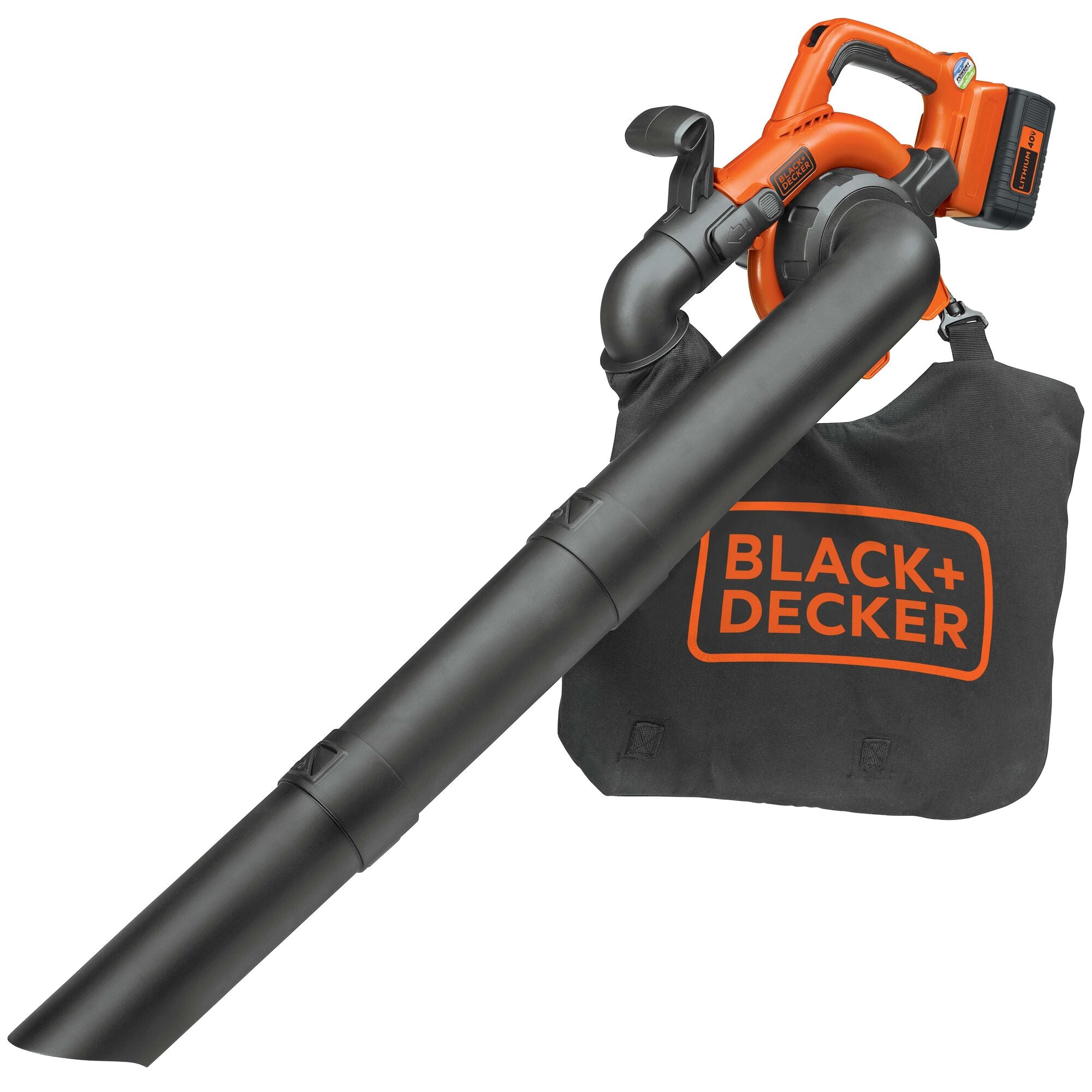
Noise, emissions, and environmental impact
- Noise
- Gas blowers are the loudest. Some reach 90+ decibels.
- Battery and corded units tend to be quieter.
- Vacuums can be loud too, but mulching can reduce run time.
- Emissions
- Gas two‑stroke engines emit hydrocarbons and carbon monoxide.
- Battery and corded units have zero local emissions.
- Yard impact
- Blowers can scatter dust, pollen, and soil.
- Vacuums capture debris, reducing allergens and waste left on turf.
If neighborhood noise or air quality matters, the difference between a leaf blower and a leaf vacuum is also a difference in environmental effect. Choose battery models for lower impact and quieter operation.

Maintenance, safety, and cost considerations
- Maintenance
- Blowers: clean air filter, check spark plug (gas), charge batteries.
- Vacuums: clear impeller jams, inspect collection bags, maintain shredder blades.
- Safety tips
- Wear hearing protection and eye protection.
- Avoid pointing a blower at people, pets, or fragile plants.
- Turn off and unplug before clearing jams in vacuums.
- Cost factors
- Upfront: vacuums often cost more than simple blowers.
- Ongoing: gas models need fuel and oil; batteries need replacement over years.
- Value: vacuums save time if you must collect debris.
From my experience, regular cleaning and blade care extend vacuum life. For blowers, simple upkeep keeps power steady. Knowing the difference between a leaf blower and a leaf vacuum helps you budget for both purchase and upkeep.
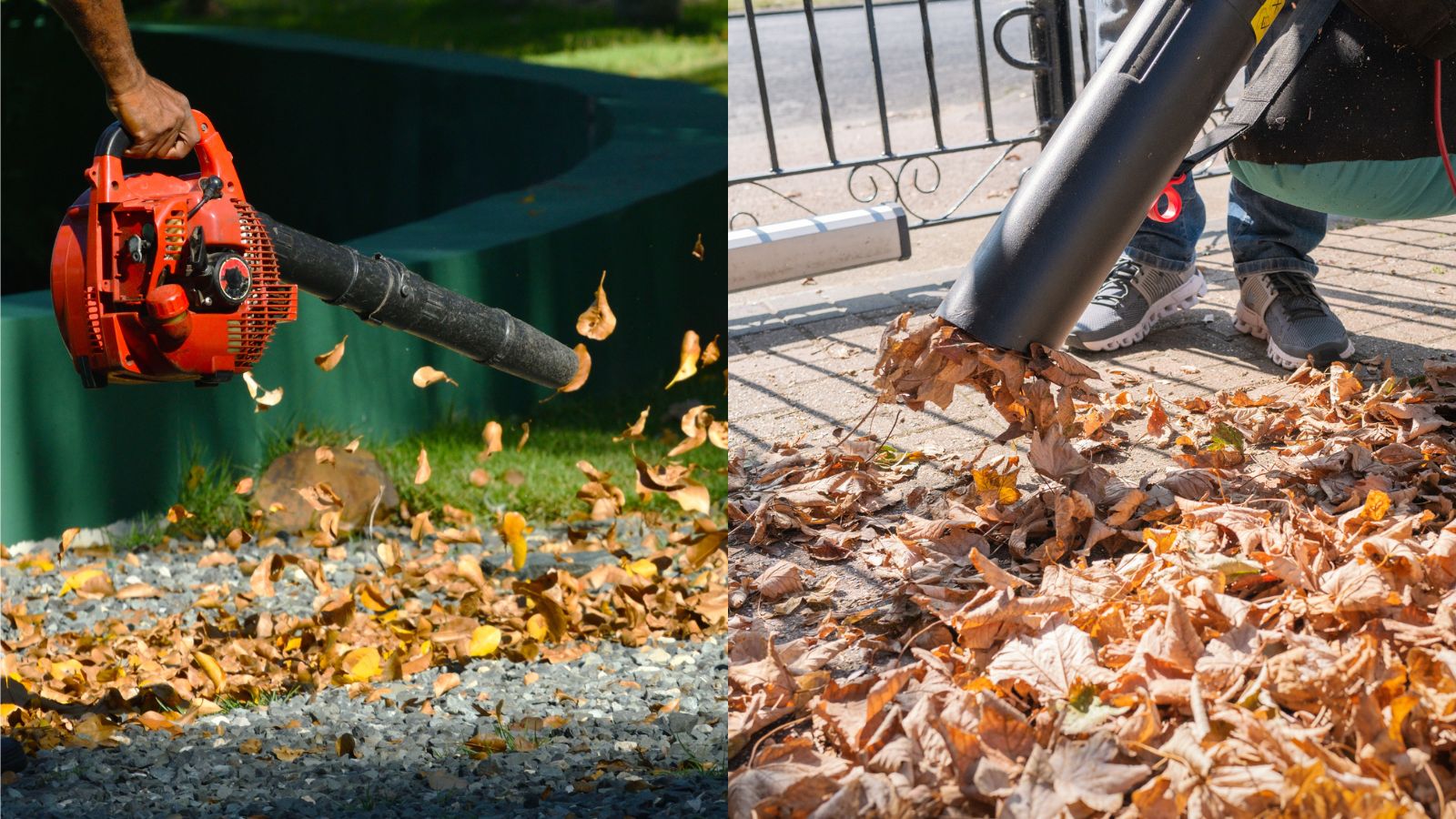
Personal experience and practical tips
I used a handheld blower for years on a small yard. It was quick but left me bagging by hand. I later tried a vacuum with a mulcher. It cut bag trips in half and made compost prep easy.
Tips I learned
- For big yards, use a backpack blower to gather leaves fast.
- If you plan to compost, pick a vacuum with a high mulch ratio.
- Wet leaves choke some vacuums. Let them dry when possible.
- Keep a spare bag or bin. Emptying often saves time.
- Use lower speed on battery models to extend run time.
These real tests showed me the practical difference between a leaf blower and a leaf vacuum. One moves material. The other removes it.
Frequently Asked Questions of What is the difference between a leaf blower and a leaf vacuum?
What exactly does a leaf blower do?
A leaf blower uses fast air to move leaves and debris into piles. It does not collect material, so you still need to rake or bag the piles.
How does a leaf vacuum differ in function?
A leaf vacuum sucks leaves into a tube and usually shreds them into a bag. This both collects and reduces the volume of debris for disposal or composting.
Can one machine act as both a blower and a vacuum?
Some models offer a blower and vacuum mode or a conversion kit. These hybrid tools work well for homeowners who want both functions without buying two machines.
Are vacuums better for composting?
Yes. A leaf vacuum with a high mulch ratio creates fine material that composts faster and takes less space in a bin.
Which is quieter, a blower or a vacuum?
Battery-powered vacuums and blowers are generally the quietest. Gas blowers are often the loudest among common options.
Is a vacuum slower than a blower for clearing big areas?
Yes, vacuums tend to be slower because they collect and shred debris. Blowers clear large areas quickly but leave you to gather piles.
Do leaf vacuums clog on wet leaves?
Many vacuums struggle with wet, heavy leaves. Dry leaves are easier to mulch and bag, reducing clogs and strain on the motor.
Are backpack blowers worth the cost?
Backpack blowers are worth it for large yards or professional use. They balance power and comfort, letting you work longer with less arm fatigue.
Conclusion
You now understand the practical difference between a leaf blower and a leaf vacuum. A blower moves leaves fast; a vacuum collects and mulches them. Use a blower for quick clearing and a vacuum when you want to collect, compost, or reduce cleanup time. Try a hybrid approach: blow leaves into piles, then vacuum or rake for final cleanup. If you found this helpful, try one tool on a small job and compare results, then share your experience or ask questions below.

