

If you or someone in your family struggles with allergies, you know how important clean air is at home. Dust, pollen, and pet dander can make daily life uncomfortable, especially for those with asthma or sensitive noses. Many people search for air purifiers or vacuum cleaners that can actually help with these problems. The Miele Guard L1 often comes up in these searches. But is it really good for allergies, or is it just clever marketing? Let’s explore what sets it apart, how it works, and if it truly helps allergy sufferers live better.
Understanding Allergies And Home Air Quality
Before looking at the Miele Guard L1, it’s important to understand what causes allergies indoors. Allergens are tiny particles that trigger immune reactions. Common indoor sources include:
- Dust mites: Live in bedding, carpets, and furniture.
- Pet dander: Tiny flakes from animal skin.
- Pollen: Often comes in from outside.
- Mold spores: Grow in damp areas.
- Cockroach droppings: Found in some urban homes.
For many people, the worst symptoms come from breathing these particles over time. Sneezing, runny nose, itchy eyes, and even breathing problems can happen if you don’t control these allergens. Good cleaning routines and the right technology can make a big difference.
What Is The Miele Guard L1?
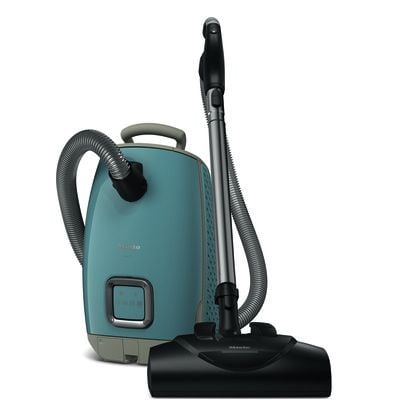
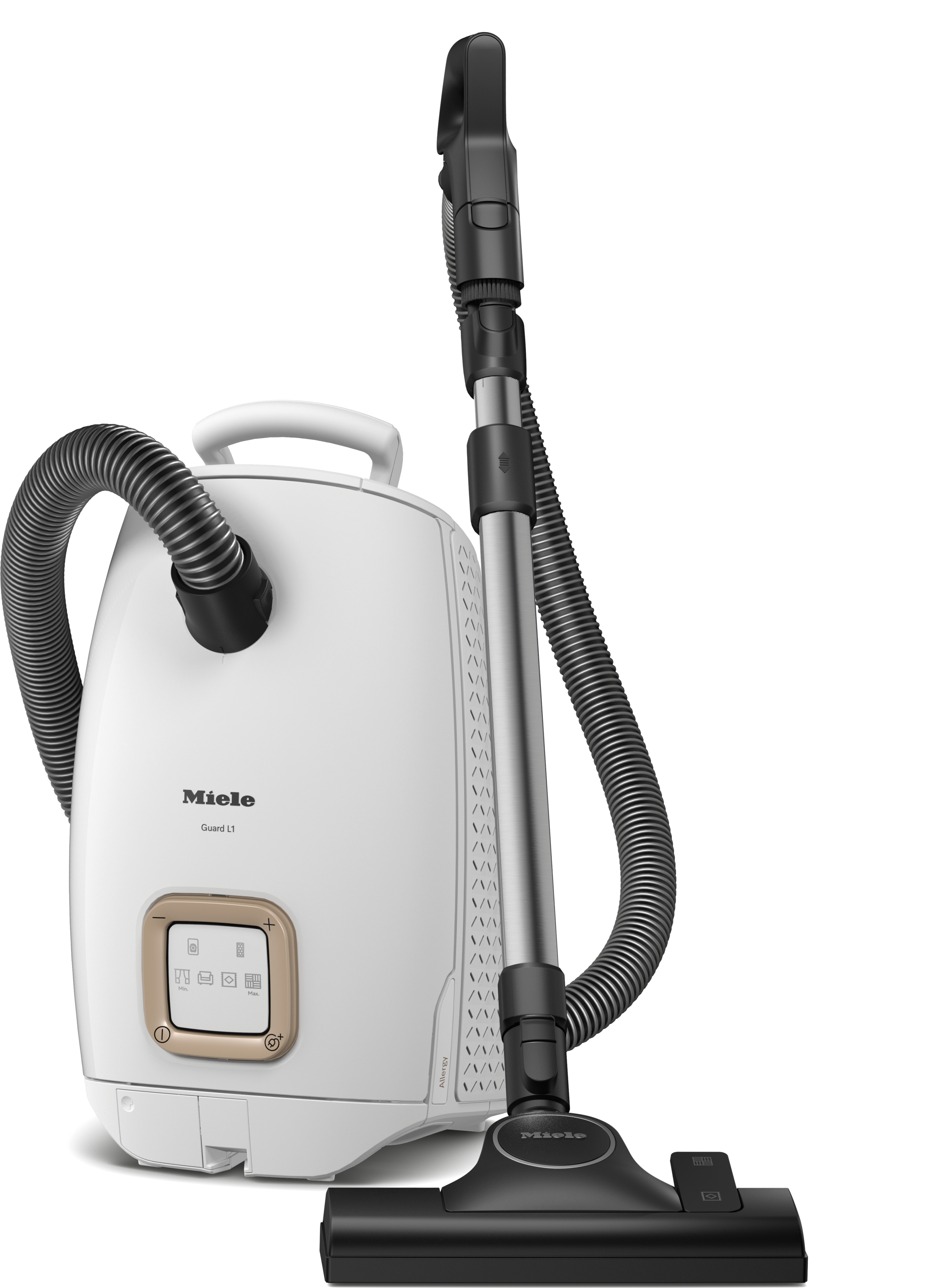
The Miele Guard L1 is a high-end vacuum cleaner made by Miele, a well-known German brand. Miele has a reputation for building strong, long-lasting home appliances. The Guard L1 model is designed for deep cleaning and claims to have advanced filtration features that help with allergens.
Some key features include:
- HEPA AirClean filter system
- Sealed construction to avoid leaks
- Powerful suction for carpets and hard floors
- Multiple cleaning attachments
But What Do These Features Really Mean For Allergy Relief?

How Miele Guard L1 Fights Allergens
Advanced Filtration: The Heart Of The System
One of the main selling points is the HEPA AirClean filter. HEPA stands for “High-Efficiency Particulate Air.” These filters are tested to remove at least 99.97% of particles as small as 0.3 microns. That includes:
- Most pollen
- Dust mite waste
- Pet dander
- Some bacteria and mold spores
But not all HEPA filters are the same. Miele’s AirClean system also uses a sealed body. This means that air entering the vacuum must pass through the filter. Cheaper vacuums can leak air (and allergens) back into the room, but the Guard L1’s seals are designed to stop this.
Data On Hepa Filtration
To see how the Miele Guard L1 compares, look at the following data:
| Vacuum Model | Filtration Type | Particles Removed (%) | Sealed System |
|---|---|---|---|
| Miele Guard L1 | HEPA AirClean | 99.97% (0.3µm) | Yes |
| Standard Bagless | Basic Filter | 75–85% | No |
| HEPA-Only Competitor | HEPA (No Seal) | 98–99% | No |
This shows the importance of both the filter and the sealed system. Even a good filter won’t help if the vacuum leaks.
Suction Power And Deep Cleaning
The Miele Guard L1 offers strong suction, which means it can pull more dust and allergens from carpets and floors. Many allergens like dust mites and dander settle deep in fibers, and weak vacuums leave much behind. The L1’s motor and brush design help remove more particles with each pass.
Dust Bag System
Instead of a bagless design, the Guard L1 uses self-sealing dust bags. When you change the bag, it automatically closes, so you don’t get a cloud of dust in your face—a common problem with cheaper vacuums. This simple detail can make a big difference for allergy sufferers.
Extra Attachments
The included crevice tool, upholstery brush, and mattress nozzle help clean places where dust collects but is often missed—like sofas, curtains, and beds.
Comparing Miele Guard L1 To Other Allergy Vacuums
Many vacuums claim to help with allergies, but not all are equal. Here’s a comparison to see how the Miele Guard L1 stands out.
| Feature | Miele Guard L1 | Popular Competitor A | Popular Competitor B |
|---|---|---|---|
| HEPA Filtration | Yes (Sealed) | Yes (Partial Seal) | No |
| Self-Sealing Dust Bag | Yes | No | No |
| Suction Power (AW) | ~1200W | ~1000W | ~900W |
| Special Attachments | Mattress, Crevice, Upholstery | Crevice | None |
| Sealed System | Full | Partial | No |
The Miele Guard L1’s combination of features is hard to beat for allergy protection.
Real-world Performance: What Do Users Say?
Online reviews and independent tests provide valuable insight. According to consumer reports, the Miele Guard L1 consistently scores high for dust removal and air cleanliness. Many users with asthma or severe allergies report fewer symptoms after switching to this vacuum.
A few examples:
- Asthma sufferers notice less sneezing and coughing during and after vacuuming.
- Pet owners say the L1 picks up hair and dander more effectively than their old models.
- Parents with allergic children find bedrooms and play areas stay cleaner, reducing night-time symptoms.
While individual experiences vary, the general trend is positive, especially for homes with carpets, pets, or high dust levels.
Two Insights Beginners Often Miss
- Not all HEPA vacuums are truly sealed. Many brands use the term “HEPA” but allow air to escape around the filter. Only a fully sealed system, like the one in the Miele Guard L1, keeps all allergens trapped inside.
- Bag changes matter more than you think. If you have allergies, the dust cloud released during bag or bin changes can undo all your hard work. Miele’s self-sealing bags quietly solve this overlooked problem, making maintenance safer and easier for allergy sufferers.
Who Should Consider The Miele Guard L1?
The Miele Guard L1 is not the cheapest vacuum, but for some people, it’s a smart investment. Consider it if:
- Someone in your home has asthma or severe allergies
- You have pets that shed hair and dander
- Your home has mostly carpets or rugs
- You want to reduce dust and allergens as much as possible
However, if your home is all hard floors with very little dust, or if no one has allergies, you might not need such an advanced machine.
Common Buyer Mistakes
People often make these errors when choosing an allergy vacuum:
- Ignoring the sealed system. A good filter is not enough if the vacuum leaks air.
- Choosing bagless for convenience. Bagless models can create dust clouds when emptied.
- Overlooking attachments. Dust hides in sofas, beds, and corners—make sure your vacuum can reach these spots.
- Buying based only on price. Cheaper models often skip important features that matter most for allergies.
Maintenance Tips For Best Allergy Relief
Even the best vacuum needs proper care to work well:
- Change the HEPA filter as recommended (usually every 6–12 months).
- Replace dust bags before they are full to keep suction strong.
- Clean attachments regularly to prevent buildup.
- Check seals and gaskets for wear—replace if needed.
These steps ensure your Miele Guard L1 continues to trap allergens effectively.
Scientific Evidence: Do Allergy Vacuums Really Work?
Studies show that vacuums with true HEPA filtration and sealed systems can lower allergen levels in homes. According to the American Academy of Allergy, Asthma & Immunology, using these vacuums reduces dust mite and pet dander exposure, which may help control symptoms. However, no vacuum can remove 100% of allergens—regular cleaning and other measures (like air purifiers) are also important.
For more on HEPA filtration and home allergies, see this detailed guide from the US Environmental Protection Agency.
Is The Miele Guard L1 Worth It For Allergy Sufferers?
The Miele Guard L1 stands out because of its true HEPA filtration, sealed body, and self-sealing dust bags. These features directly target the weak points of most home cleaning routines. While it costs more than basic models, many allergy sufferers find the investment worthwhile for the comfort and symptom relief it brings.
If you have severe allergies, or if you’re tired of dust clouds and stuffy rooms after vacuuming, the Miele Guard L1 is one of the most effective tools you can buy for your home.
Frequently Asked Questions
Does The Miele Guard L1 Help With Pet Allergies?
Yes, the Miele Guard L1 is highly effective for homes with pets. Its sealed HEPA system traps pet dander and hair, and the strong suction removes fur from carpets and furniture. The included attachments also help clean pet beds, sofas, and other areas where allergens collect.
How Often Should I Change The Hepa Filter And Dust Bag?
For best results, change the HEPA filter every 6–12 months, depending on use and home conditions. Replace the dust bag when it is about two-thirds full or when the vacuum’s indicator light turns on. This keeps performance high and air clean.
Is The Miele Guard L1 Suitable For Hard Floors As Well As Carpets?
Yes, the Miele Guard L1 works well on both hard floors and carpets. Its adjustable suction and specialized floor heads allow for deep cleaning without scratching delicate surfaces. The sealed system ensures that allergens are trapped regardless of floor type.
Can The Miele Guard L1 Reduce Asthma Symptoms?
Many users with asthma report fewer symptoms after switching to the Guard L1. By removing dust, pollen, and other triggers from the home, it can help reduce exposure and improve air quality. However, results vary, and it should be part of a complete allergy management plan.
Is There Any Official Certification For Allergy-friendly Vacuums?
Yes, some vacuums—including the Miele Guard L1—carry certifications like the British Allergy Foundation Seal of Approval or similar marks. These show the product has passed tests for allergy reduction. Always check for these labels when shopping for an allergy-focused vacuum.
If you want cleaner air and better allergy control at home, the Miele Guard L1 is a strong choice. With its unique features and proven results, it goes beyond simple cleaning to help you breathe easier every day.

