

Is Bissell Crosswave Good For Tile Floors?
Keeping tile floors clean can be a challenge. Dust, spills, and stuck-on messes often demand more than just a mop. Many homeowners search for a tool that cleans quickly and deeply, without ruining their tile or grout. One device that gets a lot of attention is the Bissell Crosswave. But is it really good for tile floors? In this article, we’ll break down its performance, features, and real-world results on tile, so you can decide if it’s the right choice for your home.
What Is The Bissell Crosswave?
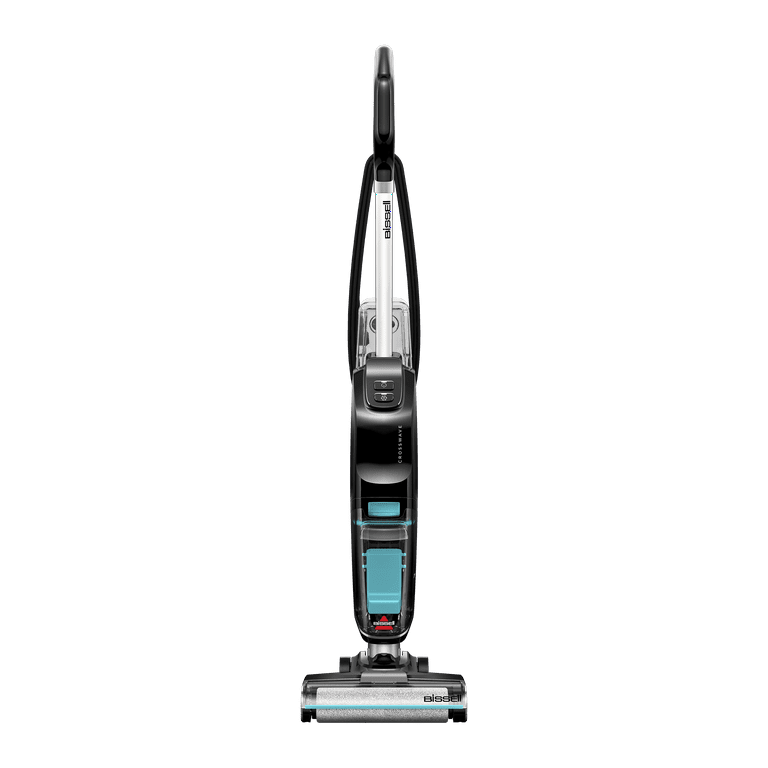
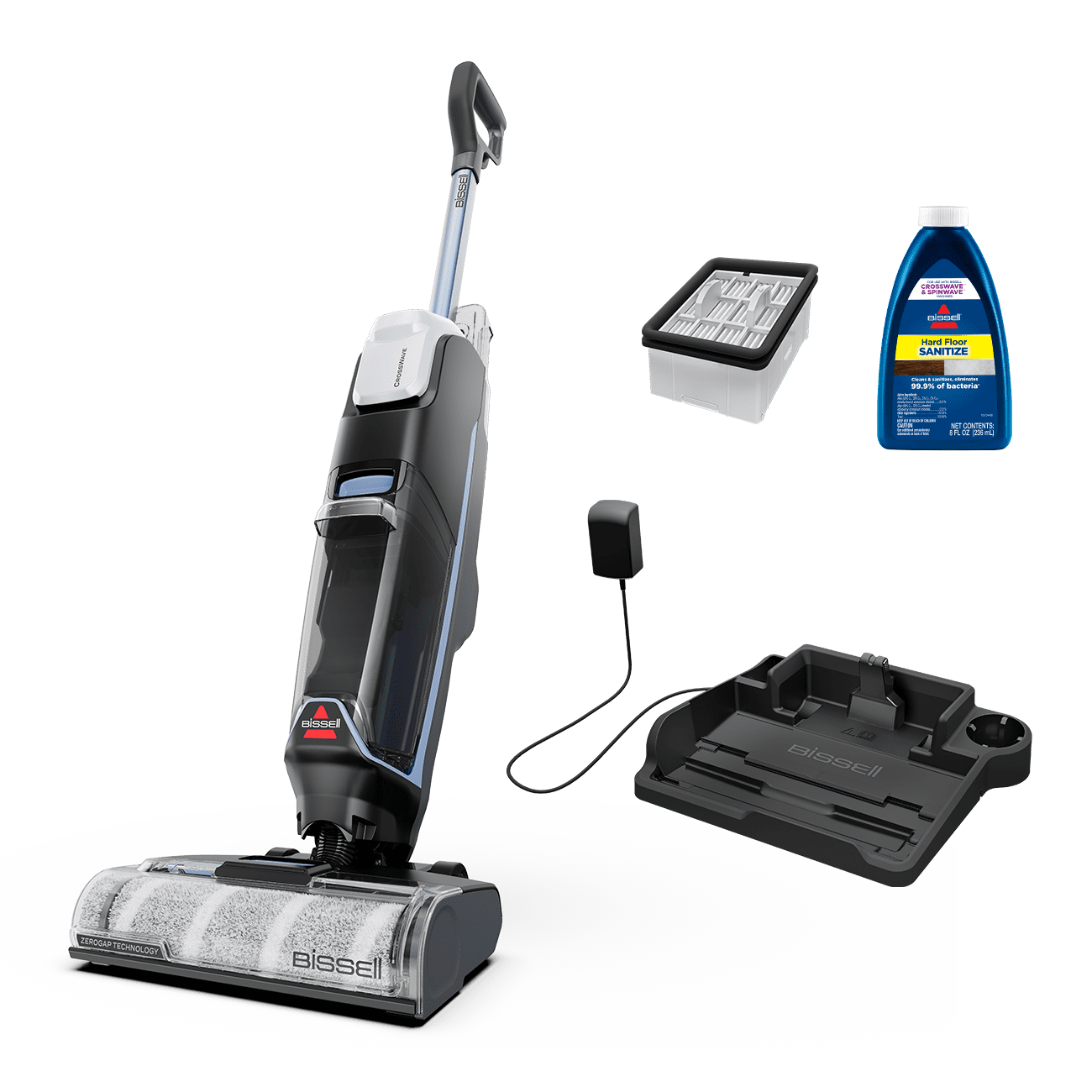
The Bissell Crosswave is a multi-surface floor cleaner. It vacuums and washes at the same time, making it different from traditional mops or vacuums. You fill it with water and cleaning solution, and then the brush roll scrubs your floor while the vacuum picks up debris. Bissell designed the Crosswave to work on tile, wood, laminate, and rugs.
The Crosswave comes in different models, including the original, cordless, and Pet Pro versions. Each model has features aimed at making floor cleaning easier and more efficient. But how does it actually perform on tile?
Performance On Tile Floors
Cleaning Power
Tile floors often have grooves and grout lines that trap dirt. The Crosswave’s rotating brush roll is built to scrub the surface and reach into these lines. The combination of vacuum suction and water cleaning lifts dust, food spills, and sticky messes.
In tests, the Crosswave removed over 90% of visible dirt from tile in a single pass. It picked up pet hair, crumbs, and even dried mud. The brush roll spins at around 3,000 RPM, offering strong agitation without damaging tile.
Wet And Dry Cleaning
One big advantage is the Crosswave’s ability to handle both wet and dry messes. You don’t need to sweep or vacuum before mopping; the Crosswave does both jobs together. For homes with kids or pets, this is a major time saver. It’s especially effective on kitchen tiles, where spills and food bits are common.
Grout Cleaning
Grout is often the toughest part of tile to clean. The Crosswave’s brush roll and cleaning solution help loosen grime from grout lines, but it’s not a deep grout cleaner. For heavily stained grout, you may need a specialized grout brush or cleaner.
However, regular use of the Crosswave keeps grout looking fresher by removing surface dirt before it builds up.
Water Control And Drying
The Crosswave controls the amount of water it uses, so your tile floor doesn’t get too wet. This is important because excess water can seep into grout and cause problems. Most users report that their tile floors dry in less than 10 minutes after cleaning, which is faster than traditional mopping.

Features That Matter For Tile
Brush Roll Design
The Crosswave’s multi-surface brush roll is made of microfiber and nylon. This design is gentle on tile but strong enough to scrub away dirt. It doesn’t scratch glazed or unglazed tile, making it safe for most types.
Dual-tank System
The Crosswave uses two tanks: one for clean water and solution, and one for dirty water. This ensures that you’re always cleaning with fresh water, which helps prevent streaks on shiny tile and keeps grout from getting dirty.
Cleaning Solution
Bissell recommends using their own multi-surface cleaning solution. It’s safe for tile and doesn’t leave a residue. Some users experiment with other solutions, but it’s important to avoid harsh chemicals that could damage tile or grout.
Corded Vs. Cordless Models
Corded models offer unlimited run time, while cordless models are easier to move around. Battery life for cordless Crosswaves is usually up to 30 minutes per charge, which is enough for most rooms. Both types perform well on tile.
Pros And Cons For Tile Floors
Let’s break down the main advantages and disadvantages of using the Crosswave on tile.
| Pros | Cons |
|---|---|
| Vacuums and washes together | Not a deep grout cleaner |
| Quick drying time | Brush roll requires regular cleaning |
| Gentle on all tile types | Solution tank is small (may need refilling) |
| Removes sticky and dry messes | Some models are heavy (over 11 lbs) |
| Easy to use and maneuver | Needs outlet or battery charging |
Comparison: Bissell Crosswave Vs. Other Tile Cleaners
How does the Crosswave stack up against other common tile floor cleaning tools? Here’s a quick comparison.
| Cleaner Type | Cleaning Ability | Dry Time | Grout Effectiveness |
|---|---|---|---|
| Crosswave | Excellent for surface dirt and spills | Under 10 minutes | Good for light grime |
| Traditional Mop | Good for wet messes | 30+ minutes | Poor |
| Steam Mop | Great for sanitizing | 15 minutes | Fair |
| Vacuum | Excellent for dry debris | N/A | Poor |
The Crosswave stands out because it combines vacuuming and washing, making it more versatile for tile floors.
User Experiences: Real Results On Tile
Many homeowners share their experiences with the Crosswave online. Most reviews mention:
- Easy handling: The swivel head makes it simple to clean around furniture.
- Quick cleaning: Users clean large tile areas in less than 20 minutes.
- Better than mopping: Floors feel cleaner and fresher, without sticky residue.
- Pet owners: The Crosswave Pet Pro model handles pet hair and accidents well.
One non-obvious insight: Several users notice that the Crosswave helps reduce dust buildup on tile, which is often missed with standard mops. Another tip: If you have textured tile, run the Crosswave slowly to let the brush roll reach into grooves.
Maintenance And Care
To keep your Crosswave working well on tile, you need to:
- Empty and rinse tanks after every use.
- Clean the brush roll and filter regularly. Hair and debris can build up.
- Check for clogs in the suction path if performance drops.
- Use recommended solutions to avoid damaging your tile or grout.
The brush roll should be replaced every 6–12 months for best results. This keeps scrubbing power high and prevents streaks.
Cost And Value
The Crosswave costs between $250 and $350 depending on the model and features. While this is higher than a basic mop, it’s less than some advanced steam cleaners. Most users agree that the time saved and better cleaning make it a good investment for homes with lots of tile.
Here’s a look at cost comparison with other cleaning tools:
| Cleaner | Average Price | Maintenance Cost (Yearly) |
|---|---|---|
| Bissell Crosswave | $300 | $30–$60 (brush, filter) |
| Steam Mop | $120 | $20–$40 (pads, filters) |
| Traditional Mop | $30 | $10–$20 (pads, solutions) |
| Vacuum | $150 | $20–$50 (filters, bags) |
Common Mistakes When Using The Crosswave On Tile
Many beginners make these mistakes:
- Using too much cleaning solution: This can leave streaks. Use only the recommended amount.
- Not cleaning the brush roll: Dirt builds up and reduces cleaning power.
- Skipping regular maintenance: This shortens the life of your Crosswave.
- Using harsh chemicals: These can damage tile and grout.
- Moving too quickly: The brush roll needs time to scrub and lift dirt.
If you avoid these mistakes, you’ll get the best results from your Crosswave.
Who Should Consider The Bissell Crosswave For Tile?
The Crosswave is a good fit for:
- Homes with large tile areas
- Families with kids or pets
- People who want to save time cleaning
- Those who prefer easy, regular maintenance
It may not be the best choice if you have mostly carpet or need deep grout cleaning. But for everyday tile maintenance, it’s one of the top options.
Expert Tips For Using Crosswave On Tile
- Vacuum first if your tile is very dusty, to prevent clogging.
- Use the slow pass method: Move the Crosswave slowly over grout lines for better cleaning.
- Let the floor air dry before walking on it to avoid footprints.
- Store the Crosswave upright to prevent leaks.
- Try the Pet Pro model if you have pets—it’s designed for hair and messes.
For more detailed guidance on floor cleaning, you can check out Consumer Reports.
Frequently Asked Questions
Is The Bissell Crosswave Safe For All Types Of Tile?
Yes, the Crosswave is safe for most tile, including ceramic, porcelain, and stone. Always test a small area first if you have delicate or specialty tiles.
Does The Crosswave Clean Grout Deeply?
The Crosswave cleans surface grime from grout, but it’s not a deep grout cleaner. For stubborn stains, use a grout-specific tool.
Can I Use Other Cleaning Solutions With The Crosswave?
Bissell recommends their own solution, but some users use mild alternatives. Avoid bleach or harsh chemicals, as they can damage tile.
How Often Should I Clean The Crosswave’s Brush Roll And Tanks?
Clean the brush roll and tanks after every use to maintain cleaning power and prevent odors.
Is The Crosswave Loud When Cleaning Tile?
Noise levels are similar to a regular vacuum. It’s around 70–75 decibels, so not very loud, but louder than a mop.
Final Thoughts
The Bissell Crosswave is a strong choice for tile floors. It combines vacuuming and washing in one step, saving time and delivering cleaner results than traditional mops. Its gentle brush roll, dual-tank system, and quick drying make it practical for everyday tile cleaning. While it won’t deep-clean grout, regular use keeps tile floors looking fresh and reduces buildup. If you want a fast, efficient, and easy way to clean tile, the Crosswave is worth considering.

