

To clean a vacuum hose, disconnect it, remove blockages, rinse it safely, and dry it fully before use.
A clean vacuum hose helps restore suction, reduce odors, and protect the motor from extra strain. After cleaning many clogged hoses, I have learned that the safest method depends on the hose material, vacuum type, and size of the blockage. This guide explains how to clean a vacuum hose step by step, including what to do when dirt is stuck deep inside.
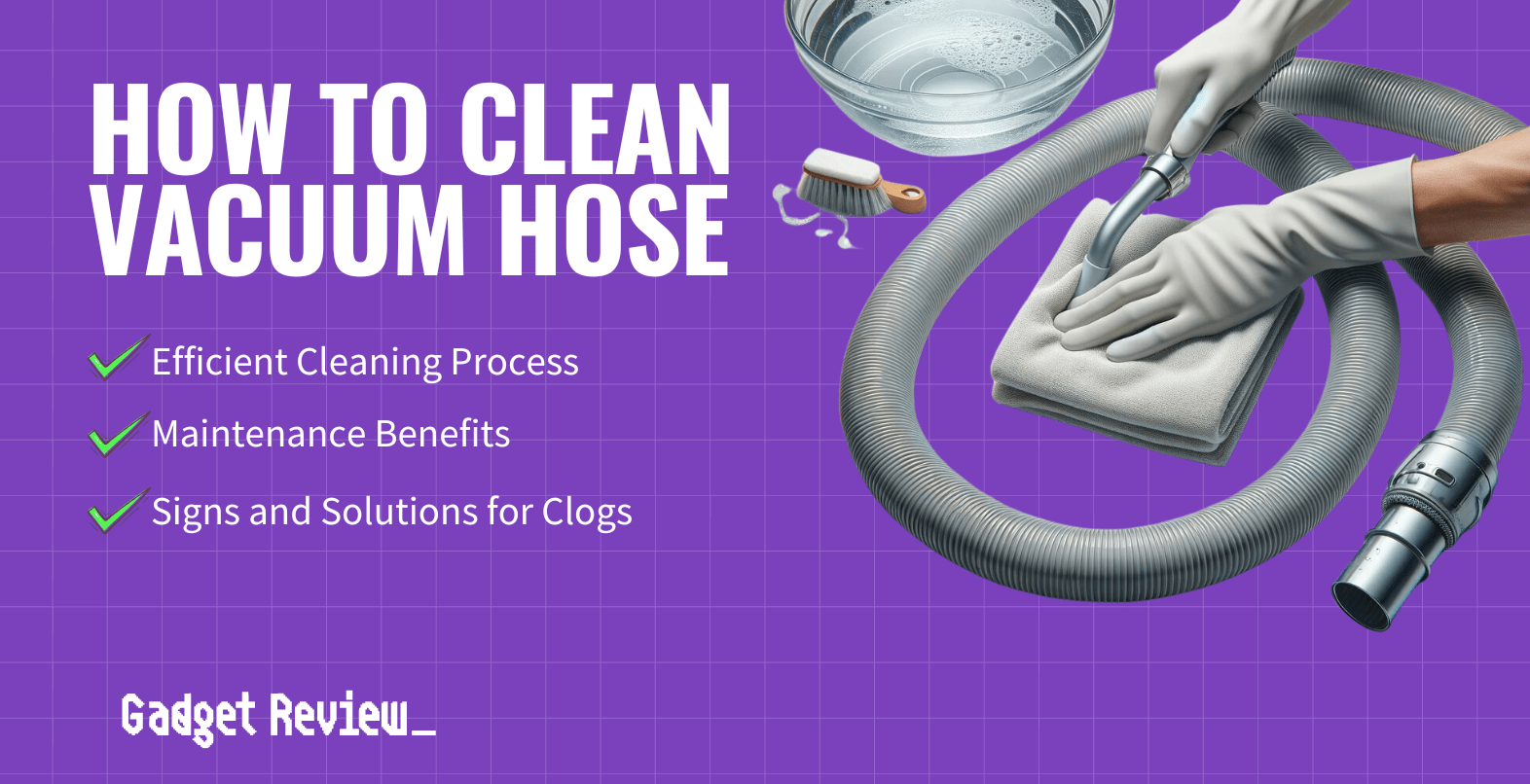
Why You Should Clean a Vacuum Hose
A vacuum hose carries dust, hair, crumbs, and fine debris from the floor head to the dust bag or dirt bin. Over time, this waste can cling to the inner wall or form a solid clog. Even a small blockage may reduce airflow and make the vacuum work harder.
A dirty hose can cause several common problems:
- Weak suction at the floor head
- A burning or musty smell
- Unusual changes in motor sound
- Dust blowing back into the room
- Frequent vacuum overheating
- A hose that feels heavy or partly blocked
In my experience, many people blame the filter first when suction drops. Filters are often part of the problem, but a blocked hose can create the same symptoms. Checking the hose early can save time and prevent unnecessary replacement parts.
Most manufacturers recommend regular care for the hose, filters, brush roll, and dust container. The exact cleaning method varies, so always check the owner’s manual before using water or removing fittings.
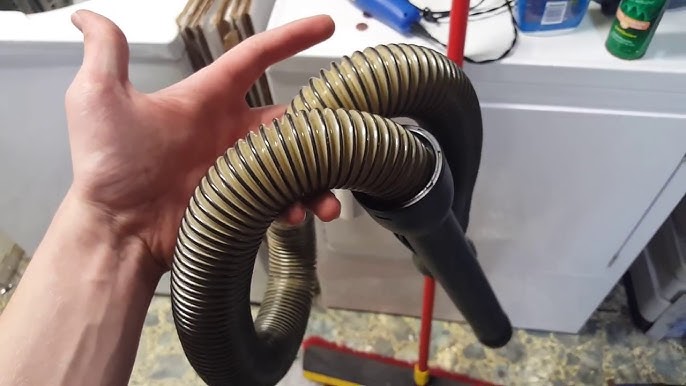
What You Need to Clean a Vacuum Hose
You do not need special equipment for most vacuum hoses. Gather the items below before you begin:
- A soft cloth or old towel
- A bucket, sink, or bathtub
- Warm water
- Mild dish soap
- A long, flexible brush or bottle brush
- A broom handle or wooden dowel
- A flashlight
- Clean towels
- A dry outdoor or indoor area with good airflow
Avoid sharp tools, metal coat hangers, and stiff rods. They can puncture the hose or damage the wire that supports a flexible hose. A plumber’s drain snake may also scratch the inside or become stuck.
For a vacuum with electrical contacts, a motorized head, or a power-control switch on the hose, keep those parts away from water. Some hoses look simple but contain wires inside the rubber or plastic wall.

How to Clean a Vacuum Hose Step by Step
Follow these steps for a safe and thorough clean. Work slowly. A rushed cleaning job can push the clog farther into the hose.
1. Unplug the Vacuum
Turn off the vacuum and remove the plug from the wall. If you use a cordless model, remove the battery when the design allows it.
This step protects you from accidental startup. It also keeps water away from a live electrical system. Never clean a connected vacuum hose while the machine is plugged in.
2. Remove the Hose
Release the hose from the vacuum body. Many models use a twist-lock fitting, while others have a button or clip. Take a photo before removing parts if you are unsure how they fit together.
Place the hose on a towel. Check both ends for cracks, loose seals, or trapped debris. A small tear can cause an air leak that cleaning will not fix.
3. Inspect the Hose With a Flashlight
Shine a flashlight through the hose from one end. Look for hair, tissue, pet litter, toy pieces, and compacted dust.
If the hose is clear, inspect the fittings and the floor head instead. A clog may sit at the bend near the handle or at the narrow opening near the brush head.
4. Remove Loose Debris
Shake the hose gently over a trash can. Tap it with your hand, not a hard object. This may release dry dust and hair near the opening.
For a blockage near one end, use a broom handle or wooden dowel. Push gently from the wider end toward the clog. Stop if you feel strong resistance.
5. Pull Out the Blockage
Use a long flexible brush to loosen material inside the hose. Twist the brush as you move it forward, then pull it back slowly.
Do not force a sharp or rigid tool through the hose. In one cleaning job, a metal hanger seemed like a quick fix, but it left a small cut in the hose wall. The vacuum sounded normal afterward, yet it lost suction because air leaked through that cut.
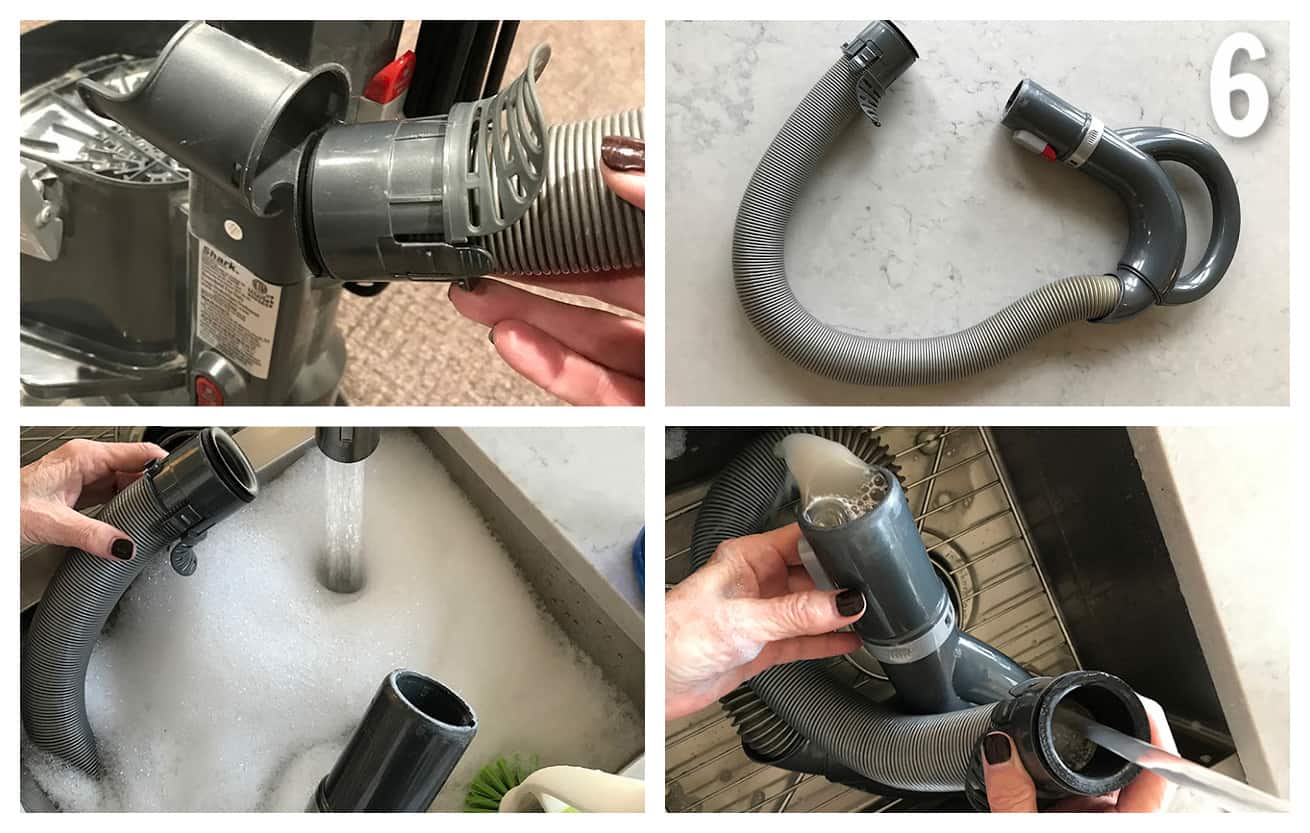
6. Wash the Hose Only if It Is Water-Safe
If the manual allows washing, fill a sink or tub with warm water and a small amount of mild dish soap. Place only the hose in the water when it has no electrical parts.
Run soapy water through the hose. Rotate it so the water reaches the full inner surface. Use a flexible brush to clean stuck dust, but do not scrub so hard that you stretch the hose.
7. Rinse Until the Water Runs Clear
Rinse the hose with clean, cool or lukewarm water. Remove all soap because leftover detergent can hold dust and create a sticky film.
Do not use boiling water. High heat can soften, bend, or weaken some plastic hoses. It may also loosen glued joints.
8. Dry the Hose Completely
This is one of the most important steps when you clean a vacuum hose. Shake out excess water and place the hose vertically or in a position that allows air to move through it.
Let it dry for at least 24 hours, or longer if water remains inside. Do not reconnect a damp hose. Moisture can reach the motor, damage filters, encourage mold growth, and create a musty smell.
9. Reattach and Test the Vacuum
Reconnect the dry hose firmly. Check that every clip, seal, and twist-lock fitting is secure.
Turn on the vacuum for a short test. Listen for air leaks and check the suction at the floor head. If the machine still struggles, inspect the filter, brush roll, dust bin, bag, and air pathways.
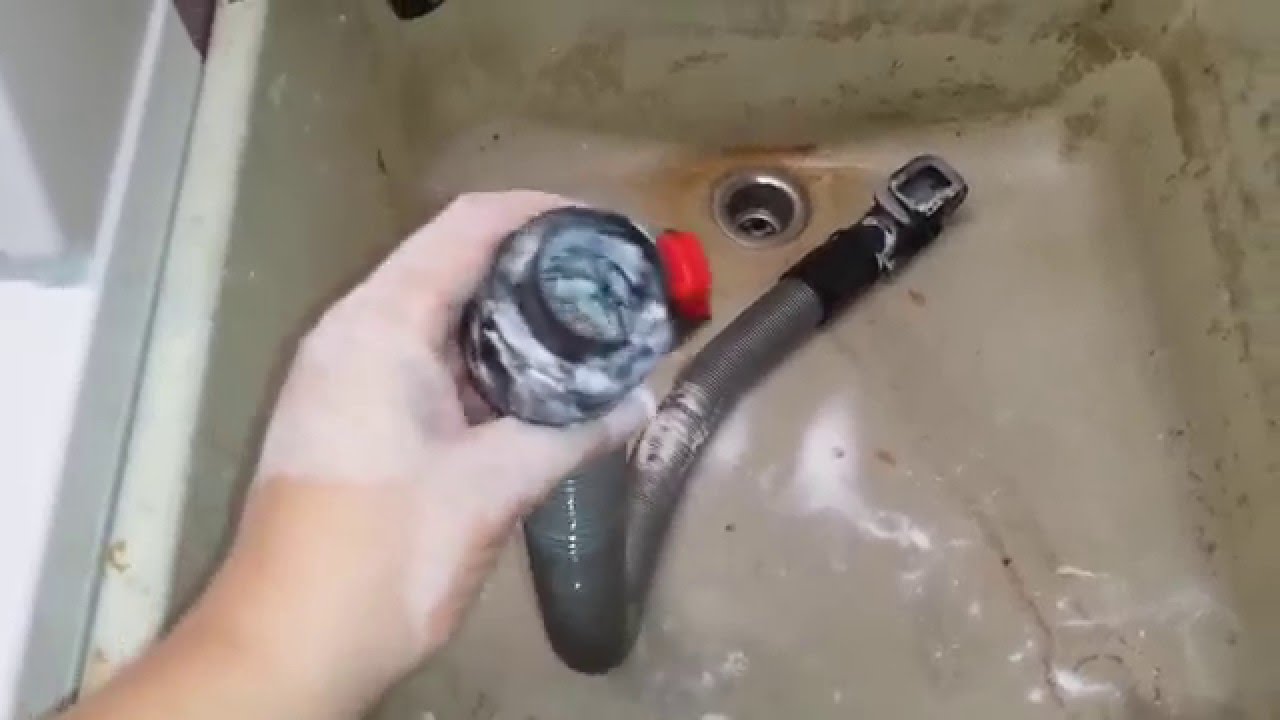
How to Clean a Vacuum Hose Without Water
Some vacuum hoses should not be soaked. This includes hoses with electrical wiring, control buttons, sensors, or integrated motorized attachments. For these hoses, use a dry cleaning method.
- Unplug the vacuum and detach the hose.
- Shake out loose debris.
- Use a flashlight to locate the blockage.
- Push debris out with a flexible plastic tool or wooden dowel.
- Brush the inside with a dry bottle brush.
- Wipe the outside with a slightly damp cloth.
- Leave the hose disconnected until all surface moisture is gone.
Never pour water into a hose unless the manufacturer says it is safe. When in doubt, choose the dry method. It may take longer, but it reduces the risk of electrical damage.
A can of compressed air can help with loose dust, but use it carefully. Air may push debris into another part of the vacuum. Wear eye protection if you use compressed air, especially when the hose contains fine dust or pet hair.
How to Clean a Vacuum Hose With a Deep Clog
A deep clog often feels like a hard lump inside the hose. It may contain paper, pet hair, fabric, or a small object. Start at both ends rather than pushing from only one direction.
Place the hose flat and gently press the outside near the blockage. This can loosen compacted dust. Then use a flexible brush from the closest opening.
For a stubborn clog, try these steps:
- Identify which end is wider.
- Insert a flexible brush through the wider opening.
- Turn the hose as you work.
- Pull the debris toward the opening.
- Shake out the loosened material.
- Repeat from the opposite end if needed.
Some people connect another vacuum to the blocked hose to pull debris out. This can work for light dust, but it may not remove a hard object. It can also spread contaminated dust if the second vacuum has a poor filter. Use this method only with care and avoid connecting machines that are not designed for it.
If the blockage will not move, do not keep forcing it. A service technician can inspect the hose without causing damage.

How to Clean a Vacuum Hose That Smells
A bad smell usually comes from trapped organic material, damp dust, pet hair, or a dirty filter. Cleaning the hose may help, but the odor can return if the source remains in the vacuum body.
First, remove visible debris and wash the hose only if it is water-safe. A small amount of mild dish soap can remove greasy residue. Rinse well and dry the hose fully.
Avoid pouring bleach, ammonia, disinfectant, or strong fragrance products into the hose. These chemicals may damage rubber and plastic. Their fumes can also move through the room when the vacuum runs.
Check these parts as well:
- The dust bag or dirt bin
- The pre-motor filter
- The exhaust filter
- The brush roll
- The floor head
- Any wet debris inside the air path
If a musty smell continues after everything is clean and dry, the filter may need replacement. Some odor can also come from mold or moisture inside a part that is not designed to be opened.

Common Mistakes to Avoid
Knowing how to clean a vacuum hose also means knowing what not to do. Many hose problems begin with a cleaning method that is too rough or too wet.
Avoid these mistakes:
- Cleaning the hose while the vacuum is plugged in
- Soaking a hose that contains electrical parts
- Using boiling water
- Pushing a sharp metal tool through the hose
- Reconnecting the hose while it is damp
- Using bleach or harsh chemical cleaners
- Ignoring cracks and loose connections
- Pulling hard on the hose when removing it
- Running the vacuum with a blocked air path
A blocked vacuum can overheat because air cannot move as it should. Many modern vacuums have thermal protection, but that safety feature is not a reason to keep using a clogged machine.
Also avoid forcing large debris through a narrow bend. It may become wedged more tightly. Pulling the object back toward the opening is usually safer than pushing it deeper.

How Often Should You Clean a Vacuum Hose?
The right schedule depends on how often you vacuum and what you clean. A home with pets, children, or fine dust may need more frequent care.
As a general guide:
- Inspect the hose once a month.
- Check for clogs whenever suction drops.
- Clean the hose every three to six months if it is used often.
- Clean it sooner after vacuuming wet debris or fine construction dust.
- Inspect the hose after picking up small objects, paper, or pet litter.
Do not wait for a complete blockage. Early cleaning is easier and places less strain on the motor. It also helps you spot a split hose before the damage becomes worse.
Homes with allergies may need a more careful routine. Empty the dust bin outdoors when possible, wear a mask during dusty work, and wash your hands after handling used filters or debris. The U.S. Environmental Protection Agency notes that controlling indoor dust involves regular cleaning and reducing sources of airborne particles.
When to Replace a Vacuum Hose
Cleaning cannot repair every hose. Replace the hose if it has a major split, crushed section, melted area, or damaged connector.
A small external crack may seem harmless, but it can reduce suction. To check for an air leak, run the vacuum and listen for a hiss. You can also feel for escaping air around the hose, but keep fingers away from moving parts.
Replacement is usually better than repair when:
- The hose collapses during use.
- The connector no longer locks in place.
- The inside has a deep tear.
- Electrical wires are visible.
- The hose remains blocked after careful cleaning.
- The vacuum loses suction even after filters and seals are checked.
Use a hose made for your exact model when possible. An incorrect hose may fit loosely, restrict airflow, or prevent safety features from working correctly.
Extra Tips for Better Vacuum Performance
A clean hose works best when the rest of the vacuum is also maintained. Airflow is like a road system. If one section is blocked, the whole system slows down.
Use these habits:
- Empty the dirt bin before it reaches the maximum fill line.
- Replace disposable bags when they are full.
- Wash reusable filters only when the manual permits it.
- Replace filters that are damaged or permanently clogged.
- Cut hair from the brush roll with scissors.
- Check floor-head openings for coins, socks, and paper.
- Store the hose without sharp bends.
- Keep the vacuum in a dry place.
- Do not vacuum liquids with a regular dry vacuum.
Manufacturers often list filter cleaning and replacement intervals in the manual. Follow those instructions over a general schedule because filter materials and motor designs differ.
My biggest practical lesson is simple: clean the hose before taking apart the vacuum body. It is fast, low risk, and often solves the problem. If suction does not improve, move on to the filter, brush roll, seals, and motor airflow path.
Frequently Asked Questions About How to Clean a Vacuum Hose
Can I wash every vacuum hose with water?
No. Some hoses contain electrical wires, switches, or sensors and should not be soaked. Check the owner’s manual, and use a dry brush and cloth method if the instructions are unclear.
How long should a vacuum hose dry?
A washed hose usually needs at least 24 hours to dry fully. Keep it open in a warm, well-ventilated area, and do not reconnect it while any moisture remains.
What is the best tool for a clogged vacuum hose?
A flexible bottle brush or plastic cleaning rod is usually safer than a metal tool. Choose a tool that can bend through the hose without cutting or stretching the inner wall.
Why does my vacuum still have weak suction after I clean the hose?
The filter, dust bag, dirt bin, brush roll, floor head, or hose seal may still be blocked or damaged. Check each airflow point and look for cracks that allow air to escape.
Can I use vinegar to remove a vacuum hose smell?
Vinegar may leave its own odor and is not approved for every hose material. Mild dish soap and clean water are safer for water-safe hoses, while dry brushing is better for hoses with electrical parts.
How often should I clean a vacuum hose?
Inspect it monthly and clean it every three to six months if you use the vacuum often. Clean it immediately if suction drops, the vacuum smells unusual, or you accidentally pick up damp debris.
Conclusion
Learning how to clean a vacuum hose is a simple way to improve airflow and protect your vacuum. Disconnect the machine, remove debris gently, wash only water-safe hoses, and allow every part to dry completely before reconnecting it.
Check the filters, brush roll, dust container, and seals if the problem continues. Start with a careful hose inspection today, and share your own cleaning tips or vacuum questions in the comments.

