

An upright vacuum usually uses about 500 to 1,500 watts, with many models landing near 700 to 1,200 watts.
If you have ever checked the label on a vacuum and felt a little confused, you are not alone. The wattage of an upright vacuum tells you a lot about power use, but not always everything about cleaning performance. In this guide, I will break down what upright vacuum watts really mean, how much electricity they use, and how to choose the right one for your home without wasting energy or money.
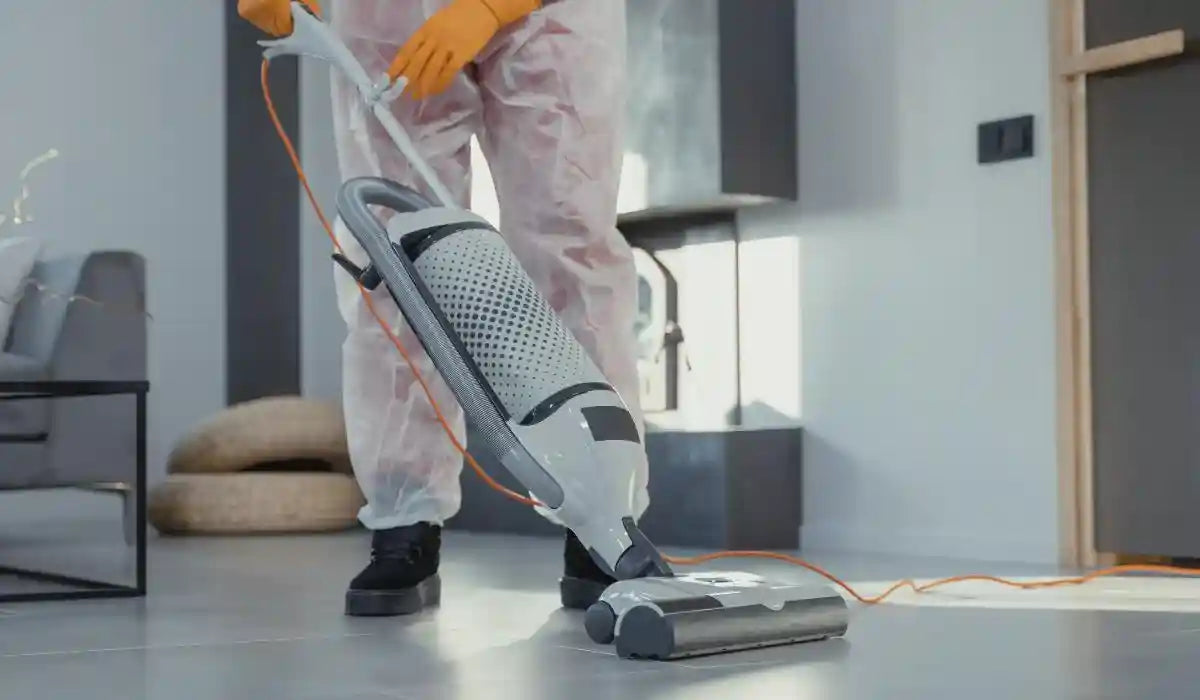
What Does Wattage Mean on an Upright Vacuum?
Wattage is the amount of electrical power a vacuum uses while running. In simple terms, it shows how much energy the motor pulls from the outlet.
A higher watt number can mean a stronger motor, but it does not always mean better cleaning. Airflow, suction design, brush roll, seals, and filtration all affect how well an upright vacuum performs. I have seen some mid-watt models clean better than older high-watt ones just because the whole design was smarter.
For upright vacuums, wattage is often listed on the motor label or in the product specs. In the U.S., many modern models are designed to use less power than older vacuums while still cleaning well.
How Many Watts Does an Upright Vacuum Use on Average?
Most upright vacuums use between 500 and 1,500 watts. Standard full-size models often sit around 800 to 1,200 watts.
Here is a simple breakdown:
- Light-duty upright vacuums: about 500 to 800 watts
- Mid-range upright vacuums: about 800 to 1,200 watts
- High-power upright vacuums: about 1,200 to 1,500 watts
Older vacuums, especially heavy-duty ones, may use even more. Newer models often aim for better efficiency, so they can clean well without needing extreme wattage.
If you are comparing models, do not look at watts alone. Two vacuums with the same wattage can perform very differently depending on the motor, airflow path, and brush design.

What Affects the Wattage of an Upright Vacuum?
Several factors change how many watts an upright vacuum uses. The motor is the biggest one, but it is not the only one.
Common factors include:
- Motor size: Bigger motors usually draw more power.
- Suction design: A well-sealed system can clean well with fewer watts.
- Brush roll type: Powered brush rolls can add to power use.
- Filtration system: HEPA and advanced filters may create more resistance.
- Bagged vs. bagless design: Airflow differences can affect efficiency.
- Extra features: Lights, self-propel drives, and pet tools can increase draw.
I learned this the hard way when testing vacuums for carpeted homes. One model had a lower watt rating than another, but it picked up more pet hair because the airflow was more efficient and the brush roll was better designed.
How Much Electricity Does an Upright Vacuum Use?
To estimate electricity use, you need the wattage and how long you clean. The math is simple.
Electricity use in kilowatt-hours, or kWh, is:
- Watts ÷ 1,000 = kilowatts
- Kilowatts × hours used = kWh
Example:
If an upright vacuum uses 1,000 watts and you run it for 1 hour, it uses 1 kWh.
If your vacuum uses 900 watts and you use it for 30 minutes:
- 900 ÷ 1,000 = 0.9 kW
- 0.9 × 0.5 hours = 0.45 kWh
That is usually not a huge amount of electricity. For most homes, vacuuming is a small part of the monthly power bill.
Upright Vacuum Watts vs Cleaning Power
A lot of people assume more watts always means better suction. That is not really true.
Watts measure power use, not cleaning quality by themselves. A well-engineered 900-watt upright vacuum can clean better than a poorly designed 1,400-watt model.
What matters most is the whole system:
- Airflow
- Suction seal
- Brush roll speed
- Carpet agitation
- Nozzle design
- Filter resistance
Think of it like a car engine. A bigger engine does not always make a car better for city driving. The same idea applies to an upright vacuum.
Is a Higher-Watt Upright Vacuum Better?
Not always. A higher-watt upright vacuum can be helpful for thick carpet, heavy debris, or pet hair, but it may also use more energy.
Here is when higher wattage can help:
- Thick or high-pile carpet
- Homes with multiple pets
- Large messes and deep dirt
- Older carpet that traps dust
Here is when lower wattage can still be enough:
- Hardwood or tile floors
- Small apartments
- Light weekly cleaning
- Homes that mainly need surface pickup
I usually tell people to match the vacuum to the floor type first. That matters more than chasing the highest number on the box.
How Much Does an Upright Vacuum Cost to Run?
The cost depends on your local electricity rate. In many U.S. areas, electricity averages around 15 to 20 cents per kWh, though rates can be higher or lower.
Let us use 16 cents per kWh as an example:
- 800-watt vacuum for 1 hour = 0.8 kWh
- 0.8 × $0.16 = about 13 cents
For a 1,200-watt vacuum used 1 hour:
- 1.2 kWh × $0.16 = about 19 cents
If you vacuum once or twice a week, the monthly cost is usually pretty small. Even a high-watt upright vacuum often adds only a few dollars a month at most.
How to Find the Wattage of Your Upright Vacuum
If you already own a vacuum, finding the wattage is usually easy.
Check these places:
- The product label near the motor housing
- The back or bottom sticker
- The user manual
- The manufacturer’s product page
- The power rating printed on the plug or cord tag
If you cannot find watts, sometimes the vacuum lists amps instead. You can estimate watts by multiplying amps by volts.
For example:
- 10 amps × 120 volts = 1,200 watts
That is a common way to estimate power use for U.S. household vacuums.
Does Lower Wattage Mean Energy Efficient?
Often, yes, but not always. Lower wattage can mean less electricity use, but only if the vacuum still cleans well enough in one pass.
A truly efficient upright vacuum does three things well:
- Uses power wisely
- Picks up dirt fast
- Avoids repeated passes
If a low-watt vacuum forces you to vacuum the same area three times, it may not save energy in real life. The best choice is a model that balances power, design, and cleaning speed.
Tips for Choosing the Right Upright Vacuum Wattage
Choosing the right wattage depends on your home and habits. I always recommend thinking about your flooring, pets, and how often you clean.
Use these tips:
- Choose 700 to 1,000 watts for average homes with mixed flooring
- Choose 1,000 to 1,500 watts for thick carpet and pet hair
- Choose lower wattage if you mostly clean hard floors
- Look at suction and airflow, not watts alone
- Check if the vacuum has height adjustment for carpet
- Read real user reviews for cleaning performance
A vacuum is a tool, not a trophy. The smartest buy is the one that fits your home instead of just looking powerful on paper.
Common Mistakes People Make When Comparing Vacuum Watts
A lot of shoppers focus on watts and miss the details that matter most.
Common mistakes include:
- Assuming more watts always mean stronger suction
- Ignoring carpet type and floor type
- Forgetting that brush rolls affect pickup
- Overlooking weight and maneuverability
- Not checking energy use over time
I have seen people buy a heavy, high-watt upright vacuum because they thought it would “do it all.” Then they found it hard to push, too loud, or worse on hard floors. A little research saves a lot of regret.
Frequently Asked Questions of How many watts does an upright vacuum use?
How many watts does a typical upright vacuum use?
A typical upright vacuum uses about 800 to 1,200 watts. Smaller or more efficient models may use less, while heavy-duty models can use more.
Is 1,200 watts a lot for an upright vacuum?
No, 1,200 watts is pretty common for a standard upright vacuum. It is strong enough for many homes, especially those with carpet or pets.
How many watts does an upright vacuum use per hour?
If an upright vacuum uses 1,000 watts, it uses 1 kilowatt-hour in one hour. To estimate cost, multiply that by your electric rate.
Do higher-watt vacuums clean better?
Not always. Cleaning performance depends on suction design, airflow, and brush roll quality, not wattage alone.
How many watts does an upright Dyson vacuum use?
Many upright-style Dyson vacuums use less power than older high-watt models because they rely on efficient motor and airflow design. Exact wattage varies by model, so it is best to check the product specs.
Can I use a lower-watt vacuum on carpet?
Yes, if the vacuum has strong suction and a good brush roll. For thick carpet, though, you may want a more powerful model or one with adjustable height settings.
Conclusion
An upright vacuum usually uses between 500 and 1,500 watts, and the best choice depends on your floors, cleaning needs, and energy goals. Watts give you a useful clue, but they do not tell the whole story about suction, performance, or efficiency.
If you want the best results, compare wattage with airflow, brush design, and real-world cleaning reviews. That simple habit can help you pick a vacuum that cleans well, runs efficiently, and fits your home with less frustration. If you found this guide helpful, keep learning, compare a few models, and leave a comment with the vacuum wattage you are seeing on your own machine.


1 Comment
Pingback: How Much Electricity Does An Upright Vacuum Use: Save Power - Vacuum Cleaner Tips