

Most upright vacuum filters should dry for 24 to 48 hours before reuse.
If you wash an upright vacuum filter too soon and put it back damp, you can trap moisture, reduce suction, and even invite mold. I’ve seen that happen more than once in real cleaning routines, and the fix is simple: give the filter enough time to dry fully, then reinstall it only when it feels completely dry to the touch. In this guide, I’ll walk you through the right drying time for different filter types, what affects that time, and the small mistakes that can shorten your vacuum’s life.
How long should an upright vacuum filter dry?
The safest answer is usually 24 to 48 hours. That range works for many upright vacuum filters, especially foam, felt, and washable HEPA-style filters. If the room is humid, the filter is thicker, or air flow is poor, drying can take longer.
Some manufacturers say the filter must dry completely before use, and that matters more than any fixed clock time. A filter can feel dry on the outside and still hold moisture inside, like a sponge that looks fine but is still wet in the middle. That hidden dampness can damage the vacuum or spread a musty smell.
In my own experience, the biggest mistake is rushing the process. I once reassembled a vacuum after only half a day because the filter felt “almost dry.” The machine lost suction fast, and I had to take it apart again. Since then, I always wait until the filter is fully dry, not just mostly dry.

Why filter drying time matters
A dry filter helps your vacuum breathe properly. Air can move through it the way it should, so the motor does not work as hard. That means better suction and less strain on the machine.
A wet filter can also cause problems you may not notice right away. Moisture can lead to bad odors, dust clumping, and reduced cleaning power. In some cases, it may even shorten the life of the vacuum.
Here’s why waiting matters:
- Better suction because air flows freely through a dry filter
- Less odor since moisture does not sit inside the vacuum
- Lower mold risk because damp spots do not stay trapped
- Longer motor life because the machine is not overworked
- Cleaner results because dust is captured the way it should be

What affects how long an upright vacuum filter takes to dry?
Drying time is not the same for every vacuum. The material, thickness, and room conditions all change how fast the filter dries. A thin foam filter may dry in a day, while a dense HEPA filter may need longer.
Filter type
Different filter materials hold water in different ways. Foam filters dry faster than paper-based or dense HEPA filters. Washable filters often need more time because they are built to trap fine dust, and that same structure can hold moisture longer.
Room humidity
A humid room slows drying. If the air already holds a lot of moisture, the water in the filter has fewer places to go. Drying indoors on a rainy day can take much longer than drying in a warm, dry room.
Air circulation
Good airflow helps a lot. A well-ventilated room, a fan, or an open window can speed up drying. Just avoid direct heat from a radiator, oven, or hair dryer, because that can warp or damage the filter.
Filter thickness and dirt buildup
Thicker filters or very dirty filters take longer to dry. If a filter was packed with dust before washing, it may hold more water after cleaning. That is why a careful rinse and gentle squeeze can make a real difference.
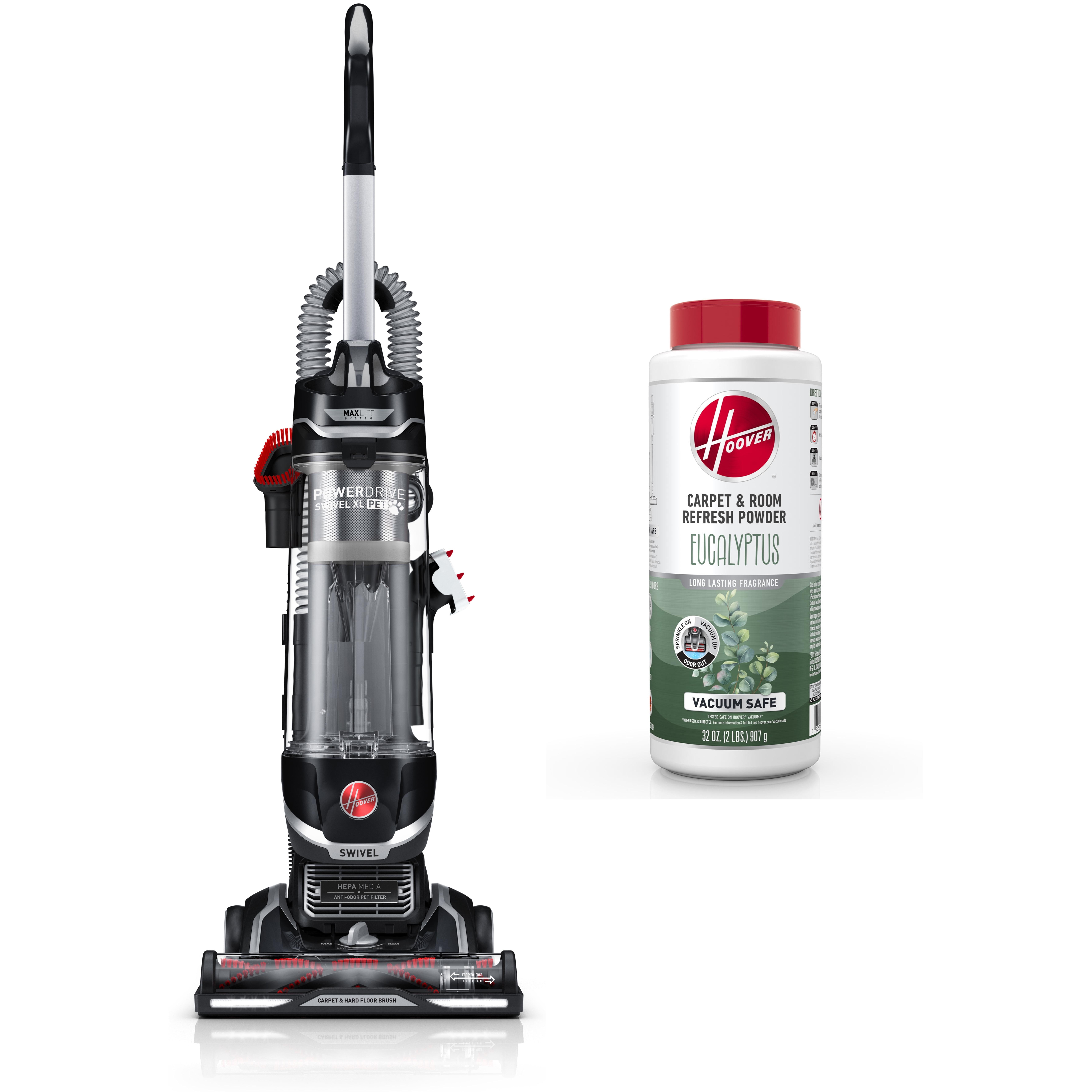
Step-by-step: how to dry an upright vacuum filter the right way
Drying a vacuum filter is easy, but it needs patience. The goal is to remove water gently and let air do the rest. Think of it like drying a sponge in the sun, not baking it in the oven.
-
Turn off and unplug the vacuum
Safety comes first. Always remove the filter only after the vacuum is off and unplugged. -
Rinse or wash the filter as directed
Use only the cleaning method listed by the manufacturer. Some filters are washable, while others should never touch water. -
Shake off extra water
Gently tap or shake the filter to remove excess water. Do not twist it hard, since that can damage the shape. -
Press with a clean towel
Wrap the filter in a dry towel and press lightly. This helps pull out surface moisture without crushing the material. -
Set it in a dry, open place
Place it on a clean shelf or counter with good airflow. Let air reach all sides if possible. -
Wait until it is fully dry
Most filters need 24 to 48 hours, but some need more. Do not reinstall it until every part feels dry.

Signs your vacuum filter is not fully dry
Sometimes a filter looks ready before it really is. That is where problems begin. A quick check can save you from low suction and musty smells.
Look for these signs:
- Cool or damp spots when you touch the filter
- A heavy feel compared with a dry filter
- A faint mildew or wet cloth smell
- Darker color in the middle or near the seams
- Sticky dust inside the vacuum after reassembly
If you notice any of these, give it more time. I have found that even an extra few hours can make the difference between “fine” and “fully ready.”
What happens if you use a damp vacuum filter?
Using a damp filter is one of those small mistakes that can create bigger problems later. The vacuum may sound different, lose suction, or push out a damp smell. In a worst-case scenario, trapped moisture can lead to mold growth inside the machine.
Here is what can happen:
- Reduced suction because air cannot move well
- Unpleasant odor from trapped moisture
- Dust clumping inside the filter or dust bin
- More wear on the motor from restricted airflow
- Possible mold or mildew in the vacuum body
If you ever reinsert a filter and notice a strange smell soon after, remove it and let it dry longer. It is much easier to fix early than after the machine gets musty.
Best drying practices for long-lasting vacuum care
A little care goes a long way with an upright vacuum. The filter is a small part, but it plays a big role in how well the whole machine performs. I always tell people to treat the filter like the lungs of the vacuum.
Use these best practices:
- Wash filters only as often as the manual recommends
- Let every washable part dry before reassembly
- Keep a spare filter if your vacuum model allows it
- Clean filters in a low-dust area so they do not recontaminate
- Check for wear, tears, or permanent discoloration during cleaning
If your vacuum has a washable HEPA filter, follow the brand instructions closely. Some HEPA filters are washable, but many are not. When in doubt, do not guess.
How to speed up drying without damaging the filter
You do not need heat to dry a vacuum filter faster. In fact, heat is usually the wrong move. Gentle airflow is safer and often faster in the long run.
Try these simple methods:
- Place the filter near a fan
- Set it in a room with low humidity
- Leave space around it for air to move
- Rotate it once or twice so both sides dry evenly
- Use a clean towel to remove extra moisture first
Avoid these mistakes:
- Do not use a hair dryer on high heat
- Do not place it in direct sunlight unless the manufacturer allows it
- Do not reinstall it while it still feels cool or soft from moisture
- Do not wring or twist it hard
How often should you wash an upright vacuum filter?
That depends on how often you vacuum and how dirty your home gets. For many households, washing a filter every 1 to 3 months is a common routine. Homes with pets, lots of dust, or heavy foot traffic may need more frequent cleaning.
A good rule is to check the filter regularly instead of waiting for a problem. If suction drops, odors start, or the filter looks gray and packed with dust, it is probably time to clean it. Keeping up with maintenance also makes drying easier because the filter is less clogged.
Frequently Asked Questions of How long should an upright vacuum filter dry?
Can I use a vacuum filter after 12 hours of drying?
Sometimes a thin foam filter may be dry by then, but 12 hours is often not enough. The safest choice is to wait until the filter is completely dry, which is usually 24 to 48 hours.
How do I know when my vacuum filter is fully dry?
It should feel dry to the touch, smell neutral, and feel light again. Check the inside folds and seams too, because moisture often hides there.
Can I dry a vacuum filter in the sun?
You can if the manufacturer says it is safe, but strong sun is not always best. Too much heat or direct UV exposure can damage some filter materials over time.
What happens if I put a wet HEPA filter back in the vacuum?
The vacuum may lose suction and develop a damp smell. In some cases, trapped moisture can encourage mold or mildew, especially if the filter stays wet for hours inside the machine.
Should I use heat to dry my vacuum filter faster?
No, heat is usually not recommended. Gentle air drying is safer and lowers the risk of warping, shrinking, or damaging the filter material.
Can I wash every upright vacuum filter?
No, not every filter is washable. Always check the vacuum manual first, because some filters are designed to be replaced, not rinsed with water.
Conclusion
The answer to how long should an upright vacuum filter dry is usually 24 to 48 hours, but the real rule is simple: wait until it is fully dry. That small step protects suction, reduces odor, and helps your vacuum last longer. If you build the habit of drying filters the right way, you will spend less time fixing problems and more time getting a cleaner home.
If you want your vacuum to perform its best, treat filter care as part of regular maintenance, not an afterthought. Check your manual, use gentle drying methods, and never rush the process. If this guide helped, explore more home care tips and share your own filter-drying routine in the comments.

