

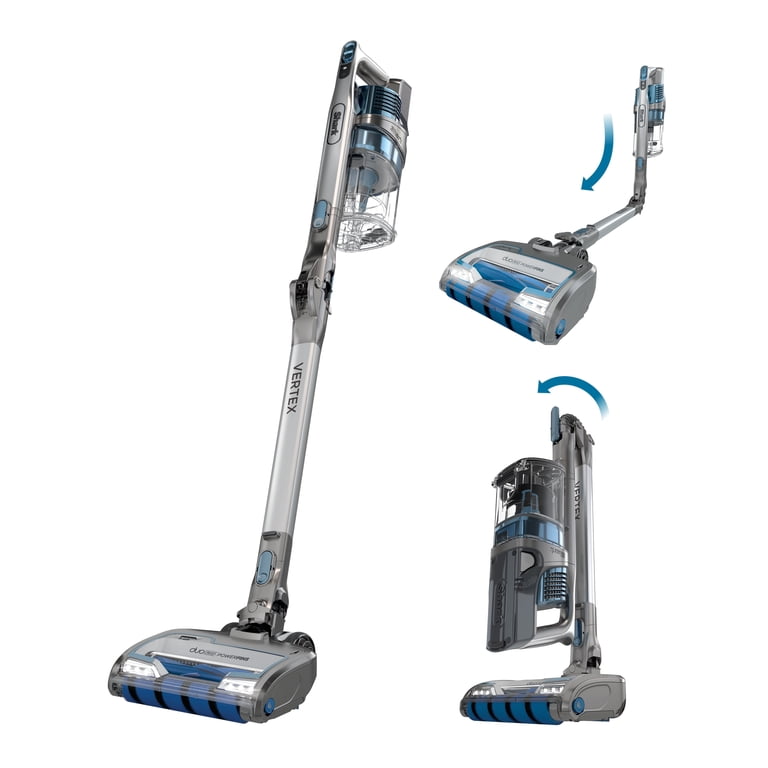
The Shark Vertex vacuum is a popular choice for homes that need strong cleaning power, especially for people with pets or allergies. But if you are thinking about buying one, or already own one, you might ask: How long does Shark Vertex last? This is an important question because a vacuum is an investment. You want to know that your money will go far and that your device will keep working well for years. In this article, we will explore the real-life lifespan of the Shark Vertex, what affects its durability, signs it may need replacing, and how you can make it last as long as possible. You will also find tables and expert tips to help you get the most from your vacuum.
Average Lifespan Of The Shark Vertex
Most users can expect the Shark Vertex vacuum to last between 5 and 8 years with normal use. This range comes from user reviews, expert tests, and warranty data. Some users report their Vertex working well for more than eight years, especially when they follow proper maintenance. On the other hand, heavy use or neglect can cut the life down to just a few years.
To put this into perspective, consider that the industry average for upright vacuums is about 5-7 years. The Shark Vertex is at the upper end of this range. Its DuoClean and PowerFins technologies are built for durability, but like any machine, how you use and care for it makes a big difference.
Key Factors That Affect The Lifespan
Several things can make your Shark Vertex last longer or wear out faster. Let’s look at the main points.
1. Frequency Of Use
If you vacuum every day, the motor and brush rolls will wear out faster than in a home where the vacuum is used once a week. High-traffic homes, large houses, or those with pets and children put more demand on the machine.
2. Maintenance Habits
Regular cleaning of filters, brush rolls, and dustbins is essential. Failing to clean the filter leads to reduced suction and overheating, which can cause permanent damage.
3. Type Of Flooring
The Shark Vertex is designed for both carpets and hard floors. However, thick carpets and large debris can put extra strain on the motor and brush.
4. Storage Conditions
A vacuum stored in a damp or dusty area may develop rust or electrical problems. Keeping your Vertex in a clean, dry spot can add years to its life.
5. Replacement Parts Quality
Using original Shark parts for filters and belts is important. Cheaper third-party parts can fit badly or wear out quickly, causing more damage.
6. Model Variations
There are several versions of the Shark Vertex, including upright, cordless, and lift-away models. Cordless versions depend on battery health, which can be a limiting factor.

How Does Shark Vertex Compare To Other Vacuums?
To help you see where Shark Vertex stands, here is a comparison with other popular vacuum brands:
| Brand & Model | Average Lifespan | Warranty | Notable Feature |
|---|---|---|---|
| Shark Vertex | 5-8 years | 5 years | DuoClean + PowerFins |
| Dyson Ball Animal 2 | 7-10 years | 5 years | Radial Root Cyclone |
| Bissell CleanView | 4-6 years | 3 years | Multi-Cyclonic System |
| Hoover WindTunnel | 5-7 years | 3 years | WindTunnel Technology |
| Eureka PowerSpeed | 3-5 years | 2 years | Lightweight Design |
This table shows that the Shark Vertex is competitive in its class, with a strong warranty and good expected lifespan for the price.
Signs Your Shark Vertex Needs Replacement Or Repair
Even the best vacuums need attention over time. Watch for these signs that your Vertex may need repair or replacement:
- Loss of suction even after cleaning filters and dustbin
- Strange noises from the motor or brush roll
- Burning smell during use
- Brush roll not spinning
- Frequent overheating or automatic shut-offs
- Battery not holding charge (for cordless models)
If you notice any of these problems, try basic troubleshooting first: clean all parts, check for clogs, and replace filters. If issues continue, it may be time for professional repair or, if the unit is older, consider replacing it.
Expert Tips To Extend Your Shark Vertex’s Life
With good habits, you can make your Shark Vertex last much longer than average. Here are some practical tips:
Clean Filters Regularly
The Vertex has both foam and HEPA filters. Wash foam filters every month and HEPA every 6-12 months, or as needed. Let them dry completely before reinstalling.
Empty The Dustbin Frequently
Don’t wait until the dustbin is packed. Empty it after every use or when it’s about two-thirds full to keep suction strong and avoid motor strain.
Check The Brush Roll
Remove hair and string from the brush roll at least once a month. This helps prevent jams and improves cleaning efficiency.
Replace Parts On Schedule
- Belts: Replace every 6-12 months or when worn.
- Filters: Follow the manufacturer’s schedule.
- Brushes: Replace if bristles are bent or missing.
Store Properly
Keep your vacuum in a dry, indoor area. Avoid basements or garages where it could be exposed to moisture.
Use The Right Settings
For thick carpets, use the correct floor setting. For hard floors, switch off the brush roll if possible. Using the wrong mode can cause unnecessary wear.
Avoid Large Debris
Don’t use the Shark Vertex to vacuum up large, hard objects. These can damage the brush or clog the hose.
Battery Life For Cordless Shark Vertex Models
Cordless versions, like the Shark Vertex Cordless, have a different lifespan concern: the battery. Most lithium-ion batteries will last about 2-4 years before losing capacity.
Here’s a quick reference for battery lifespan and replacement cost:
| Model | Battery Type | Average Battery Life | Replacement Battery Cost |
|---|---|---|---|
| Shark Vertex Cordless | Lithium-ion | 2-4 years | $60-$90 |
| Dyson V11 | Lithium-ion | 3-5 years | $95-$130 |
| Bissell ICONpet | Lithium-ion | 2-3 years | $60-$80 |
If your battery no longer holds a charge, you can buy a replacement from Shark’s website or authorized dealers. Using the correct charger and avoiding complete battery drain will help the battery last longer.
Real-life User Experiences
Many Shark Vertex owners report positive experiences with the vacuum’s durability. For example, one long-term user shared that their Vertex still performed like new after five years, thanks to regular filter cleaning and careful use. Another owner mentioned that their brush roll lasted three years before needing replacement due to pet hair buildup, which is common in homes with several animals.
However, some users find their Vertex develops problems after three or four years, especially if they do not follow the recommended maintenance schedule. In most cases, these issues are linked to clogged filters, blocked hoses, or worn-out belts—not to failure of the main motor or body.
A less obvious insight: people often overlook cleaning the air path inside the vacuum. Dust can build up here and cause loss of suction, even when the filters seem clean. Checking and clearing these internal paths once a year can add years to your Vertex’s life.
Cost Of Ownership Over Time
Let’s break down the expected costs you might face over the lifespan of a Shark Vertex:
| Item | Frequency | Estimated Cost | Total Over 6 Years |
|---|---|---|---|
| Replacement Filters | Annually | $18 | $108 |
| Replacement Belt | Every 2 years | $15 | $45 |
| Brush Roll | Every 3 years | $30 | $60 |
| Battery (Cordless) | Every 3 years | $75 | $150 |
These numbers show that, compared to buying a new vacuum every few years, maintaining your Vertex is cost-effective. Most parts are easy to replace at home, saving money on professional repairs.
When Should You Replace Your Shark Vertex?
Even with the best care, there comes a time when repair costs outweigh the value of keeping an old vacuum. Here are some signs it’s time to buy a new one:
- The motor is failing or makes loud noises even after repair
- The cost of replacing multiple parts (motor, battery, brush roll) is more than half the price of a new unit
- The vacuum no longer cleans well, and repairs don’t help
- You want new features, like improved filtration or lighter weight
If your vacuum is under warranty, contact Shark customer service. They may offer free repairs or a replacement.
Frequently Asked Questions
How Often Should I Replace The Filters In My Shark Vertex?
You should wash the foam filter every month and replace the HEPA filter every 6-12 months, depending on use. If you have pets or allergies, check and clean more often.
Can I Use Generic Replacement Parts?
It’s best to use official Shark parts. Generic parts can fit poorly and may not last as long, possibly reducing your vacuum’s performance.
What Should I Do If My Shark Vertex Loses Suction?
Check for clogs in the hose, clean or replace filters, and empty the dustbin. If the problem continues, inspect the brush roll for tangled hair or string.
How Long Is The Shark Vertex Warranty?
Most Shark Vertex models come with a 5-year limited warranty. This covers defects in materials and workmanship but not damage from misuse.
Where Can I Find Official Shark Replacement Parts?
Buy directly from Shark’s official website or authorized retailers. For more information about the brand and products, visit the Shark Clean official site.
A Shark Vertex vacuum can last many years if you take care of it. Regular cleaning, careful use, and timely replacement of parts are the keys to getting the most from your investment. By following the tips in this article, you’ll enjoy powerful cleaning and reliable performance for years to come.
If you keep up with maintenance and use high-quality parts, your Vertex can easily outlast cheaper vacuums and keep your home clean with less hassle.


