

You usually fix a canister vacuum brush by clearing blockages, cleaning belts, and replacing worn parts.
A canister vacuum brush that stops spinning can turn a simple cleaning job into a frustrating one fast. I’ve worked through enough vacuum repairs to know the problem is often smaller than it looks, and the fix is usually very doable at home with a little patience. In this guide, I’ll walk you through how to fix a canister vacuum brush step by step, what causes the issue, and how to tell when a repair is better than a replacement.

Why a canister vacuum brush stops working
A canister vacuum brush, also called a power brush or brush head, helps lift dirt from carpet and rugs. When it stops working, the vacuum may still suck up dust, but the brush roll may not spin, may spin weakly, or may make strange noises.
The most common causes are simple. In my experience, it is usually one of these:
- A jammed brush roll from hair, string, or debris
- A stretched, cracked, or broken belt
- A clogged hose or air path
- A worn motor in the brush head
- A bad electrical connection in the wand, hose, or floor tool
- A height setting that is too low for the carpet
The good news is that many of these problems can be fixed without special training. The key is to check the brush head in a careful order so you do not miss the real cause.
Tools and safety before you start
Before you try to fix a canister vacuum brush, unplug the vacuum and disconnect the hose. If your model uses a battery pack or powered hose, make sure all power is off first. That sounds basic, but it prevents shock and saves you from accidental starts.
Keep these tools nearby:
- A screwdriver set
- Scissors or seam ripper for cutting wrapped hair
- A soft cloth
- A flashlight
- A replacement belt, if your model uses one
- A multimeter, if you want to test power flow
I always suggest taking a few photos before removing parts. It helps a lot when you put the brush head back together, especially if the assembly has clips, screws, or small spacers.
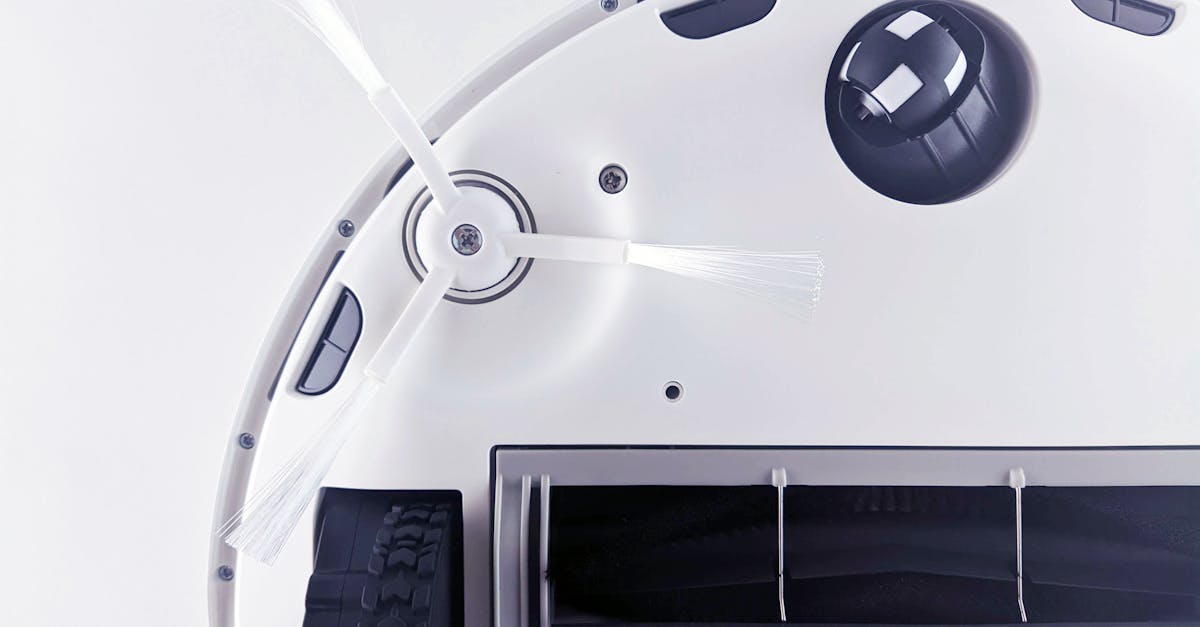
How do you fix a canister vacuum brush step by step
The best way to fix a canister vacuum brush is to start with the easiest checks and move toward the more technical ones. This saves time and helps you find the real issue instead of guessing.
1. Check for clogs in the hose and brush path
A blocked air path can make the brush seem weak or dead. Even if the brush motor is fine, poor airflow can reduce performance and sometimes cause the brush to stop under load.
What to do:
- Remove the hose from the canister
- Look through the hose for debris
- Use a flashlight to check the wand and floor head
- Clear out any trapped paper, lint, pet hair, or hard debris
One time, I thought a brush motor had failed on a canister vacuum. The real problem was a wad of dried leaves and thread deep in the wand. Once I cleared it, the brush ran normally again.
2. Remove hair and debris from the brush roll
Hair and string can wrap tightly around the brush roll and stop it from turning. This is one of the most common reasons a canister vacuum brush fails.
What to do:
- Flip the brush head over
- Remove the cover if your model has one
- Cut away wrapped hair and thread
- Pull out lint, carpet fibers, and string
- Spin the brush by hand to check if it turns freely
If the brush roll feels stiff, do not force it. A stuck roll may mean the bearings are dirty, the belt is jammed, or the end caps are worn.
3. Inspect the vacuum belt
If your canister vacuum brush uses a belt, this is one of the first parts to inspect. Belts stretch, crack, glaze, or snap over time. When that happens, the brush may not spin at all or may slip under load.
Look for these signs:
- Belt looks loose or shiny
- Belt has cracks or fraying
- Belt has slipped off the pulley
- Brush roll spins by hand but not during use
If the belt is damaged, replace it with the exact model type recommended for your vacuum. A belt that is too loose or too tight can shorten the life of the brush head.
4. Test the brush roll by hand
A healthy brush roll should spin smoothly. If it drags, squeaks, or stops quickly, something is wrong with the bearings or end caps.
Check for:
- Dirt packed into the ends
- Bent bristles
- Wobbling shaft
- Melted plastic from heat
- Rust or corrosion on the axle area
I have found that a brush roll that looks “mostly fine” can still be the problem. Even a small amount of wear can make the brush spin unevenly and reduce carpet cleaning power.
5. Examine the electrical connection
Many canister vacuums send power from the main unit to the brush head through the hose, wand, or handle. If that connection fails, the brush motor will not get power.
Check:
- The wand contacts
- The hose connector pins
- The floor head plug or terminal area
- Any visible wires for cracks or bends
If the vacuum runs but the brush does nothing, a broken wire or loose connection may be the cause. Use a multimeter if you know how, or ask a repair shop to test continuity and voltage.
6. Look at the brush motor
Some canister vacuum brushes have a motor inside the power head. If the motor is burned out, noisy, or hot to the touch, it may need replacement.
Common signs of motor trouble:
- Burning smell
- Buzzing with no rotation
- Intermittent spinning
- Excess heat from the brush housing
In my experience, motors fail less often than belts or clogs, but they do fail. If your brush head is old and replacement parts are easy to find, replacing the motor or the entire head may be the smarter move.
7. Check the height setting and floor type
Sometimes the brush is not broken at all. If the height setting is too low, the brush can dig into thick carpet and stall. If it is too high, it may barely touch the surface and seem weak.
Try adjusting the setting based on the floor:
- Low setting for bare floors or low-pile carpet
- Medium setting for standard carpet
- Higher setting for thick or shag carpet
This is one of those simple fixes people miss. I have seen users replace parts when all they needed was the right brush height.
8. Replace worn parts if needed
If cleaning does not solve the problem, replace the worn item. The usual replacement parts are:
- Brush belt
- Brush roll
- End caps or bearings
- Motor
- Electrical connector
- Full power brush head
If multiple parts are worn, replacing the entire brush head may save time and money. That is especially true on older models where parts are hard to source.
How to tell what kind of problem you have
Different symptoms point to different issues. A little detective work can narrow it down fast.
- Brush does not spin at all: check belt, power connection, motor, or a full jam
- Brush spins weakly: check for clogs, belt wear, or low power
- Brush makes noise but barely turns: check for debris, worn bearings, or a slipping belt
- Brush stops after a few seconds: look for overheating, blockage, or motor strain
- Brush works on hard floors but not carpet: adjust height or check carpet load
This is where experience helps. A vacuum brush often tells you what is wrong if you listen closely. A squeal usually means friction. A smell of hot rubber often points to the belt.
Repair tips that make the job easier
After fixing a lot of vacuum heads, I’ve learned that small habits prevent bigger repairs later. A brush that is cleaned and maintained regularly lasts much longer.
Helpful tips:
- Clean the brush roll every few weeks if you have pets
- Do not vacuum large debris that can jam the head
- Replace belts before they snap if your model wears them out often
- Keep the hose and wand clear
- Store the vacuum in a dry place to prevent corrosion
A canister vacuum brush is a lot like a bike chain. It works best when it is clean, aligned, and not under too much strain.
When repair is worth it and when it is not
Not every broken canister vacuum brush is worth fixing. If the vacuum is older, the parts are expensive, or the motor is failing, replacement may be the better choice.
Repair is usually worth it when:
- The problem is a clog, belt, or brush roll
- Replacement parts are easy to find
- The rest of the vacuum works well
- The vacuum is a midrange or high-end model
Replacement may be better when:
- The motor is burned out
- The brush head housing is cracked
- Parts cost nearly as much as a new unit
- The vacuum is already near the end of its service life
A trusted repair rule of thumb is simple: if the fix costs more than about half the price of a comparable new vacuum, think hard before spending more.

Frequently Asked Questions of How do you fix a canister vacuum brush?
Why is my canister vacuum brush not spinning?
The most common reasons are a jammed brush roll, a broken belt, or a lost electrical connection. Start by unplugging the vacuum and checking for tangled hair, debris, and belt damage.
Can I clean a vacuum brush without taking it apart?
Yes, sometimes you can remove most hair and debris from the outside, especially if the brush is exposed. But if the brush still does not spin well, you will usually need to open the head and inspect the belt and roll.
How often should I replace a vacuum belt?
It depends on use, but many belts need replacement every 6 to 12 months in busy homes. If the brush starts slipping, squealing, or losing power, replace the belt sooner.
Why does my vacuum brush work sometimes and then stop?
That often points to a loose belt, overheating motor, or a bad wire connection. It can also happen when the brush is overloaded by thick carpet or wrapped debris.
Is it safe to use a vacuum with a broken brush?
Yes, but only for bare floors or light pickup if the suction still works. On carpet, cleaning performance drops a lot, so it is better to fix the brush before relying on the vacuum.
Conclusion
Fixing a canister vacuum brush is usually a matter of checking the simple things first: clogs, hair buildup, belts, and power connections. Most of the time, the problem is not as serious as it seems, and a careful step-by-step repair can bring the brush back to life.
If you take your time, use the right parts, and listen for the warning signs, you can often save money and extend the life of your vacuum. Try the repair steps above, keep up with regular maintenance, and share your results or questions in the comments so others can learn from your fix.

