

Yes, upright vacuums can clean vinyl floors if the brush and settings are right.
Vinyl floors are a great mix of style, comfort, and easy care, but they still need the right cleaning tool to stay looking fresh. I’ve seen plenty of cases where an upright vacuum works well on vinyl, and I’ve also seen a few where the wrong model left tiny scratches or scattered debris instead of picking it up. If you want to know when an upright vacuum is a smart choice for vinyl floors, what features matter most, and how to avoid common mistakes, you’re in the right place.
How upright vacuums work on vinyl floors
Upright vacuums can clean vinyl floors very well, but only when they are designed for hard surfaces. Vinyl is smooth and durable, but it can still show scuffs, grit, and drag marks if a vacuum is too aggressive. The main thing to watch is the brush roll, since stiff bristles can be rough on softer vinyl finishes.
In simple terms, an upright vacuum is not the problem. The setup is. A model with a height adjustment, suction control, and a brush roll you can turn off is usually a much better match for vinyl flooring.
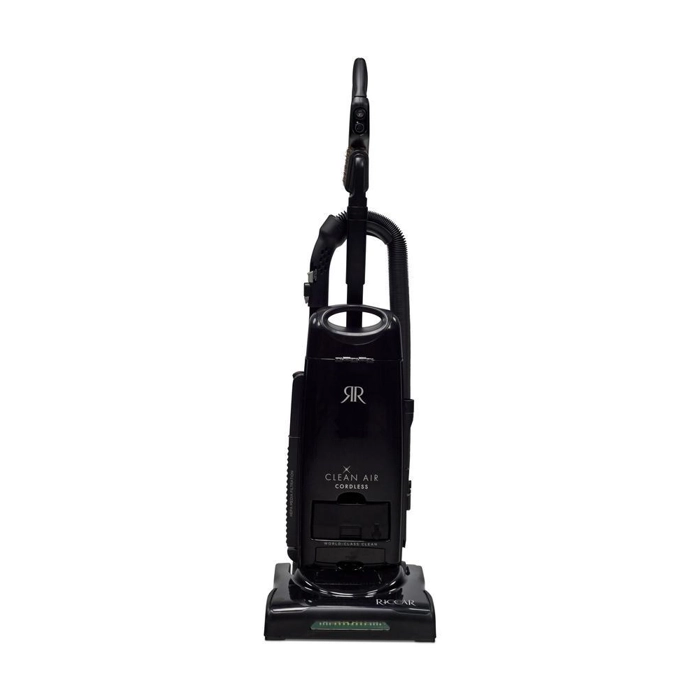 floors”
style=”max-width: 100%; height: auto; border: 2px solid black; border-radius: 10px; display: block; margin: 0 auto;”
loading=”lazy”
/>
Why vinyl floors need a careful cleaning approach
Vinyl flooring is tougher than it looks, but it is not indestructible. Fine dirt and sand act like sandpaper underfoot, so regular cleaning matters. At the same time, heavy agitation from the wrong vacuum can leave marks or wear down the finish over time.
Here’s why this matters:
• Loose grit can dull the surface if it sits too long
• A spinning brush can push debris around instead of lifting it
• Sharp wheels or rough edges can leave light scuffs
• Too much suction can make a vacuum hard to control on smooth floors
In my own experience, vinyl is one of those floors that rewards a gentle, consistent routine. Think of it like washing a car with a soft cloth instead of a scrub brush. You still get clean results, but with far less risk.

What makes an upright vacuum safe for vinyl floors
The best upright vacuums for vinyl floors usually have a few key features. These features make the vacuum easier to control and kinder to the surface.
Brush roll shutoff
A brush roll shutoff is one of the most important features for vinyl flooring. It lets the vacuum switch from carpet mode to hard floor mode without the bristles spinning against the floor. That means less risk of scuffing and less chance of debris being flung around.
Soft wheels
Soft, non-marking wheels help protect vinyl from tiny scratches. Hard plastic wheels can sometimes leave faint marks, especially on glossy finishes. This is a small detail, but it matters more than people think.
Adjustable suction
Strong suction is useful, but too much can make an upright vacuum feel stuck to smooth vinyl. Adjustable suction gives you more control and makes cleaning easier in open rooms and tight corners. It also helps when you move from rugs to bare floors.
Hard floor mode or multi-surface design
A vacuum that is built for both carpet and hard floors is usually a safer pick than a carpet-only model. Multi-surface uprights are made to handle different textures, so they tend to be more flexible for homes with vinyl throughout.

When an upright vacuum is a good choice for vinyl floors
An upright vacuum can be a smart option if your home has a mix of vinyl, rugs, and carpet. It saves time because you do not need to swap tools as often. That makes daily cleaning faster, especially in busy homes with kids, pets, or frequent foot traffic.
It is also a good choice if:
• You need to clean large open areas
• You want one vacuum for several floor types
• You deal with pet hair and tracked-in dirt
• You prefer a full-size vacuum over a small stick model
I’ve found upright vacuums especially helpful in homes where vinyl flooring runs through hallways and living spaces. They cover ground quickly, and when the machine has a proper hard floor setting, the results can be excellent.

When an upright vacuum is not the best option
Not every upright vacuum is vinyl-friendly. Older models with fixed brush rolls can be too rough for some vinyl surfaces. Some vacuums also have strong suction and bulky heads that make them harder to steer on smooth floors.
You may want to avoid an upright vacuum if:
• The brush roll cannot be turned off
• The vacuum has stiff bristles with no floor protection
• The wheels feel hard or scratchy
• The vacuum leaves streaks, scuffs, or scattered debris
In those cases, a canister vacuum, stick vacuum, or vacuum made specifically for hard floors may work better. The right tool depends on your floor, not just the vacuum type.
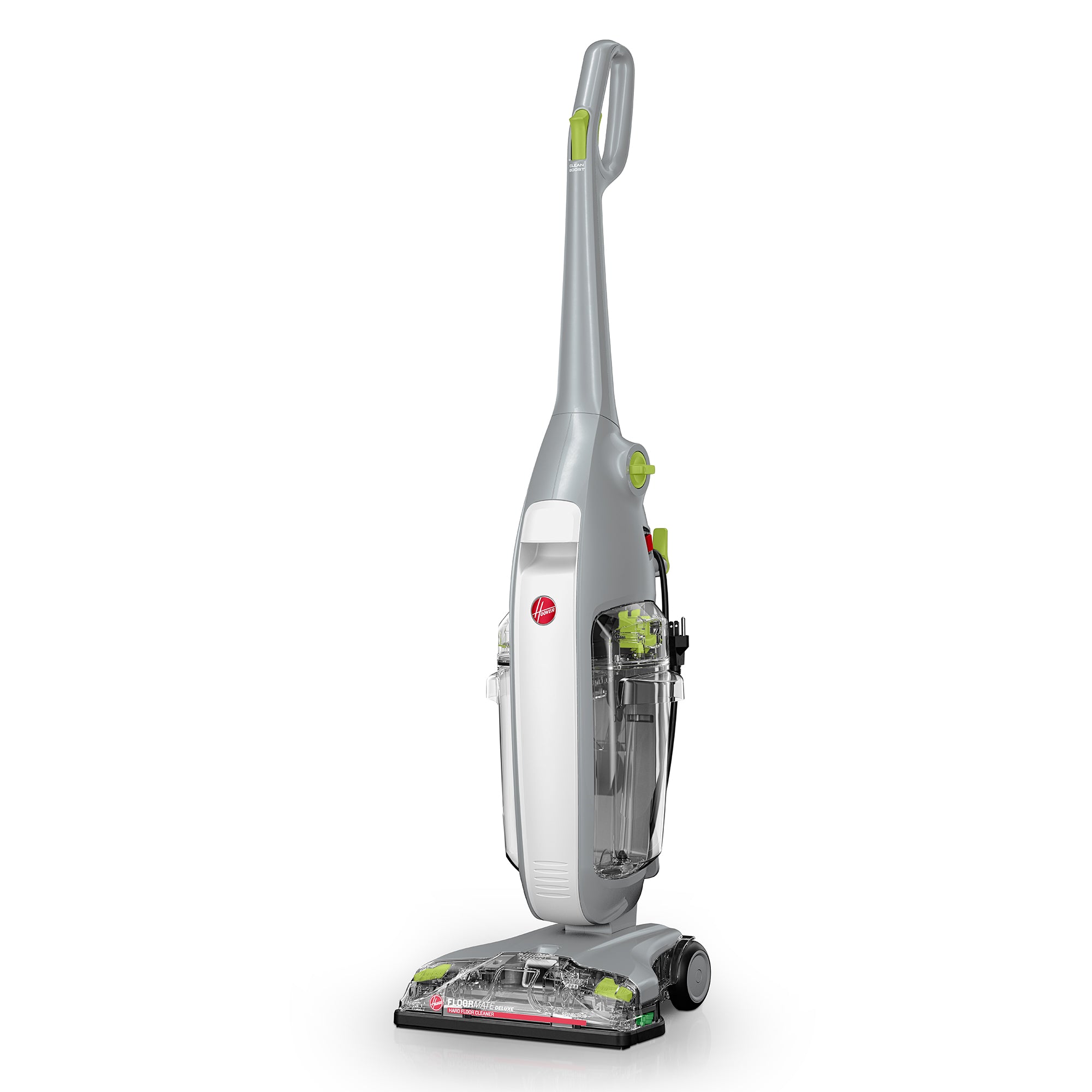
Best practices for cleaning vinyl floors with an upright vacuum
Using an upright vacuum on vinyl floors is not complicated, but a few habits make a big difference. These small steps help protect the finish and improve cleaning results.
1. Turn off the brush roll when possible
This is the easiest way to reduce wear. If your vacuum has a hard floor setting, use it every time you clean vinyl. If the brush roll cannot turn off, check the manual to see if it is still approved for hard floors.
2. Check the underside for grit
Tiny bits of sand or pebbles can get trapped under the vacuum head. Over time, that debris can scratch vinyl if it rubs across the surface. A quick check before cleaning can save you trouble later.
3. Use light, slow passes
You do not need to press hard. Gentle passes pick up dust and crumbs without dragging the machine across the floor. Slow, steady movement usually works better than rushing.
4. Empty the dust bin often
A full bin can weaken suction and make the vacuum less effective. On vinyl, that means more passes and more friction. Keeping the bin clean helps the vacuum glide and perform the way it should.
5. Test in a small spot first
If you are unsure how your vacuum will behave on vinyl, test it in a hidden corner. This is especially useful with glossy or luxury vinyl plank flooring. A small test can tell you quickly whether the vacuum leaves marks or works smoothly.

Vinyl flooring types and vacuum performance
Not all vinyl floors react the same way. The finish, texture, and thickness can affect how a vacuum performs.
Luxury vinyl plank
Luxury vinyl plank, often called LVP, is usually durable and forgiving. Most upright vacuums with hard floor settings work well on it. Still, a brush roll shutoff is the safest choice.
Vinyl sheet flooring
Sheet vinyl is smooth and easy to clean, but it can show scuffs more easily than textured floors. A gentle vacuum is best here, especially in older homes where the surface may already have wear.
Textured vinyl
Textured vinyl can hide dirt well, but it can also trap fine dust in the grooves. An upright vacuum with strong but controlled suction usually works nicely on this type of floor.
Glossy vinyl
Glossy vinyl is the most likely to show marks and streaks. If you have this finish, choose a vacuum with soft wheels and a hard floor mode. Be extra careful with aggressive brush rolls.
Common mistakes to avoid
A lot of problems with vinyl floors come from simple vacuuming mistakes, not from the floor itself. Once you know what to watch for, it gets much easier to protect the surface.
• Using a carpet-only upright vacuum on vinyl
• Leaving the brush roll on when it should be off
• Vacuuming over large debris that could scratch the floor
• Ignoring worn wheels or rough edges on the vacuum
• Skipping regular maintenance, which lowers cleaning quality
One mistake I’ve seen often is people assuming “more power” always means better cleaning. On vinyl, that is not always true. Gentle and controlled is usually the better path.
How upright vacuums compare with other vacuum types
Upright vacuums are not the only option for vinyl floors. They are just one of several tools, and each has strengths.
• Upright vacuums are great for large areas and mixed flooring
• Stick vacuums are lighter and easier to move around furniture
• Canister vacuums often offer better hard floor control
• Robot vacuums work well for daily dust, but may miss edges and corners
If your home is mostly vinyl, you might prefer a vacuum built mainly for hard floors. If your space has both carpet and vinyl, an upright vacuum can be the most practical choice.
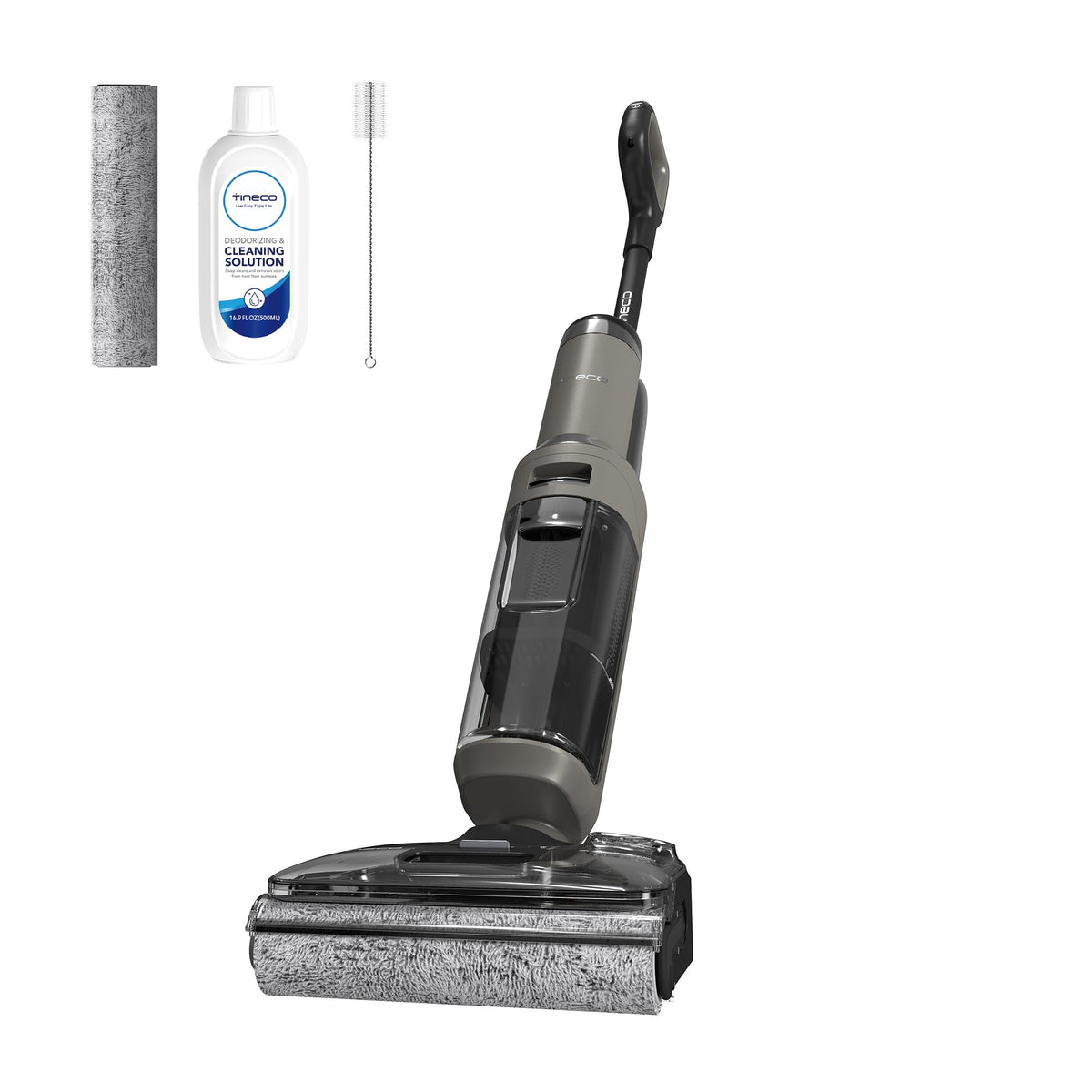
What experts and flooring guidance generally support
General flooring care guidance from manufacturers and cleaning experts tends to agree on the same point: use equipment that will not scratch, scuff, or over-agitate the surface. That means soft contact, controlled suction, and proper brush settings are the safest bet for vinyl floors.
The main idea is simple. Vinyl is durable, but it lasts longer when cleaned with the right amount of force. That is why many floor-care recommendations focus on non-abrasive tools, regular dust removal, and avoiding harsh scrubbing.
Frequently Asked Questions of Can upright vacuums clean vinyl floors?
Can upright vacuums clean vinyl floors every day?
Yes, upright vacuums can clean vinyl floors daily as long as the brush roll is off or the vacuum is made for hard floors. Daily cleaning can help remove grit before it scratches the surface.
Will an upright vacuum scratch vinyl flooring?
It can, but only if the vacuum has stiff bristles, rough wheels, or no hard floor setting. A well-designed upright vacuum with soft contact points is usually safe for vinyl.
Is it better to sweep or vacuum vinyl floors?
Vacuuming is often better because it lifts dust and grit instead of pushing it around. Sweeping can work too, but it may leave behind fine particles that a vacuum picks up more effectively.
Can upright vacuums be used on luxury vinyl plank?
Yes, many upright vacuums work well on luxury vinyl plank. The safest choice is a model with brush roll shutoff and adjustable suction.
What vacuum setting should I use on vinyl floors?
Use the hard floor setting if your vacuum has one, and turn off the brush roll if possible. Lower or medium suction is often easier to control on smooth vinyl.
Are robot vacuums better than upright vacuums for vinyl?
Not always. Robot vacuums are good for light daily dust, but upright vacuums usually do a deeper job and handle edges, corners, and heavier dirt better.
Conclusion
Upright vacuums can clean vinyl floors very well when you choose the right model and use the right settings. The safest options usually include brush roll shutoff, soft wheels, and adjustable suction. With those features, you can keep vinyl floors clean without worrying about scratches or wear.
If you are shopping for a vacuum or trying to improve your current routine, focus on gentle cleaning, regular dust removal, and simple maintenance. A little care goes a long way with vinyl. Take what fits your home, test it carefully, and enjoy cleaner floors with less stress.


2 Comments
Pingback: How Long Do Canister Vacuums Last: Lifespan Guide - Vacuum Cleaner Tips
Pingback: Why Is My Canister Vacuum Not Picking Up Dirt: Fixes - Vacuum Cleaner Tips