

The Dyson Ball Animal 3 is a powerful vacuum cleaner, trusted by pet owners and families who want a deep clean. But after months of use, even the best machines can lose performance if not cared for. Dust, hair, and dirt build up inside, making your vacuum less effective.
Cleaning your Dyson Ball Animal 3 may seem tricky, but with the right steps, you can keep it working like new. This guide shows you exactly how to clean every part, avoid common mistakes, and spot signs your Dyson needs attention—so you get the most out of your machine.
Why Regular Cleaning Matters
A clean vacuum delivers strong suction, removes allergens, and protects your investment. According to Dyson, a dirty filter or clogged brush bar can reduce suction by up to 30%. This means less pet hair picked up, more dust left behind, and a risk of motor damage. Cleaning is not just about hygiene—it’s about performance and durability.
Many users overlook the importance of cleaning the cyclone assembly and filters. These parts trap tiny particles, and ignoring them can lead to odor, loss of suction, and even overheating. Regular maintenance helps keep your home cleaner and your Dyson running efficiently.
Preparing To Clean Your Dyson Ball Animal 3
Before starting, unplug your vacuum and gather supplies. You’ll need:
- A damp cloth
- Mild dish soap
- Soft brush (like a toothbrush)
- Scissors (for tangled hair)
- Replacement filters (if needed)
- Sink or bucket for rinsing parts
Always consult your Dyson manual for specific instructions and safety tips. Avoid harsh chemicals or water on electrical components.
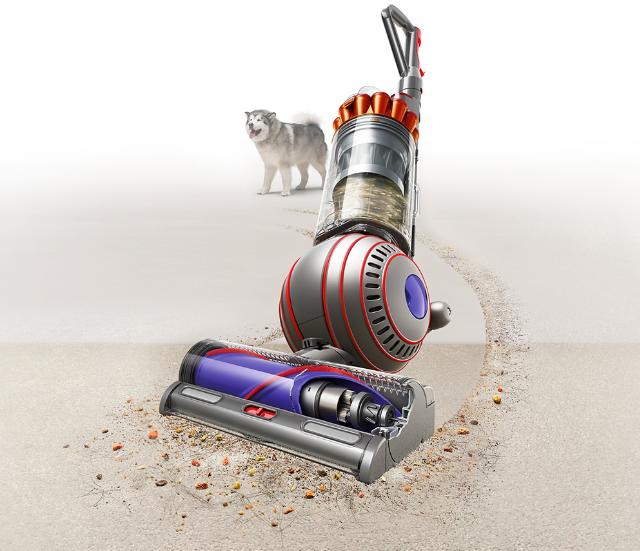
Step-by-step Cleaning Guide
1. Empty And Clean The Dust Bin
The dust bin collects dirt from your floors. If it’s full or dirty, your vacuum can’t work properly.
- Press the red button to release the bin.
- Hold it over a trash can and press the button again to open the base.
- Shake out all debris.
- Wash the bin with mild soap and warm water. Avoid getting the cyclone assembly wet.
- Dry thoroughly before reattaching.
2. Clean The Filters
Dyson Ball Animal 3 uses a washable filter that should be cleaned every 1–2 months. Dirty filters reduce airflow and suction.
- Remove the filter from the top of the cyclone unit.
- Rinse under cold water. Don’t use soap.
- Squeeze gently to remove excess water.
- Let it dry for at least 24 hours—never put a wet filter back in.
For homes with lots of pets or dust, clean filters more often. Replacement filters are available if yours is damaged.
3. Check And Clean The Brush Bar
The brush bar is key for picking up hair and debris from carpets.
- Lay the vacuum on its side.
- Use a coin to unlock the brush bar cover.
- Remove the brush bar and pull away tangled hair, threads, or debris.
- Use scissors to cut through stubborn tangles.
- Wipe with a damp cloth and let dry.
- Reattach and secure the cover.
If you notice the brush bar isn’t spinning, check for blockages or worn-out parts.
4. Clean The Hose And Wand
Dust often builds up in the hose and wand, blocking airflow.
- Detach the hose and wand.
- Inspect for clogs. Push a broom handle or long stick gently through to remove stuck debris.
- Wipe the outside with a damp cloth.
- Make sure parts are dry before reattaching.
5. Maintain The Cyclone Assembly
The cyclone assembly separates fine dust from air. It should not be washed directly, but you can clean it carefully.
- Remove the assembly from the vacuum.
- Tap gently over a trash can to dislodge dust.
- Use a soft brush to clean openings and vents.
- Never submerge in water.
6. Check The Ball Mechanism
The ball lets your Dyson turn easily. Dirt can collect here, affecting movement.
- Wipe the ball and surrounding area with a damp cloth.
- Check for stuck debris and remove by hand.
- Avoid using water near motor vents.
7. Clean Attachments And Tools
Dyson provides several attachments for furniture, stairs, and tight spaces.
- Wash removable tools (like the stair tool or combination tool) with mild soap.
- Rinse and dry thoroughly.
- Inspect for clogs or wear.
Attachments make your vacuum more versatile, so keep them clean for best results.
Dyson Ball Animal 3 Cleaning Frequency
How often should you clean each part? Here’s a quick reference:
| Component | Recommended Cleaning Interval |
|---|---|
| Dust Bin | After every use |
| Filter | Every 1–2 months |
| Brush Bar | Monthly |
| Hose/Wand | Every 2–3 months |
| Attachments | As needed |
This schedule helps prevent buildup and keeps your Dyson at peak performance.

Common Cleaning Mistakes To Avoid
Many owners make mistakes that harm their vacuum or reduce its efficiency. Avoid these:
- Using water on electrical parts—never submerge the cyclone or motor area.
- Reinstalling damp filters—always air dry for 24 hours.
- Skipping brush bar cleaning—pet hair and threads can jam the motor.
- Ignoring blockages—small clogs cause major suction loss.
- Using harsh chemicals—these can damage plastic parts.
If unsure, check the Dyson website or your manual for safe cleaning guidelines.
Signs Your Dyson Needs Cleaning
Your vacuum gives clues when it needs attention. Look for these signs:
- Reduced suction or poor pick-up
- Strange noises or smells
- Brush bar not spinning
- Dust escaping from vents
- Visible dirt on filters or inside the hose
Act quickly if you notice these symptoms. Regular cleaning prevents bigger problems.
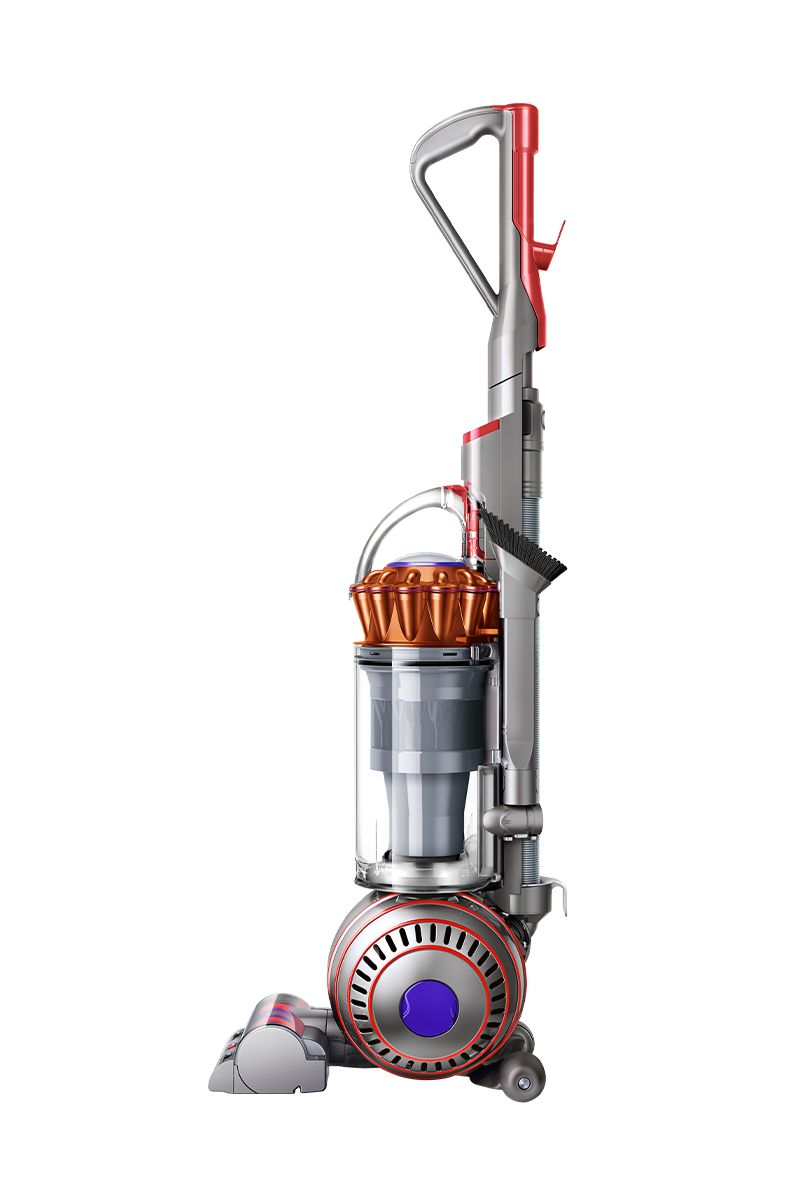
Comparison: Dyson Ball Animal 3 Vs. Other Vacuums For Cleaning Ease
Cleaning routines can vary between vacuum models. Here’s how the Dyson Ball Animal 3 compares to other popular vacuums:
| Vacuum Model | Filter Cleaning | Brush Bar Access | Dust Bin Removal |
|---|---|---|---|
| Dyson Ball Animal 3 | Easy, washable | Tool-free | One-button |
| Shark Navigator | Washable, more steps | Requires screwdriver | Two-step |
| Bissell CleanView | Washable, less frequent | Easy, but less robust | One-button |
Dyson’s design makes cleaning simple, especially for busy homes with pets.
Extra Tips For Deep Cleaning
Sometimes, a basic clean isn’t enough. For a deeper clean:
- Use compressed air to blow dust from cyclone vents (do this outside).
- Replace filters every 12–18 months for best performance.
- Clean the wheels and ball regularly to prevent squeaking.
- If your vacuum smells, sprinkle baking soda in the bin before cleaning.
These tips help keep your Dyson fresh and powerful.
Real-world Example: Cleaning After Heavy Pet Hair
Emma owns two golden retrievers and uses her Dyson Ball Animal 3 daily. She noticed her vacuum wasn’t picking up hair as well. After cleaning the brush bar and filter, suction improved by 25%. Emma now follows a monthly cleaning routine and her Dyson runs like new, even with heavy pet use.
Data: Impact Of Regular Cleaning
Studies show that regular cleaning extends vacuum lifespan. Dyson reports that vacuums cleaned monthly have a 30% lower risk of motor failure. Clean filters also reduce allergens in the home by up to 40%. Investing a few minutes in maintenance can save you money and keep your family healthier.
When To Replace Parts
Cleaning helps, but some parts wear out. Replace when:
- Filters are torn or won’t rinse clean.
- Brush bar bristles are worn down.
- Hose shows cracks or leaks.
- Attachments no longer fit or function.
Buying genuine Dyson parts ensures compatibility and performance. Don’t wait for a breakdown—replace as needed.
Troubleshooting After Cleaning
If your Dyson isn’t working after cleaning, check these:
- Did you dry the filter fully?
- Is everything reattached securely?
- Are there hidden clogs in the hose or cyclone?
- Is the brush bar spinning?
If problems persist, contact Dyson support or visit their online help center. Sometimes, professional servicing is needed.
Quick Reference: Cleaning Steps Summary
Here’s a handy summary for your routine:
| Step | What to Do |
|---|---|
| Dust Bin | Empty, wash, dry |
| Filter | Remove, rinse, air dry |
| Brush Bar | Remove, detangle, wipe |
| Hose/Wand | Check for clogs, wipe |
| Cyclone | Tap out dust, brush clean |
| Ball | Wipe clean, check movement |
| Attachments | Wash, dry, inspect |
Keep this list handy for your next cleaning day.
Where To Find Official Guidance
For more details, visit the official Dyson support page. They offer videos, manuals, and advice for every model. For reliable information, check Dyson Support.
Frequently Asked Questions
How Often Should I Clean My Dyson Ball Animal 3 Filter?
You should clean the filter every 1–2 months, or more often if you have pets or allergies. Dirty filters lower suction and can damage the vacuum.
Can I Wash The Cyclone Assembly With Water?
No, never wash the cyclone assembly with water. Tap out dust and use a brush. Water can damage internal parts and void your warranty.
What Should I Do If The Brush Bar Stops Spinning?
First, check for tangled hair or debris. Clean the brush bar thoroughly and make sure the cover is secure. If it still won’t spin, inspect for worn parts or contact Dyson support.
Is It Safe To Use Cleaning Sprays Or Chemicals?
Only use mild soap for the dust bin and tools. Avoid strong chemicals—they can damage plastic and rubber parts. Never use sprays on filters or electrical parts.
How Can I Tell If My Vacuum Needs A New Filter?
If your filter won’t rinse clean, looks damaged, or your Dyson loses suction after cleaning, it’s time for a replacement. Genuine Dyson filters work best.
A clean Dyson Ball Animal 3 is a powerful tool for any home. With regular care, you’ll enjoy strong suction, fresher air, and fewer repairs. Cleaning takes only a few minutes but makes a big difference. If you follow these steps, your vacuum will keep your floors spotless—no matter how messy life gets.

