

Keeping your Bissell Featherweight Stick vacuum in top shape is more than just emptying the dustbin. A well-cleaned machine works better, lasts longer, and keeps your home healthier. Many users think it’s a quick “dump and done” job, but there are hidden spots where dust, hair, and even odors collect. If you want your Featherweight Stick to clean effectively every time, learning the right way to clean it is key. This guide will show you exactly how, step by step.
Why Regular Cleaning Matters
A vacuum might look clean from the outside, but inside, dust and debris can build up fast. When this happens, the suction power drops, filters clog, and even the motor works harder (which shortens its life). Regular cleaning helps you:
- Keep suction strong for every use
- Avoid bad smells from trapped dust or hair
- Protect parts from wear and tear
- Reduce allergy triggers in your home
Many owners forget small details, like washing the filter or checking for blockages in the stick. Over time, these missed steps lead to bigger problems.
What You Need Before You Start
Cleaning your Bissell Featherweight Stick doesn’t require special tools, but having the right items ready makes everything faster and easier:
- A clean, dry cloth or microfiber towel
- A small brush (an old toothbrush works)
- Mild dish soap (avoid strong cleaners or bleach)
- Warm water
- Scissors (for cutting away tangled hair)
- A flat-head screwdriver (optional, for deep cleaning)
- A spare filter (if you want to swap a dirty filter)
Set aside about 15–20 minutes for a full clean.

Understanding The Parts
Before you begin, know the main parts you’ll need to clean:
| Part | Where Dirt Builds Up | How Often to Clean |
|---|---|---|
| Dirt Cup | Main area for dust, hair, debris | Every use |
| Filter | Traps fine dust, pollen | Weekly |
| Floor Nozzle | Hair/twine tangle, large debris | Weekly or as needed |
| Stick/Wand | Can get blocked by larger items | Monthly |
If your model comes with attachments, clean those too.
Step-by-step Cleaning Instructions
Let’s walk through the full process, from daily dustbin emptying to monthly deep cleans.
1. Unplug And Disassemble
Always unplug your vacuum before cleaning. This is for safety and to avoid any electrical problems.
Remove all detachable parts:
- Dirt cup (the clear container)
- Filter (usually inside the dirt cup)
- Floor nozzle (the bottom part)
- Any extension wands or attachments
Lay the parts on a clean towel.
2. Empty And Clean The Dirt Cup
This is the part that fills up the fastest.
- Hold the dirt cup over a trash can and press the release button. Empty all debris.
- For sticky dust or pet hair, use a small brush to loosen clumps.
- Wash the cup with warm, soapy water. Rinse well and let it air dry completely before putting it back. Never put parts back wet, as this can cause mold.
3. Wash Or Replace The Filter
A clogged filter is the main reason for lost suction.
- Pull out the filter gently.
- Tap it over the trash to shake out loose dust.
- Rinse the filter with warm water. Do not use soap unless the manual allows it.
- Squeeze gently to remove extra water.
- Let the filter dry for at least 24 hours. A wet filter can damage your vacuum.
- If your filter looks worn, gray, or damaged, consider replacing it. Replacement filters are affordable and easy to find.
4. Clean The Floor Nozzle
This part picks up the most hair and large debris.
- Flip the nozzle over.
- Check for hair or string wrapped around the rollers. Use scissors to cut and remove tangles.
- Wipe the nozzle with a damp cloth.
- If the nozzle has a removable brush, take it out and wash it with soapy water. Dry fully before reassembling.
5. Check For Blockages In The Stick Or Wand
A blocked stick means poor suction.
- Hold the stick up to a light and look through it.
- If you see a blockage, push it out gently with a broom handle or similar object.
- Wipe the outside of the stick with a damp cloth.
6. Wipe The Main Body And Attachments
Dust can build up on the outside, making your vacuum look dirty.
- Wipe the main unit and all attachments with a dry or slightly damp cloth.
- Avoid getting water near buttons or electrical parts.
7. Reassemble And Test
After all parts are completely dry, put your vacuum back together:
- Insert the dry filter into the dirt cup
- Attach the dirt cup to the main unit
- Reconnect the floor nozzle and wand
Plug it in and test on a small area to make sure everything works smoothly.
How Often Should You Clean Your Bissell Featherweight Stick?
Not all parts need cleaning every time. Here’s a simple schedule:
| Part | Suggested Cleaning Frequency |
|---|---|
| Dirt Cup | After every use |
| Filter | Once a week or more if you vacuum daily |
| Floor Nozzle | Every 1–2 weeks |
| Stick/Wand | Monthly or if you notice weak suction |
| Attachments | Every 1–2 months |
If you have pets or allergies, clean more often.
Tips For Better Cleaning Results
A few extra steps can help your vacuum perform even better:
- Use a spare filter: Keep an extra filter on hand. Swap the clean one in while the other dries.
- Avoid strong chemicals: Harsh cleaners can damage plastic parts and filters.
- Dry parts fully: Moisture trapped inside can lead to bad smells or even mold.
- Clean after big jobs: If you vacuumed a lot of hair, sand, or dust, clean the vacuum right away.
- Store in a dry place: Humidity shortens the life of filters and can rust metal parts.
Many owners forget that filters need 24 hours to dry. Putting in a damp filter is a common mistake that leads to odors and possible motor damage.
Common Problems And How To Fix Them
Even with regular cleaning, you might face some issues. Here’s how to solve the most frequent ones.
Weak Suction
- Check if the filter is clogged or wet.
- Make sure there are no blockages in the stick or nozzle.
- Empty the dirt cup if it’s even half full.
Bad Odors
- Wash the dirt cup and filter thoroughly.
- Sprinkle a small amount of baking soda inside the dirt cup, but remove it before the next use.
- Make sure all parts are completely dry before reassembly.
Visible Dust Left Behind
- Clean the nozzle and brush area.
- Check for blockages in the stick.
- Replace the filter if it looks worn out.
When To Replace Parts
Some parts wear out over time. Here’s when you should consider a replacement:
- Filter: Every 3–6 months for regular use, or sooner if you have pets
- Floor nozzle or brush: If bristles are missing or worn down
- Dirt cup: If it’s cracked or cannot be cleaned fully
You can find genuine Bissell parts on their official website.
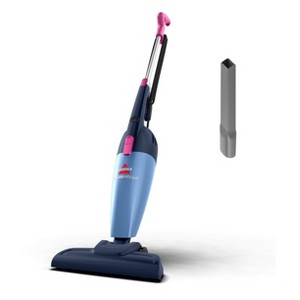
How The Bissell Featherweight Compares To Other Stick Vacuums
Understanding how your Featherweight Stick stacks up can help you appreciate its design and maintenance needs.
| Feature | Bissell Featherweight | Typical Stick Vacuum |
|---|---|---|
| Filter Type | Washable, reusable | Often disposable |
| Dirt Cup Size | Small (0.67L) | Varies (0.5–1.5L) |
| Weight | Light (2.6 lbs) | 3–6 lbs |
| Cleaning Steps | Simple, tool-free | May need tools |
The Featherweight is easy to handle and clean, but its small dirt cup means you’ll empty it often.
Non-obvious Insights For A Longer-lasting Vacuum
Many users overlook these points:
- Never vacuum wet debris: Even a small amount of liquid can ruin the filter and lead to mold. Stick to dry messes only.
- Check for hidden hair: Hair often wraps around the axle inside the nozzle, not just the brush. Remove this for smoother rolling.
- Let filters air-dry near a fan: This speeds up drying and prevents musty smells, especially in humid climates.

Frequently Asked Questions
How Do I Know When The Filter Needs Changing?
If you see tears, heavy discoloration, or the vacuum still smells bad after cleaning, it’s time to replace the filter. Weak suction is also a sign.
Can I Wash The Filter With Soap?
Check your Featherweight manual. Most Bissell filters are best rinsed with plain water. Soap can sometimes damage the filter material or leave residue.
Is It Safe To Wash The Main Vacuum Body?
No. Only wipe the main body with a dry or damp cloth. Never use water near the electrical parts or motor.
What Should I Do If The Vacuum Still Smells After Cleaning?
Let all parts dry fully, and clean the filter again. If odors remain, replace the filter and clean the dirt cup with a little vinegar (rinse well afterward).
Can I Use A Featherweight Filter From Another Bissell Vacuum?
Always use the filter designed for your Featherweight model. Different filters may not fit correctly and can harm performance.
Keeping your Bissell Featherweight Stick clean is simple if you follow these steps and tips. Regular care means better cleaning results, less dust in your home, and a machine that lasts for years. A few minutes after each use, plus a deep clean now and then, will keep your vacuum running strong. If you’re ever unsure, check your manual or visit the official site for support. By making cleaning a habit, you’ll enjoy a fresher, cleaner home every time you vacuum.

