

A clean-looking car can still hold sand in the carpet, crumbs in seat seams, and dust under the seats. How do you clean a car with a vacuum? Clear out loose items first, then vacuum from high surfaces down to the floor.
That order keeps dirt from falling onto areas you’ve already cleaned.
A quick interior clean usually takes 10 to 20 minutes. A full vacuum takes about 30 to 60 minutes, depending on the vehicle and mess. Many cordless vacuums run for 10 to 45 minutes per charge, so charge yours before starting.
How Do You Clean a Car With a Vacuum?
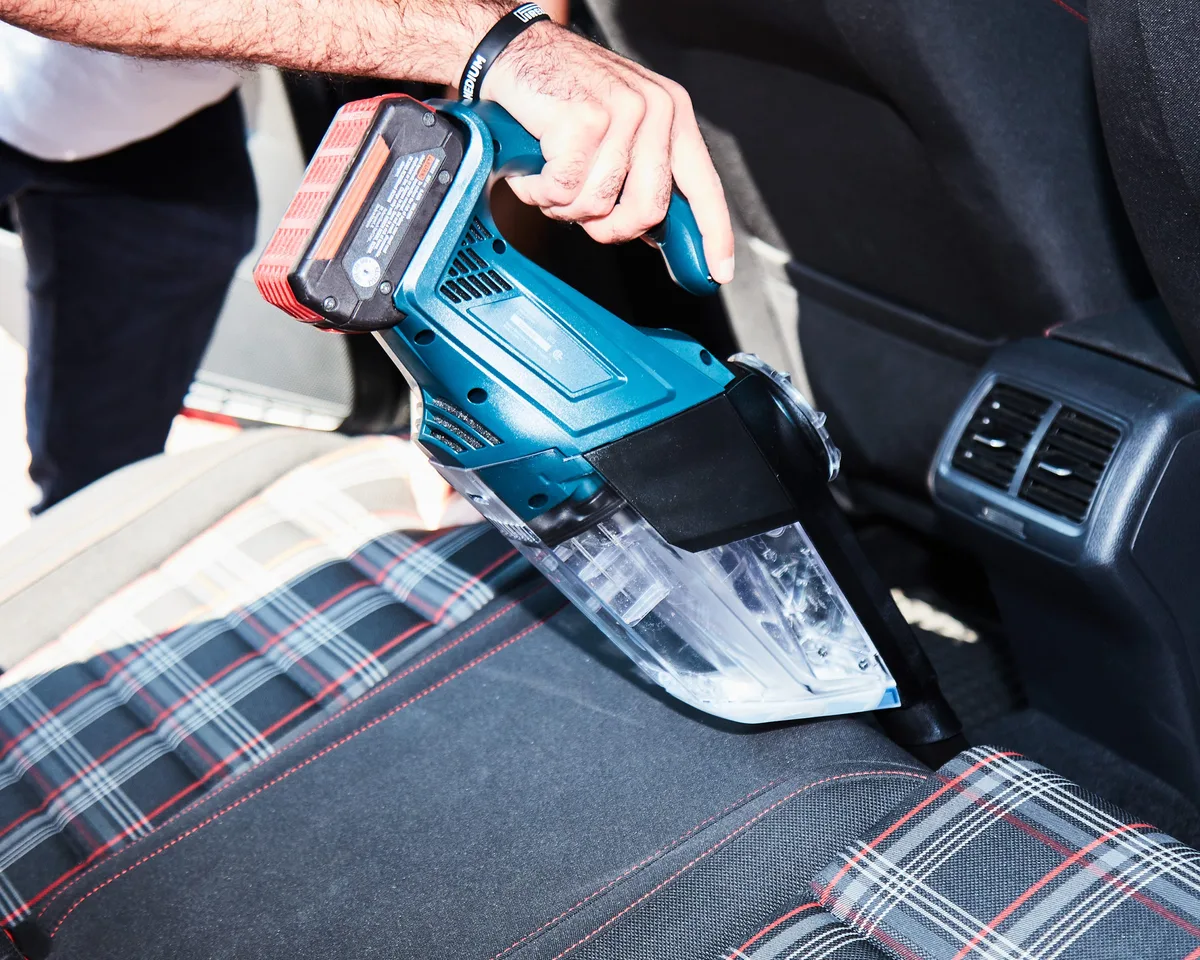
Image source: Bing (Web (fair-use with source credit))
Quick Answer
How do you clean a car with a vacuum? Remove trash and floor mats first. Vacuum hard surfaces, seats, and carpets in that order.
Use a crevice tool around seams and seat rails. Use a wet-dry vacuum only for approved liquid pickup.
What You’ll Need to Vacuum Your Car Properly
A car vacuum cleaner is a compact vacuum made for tight vehicle spaces. A standard household vacuum also works if its hose reaches the cabin and it has useful attachments.
| Tool | Best use |
|---|---|
| Vacuum with hose | Seats, carpets, footwells, and trunk |
| Crevice tool | Seat seams, rails, pedals, and console gaps |
| Soft brush attachment | Vents, cloth, plastic, and vinyl |
| Rubber brush or squeegee | Pet hair on fabric seats and carpet |
| Microfiber cloth | Wiping hard surfaces after vacuuming |
Keep a small container nearby for coins, jewelry, screws, and other items found under seats. Pull them out by hand instead of vacuuming them up. For more on the basics, this guide to small interior vacuums explains the common designs.
Before You Start: Dry Debris, Wet Spills, and Delicate Interior Surfaces
First, identify the mess. If it’s dry, such as crumbs, hair, sand, or dirt, use a regular vacuum. If the carpet or upholstery is wet, use a wet-dry vacuum only if the manufacturer permits liquid pickup.
Never put liquid into a dry-only vacuum. It can damage the motor and leave moisture trapped in the machine. The [U.S.
Environmental Protection Agency’s mold guidance](https://www.epa.gov/mold) recommends drying damp materials promptly to limit mold growth.
Remove trash, bottles, chargers, and floor mats before switching on the vacuum. Check seat pockets, cupholders, door bins, the center console, and the trunk.
Use a soft brush near air vents, screens, gauge lenses, and glossy trim. Do not force a crevice tool around powered-seat wiring, electrical connectors, or seat-belt buckles.
Choose the Right Vacuum and Attachments for Your Car
Choose the vacuum based on the job. A handheld cordless vacuum is handy for crumbs and quick touch-ups. A corded vacuum or wet-dry vacuum is better for deep carpet, pet hair, and a large cargo area.
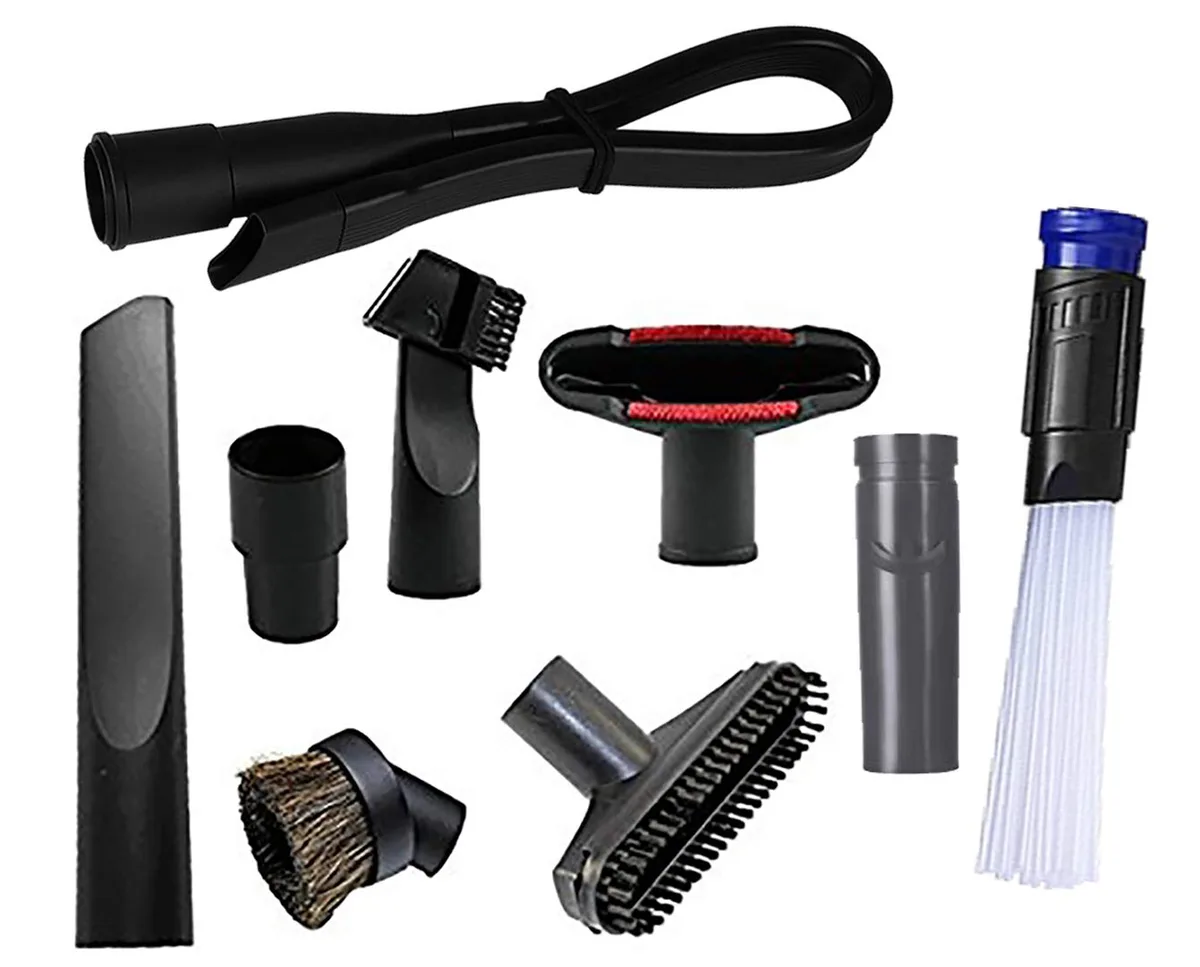
Image source: Bing (Web (fair-use with source credit))
| Vacuum type | Best for | Limitation |
|---|---|---|
| Cordless handheld | Small spills and weekly touch-ups | Short runtime and small dust bin |
| 12-volt vacuum | Light cleaning near the car | Often modest suction |
| Corded vacuum | Full interior cleaning | Needs an outlet |
| Wet-dry vacuum | Heavy grit and approved wet pickup | Bulkier to move around |
| Public vacuum station | Cleaning away from home | Timed sessions and mixed suction |
Use the crevice tool for narrow gaps. Use the upholstery or brush tool for seats and carpet. If you’re deciding between power sources, compare plug-in and battery models based on how long you plan to clean.
If suction drops, empty the bin and inspect the hose. A clogged filter is often the real problem. Regular filter care helps keep airflow strong.
How to Clean a Car With a Vacuum: Step-by-Step Workflow
Work from the dashboard downward. Start with dry, loose debris and finish with the floor mats and cargo area.
1. Remove Trash, Personal Items, and Floor Mats
Take out rubbish and personal items. Remove the floor mats and shake them outside the car. If mats are damp, leave them out until fully dry.
2. Move the Seats and Check Under-Seat Areas
Slide each front seat back, then forward. Look for valuables before vacuuming. Use the crevice tool carefully around the rails and avoid wiring underneath powered seats.
3. Vacuum the Dashboard, Door Pockets, and Center Console
Use a soft brush on dusty hard surfaces. Switch to the crevice tool for storage pockets and console edges. Vacuum loose dirt from cupholders, then wipe sticky residue with a slightly damp microfiber cloth.
4. Clean Seats, Seams, Buckles, and Seat Rails
Start at the upper seatback and move down. Use overlapping passes on cloth upholstery. Trace seams and the gap beside the center console with the crevice tool.
Gentle vacuuming is suitable for cloth seats when you use the right attachment. These tips on cleaning fabric upholstery explain where to focus.
5. Vacuum Carpets and Footwells in Overlapping Passes
Vacuum in straight rows, overlapping each pass slightly. Then change direction to lift dirt caught in the carpet pile. Pay extra attention to the driver’s footwell and the carpet edges by the door sills.
6. Clean Floor Mats Separately
Vacuum carpet mats on both sides. Shake rubber mats first, then vacuum the grooves. Refit mats only when they are dry and sitting flat.
7. Vacuum the Trunk or Cargo Area
Lift the cargo floor if there is under-floor storage. Vacuum side pockets, corners, and the area around the hatch or trunk seal. This often catches leaves, gravel, and pet hair.
8. Do a Final Check and Reinstall Dry Mats
Open the doors and inspect the cabin from different angles. Look along seat tracks, under pedals, and beside the rear seats. Put the mats back once everything is clean and dry.
What to Do When Normal Vacuuming Isn’t Enough
Repeated vacuum passes won’t fix every mess. If debris remains stuck, loosen it first, then vacuum slowly.
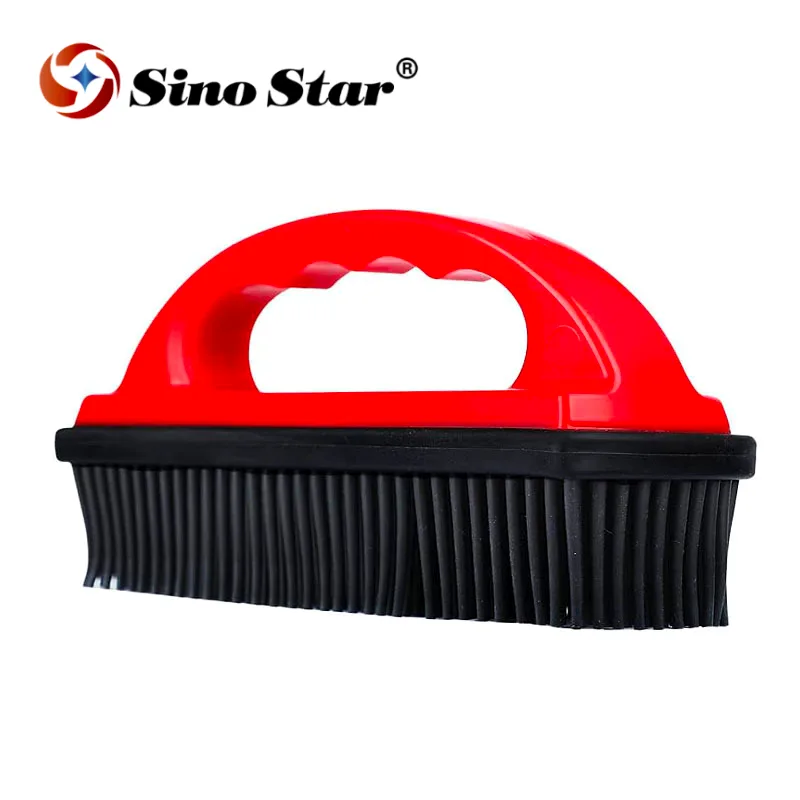
Image source: Web (Bing) / carwashmachine.net (Web image (fair-use with source credit))
Removing Pet Hair From Car Seats and Carpet
Use a rubber brush or squeegee in short strokes. It pulls hair into clumps that are easier to vacuum. This works especially well on textured cloth upholstery.
Getting Sand, Gravel, and Fine Dust Out of Carpet Fibers
Brush the carpet gently, then vacuum from two directions. Fine sand fills a bin quickly and can clog a filter. For stubborn grit, these steps for lifting beach sand can help.
Cleaning Crumbs From Tight Gaps and Seat Creases
Use a crevice tool along seat seams and around buckles. A soft detailing brush can free packed crumbs first. Avoid blowing debris around with compressed air unless you can vacuum it immediately.
Handling Wet Spills Safely With a Wet-Dry Vacuum
Blot standing liquid before extraction. Then use an approved wet-dry vacuum to pull moisture from carpet or fabric. Keep doors open until the area feels dry.
Vacuuming Different Car Interior Materials Without Causing Damage
Use a brush attachment on cloth seats, leather, vinyl, and plastic. Keep hard tools away from touchscreens, gauge-cluster covers, and piano-black trim.
For leather seats, vacuum grit from seams without pressing the tool into the surface. Vacuuming removes loose dirt but does not replace a proper leather cleaner or conditioner.
Common Car Vacuuming Mistakes to Avoid
- Vacuuming wet spills with a dry-only machine
- Skipping under-seat areas and cargo storage
- Scraping trim with a hard crevice tool
- Reinstalling damp floor mats
- Vacuuming coins or loose hardware
- Continuing with weak suction instead of checking the filter
If the vacuum smells hot or burning, stop using it and inspect it before continuing. A blocked hose, packed filter, or overheated motor needs attention.
How Long It Takes to Vacuum a Car and How Often to Do It
A quick cleanup takes 10 to 20 minutes. A thorough interior vacuum typically takes 30 to 60 minutes. Large SUVs, minivans, and heavily soiled vehicles may take longer.
Vacuum every two to four weeks for normal use. Clean weekly if you carry pets, children, beach gear, or frequent passengers.
Car Vacuum Options: What Works Best for Quick Cleanups vs. Deep Cleaning
Use a cordless handheld vacuum for crumbs, dust, and small touch-ups. Use a corded vacuum for more runtime and stronger cleaning on carpeted floors.
A wet-dry vacuum is the right choice for approved liquid pickup. Public vacuum stations are practical when you lack space at home, but inspect the hose and suction before paying for a timed session.
Safety Tips for Vacuuming Around Powered Seats, Electronics, and Moisture
Turn the vehicle off before cleaning around powered seats. Avoid electrical connectors, wiring looms, and seat-mounted components.
Keep the vacuum away from screens and vent fins. If you wash mats or extract a spill, dry the interior fully before closing the car for long periods.
Keep Your Vacuum Working: Emptying Bins, Cleaning Filters, and Maintaining Attachments
Empty the dust bin after each car clean. Sand and pet hair fill small bins quickly. If suction fades, check the hose, attachment, and filter before assuming the motor is weak.
Wash or replace filters only as the manufacturer directs. Let washable filters dry completely before reinstalling them.
A Simple Car Vacuuming Decision Guide
If you have crumbs or light dust, use a handheld vacuum and brush tool. If you have deep carpet dirt, sand, or a full vehicle to clean, use a corded vacuum with a hose.
If you have wet carpet or upholstery, use an approved wet-dry vacuum. If the vacuum cannot lift embedded dirt after brushing, clean the filter or use stronger suction.
Frequently Asked Questions
Can you use a regular household vacuum in a car?
Yes, a regular household vacuum can clean a car if the hose reaches inside. Use a crevice tool for tight gaps and a soft brush for fabric and plastic. Do not use it for liquids unless it is rated for wet pickup.
What is the best way to vacuum under car seats?
Move the seat fully back and forward to expose both areas. Check for coins, cables, and electrical connectors first. Then use a narrow crevice tool around seat rails without forcing it into wiring.
Can a car vacuum pick up sand?
Yes, most car vacuums can pick up sand. Brush the carpet first and vacuum slowly from two directions. Empty the bin and clean the filter afterward because fine sand can quickly reduce airflow.
How often should you vacuum a car interior?
Vacuum a normally used car every two to four weeks. Clean it weekly if you have pets, children, beach sand, or frequent passengers. Regular vacuuming prevents grit from becoming embedded in carpets and upholstery.
Can you vacuum a car while it is wet?
Only use a wet-dry vacuum that is approved for liquid pickup. Blot excess water first, then extract moisture from the carpet or upholstery. Leave the doors open until the material is fully dry.

